


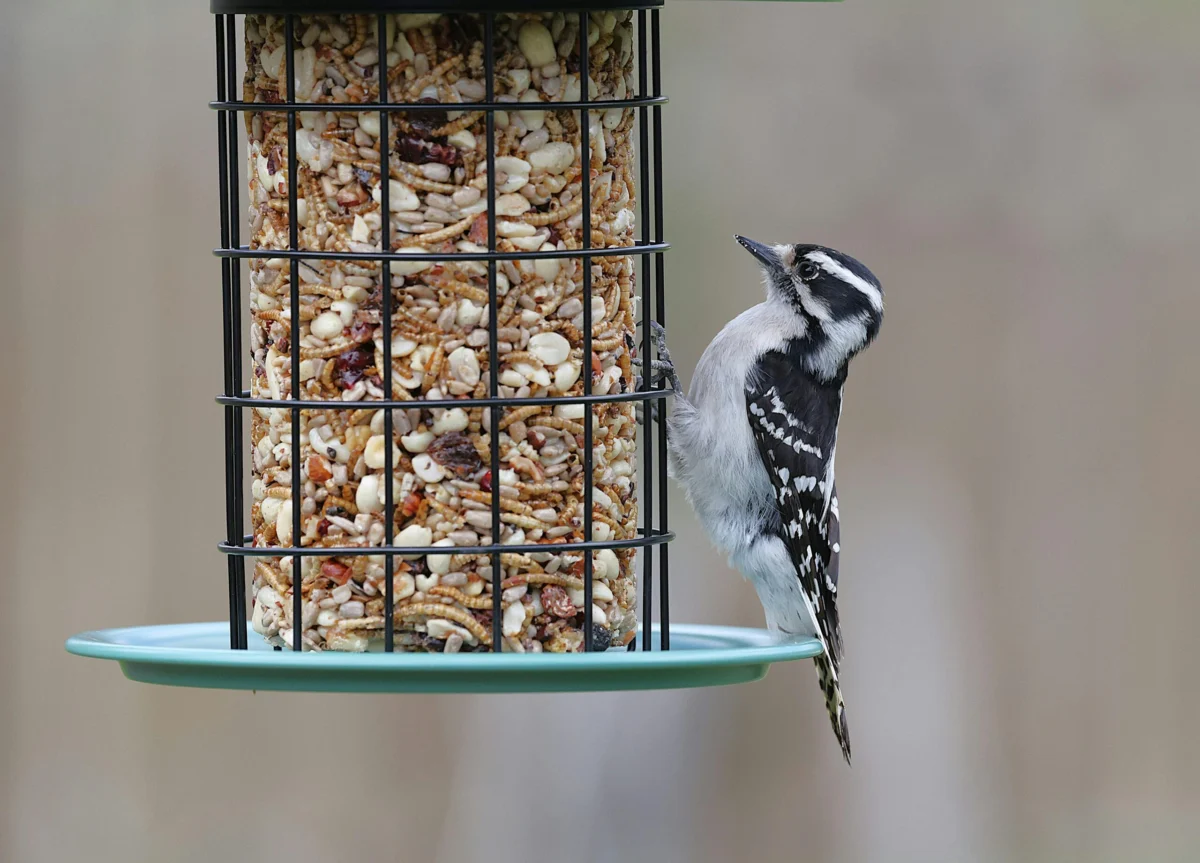
Squirrels, with their remarkable agility and persistent nature, often find themselves at the center of backyard drama, particularly when bird feeders are involved. These furry acrobats are known for their insatiable appetite for birdseed and nuts, frequently leading to spirited, and often one-sided, battles with their feathered counterparts over these coveted food sources. While birds and squirrels can coexist peacefully, their shared fondness for bird feeders can create a constant challenge for homeowners aiming to attract avian visitors while keeping the more robust squirrels at bay.
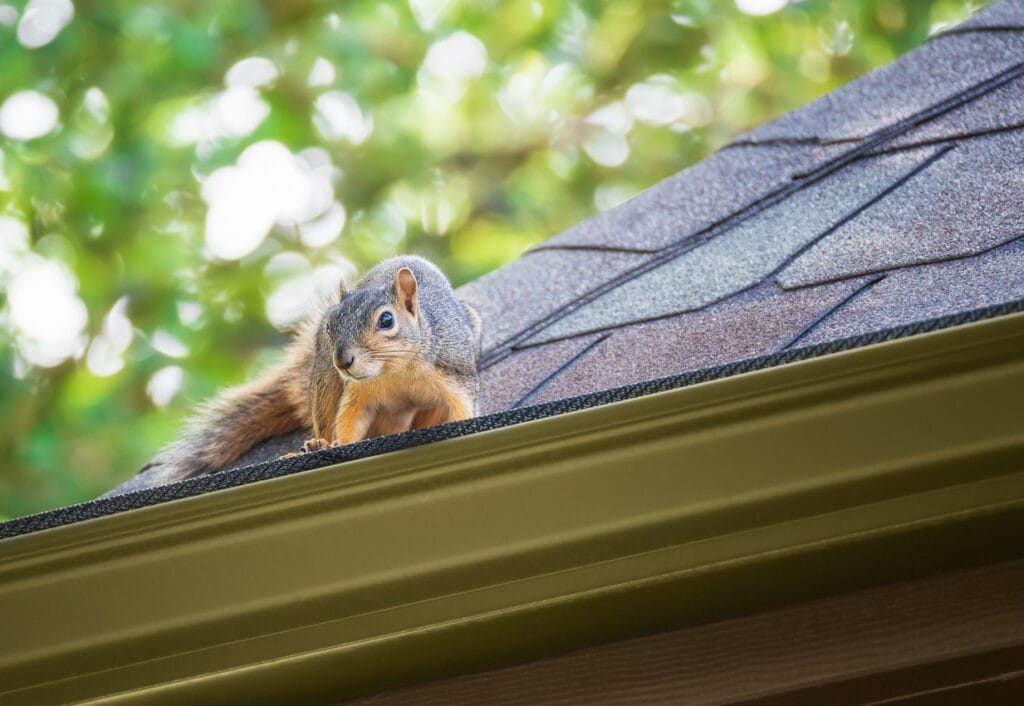
The core of the conflict lies in a simple biological truth: both birds and squirrels have a significant preference for the nutrient-rich offerings found in bird feeders, such as black oil sunflower seeds, nuts, and suet. However, the ensuing competition is rarely a fair fight. Squirrels, generally larger and more physically capable than most backyard birds, possess a distinct advantage. Their ability to jump more than ten feet, coupled with exceptional climbing and digging skills, allows them to easily access feeders. Their intelligence and quick learning capabilities mean they can adapt to deterrents and persist until their objective is met. This tenacity extends to their methods; squirrels have been observed to claw and chew through wooden and plastic feeders, demonstrating a remarkable determination to access the food within.
The Feeder Feud: Why Squirrels Dominate
The dynamic at a typical bird feeder often sees squirrels emerging as the clear victors. While many bird species are generally accommodating to each other, sharing feeders with diverse flocks, squirrels exhibit a different disposition. Their voracious appetites and assertive nature mean they are likely to chase away smaller birds, consuming all the available food and leaving the feeder completely bare. This behavior not only deprives birds of essential sustenance but can also create a sense of territoriality that discourages birds from returning.
Beyond mere competition for seeds, squirrels can pose a more direct threat to bird populations. Their predatory instincts can extend to bird eggs and newly hatched chicks, making gardens with a high squirrel presence less attractive to nesting birds. This ecological impact highlights the multifaceted nature of the squirrel-bird feeder relationship, extending beyond simple food competition to the safety and viability of local bird populations.
Strategies for Squirrel-Proofing: A Tactical Approach
For bird enthusiasts seeking to provide for their avian visitors without inadvertently feeding the local squirrel population, a creative and strategic approach is necessary. The ingenuity of squirrels in overcoming obstacles requires homeowners to think like a master strategist. Numerous methods have been developed and implemented, ranging from simple environmental modifications to specialized feeder designs.
Location: The First Line of Defense
The most critical factor in deterring squirrels from bird feeders is their placement. Experts advise positioning feeders far from any potential launchpads, such as porches, gutters, overhead wires, or tree branches. This physical distance makes it significantly more challenging for squirrels to leap onto the feeder. A common recommendation is to mount feeders on smooth metal poles, at least six feet off the ground. Furthermore, maintaining a clear perimeter around the feeder is crucial. Pruning bushes and branches within a twelve-foot radius can eliminate convenient perches and access points for squirrels.
Physical Barriers: Caging and Enclosures
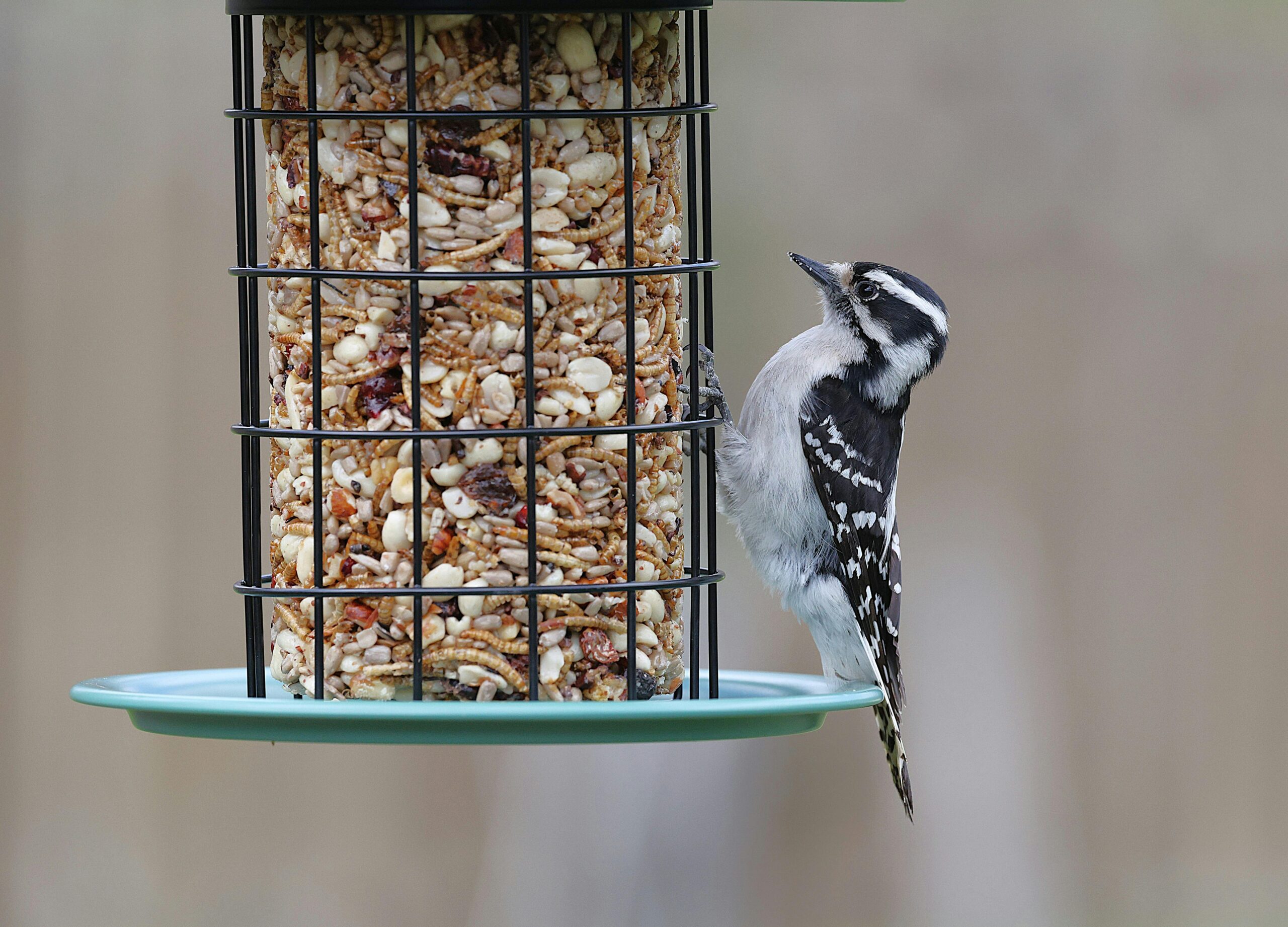
For smaller backyards or areas where complete isolation of the feeder is not feasible, physical barriers offer a viable solution. Enclosing the feeder within a cage, often constructed from chicken wire, can effectively block squirrels while allowing smaller birds to access the food. The mesh size of the wire is critical; it must be small enough to exclude squirrels but large enough to permit birds to feed freely. This method can also serve a dual purpose by deterring larger, more aggressive bird species like pigeons and starlings from monopolizing the food. Many commercially available "squirrel-proof" feeders incorporate such caging mechanisms.
Dynamic Deterrents: Tilting and Spinning Feeders
The inherent agility of squirrels can be turned against them through the use of specially designed feeders that employ dynamic deterrents. Tilting feeders are engineered to spin or tilt when a squirrel attempts to climb onto them, unbalancing the intruder and making it difficult to access the food. This often results in an amusing spectacle for observers, showcasing the squirrel’s acrobatic attempts to maintain its footing.
Spinners, another inventive approach, involve hanging the feeder from a thin, horizontal wire. Short pieces of pipe, old sewing thread spools, or even empty soda bottles can be threaded onto this wire. When a squirrel attempts to traverse the wire, these spinners rotate, causing the squirrel to lose its balance and fall. This method leverages the squirrel’s weight and momentum against them, effectively disrupting their access.
Baffles: The Dome of Defense
Baffles are a widely recognized and effective method for deterring squirrels. These dome-shaped guards are typically made of smooth plastic or metal and can be placed either above or below a bird feeder. The smooth, angled surface makes it difficult for squirrels to grip and climb. For maximum effectiveness, baffles should be at least fifteen inches wide and slope downwards, preventing squirrels from reaching around them. Some advanced baffles are designed to spin or twirl when weight is applied, further disorienting squirrels and preventing them from reaching the feeder.
Maintaining a Clean Feeding Environment
Cleanliness around the bird feeder is paramount, not only for aesthetic reasons but also for effective squirrel deterrence. Spilled seeds and debris on the ground can attract squirrels and provide them with an easy, secondary food source. Regularly clearing the area beneath the feeder removes these temptations and discourages them from lingering. Furthermore, spilled seeds can become stale, rot, or become contaminated, posing health risks to ground-feeding birds and other wildlife.
Feeder Design and Material
The design and construction of the bird feeder itself play a significant role in its susceptibility to squirrel intrusion. Feeders made from durable materials like metal, or those with thick, sturdy designs, are more resistant to gnawing and clawing. Some specialized "squirrel-proof" feeders feature weight-activated doors or hatches that close when a heavier animal, such as a squirrel, lands on them, while remaining open for lighter birds.
Seed Selection: A Matter of Taste
While squirrels are known to enjoy a wide variety of birdseed, certain types are less appealing. Nyjer seed and safflower seed, for example, have a bitter taste that most squirrels find unpalatable. By incorporating these seeds into the bird feeder mix, homeowners can attract birds while making the offering less attractive to their furry antagonists.
The Spicy Solution: A Natural Repellent
Mammals, including squirrels, possess a sensitivity to capsaicin, the compound found in chili peppers that gives them their heat. Birds, however, are immune to this spiciness. Sprinkling cayenne pepper or other chili powders onto birdseed can act as a natural repellent for squirrels. It is important to note that this method may require frequent reapplication, especially after rain, as the spice can wash away. Pre-treated chili seeds or suet are also available commercially. When handling cayenne pepper, it is advisable to wear gloves and avoid inhaling the dust to prevent irritation.
Humane Trapping and Relocation
In cases of severe and persistent squirrel infestations, contacting local wildlife authorities for advice on humane trapping and relocation methods may be an option. It is crucial to adhere to all local wildlife laws and regulations when considering such interventions. These authorities can provide guidance on best practices to ensure the safety and well-being of both the animals and the community.
Eliminating Shelter and Nesting Sites
Squirrels are more likely to frequent areas where they feel secure and have access to shelter. Removing potential nesting sites around a property can discourage them from establishing a presence. This includes sealing off access to attics, sheds, and other enclosed spaces where squirrels might seek refuge. By making the immediate vicinity less hospitable, squirrels may be prompted to find alternative habitats further afield.
What Not to Do: Ethical Considerations
While the desire to protect bird feeders is understandable, it is imperative to employ humane and ethical methods. Several actions should be strictly avoided:
- Hunting and Poisoning: Squirrels are an integral part of the ecosystem, and hunting or poisoning them is not only inhumane but can also have unintended consequences. Poisoned bait can harm non-target species, including birds, pets, and other wildlife that may consume it directly or prey on poisoned animals. This can lead to severe injury or death for raptors and other predators.
- Introducing Predators: Releasing domestic cats onto squirrels is not a recommended solution. Cats are indiscriminate hunters and may pose a threat to birds and other desirable wildlife, exacerbating the problem rather than solving it.
- Oiling Poles: Coating feeder poles with oil or grease, while seemingly a deterrent, can be harmful. Birds or other animals that come into contact with the oily residue may suffer from illness, feather damage, or an inability to regulate their body temperature, making them vulnerable.
Conclusion: Coexistence and Compromise
Managing the squirrel-bird feeder dynamic is an ongoing process that often requires patience and experimentation. If persistent efforts to deter squirrels prove unsuccessful, temporarily removing feeders for a few days or weeks can disrupt their routine, though they are likely to return once feeders are reinstalled. It is also important to acknowledge that achieving a completely "squirrel-proof" bird feeder can be an elusive goal.
An alternative approach that promotes coexistence is to establish a designated feeding station specifically for squirrels. Offering them their own appealing food sources, such as nuts, corn, and berries, can redirect their attention away from bird feeders. This strategy not only ensures that birds can feed undisturbed but also provides an opportunity to observe and appreciate the fascinating behaviors of squirrels in their own dedicated space.
Squirrels are a natural and vibrant part of the garden ecosystem, possessing a unique set of skills and characteristics. Their presence, like that of birds, insects, and other creatures, is a testament to the biodiversity of our natural world. Observing squirrel behavior can be as engaging and rewarding as watching cardinals flit among the branches or finches perch on a feeder. While deterring squirrels from bird feeders is a common objective, accepting the occasional visit and finding ways to coexist can lead to a more harmonious and enjoyable backyard experience for all.
Frequently Asked Questions
Do squirrels kill birds?
While squirrels are primarily herbivores and do not typically hunt birds for food, they may injure a bird if they feel threatened. However, they are known to prey on bird eggs and unattended nestlings.
Do birds kill squirrels?
Yes, various birds of prey, including hawks, falcons, owls, and eagles, regularly hunt and consume squirrels. Smaller backyard birds competing for food at feeders are unlikely to pose a threat to adult squirrels.

