


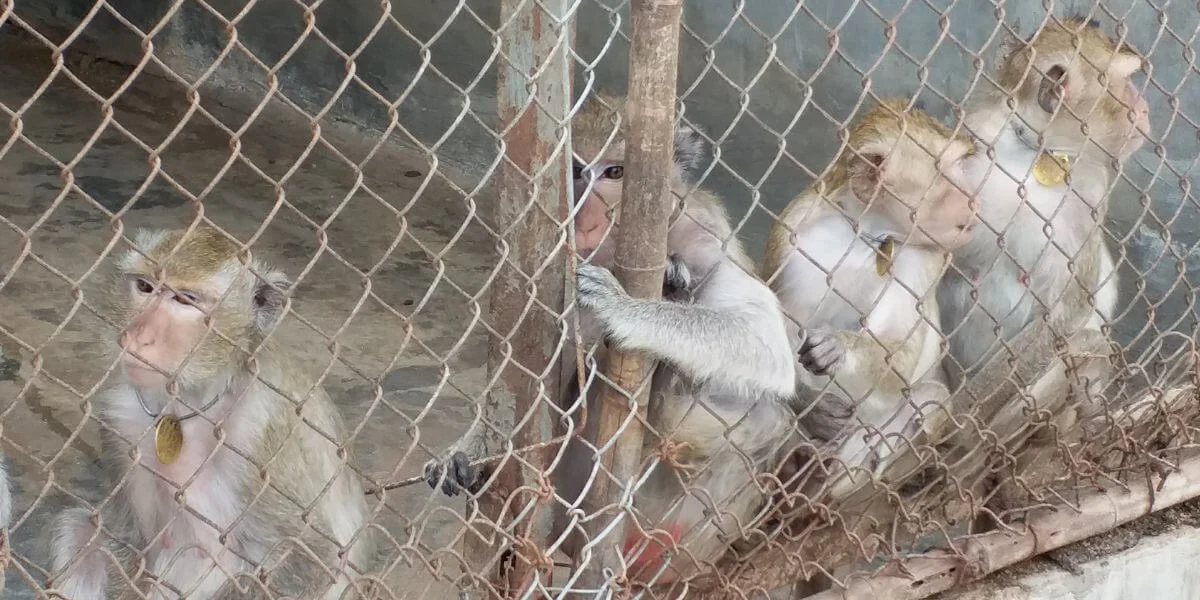
A comprehensive investigative report released on May 20, 2026, by People for the Ethical Treatment of Animals (PETA) has uncovered evidence of a persistent and often underreported health crisis within the United States primate research infrastructure. The report details the prevalence of Shigella, a highly contagious and increasingly drug-resistant pathogen, among the more than 100,000 monkeys currently housed in domestic laboratories, breeding facilities, and quarantine centers. According to the findings, the pathogen—which is spread through fecal contamination—poses a significant risk not only to the animals themselves but also to laboratory workers and the general public as infected primates are transported across state lines.
The document, which compiles years of scientific publications, internal veterinary records, and institutional documents obtained through public records requests, suggests that the U.S. monkey experimentation industry has become a reservoir for multidrug-resistant bacteria. PETA’s analysis indicates that the routine use of prophylactic antibiotics in primate colonies has inadvertently created an environment conducive to antimicrobial resistance (AMR), complicating efforts to contain outbreaks and protect human health.
The Pathological Profile of Shigella and Primate Transmission
Shigella is a genus of bacteria that causes shigellosis, an intestinal infection characterized by symptoms such as fever, nausea, vomiting, stomach cramps, and severe diarrhea that often contains blood or mucus. In both humans and non-human primates—the only natural hosts for the pathogen—the infection can escalate to life-threatening conditions if left untreated or if the strain is resistant to standard medical interventions.
The report emphasizes that the transmission of Shigella within the primate industry is facilitated by the high-density housing and frequent movement of animals. Monkeys are often transported in specialized crates via aircraft and long-haul trucks, traveling from international breeding centers to domestic quarantine facilities, and eventually to various universities and private laboratories. This "transportation pipeline" creates numerous points of potential exposure for handlers, transport workers, and the communities through which these shipments pass.
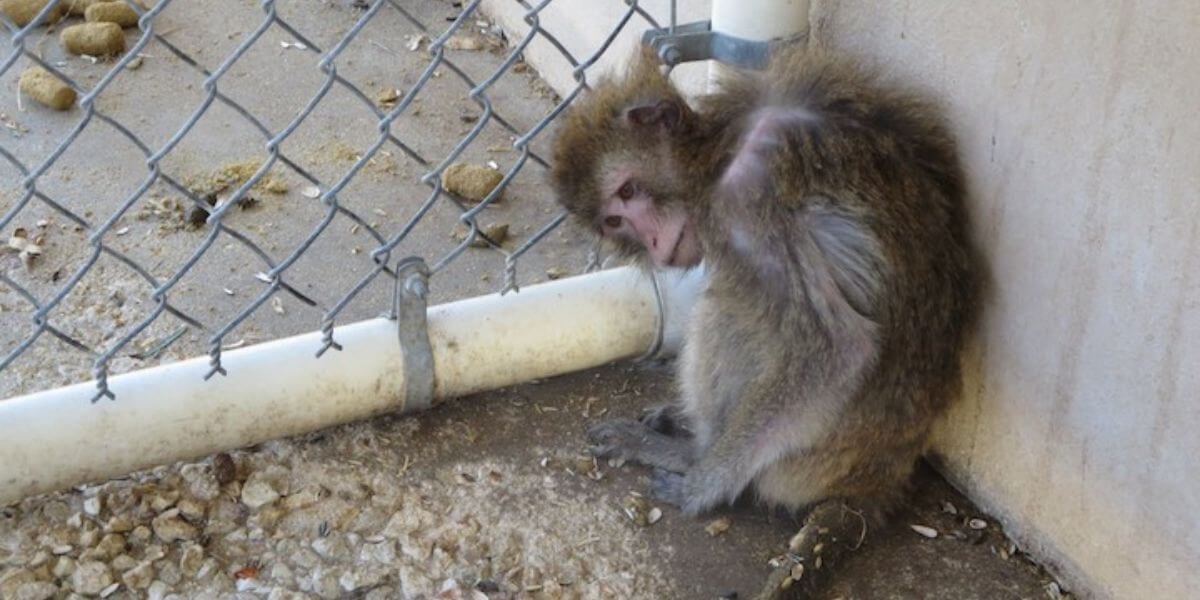
Medical experts have long warned that zoonotic diseases—those that jump from animals to humans—represent a primary threat to global biosafety. Because primates are biologically similar to humans, they are capable of carrying and transmitting a variety of pathogens that can easily adapt to human hosts. The PETA report asserts that the current oversight of these pathogens within the research industry is insufficient to prevent a localized outbreak from becoming a broader public health emergency.
Chronic Underreporting and the Rise of Superbugs
A central pillar of the PETA investigation is the allegation that Shigella outbreaks within primate facilities are systematically underreported to federal authorities. By reviewing internal safety committee minutes and veterinary logs, investigators found a disconnect between the frequency of infections observed on the ground and the data officially acknowledged by regulatory agencies.
The report highlights a troubling trend: the emergence of "superbug" strains of Shigella. In the controlled environment of a laboratory or breeding colony, veterinarians often administer antibiotics to entire groups of monkeys to prevent the spread of disease—a practice known as prophylaxis. However, this consistent exposure to antimicrobial agents provides the evolutionary pressure necessary for bacteria to develop resistance.
The Centers for Disease Control and Prevention (CDC) recently issued a high-level warning regarding the rise of extensively drug-resistant (XDR) Shigella infections in the American population. While the CDC attributed this rise to various social and environmental factors, the PETA report argues that the agency has largely ignored the role of the primate experimentation industry as a documented source of infection. PETA is now formally urging the CDC to release all pathogen surveillance data tied to primate experimentation, including specific antimicrobial resistance profiles and records of worker exposures.
Case Study: The University of Washington and the WaNPRC
The report provides a detailed case study of the University of Washington (UW), which operates the Washington National Primate Research Center (WaNPRC), one of seven such federally funded facilities in the United States. Internal documents cited in the report reveal a environment where exposure to pathogens is seemingly viewed as an occupational hazard.
During a University of Washington Safety Committee meeting, an attendee reportedly noted that "virtually everyone" working in the primate units becomes ill within their first six months of employment. The illnesses are attributed to exposure to Staphylococcus and Shigella, often transmitted through "aerosolized fecal matter" during the cleaning of cages and handling of animals.
A specific incident in September 2023 serves as a focal point for these concerns. According to records obtained by PETA, UW authorized the shipment of 68 monkeys from its breeding facility in Arizona to its main campus in Seattle. Despite a veterinary certification stating the animals showed no signs of infectious disease, 47 of the monkeys tested positive for Shigella within days of their arrival. One monkey was found dead upon arrival in Seattle. This incident underscores the fallibility of current screening processes and the speed with which contagious gastrointestinal diseases can spread through a cohort during transit.
Legislative Response: The PRIMATE Act
The findings of the report have bolstered support for new legislative measures aimed at curbing the risks associated with the primate trade. U.S. Representatives Greg Steube (R-Fla.) and Dina Titus (D-Nev.) have introduced the Preventing Risky Importation of Monkeys to Avoid Toxic Exposures (PRIMATE) Act, designated as HR 8471.
If passed, the PRIMATE Act would implement a federal ban on the importation of non-human primates for use in laboratory experimentation or by laboratory suppliers. Proponents of the bill argue that the current system of importing tens of thousands of monkeys annually from countries such as Cambodia, Mauritius, and Vietnam is inherently risky. They contend that the biological "black box" of imported animals—many of whom may carry latent pathogens—presents an unacceptable threat to national biosafety.
Representative Steube has stated that the bill is a necessary step to protect both public health and animal welfare, noting that the long-distance transport of primates is a "cruel and dangerous" practice that serves no essential purpose that cannot be met by modern, non-animal research methods. Representative Titus has echoed these sentiments, focusing on the potential for these facilities to become ground zero for the next pandemic.
Industry Implications and Future Outlook
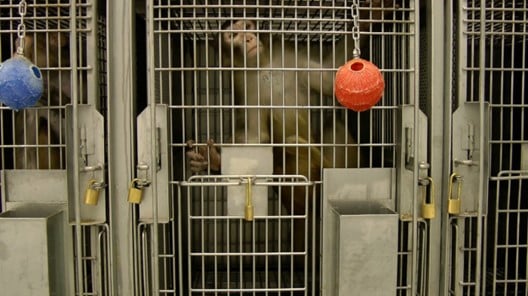
The PETA report arrives at a time of increasing scrutiny for the primate research industry. Over the last decade, several high-profile incidents involving escaped lab monkeys and worker infections have prompted calls for stricter oversight. In 2023, a truck carrying long-tailed macaques crashed in Pennsylvania, leading to a frantic search for escaped animals and exposing the risks inherent in the domestic transport of research primates.
Critics of the PETA report and the PRIMATE Act, primarily within the biomedical research community, argue that non-human primates remain essential for certain types of medical breakthroughs, including vaccine development and neurological research. They contend that existing USDA and CDC regulations are sufficient to manage biosafety risks and that a total ban on imports would cripple American scientific competitiveness.
However, the PETA report challenges this narrative by highlighting the biological instability of the current system. The data suggests that the "clean" environment of the laboratory is a misnomer, and that the presence of drug-resistant Shigella is a symptom of a deeper, systemic failure to manage the zoonotic risks of primate experimentation.
As the PRIMATE Act moves through the legislative process, the debate is expected to center on the balance between scientific advancement and public safety. The PETA report provides a significant cache of data for those arguing that the current trajectory of the primate industry is unsustainable. By documenting the prevalence of Shigella and the reality of antimicrobial resistance within these facilities, the report moves the conversation from animal ethics to a more immediate concern: the prevention of a drug-resistant epidemic originating from within the nation’s own research corridors.
The CDC has yet to issue a formal response to PETA’s demand for the release of surveillance data. However, as public awareness of antimicrobial resistance grows, the pressure on federal agencies to provide transparency regarding the health status of laboratory animal populations is likely to intensify. The findings of May 2026 may mark a turning point in how the United States regulates the intersection of primate research and public health.

