


Virginia’s diverse landscapes, from the Appalachian Mountains to the Atlantic coast, provide a sanctuary for a remarkable array of wildlife, including eight distinct species of owls. These enigmatic birds of prey, often associated with the mysteries of the night, play a crucial role in the Commonwealth’s ecosystem. While some species, such as the ubiquitous Great Horned Owl and the adaptable Barn Owl, are familiar sights and sounds across most regions, others are far more elusive, gracing the skies of Virginia only on rare occasions. Understanding these feathered predators requires a deeper dive into their habitats, behaviors, and unique adaptations.
The majority of owl species are crepuscular or nocturnal, meaning they are most active during dawn, dusk, and throughout the night. This predilection for low-light conditions, coupled with their preference for dense woodlands and secluded habitats, often means they are heard before they are seen. Their soft, silent flight, facilitated by specialized feather structures, allows them to approach unsuspecting prey undetected. However, a keen observer might occasionally glimpse an owl on the hunt just as daylight begins to fade, as some species exhibit diurnal activity, actively hunting during daylight hours. This guide aims to illuminate the lives of all eight owl species found in Virginia, offering insights into their identification, preferred habitats, and ecological significance.
The Majestic Great Horned Owl: Virginia’s Largest Raptor
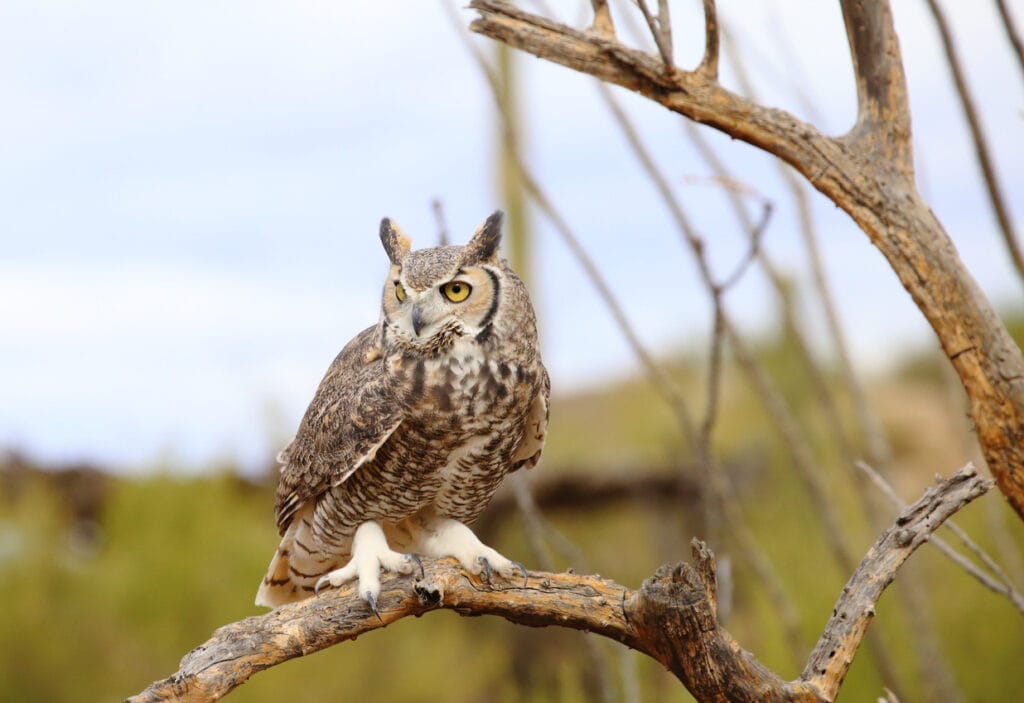
The Great Horned Owl ( Bubo virginianus ) stands as one of the most iconic and widespread owl species in North America, and Virginia is no exception. These formidable raptors are year-round residents, found in nearly every corner of the Commonwealth, from dense forests to suburban parks and even arid desert environments. Their adaptability and formidable presence have cemented their place in folklore, literature, and popular culture, often symbolizing wisdom and vigilance.
Physical Characteristics and Size: Great Horned Owls are the largest owl species in Virginia and rank as the third largest globally, surpassed only by the Eurasian Eagle-Owl and Blakiston’s Fish Owl. Adult individuals can reach impressive lengths of up to 26 inches, with a wingspan that can span over four feet. Their most distinctive features are the prominent, horn-like tufts of feathers atop their heads, which give them their name. These tufts are not true ears but are believed to play a role in communication or camouflage. Their plumage is a mottled pattern of dark browns and grays, providing excellent camouflage against tree bark. Their faces are a rich mahogany color, and their large, penetrating yellow eyes are adapted for exceptional low-light vision.
Diet and Hunting Prowess: The Great Horned Owl is an apex predator with an incredibly diverse and opportunistic diet. Their immense size, powerful talons, and aggressive nature allow them to tackle prey that would deter smaller raptors. This can include mammals ranging from mice and voles to rabbits, skunks, and even opossums. They are also capable hunters of other birds, including pigeons, ducks, geese, and even smaller raptors like falcons and ospreys. Their diet extends to reptiles, amphibians, and insects, and they will consume fish if the opportunity arises, though it is not their primary food source. This broad dietary range contributes significantly to their success in various habitats.
Behavior and Temperament: While their imposing appearance might suggest aggression, Great Horned Owls are not inherently hostile towards humans. However, they are fiercely territorial and will defend their nests and young with significant force if they perceive a threat. This defense can involve swooping attacks, hissing, and even talons striking intruders. It is crucial for observers to admire these magnificent birds from a safe distance, respecting their wild nature and ensuring their own safety.
The Elusive Eastern Screech-Owl: A Master of Camouflage
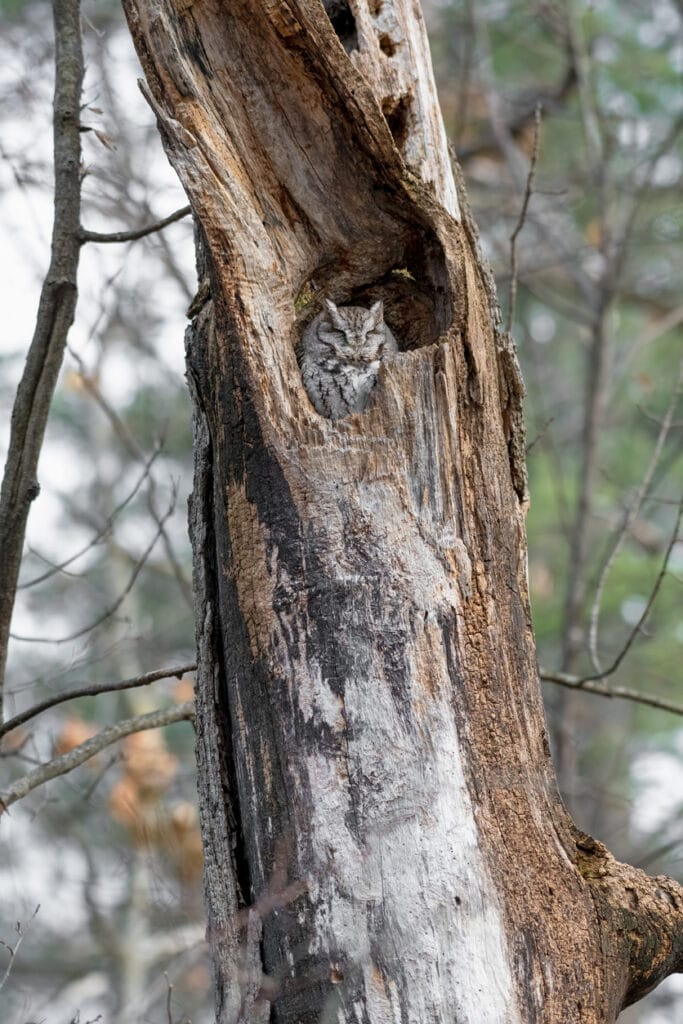
The Eastern Screech-Owl ( Megascops asio ) is another common year-round resident of Virginia, though its elusive nature and exceptional camouflage make it a challenging species to spot. These small, stocky owls are found in a wide variety of wooded habitats, from mature deciduous forests to suburban backyards, often utilizing tree cavities or nest boxes for shelter and nesting.
Distinguishing Features and Color Morphs: Eastern Screech-Owls are small, typically measuring between 6 to 10 inches in length. They possess distinctive, pointed ear tufts that can be raised or flattened depending on their mood and environment. Their tails are relatively square, and their wings are rounded. A unique characteristic of this species is its two color morphs: a gray morph and a red-brown morph. Both morphs are perfectly camouflaged within their surroundings, blending seamlessly with tree bark and foliage. Their large eyes are typically yellow.
Vocalization and Identification: The most reliable way to identify an Eastern Screech-Owl, especially in dense vegetation, is by its distinctive call. They are known for their soft, descending whinnying call and a rapid, trilling screech that gives them their name. These vocalizations are most frequently heard during the breeding season and throughout the night.
Diet and Hunting: Despite their small size, Eastern Screech-Owls are effective hunters. Their diet primarily consists of small mammals such as mice, voles, and shrews. They also consume a significant number of insects, earthworms, amphibians like frogs, and small reptiles. Occasionally, they may snatch small birds or even a fish if the opportunity presents itself. Their hunting strategy involves perching and waiting for prey to pass by, then swooping down with silent precision.
Comparison with Western Screech-Owl: While visually similar to their western counterparts, the Western Screech-Owl ( Megascops kennicottii ) is rarely found in Virginia. The Eastern Screech-Owl is significantly more common, making encounters with the Western species exceedingly rare.
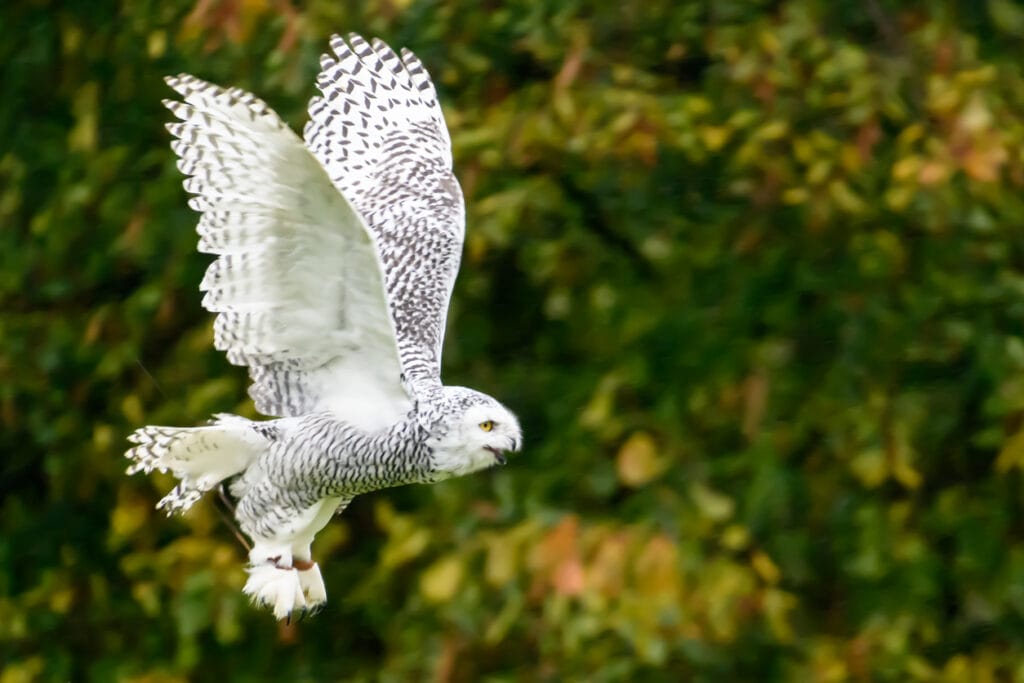
The Striking Snowy Owl: An Arctic Visitor During Irruptions
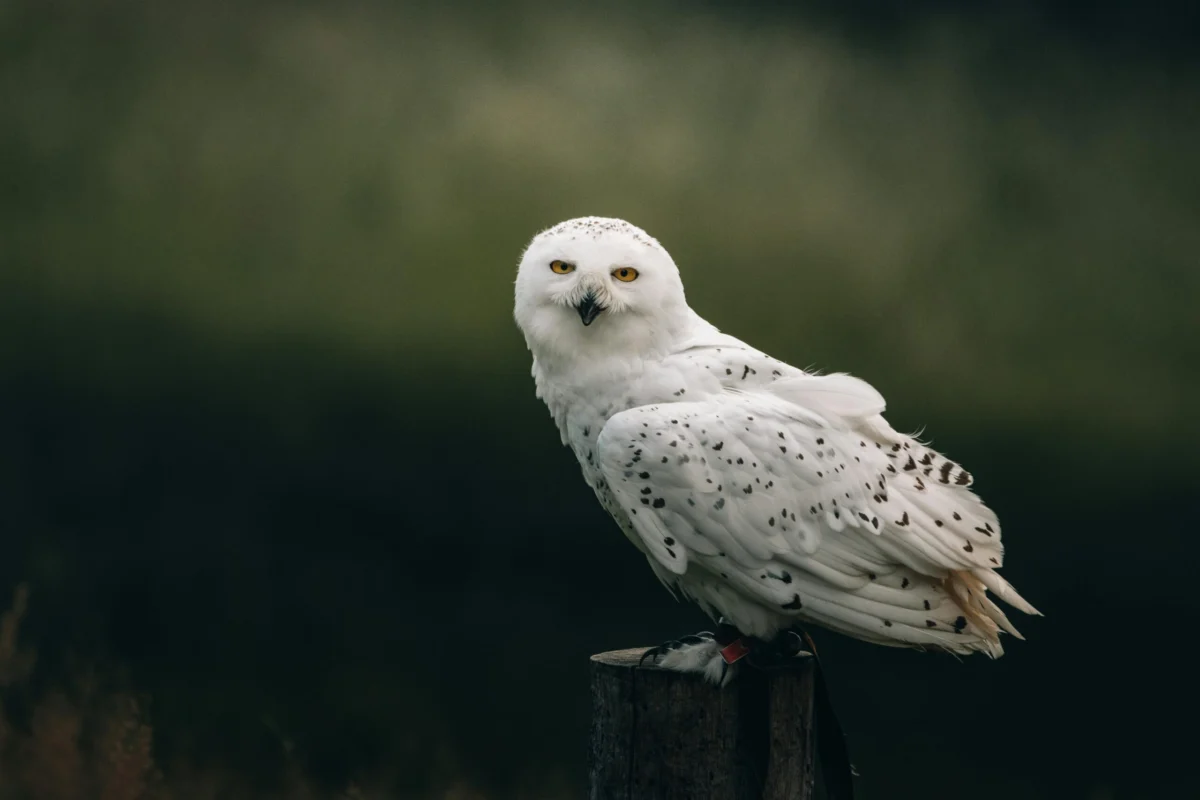
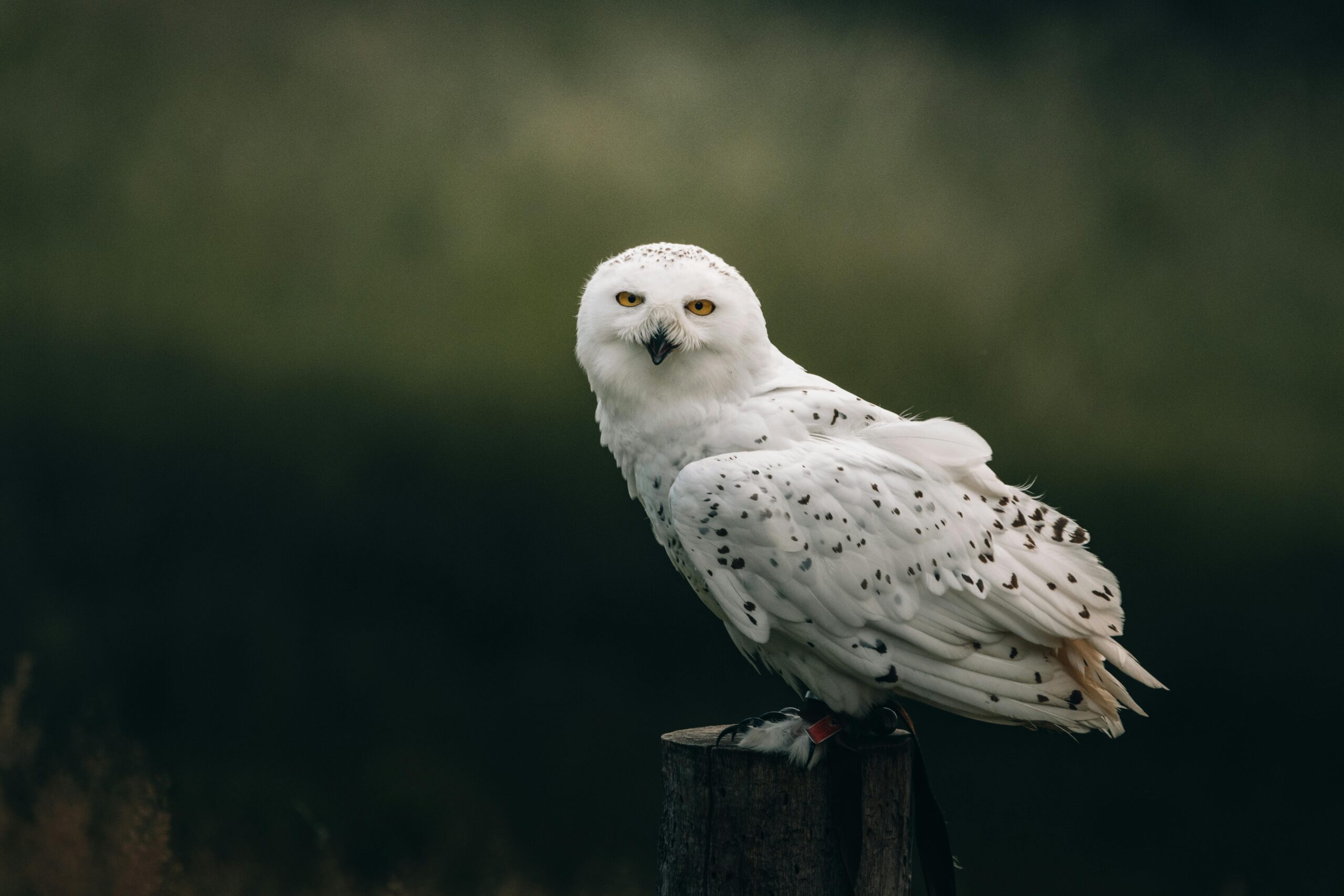
The Snowy Owl ( Bubo scandiacus ) is a truly spectacular avian species, renowned for its pristine white plumage and striking beauty. Unlike many other Virginia owl species, Snowy Owls are not permanent residents. They are native to the Arctic tundra and typically only venture into more southerly regions like Virginia during periods known as "irruptions."
Irruption Phenomenon: Snowy Owl irruptions are a fascinating natural event that occurs when populations of their primary prey, lemmings, experience a boom in the Arctic. This leads to an increase in Snowy Owl breeding success and, subsequently, a larger number of young owls that disperse southward in search of food and territory. These irruptions are unpredictable and can occur every few years, with the last significant one in Virginia documented around 2015. During these events, dozens of Snowy Owls have been observed in areas like the Eastern Shore, often unfazed by human presence.
Physical Characteristics: Snowy Owls are large, powerful owls, comparable in size to Great Horned Owls, with some individuals reaching up to 28 inches in length and a wingspan of over four feet. Their plumage is predominantly pure white, especially in adult males, though females and younger birds may exhibit dark barring or spots. Their eyes are a striking yellow, and they possess dense feathering that provides insulation against extreme cold.
Behavior and Defense: Snowy Owls are known for their boldness and defensive nature, especially when protecting their nests. They have been observed fearlessly attacking predators, including arctic foxes and even wolves, that venture too close to their nesting sites. During non-breeding seasons, they are generally silent. However, males in breeding condition produce a deep, resonant "hoo, hoo" call to mark their territory, while females emit a higher-pitched call when necessary.
Diet: In their Arctic habitat, Snowy Owls primarily feed on lemmings and other small rodents. During irruptions in Virginia, their diet may shift to include local rodents, rabbits, and occasionally birds.
The Subtle Long-eared Owl: A Winter Visitor in Specific Habitats
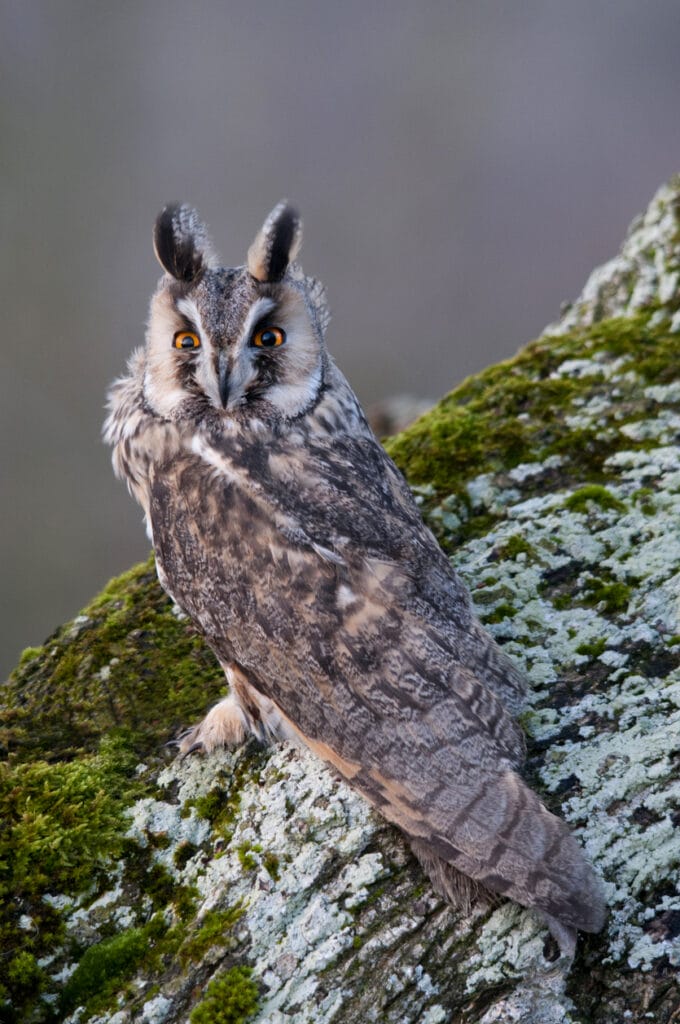
The Long-eared Owl ( Asio otus ) is a species that frequents Virginia, primarily during the winter months, and is characterized by its remarkably long, prominent ear tufts. These tufts are often mistaken for ears but are, in fact, specialized feathers that help with camouflage and communication.
Identification and Misconceptions: Their long ear tufts can lead to confusion with the Great Horned Owl, but Long-eared Owls are significantly smaller and more slender. They are sometimes referred to as "Lesser Horned Owls" due to this visual similarity. Beyond their tufts, they possess dark, intricately patterned plumage, striking pumpkin-colored facial discs that funnel sound towards their ears, and large, dark eyes.
Habitat and Distribution: Long-eared Owls are uncommon in Virginia and are most likely to be found in the northern parts of the state during winter. They prefer open, densely vegetated areas such as shrublands, grasslands, orchards, and farmlands. They often roost in dense thickets or on top of tall trees, where their cryptic coloration allows them to blend seamlessly with their surroundings.
Vocalization: Despite their relatively rare presence in Virginia, Long-eared Owls are considered one of the more vocal owl species. They produce a wide repertoire of sounds, including squeals, hoots, whines, and barks. The vocalizations of males can be surprisingly loud and can be heard from a considerable distance, particularly during the breeding season as they establish territories.
Diet: Their diet consists mainly of small rodents, such as voles and mice, along with insects and occasionally small birds.
The Wide-Ranging Short-eared Owl: A Diurnal Hunter of Open Fields
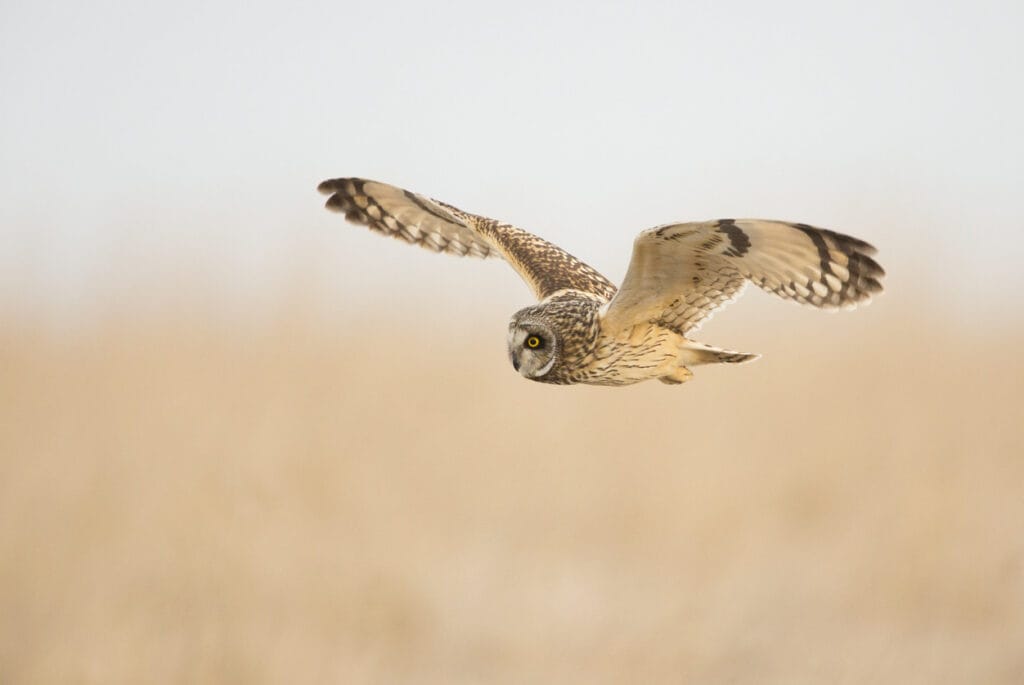
The Short-eared Owl ( Asio flammeus ) is a globally distributed species that, despite its rarity in some regions, boasts an impressively extensive range within Virginia. These owls are often found in open habitats such as grasslands, farmlands, marshes, and coastal dunes, where they perch on low tree limbs or the ground.
Nesting Habits: A distinctive feature of the Short-eared Owl is its ground-nesting behavior. Females construct a shallow scrape on the ground, lining it with soft materials like grass, herb stalks, and feathers plucked from their own breasts if animal feathers are unavailable. Breeding typically occurs from March through June.
Diurnal Activity: Similar to the Barred Owl, the Short-eared Owl is diurnal, meaning it hunts both during the day and at night. This behavior makes them more visible than many other owl species, often seen actively hunting by day, chasing prey close to the ground and swooping down from above.
Physical Characteristics and Plumage: The Short-eared Owl’s plumage is often described as "flame-colored" due to its warm, mottled brown and buff coloration, which gives rise to its scientific name, Asio flammeus. They possess short ear tufts that usually lie flat against their round heads but can be erected when the owl is alarmed or attempting to intimidate a rival. Their large eyes are typically dark.
Vocalization and Diet: While generally quiet, Short-eared Owls can produce calls that resemble the sounds of small cats or dogs, particularly when seeking a mate. Their diet is opportunistic, primarily consisting of small mammals like voles, lemmings, mice, and pocket gophers. They also consume small birds and insects.
The Ghostly Barn Owl: An Iconic Hunter of Nocturnal Rodents
The Barn Owl ( Tyto alba ) is one of Virginia’s most recognizable and beloved year-round residents. Often described as having a "ghostly" appearance, this species is distinguished by its unique heart-shaped facial disc, pale underparts, and mottled tawny-gray upperparts. Their large, dark eyes contribute to their striking, almost ethereal, presence.
Physical Appearance and Nicknames: The Barn Owl’s distinctive facial disc acts like a parabolic dish, funneling sound towards its asymmetrical ears, aiding in its exceptional hearing and ability to locate prey in complete darkness. Their appearance has earned them a variety of nicknames, some more benign than others, including Monkey Owl, Demon Owl, and Ghost Owl, reflecting the awe and sometimes fear they inspire. However, many observers find their unique features to be remarkably beautiful and elegant.
Habitat and Roosting Behavior: Barn Owls are highly adaptable and can be found in a wide range of habitats, including open country, farmlands, grasslands, and woodlands. While they nest throughout the year in Virginia, their primary breeding season is from February to June. During colder months, they seek shelter in dense evergreens, warm straw bales, abandoned buildings, church steeples, and even cliffs. They do not build nests but rather seek out suitable concave surfaces or ledges for egg-laying.
Diet and Hunting: The diet of the Barn Owl is heavily dominated by small rodents, particularly cotton rats, house rats, and young rabbits, which can comprise up to 95% of their food intake. They are highly effective nocturnal hunters, silently gliding over open fields and meadows in search of their prey.
Temperament: Despite their imposing appearance, Barn Owls are generally docile creatures. They rarely attack humans and will typically flee from larger predators rather than confront them. However, like all wild animals, they will defend themselves if cornered or threatened.
The Tiny Northern Saw-whet Owl: A Miniature Marvel
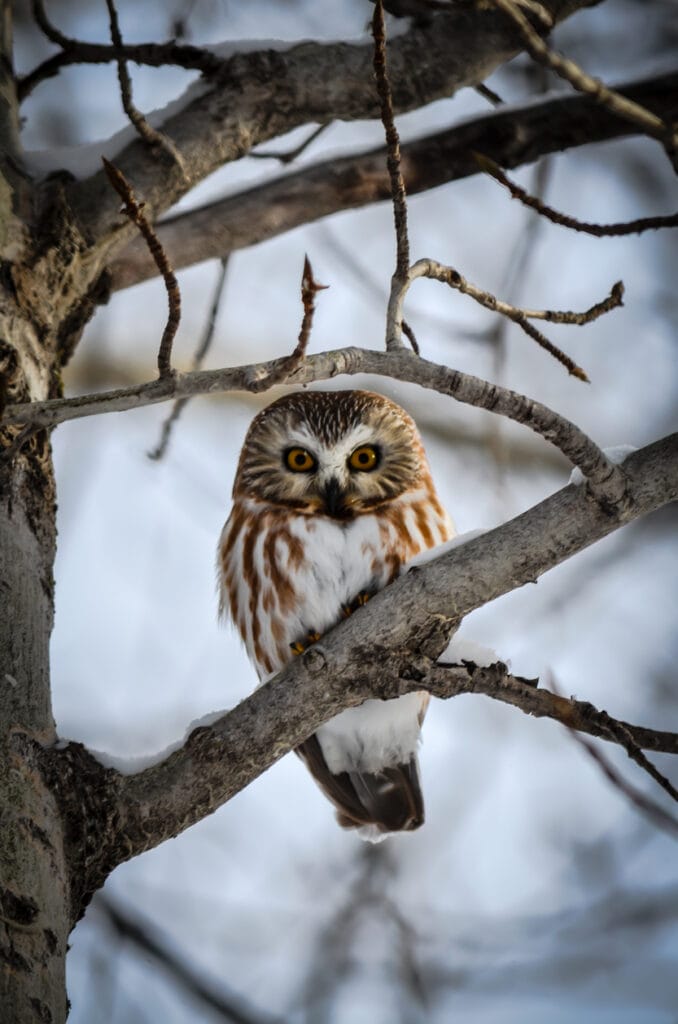
The Northern Saw-whet Owl ( Aegolius acadicus ) is one of the smallest owl species found in Virginia, typically measuring less than 10 inches in height. These miniature marvels are characterized by their oversized heads, fluffy bodies, and large, cat-like yellow eyes. Their heart-shaped faces add to their undeniable charm, making them a candidate for the "cutest owl" title.
Vocalization and Name Origin: Despite their adorable appearance, their warning calls are anything but. When startled or during mating season, they produce a distinctive, repetitive call that sounds remarkably like the sharpening of a saw, hence their name. These calls are usually only made when the owl feels threatened or is engaged in courtship.
Habitat and Elusiveness: In Virginia, Northern Saw-whet Owls are primarily non-breeding visitors. Their diminutive size and exceptional camouflage make them incredibly difficult to locate, even for experienced ornithologists. They favor oak woodlands, coniferous forests, and streamside woodlands. Their ability to remain motionless and blend into their surroundings is a key survival strategy.

Diet: Due to their small size, Northern Saw-whet Owls are limited to preying on small animals. Their diet consists mainly of small rodents such as mice and voles, as well as insects and tiny birds.
The Vocal Barred Owl: A Diurnal Denizen of Diverse Habitats
The Barred Owl ( Strix varia ) is a widely distributed and easily recognizable owl species in Virginia, found in a variety of habitats including evergreen forests, swamps, and uplands. They are most famous for their distinctive "who cooks for you? who cooks for you all?" call, a series of hoots that echoes through the woods.
Diurnal Activity and Visibility: A key characteristic that sets the Barred Owl apart from many other owl species is its diurnal nature. They are active hunters both day and night, which, combined with their tendency to inhabit more open areas, makes them the most easily spotted owl in Virginia.
Physical Characteristics and Territoriality: Barred Owls possess large, round eyes, fluffy, heart-shaped faces, and distinctive "barred" feather patterns across their plumage. They have short tails and stocky bodies. These owls are known for their strong territorial instincts, especially during the nesting season. While generally considered one of the friendlier owl species, they will vigorously defend their territory by hooting loudly and can even strike intruders with their sharp talons. Unlike many migratory birds, Barred Owls do not typically travel far from their established home ranges, meaning a familiar individual might be found in the same location months or even years later.
Diet and Hunting: Their diet is varied and includes small mammals like mice, rats, and squirrels, as well as snakes and other invertebrates. They are also known to hunt fish from lakes and swamps, showcasing their adaptability as predators.
Final Thoughts on Virginia’s Owl Diversity
Virginia is a state rich in biodiversity, and its owl populations are a testament to this. The presence of eight distinct species, each with unique adaptations and ecological roles, offers remarkable opportunities for observation and appreciation. From the formidable Great Horned Owl to the diminutive Northern Saw-whet, these avian predators contribute significantly to the health and balance of Virginia’s ecosystems. Understanding their preferred habitats, behaviors, and the best times to potentially observe them is crucial for responsible wildlife viewing. When encountering any of these magnificent creatures, it is imperative to maintain a respectful distance, ensuring both the safety of the observer and the well-being of the owl.
Frequently Asked Questions About Virginia’s Owls
What is the most common owl species in Virginia?
The Great Horned Owl and the Barn Owl are generally considered the most common and widespread owl species found throughout Virginia, being year-round residents in most regions.
Where can I find more information on recent owl sightings in Virginia?
For up-to-date information on owl sightings and distribution in Virginia, resources like eBird are invaluable. This platform allows users to search for recent sightings of specific species, view checklists from particular locations, and track bird populations over time. Local nature centers, wildlife refuges, and state wildlife agencies can also provide valuable insights into owl activity in specific areas.

