


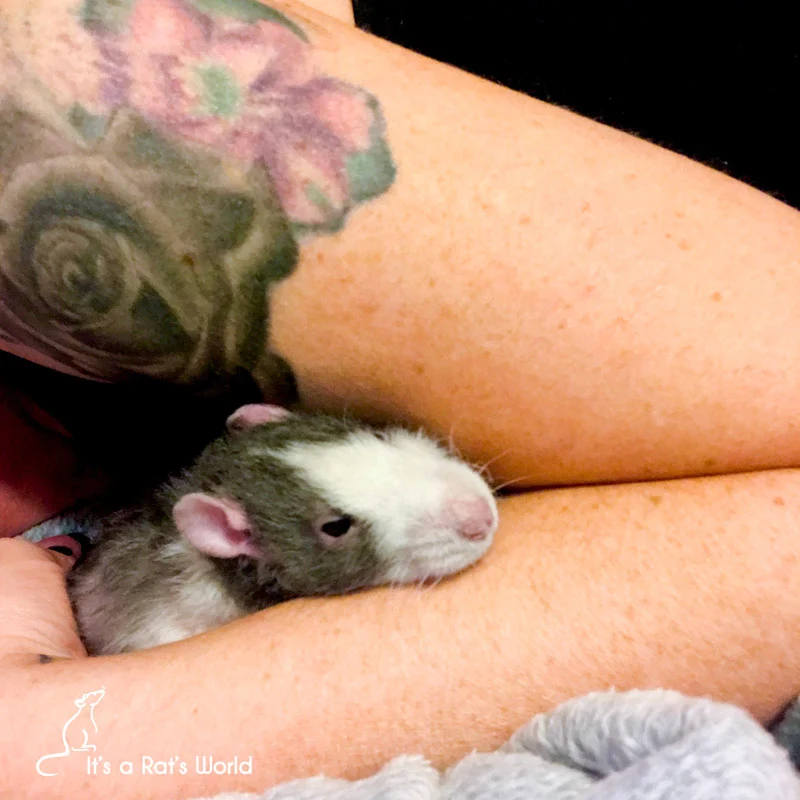
The absence of rats in one’s life can be a profound void, a feeling of missing a unique and deeply personal connection. This sentiment is echoed by Brandi Saxton of "It’s A Rat’s World," who describes the current "ratless" period of her life as torturous, a stark contrast to a lifetime previously defined by the companionship of these often-misunderstood creatures. While other pets like dogs and cats may inhabit her home, Saxton emphasizes that these relationships, while cherished, do not replicate the distinct emotional resonance she experienced with rats. This article delves into the intricacies of human-rat companionship, exploring the journey of building trust and fostering a deep bond, even with the most timid of animals.
The Unique Appeal of Rat Companionship
Before rats became a central part of her identity, Saxton shared close relationships with various animals. However, she posits that no other species has filled her heart quite like rats, with ferrets being a notable second. The appeal lies not in grand gestures, but in the accumulation of everyday moments. These include shared quietude on the couch during movie nights, the gentle "rattie kisses," and the intimate grooming sessions on Saxton’s hands. She fondly recalls the enthusiastic greetings at the cage door, the playful jostling for attention and head scratches, and the contented sprawl of rats in her lap or beside her as she worked. These seemingly small interactions created a private world of affection, a space where she was unequivocally their "favorite human," free from competition for their regard.
Navigating the Early Stages: Trust as the Foundation for Bonding
For individuals new to rat ownership or contemplating bringing rats into their lives, the aspiration is often to achieve this profound level of closeness. Saxton stresses that this deep connection is the only way to truly experience these animals in their entirety. However, the path to such a bond is not always linear. Some new owners find themselves struggling to connect, particularly when their rats exhibit skittishness or aloofness, displaying little interest in interaction. The question then arises: is a strong bond with such rats a lost cause?
The answer, according to Saxton, is a resounding "no." The key lies in adopting a different approach. New owners can sometimes feel overwhelmed by timid or jumpy rats, often leading to a fear of being bitten. Saxton explains that most rats require time to acclimate to their new surroundings. Those with a history of trauma may necessitate even greater patience and dedicated effort to settle in. A lack of understanding on how to facilitate this adjustment can, unfortunately, exacerbate a rat’s withdrawn and fearful behavior. Saxton’s article, "Helping A Scared Pet Rat," offers guidance on understanding rat expressions of fear, identifying potential causes, and systematically earning their trust.

Distinguishing Trust from True Bonding
It is crucial to differentiate between earning a rat’s trust and forging a deep bond. While trust is a prerequisite for bonding, they are not synonymous. For a rat, trusting its human signifies a belief that the human does not pose a threat. In contrast, a bond implies a mutual desire for companionship, a more profound and reciprocal connection.
A rat’s individual personality and past experiences significantly influence the development of this connection. When a rat feels unsettled or operates in a state of self-preservation, its primary focus remains on safety, making it challenging to form a loving attachment. However, as the rat begins to feel comfortable and at ease, it starts to recognize the value of time spent with its human.
Understanding the Spectrum of Rat Personalities
Rats, much like humans, exhibit a diverse range of personalities. Saxton categorizes them broadly:
-
Extroverted Rats: These brave and outgoing rats are generally the easiest to bond with. They readily adapt to new environments and people, even from a young age. Saxton notes that in her own experience with multiple rats, there was always at least one extrovert who displayed immediate faith, often demanding to be held and exploring her person within moments of meeting. It felt as though they trusted her instinctively, even before she had earned it.
-
Apprehensive Rats: At the other end of the spectrum are rats so fearful or apprehensive that they perceive humans, including their owners, as predators. With these individuals, the initial barrier of fear must be overcome before any deeper connection can be established. While some may never fully shed their sense of danger, achieving a state where they recognize and accept their owner as a caregiver is a monumental accomplishment. The depth of the subsequent relationship is then contingent on the rat’s willingness and the owner’s continued investment of time and effort.

-
The Middle Ground: The majority of rats fall somewhere between these two extremes. They might appear nervous initially, but with consistent daily interaction, they typically begin to feel safe and secure.
The Indispensable Role of Quality Time
The cornerstone of building a meaningful relationship with any pet, including rats, is consistent and dedicated time spent together. Saxton emphasizes the necessity of being a constant presence, talking to them, petting them, holding them, and playing with them. This sustained interaction is the only pathway to a genuine connection and allows owners to discover their rat’s unique characteristics.
Integrating rats into the human’s primary living space can be highly beneficial. Simply being in proximity, hearing their owner’s voice, and sensing their presence helps the rats incorporate their human into their daily lives and routines.
Furthermore, allowing rats out of their cages for at least one to two hours daily is crucial. Beyond the need for exercise and freedom to move, this time is essential for quality interaction. Whether spent on a couch, a bed, or in a rat-proofed room, this dedicated time allows for concentrated cuddling and bonding. Engaging in activities like watching a movie, reading a book, or listening to music together provides a relaxed environment for connection. Understanding a rat’s preferred methods of being held and petted, and identifying their favorite spots for attention, further deepens the bond.
Specialized tools like bonding pouches and rat-sized blankets can be particularly helpful for skittish rats. These items cater to a rat’s natural instinct to burrow, providing a sense of security while allowing them to remain close to their owner. This proximity can foster a feeling of safety and encourage snuggling.

Regularly speaking to rats while they are in their cages is also a valuable practice. It familiarizes them with their owner’s voice, allowing them to remain in their comfort zone. This approach avoids the potential fear associated with being constantly removed from their cage. Importantly, the act of petting an animal has been scientifically shown to release stress-relieving brain chemicals, endorphins, in both the pet and the human. Therefore, gently stroking a rat’s back or head while conversing with them can initiate this mutually beneficial biochemical response.
For those who find direct interaction challenging or whose rats remain resistant to attention, Saxton recommends her article, "Honoring Your Rat’s Personal Space." This resource highlights that each rat possesses unique boundaries, and respecting these personal limits is paramount to successful bonding.
Harnessing the Power of Food and Treats
Food serves as one of the most effective tools for trust training and fostering bonds. Saxton humorously admits that the enthusiastic "happy dances" her rats performed upon her approach might have been as much about anticipated treats as about her presence. Regardless of the primary motivator, their excitement was consistently entertaining.
Making mealtimes a significant event helps rats quickly associate their owner with the provision of food, thus earning their favor. Selecting a healthy treat that a rat particularly enjoys and consistently announcing its arrival with a specific phrase or tone can train the rats to associate this cue with positive feelings.
Saxton’s personal cue was, "Treats, Treats, Treats!" delivered with an escalating pitch. This call was so effective that it could rouse even the deepest sleepers, prompting them to rush to the cage door, often pushing or stepping over cagemates in their eagerness. Even standoffish rats, who disliked being held, would happily accept the offerings. Witnessing her nervous or introverted rats participate in this excited rush signaled significant progress in her bonding efforts.

Elevating the Rat-Human Friendship
For those seeking to deepen their connection with their rats, teaching tricks or creating mazes offers an engaging avenue. While Saxton admits limited personal experience in this area, she points to the wealth of online resources available. These activities provide a unique way to interact with rats and explore their personalities in novel ways.
Similarly, traveling with rats can foster a stronger bond. Saxton recounts how road trips invariably resulted in more cuddly rats, even those who were typically nervous. The experience of being outside their usual environment seemed to reinforce their trust in her.
Setting Realistic Expectations for Rat Companionship
The nature of the bond forged with each rat is distinct. Some connections develop effortlessly, while others may feel like an uphill battle at times. Regardless of a rat’s inherent disposition, maintaining a thriving relationship requires continuous effort from the owner. It is essential to avoid comparing one’s rats to those depicted on social media and to refrain from discouragement if a rat is less responsive. Each rat is an individual with its own unique temperament.
Saxton’s own experiences with her rats spanned a wide spectrum, from "soulmate status" to a more pragmatic "you’re the human I dislike the least, so I’m willing to tolerate you." Even the latter, she notes, felt special, acknowledging the hurdles overcome to achieve that level of acceptance. The honor of a frightened rat finally lowering its guard and embracing one’s presence in its life is profound.
Ultimately, every rat is worthy of the endeavor. When their lives conclude, it is the shared bond and the special moments born from it that endure, forever imprinted on the heart. The human-rat relationship, when nurtured with patience, understanding, and consistent effort, offers a unique and deeply rewarding form of companionship.

