


Every April 22 since 1970, people across every continent come together to honor an essential part of our shared lives—planet Earth. This annual observance transcends cultural and political divides, serving as a powerful reminder of humanity’s collective responsibility to protect the environment. Fortunately, we are not alone in this vital endeavor; countless fascinating and beautiful animals play crucial roles in maintaining the planet’s intricate health. In honor of Earth Day, attention is often drawn to these unsung environmental heroes, particularly a diverse array of birds that perform remarkable services for the world around us. Their ecological contributions, often overlooked, are fundamental to biodiversity, ecosystem stability, and even human well-being.
The Genesis of Earth Day: A Global Movement for Our Planet
The concept of Earth Day was born from a growing environmental consciousness in the United States during the late 1960s. Inspired by the anti-war movement, Senator Gaylord Nelson of Wisconsin envisioned a national teach-in on the environment, aiming to infuse the energy of student anti-war protests with an emerging public concern about air and water pollution. Nelson, along with co-organizer Denis Hayes, successfully rallied millions of Americans, leading to the inaugural Earth Day on April 22, 1970. This monumental event saw an estimated 20 million Americans—roughly 10% of the U.S. population at the time—participate in rallies, clean-ups, and educational programs nationwide. It marked a pivotal moment, fundamentally shifting environmental issues into the national political agenda and contributing to the establishment of the U.S. Environmental Protection Agency (EPA) and the passage of landmark environmental laws like the Clean Air Act, the Clean Water Act, and the Endangered Species Act.
By 1990, Earth Day had expanded into a global phenomenon, mobilizing 200 million people in 141 countries and solidifying its status as the world’s largest secular observance. This international expansion brought global environmental issues, such as climate change and deforestation, to the forefront of public discourse. Subsequent Earth Day themes have consistently reflected evolving environmental challenges, from promoting sustainable energy in the 2000s to advocating for climate action and biodiversity protection in recent years. Each year, it serves as a powerful reminder of the urgent need for environmental stewardship and highlights the interconnectedness of all life on Earth.
Avian Architects of Ecosystems: Unsung Heroes of Earth’s Health
While the grand scale of Earth Day often focuses on policy and large-scale conservation, it is also an opportunity to appreciate the nuanced contributions of individual species. Birds, with their incredible diversity in form, function, and habitat, are particularly adept at shaping and sustaining ecosystems. Their roles extend far beyond aesthetic appeal, encompassing vital services that underpin ecological stability and resilience.
Hummingbirds: Micro-Pollinators with Macro Impact
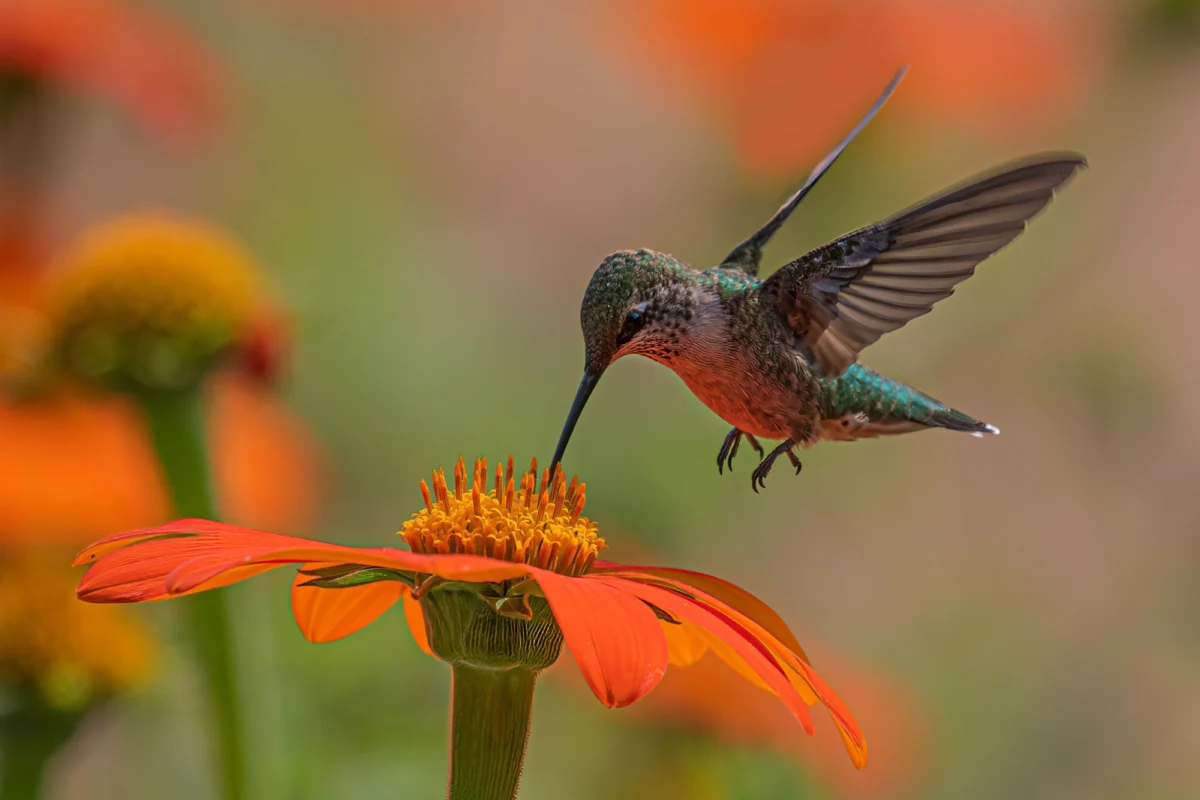
Hummingbirds, despite their diminutive size and seemingly delicate appearance, possess an ecological impact that is undeniably mighty. These specialized nectar feeders play a critical, often irreplaceable, role in pollination across the Americas, where they are exclusively found. As they flit with astounding agility from flower to flower, their long, slender bills and tongues are perfectly adapted to access nectar deep within blossoms. In doing so, they inadvertently transfer pollen between flowers, a process essential for plant reproduction.
This role is particularly crucial in environments where other primary pollinators, such as bees and butterflies, may be less abundant or struggle to survive due to specific environmental conditions or habitat degradation. Hummingbirds, with their rapid metabolism requiring frequent feeding, are highly efficient in this regard. Their close, co-evolved relationships with specific plants—many of which have tubular flowers perfectly shaped for a hummingbird’s bill—promote remarkable biodiversity and support entire ecosystems. For instance, many tropical plant species rely almost entirely on hummingbirds for their reproductive success. Without these tiny aviators, numerous flowering plants would face significant reproductive challenges, leading to cascading effects throughout their respective food webs.
Beyond their direct role in plant propagation, hummingbirds also act as highly sensitive bio-indicators of environmental change. Their reliance on specific floral resources and pristine habitats makes them particularly vulnerable to climate disruption, habitat loss, and pesticide use. A decline in hummingbird populations or shifts in their migratory patterns can signal broader ecological imbalances, alerting scientists to potential threats to ecosystem health long before more widespread impacts become evident. Conservation organizations frequently monitor hummingbird populations as an early warning system for environmental degradation. A comprehensive exploration of their impact, such as the insights offered in this One Earth blog, underscores the disproportionately significant influence these small birds wield over their environments. Protecting hummingbird habitats, therefore, is not merely about preserving a beautiful species but about safeguarding the intricate web of life they support.
Vultures: The Indispensable Sanitation Squad
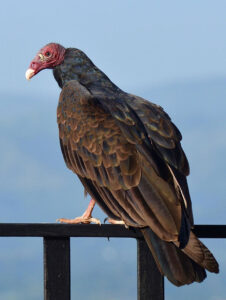
Another planet superhero, often misunderstood and maligned due to their dietary habits, is the vulture. These purposely bald and large birds, frequently observed circling high in the sky, perform an absolutely essential ecological service that most humans would undoubtedly recoil from: the efficient disposal of carcasses. Vultures are Earth’s ultimate cleanup crew, consuming dead animals before they can decompose and become breeding grounds for disease.
Their specialized physiology is key to this role. Vultures are blessed with highly acidic digestive systems, capable of neutralizing dangerous pathogens that would be lethal to other scavengers or humans, such as anthrax, cholera, rabies, and botulism. By consuming infected carcasses, they effectively sterilize the environment, preventing the spread of these diseases to other wildlife, livestock, and even human populations. The lack of feathers on their heads and necks is a practical adaptation, preventing blood and bacteria from sticking to them while feeding deep inside carcasses, thus minimizing the risk of infection.
The critical importance of vultures became tragically evident in South Asia during the 1990s and early 2000s. The widespread use of diclofenac, an anti-inflammatory drug administered to livestock, caused a catastrophic decline in vulture populations across India, Pakistan, and Nepal. Vultures that fed on the carcasses of treated animals suffered kidney failure and died. This dramatic decline led to an explosion in feral dog populations, which took over the scavenging role. The increase in feral dogs, in turn, correlated with a significant rise in rabies cases, posing a severe public health crisis and demonstrating the profound ecological and public health consequences of losing these "environmental influencers," as highlighted by the World Wildlife Fund. Global conservation efforts, including the banning of diclofenac in veterinary medicine and the establishment of vulture safe zones and breeding programs, are now underway to reverse these declines, underscoring the urgency of protecting these vital members of Earth’s sanitation crew.
Seabirds: Vital Vectors Linking Marine and Terrestrial Worlds
Birds, with their inherent gift of flight, are unparalleled connectors of disparate ecosystems, particularly linking vast marine environments with isolated terrestrial landmasses. Seabirds, in particular, serve as crucial biological conveyors, transporting vital nutrients from the ocean to land through their droppings, known as guano. This process enriches the soil on islands and coastal areas, significantly boosting plant growth and overall ecosystem productivity.
The nutrient transfer is substantial. Seabirds forage over nutrient-rich ocean waters, consuming fish and invertebrates, and then return to their nesting colonies on islands or coastal cliffs to roost and breed. Their guano, rich in nitrogen, phosphorus, and other essential minerals, acts as a powerful natural fertilizer. Research consistently shows that areas with active seabird colonies exhibit healthier, more robust vegetation compared to areas lacking these avian influences. This nutrient influx supports a denser and more diverse plant community, which in turn provides food and habitat for a wider array of insects, small mammals, and other birds. This enhanced vegetation helps stabilize habitats, prevent erosion, and ultimately benefits the entire island ecosystem, from the soil microbes to apex predators.
The implications of seabird populations are profound for island biodiversity and resilience. By bridging marine and terrestrial systems, these birds help maintain the productivity and ecological integrity of what are often fragile and isolated environments. However, seabirds face numerous threats, including plastic pollution, overfishing that depletes their food sources, invasive species on nesting islands, and the pervasive impacts of climate change on ocean currents and temperatures. A decline in seabird populations can thus disrupt this critical nutrient cycling, leading to impoverished island soils, reduced plant growth, and a ripple effect across the entire ecosystem. Studies, such as those presented by the American Bird Conservancy, consistently support the understanding that birds directly benefit ocean and island health, underscoring the importance of their conservation for the health of both marine and terrestrial realms.
Parrots: The Forest’s Master Gardeners and Seed Dispersers
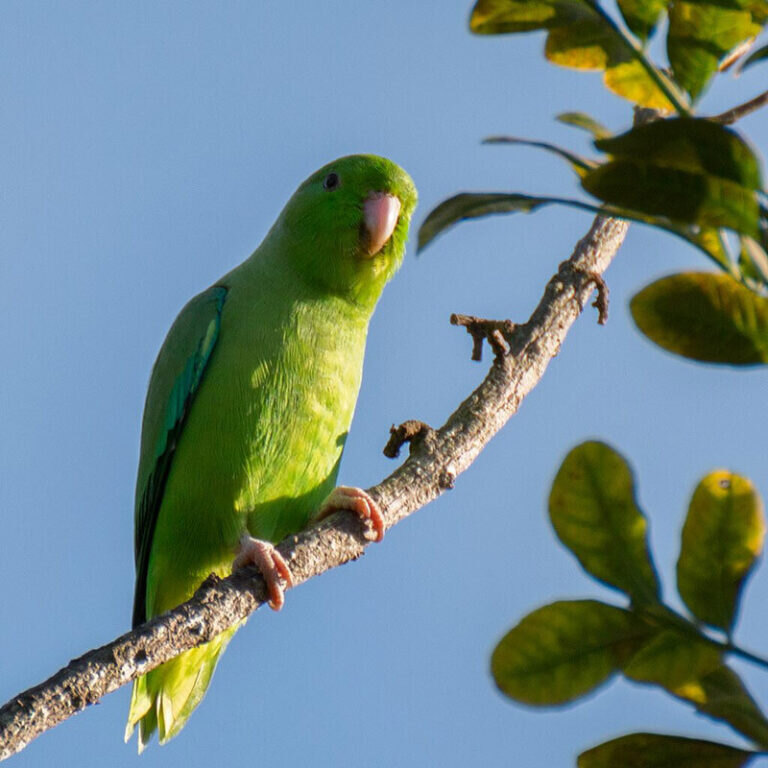
Let’s not overlook the vibrant and intelligent parrots in the vital conversation about helping the planet. Research consistently shows that parrots act as "multilinkers" in ecosystems, performing a suite of essential services that contribute significantly to forest health and regeneration. Their roles extend beyond their charismatic appeal, establishing them as key players in maintaining biodiversity.
One of their primary ecological contributions is seed dispersal. Parrots consume a wide variety of fruits and nuts, and as they fly across landscapes, they either drop seeds directly after consumption or pass them through their digestive tracts, depositing them in new locations through their droppings. This long-distance seed dispersal is critical for the genetic diversity of plant populations and for the regeneration of forests, particularly after disturbances. By moving seeds away from the parent plant, parrots reduce competition and allow seedlings a better chance of survival, effectively acting as the forest’s gardeners.
Beyond seed dispersal, many parrot species also contribute to pollination. While not as specialized as hummingbirds, some parrots visit flowers to feed on nectar or pollen, inadvertently transferring pollen between blossoms. Furthermore, parrots play a role in pest control. While often perceived solely as herbivores, many wild parrot species supplement their diet with insects and larvae, particularly during breeding seasons or when protein needs are high. By feeding on these insects, they help control plant pest populations, contributing to the overall health and vigor of forest ecosystems.
The movement of parrots across landscapes facilitates the transfer of energy and nutrients between different parts of an ecosystem, supporting diverse plant life cycles and fostering biodiversity. Their intelligence and complex social structures also make them indicators of forest health; thriving parrot populations often signify a rich and functional ecosystem. However, parrots face severe threats, including habitat loss due to deforestation, the illegal pet trade, and climate change, which fragments their habitats and disrupts food sources. Protecting these "forest gardeners" is therefore paramount for the health and resilience of tropical and subtropical forests worldwide, as highlighted by in-depth studies on their profound impact on ecosystem dynamics.
The Broader Implications: A Call for Avian Conservation
The collective contributions of hummingbirds, vultures, seabirds, and parrots vividly illustrate that birds are far more than just beautiful creatures to admire; they are indispensable architects of Earth’s ecosystems. Their diverse roles—from precise pollination and critical waste management to vital nutrient cycling and comprehensive forest regeneration—underscore the intricate interconnectedness of all life forms. A decline in any of these avian populations has ripple effects that can destabilize entire ecosystems, leading to diminished biodiversity, increased disease risks, and compromised ecological services essential for human survival.
Globally, bird populations are facing unprecedented declines, driven primarily by habitat loss and degradation, climate change, pesticide use, and pollution. Reports from organizations like BirdLife International and the National Audubon Society consistently highlight the urgent need for comprehensive conservation strategies. These strategies include safeguarding critical habitats, reducing pesticide use, mitigating climate change impacts, combating illegal wildlife trade, and fostering public awareness and engagement. Conservation organizations emphasize that protecting avian biodiversity is not merely an environmental issue but a fundamental component of sustainable development and public health. For instance, the World Wildlife Fund regularly underscores the critical role of these species in maintaining ecological balance and calls for collaborative international efforts to protect them.
Looking Ahead: Sustaining Earth’s Avian Allies
As we observe Earth Day, it serves as a poignant reminder of our collective responsibility to act as stewards of the planet. The stories of these avian heroes—the hummingbirds meticulously pollinating flowers, the vultures diligently sanitizing landscapes, the seabirds connecting distant realms with vital nutrients, and the parrots actively gardening our forests—are powerful testaments to the delicate balance of nature. Their continued existence and ability to perform these essential services depend entirely on human action. By understanding and valuing their contributions, and by supporting robust conservation efforts, we can ensure that these remarkable birds continue to thrive, thereby sustaining the health and resilience of our shared Earth for generations to come. The future of our planet, in many ways, flies on the wings of these environmental champions.

