


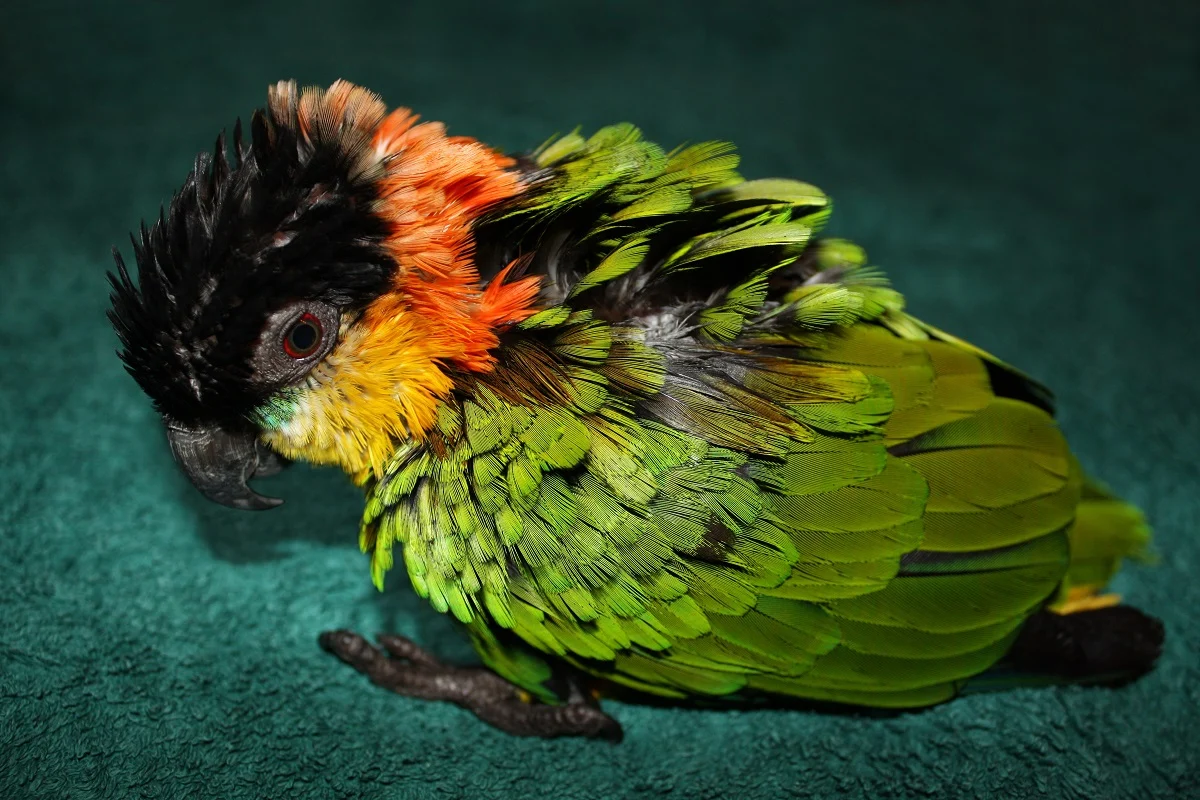
Ensuring the well-being of companion parrots necessitates a comprehensive understanding of emergency preparedness, a critical aspect that can significantly influence outcomes during unforeseen health crises. While the thought of a beloved feathered companion falling ill or sustaining an injury is distressing, proactive planning is paramount, often marking the difference between life and death. This involves not only knowing immediate first aid responses but also establishing a robust support system and a safe environment well in advance of any incident.
The inherent fragility and unique physiology of parrots, coupled with their evolutionary instinct to conceal illness, make them particularly vulnerable in emergencies. Unlike many mammalian pets, birds possess a high metabolic rate, meaning their condition can deteriorate rapidly. Their delicate respiratory systems, comprising air sacs in addition to lungs, and hollow bones require specialized care and make them susceptible to stress-induced complications. Consequently, recognizing subtle signs of distress and initiating prompt, informed action is fundamental to their survival and recovery.
The Silent Struggle: Why Parrots Conceal Illness
Parrots, like most prey animals, have evolved to mask signs of weakness or illness as a survival mechanism. In the wild, a visibly sick or injured bird would quickly become a target for predators. This instinct persists in domestic settings, often leading owners to realize a problem only when the bird’s condition has become severe. A bird that appears "fine" one day can be critically ill the next, having suppressed symptoms until it can no longer do so. This biological imperative underscores the need for owners to be acutely observant and to prioritize preventive care and immediate veterinary consultation at the first hint of trouble. Subtle changes in behavior, posture, appetite, or droppings can be the earliest indicators of a brewing crisis.
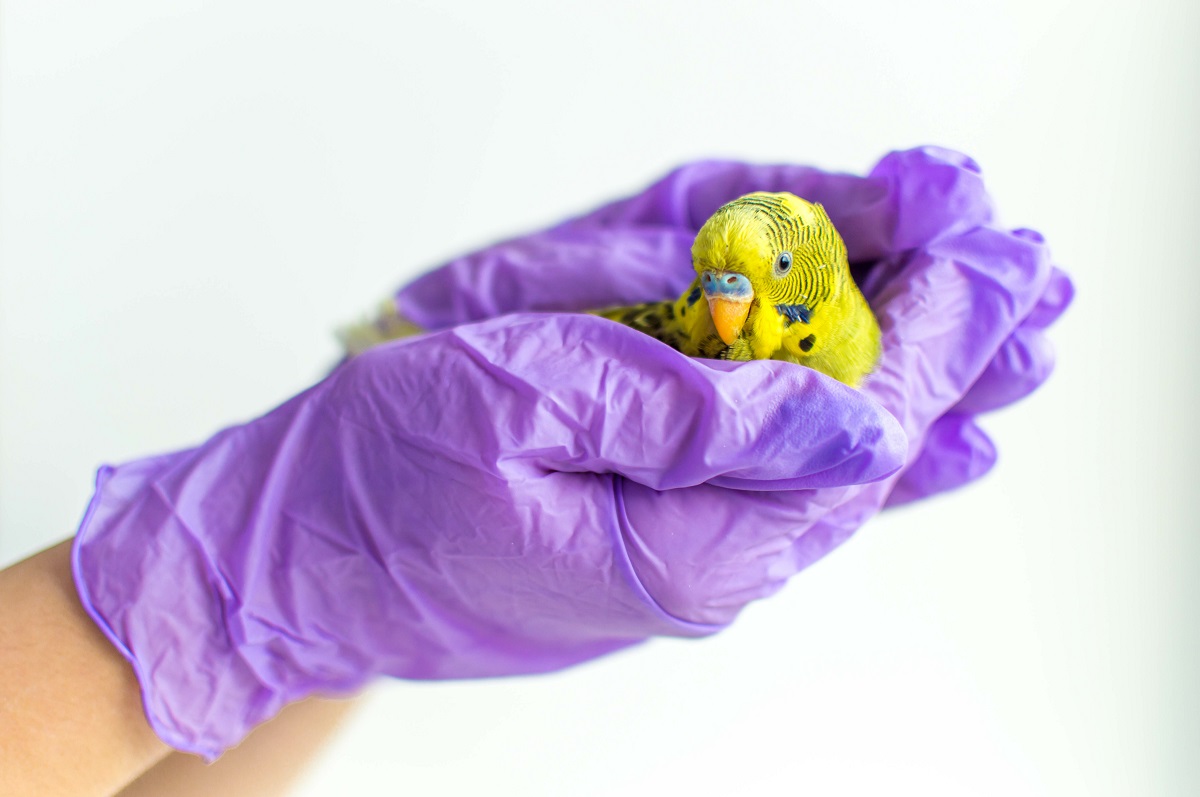
Proactive Measures: The Foundation of Emergency Preparedness
Effective emergency preparedness begins long before an incident occurs. It encompasses establishing relationships with specialized veterinarians, creating a safe living environment, and assembling essential medical supplies.
1. Securing Specialized Avian Veterinary Care
The cornerstone of parrot emergency preparedness is identifying and establishing a relationship with a qualified avian veterinarian. Unlike general practitioners, avian vets possess specialized training and equipment tailored to the unique physiological and anatomical needs of birds. According to the Association of Avian Veterinarians (AAV), the number of veterinarians specializing in avian medicine is significantly smaller than those focusing on dogs and cats, making pre-identification crucial. Owners should not only have the vet’s number saved but also inquire about their emergency protocols, after-hours services, and alternative emergency clinics.
An initial "well-bird" check-up upon acquiring a parrot, followed by annual or bi-annual wellness exams, serves as an excellent preventative measure. These visits allow the vet to establish a baseline for the bird’s health, detect potential issues early (such as nutrient imbalances or subclinical infections), and familiarize themselves with the individual bird. This familiarity can be invaluable during an emergency, as the vet will already have a medical history and a relationship with the owner.
2. Financial Preparedness for Avian Emergencies
Avian emergency treatments can be costly. Diagnostics such as X-rays, blood tests, and specialized cultures, coupled with hospitalization, medication, and potential surgeries, can quickly accumulate significant expenses. A 2022 survey by the American Pet Products Association indicated that pet owners spend an average of several hundred to over a thousand dollars on emergency veterinary care annually. For exotic pets like parrots, these costs can sometimes be higher due to specialized equipment and expertise. Establishing an emergency vet fund or securing pet insurance that covers exotic animals is a prudent financial strategy, alleviating the burden of cost during an already stressful time.

3. Implementing Comprehensive Parrot Safety Measures
Prevention is arguably the most effective emergency strategy. Parrots are highly intelligent and intensely curious creatures, often exploring their environment with their beaks. This innate curiosity, combined with their sensitivity, makes them remarkably prone to accidents. Common hazards include chewing on electrical cords, ingesting toxic plants or household chemicals, becoming trapped in tight spaces, or escaping through unsecured windows and doors.
"Parrot-proofing" the home is an ongoing process. This involves:
- Securing the Environment: Ensuring all windows and doors are closed and latched when the bird is out of its cage. Installing screens on windows is also a good practice.
- Eliminating Toxins: Identifying and removing all toxic plants (e.g., Dieffenbachia, Azalea, Lilies), household cleaners, lead-based paints, zinc-containing items, avocado, chocolate, and certain human foods. Even cooking fumes from overheated non-stick cookware (PFOA/Teflon) can be lethal to birds, causing respiratory distress.
- Electrical Safety: Covering or securing all electrical cords to prevent chewing.
- Preventing Traps: Blocking access to small, confined spaces like behind appliances, under furniture, or open toilet bowls.
- Other Pets: Ensuring other household pets (cats, dogs) do not have unsupervised access to the parrot, as even a playful swat can result in a fatal injury due to bacterial transfer from their mouths.
- Cage Safety: Regularly inspecting the bird’s cage and toys for broken parts, sharp edges, or materials that could cause injury or entanglement. Maintaining impeccable cage hygiene is also vital to prevent bacterial or fungal infections.
4. Assembling an Essential Avian First Aid Kit
Even with the most rigorous safety measures, accidents can happen. A well-stocked avian first aid kit, readily accessible to all household members, is indispensable. Key components should include:
- Blood Clotting Agent: Styptic powder (e.g., Kwik Stop) is critical for stopping bleeding from broken blood feathers or minor cuts. Dr. Daisy May, a prominent avian veterinarian, notes that birds have relatively small blood volumes (approximately 10% of their body weight), and losing even 10% of this can be life-threatening. For a 100g cockatiel, this means a loss of just 1ml of blood can be dangerous.
- Antiseptic Wipes/Solution: Chlorhexidine or povidone-iodine wipes for cleaning minor wounds, ensuring they are bird-safe and diluted appropriately.
- Gauze Pads and Bandage Tape: For applying pressure to wounds or securing temporary bandages.
- Scissors: Small, blunt-tipped scissors for cutting tape or bandages.
- Tweezers: For removing splinters or foreign objects.
- Emergency Carrier: A small, secure carrier lined with paper towels, preferably with options to darken it, is essential for safe transport to the vet.
- Heat Source: A microwavable heat pad or a hot water bottle (wrapped in a towel to prevent burns and bursting) to provide supplemental warmth, as sick birds often struggle to maintain body temperature.
- Syringes (without needles): For administering water or rehydration solution orally.
- Rehydration Sachets: Formulated for birds, these can help combat mild dehydration.
- Flashlight/Headlamp: For better visibility during examinations.
- Magnifying Glass: To inspect small injuries or changes.
- Emergency Contact List: Vet’s number, alternative emergency clinics, and a poison control hotline.
All family members should know the location of the kit and be familiar with the basic application of items like styptic powder.
Recognizing the Red Flags: Symptoms of Distress

Identifying illness in parrots requires keen observation. Owners must familiarize themselves with their bird’s normal behavior, vocalizations, posture, and droppings. Any deviation from this baseline warrants attention.
Symptoms Requiring Immediate Veterinary Consultation (Call while en route):
These indicate a critical emergency where time is of the essence. The bird likely requires oxygen, warmth, and immediate fluid therapy.
- Severe Respiratory Distress: Open-mouthed breathing, tail bobbing, gasping, labored breathing.
- Non-responsiveness or Collapse: Bird is lethargic, unable to stand, or unresponsive to stimuli.
- Severe Bleeding: Uncontrolled bleeding from a wound or orifice.
- Seizures or Tremors: Involuntary muscle contractions.
- Head Trauma or Sustained Injuries: After flying into an object, fall, or attack.
- Sudden Weakness or Paralysis: Inability to use limbs.
- Prolonged Vomiting or Regurgitation: Especially if accompanied by other symptoms.
- Egg Binding: A female bird straining to lay an egg that is stuck.
Symptoms Warranting Prompt Veterinary Appointment (Call for advice):
These indicate a serious condition that requires veterinary attention, but might not be as immediately life-threatening as the above. The vet can advise on urgency.
- Changes in Droppings: Diarrhea, unusual color (e.g., black, bloody), increased volume, or absence of droppings. (Note: Certain foods like beetroot can temporarily alter droppings.)
- Fluffed Feathers and Lethargy: A common sign of illness, indicating the bird is trying to conserve heat.
- Loss of Appetite or Water Intake: Significant decrease or refusal to eat/drink.
- Changes in Vocalization: Unusually quiet, hoarse, or distressed calls.
- Discharge from Nares or Eyes: Runny nose, watery eyes, or crusting.
- Swelling: Any unexplained swelling on the body.
- Limping or Favoring a Leg/Wing: Indicates pain or injury.
- Feather Plucking or Self-Mutilation: Can indicate pain, stress, or underlying disease.
- Weight Loss: Noticeable reduction in body mass.
- Regurgitation (not courtship behavior): Repeated expulsion of food.
Immediate Response: Actions During an Emergency
Once an emergency is identified, a calm and methodical approach is crucial. Panic can hinder effective action.

1. Contacting the Avian Veterinarian
The absolute first step is to call your avian vet. Describe the symptoms clearly and follow their instructions precisely. If your primary vet is unavailable, activate your emergency contact list to reach another avian-specialized clinic. If no avian vet is immediately reachable, call a general emergency vet, clearly stating you have a bird, as not all clinics are equipped for avian patients.
2. Safe Transport to the Vet
If advised to bring your bird in, use the prepared carrier. Line it with soft paper towels for comfort and absorption. Cover the carrier with a towel to darken it, which helps reduce stress and provides warmth. Ensure the carrier is secure in the car, preventing it from sliding or tipping during transit.
3. Administering First Aid While Awaiting Veterinary Care
a. Stopping Bleeding:
For external bleeding, particularly from a broken blood feather or superficial wound, apply styptic powder directly to the site and exert gentle, continuous pressure with a clean gauze pad for several minutes. Blood feathers are new, growing feathers that have a blood supply; if broken, they can bleed profusely. If bleeding continues, maintain pressure until you reach the vet.
Important Precaution: When applying pressure to any part of a bird’s body, be extremely careful not to constrict its chest. Birds lack a diaphragm and rely entirely on chest expansion for respiration. Impeding this can lead to suffocation. If the wound is deep and penetrates a body cavity (abdomen or thorax), do not apply styptic powder. Instead, apply direct pressure with clean gauze and rush to the vet immediately.
b. Isolation and Warmth (Managing Shock):
Stress and shock are significant threats to an injured or sick bird. Critically ill parrots often struggle to maintain their body temperature. Providing a warm, quiet, and dark environment can be life-saving.

- Place the bird in its emergency carrier or a clean box lined with soft paper towels.
- Provide supplemental heat using a covered microwavable heat pad or a wrapped hot water bottle placed under or beside the enclosure, ensuring the bird cannot directly contact the heat source. Aim for a temperature of approximately 85°F (29°C).
- Cover the enclosure to darken it, minimizing visual stimuli and promoting rest. This "hands-off" approach is often recommended by vets for severely distressed birds to prevent further stress.
c. Addressing Dehydration:
Vomiting, diarrhea, or prolonged illness can quickly lead to dehydration in birds. While severe dehydration requires immediate veterinary intervention (intravenous or subcutaneous fluids), mild dehydration can sometimes be managed at home under vet guidance.
- Assessing Dehydration: A quick, though not always definitive, method is to check the basilic wing vein refill time. Locate the prominent blue vein on the inside of the bird’s "elbow" (humeral-radioulnar joint). Gently press on the vein to displace blood, then release. In a well-hydrated bird, the vein should refill almost instantly. A refill time of over 2 seconds suggests moderate to severe dehydration, necessitating urgent veterinary care.
- Oral Rehydration: If the bird is still alert and able to swallow, offer a bird-specific rehydration solution (prepared according to package directions) on a spoon or via a syringe. Ensure any fluids offered are gently warmed to body temperature to prevent further chilling. Crucially, do not force fluids into a bird that is not swallowing or appears very weak, as there is a high risk of aspiration into the lungs, which can be fatal. Only administer fluids directly into the mouth if a qualified avian professional has demonstrated the technique and you are confident.
Broader Impact and Implications
The emphasis on avian emergency preparedness reflects a growing awareness of the specialized needs of exotic pets. As parrot ownership continues to rise globally, driven by their intelligence, companionship, and longevity (many species live for decades), the ethical responsibility of owners extends beyond daily care to include comprehensive emergency planning.
- Role of Education: Public education campaigns by avian veterinary associations and animal welfare organizations are vital in disseminating critical information to current and prospective parrot owners. These efforts contribute to better animal welfare outcomes and reduce preventable emergencies.
- Advancements in Avian Medicine: The demand for specialized care has spurred advancements in avian diagnostics, pharmacology, and surgical techniques. Continued research and development are improving the prognosis for sick and injured birds, provided they receive timely and appropriate veterinary attention.
- Ethical Ownership: Preparedness is a hallmark of responsible pet ownership. It demonstrates a commitment to the animal’s well-being throughout its life, including during unforeseen crises.
In conclusion, the health and survival of a parrot during an emergency hinge on an owner’s preparedness. From establishing a relationship with an avian veterinarian and securing financial resources to parrot-proofing the home and assembling a first aid kit, every proactive step contributes to a safer environment. Recognizing the subtle signs of illness and knowing the immediate, appropriate actions to take while en route to professional veterinary care can dramatically improve a parrot’s chances of recovery. Birds are remarkably resilient but incredibly fragile; understanding and respecting this dichotomy is the foundation of effective emergency care.
Sources:
- Avianmedicine.net: Emergency and Critical Care
- Association of Avian Veterinarians (AAV) resources
- American Pet Products Association (APPA) surveys (inferred data on pet care spending)
- Statements from Dr. Daisy May, Psittacology’s resident veterinarian (as per original article)

