


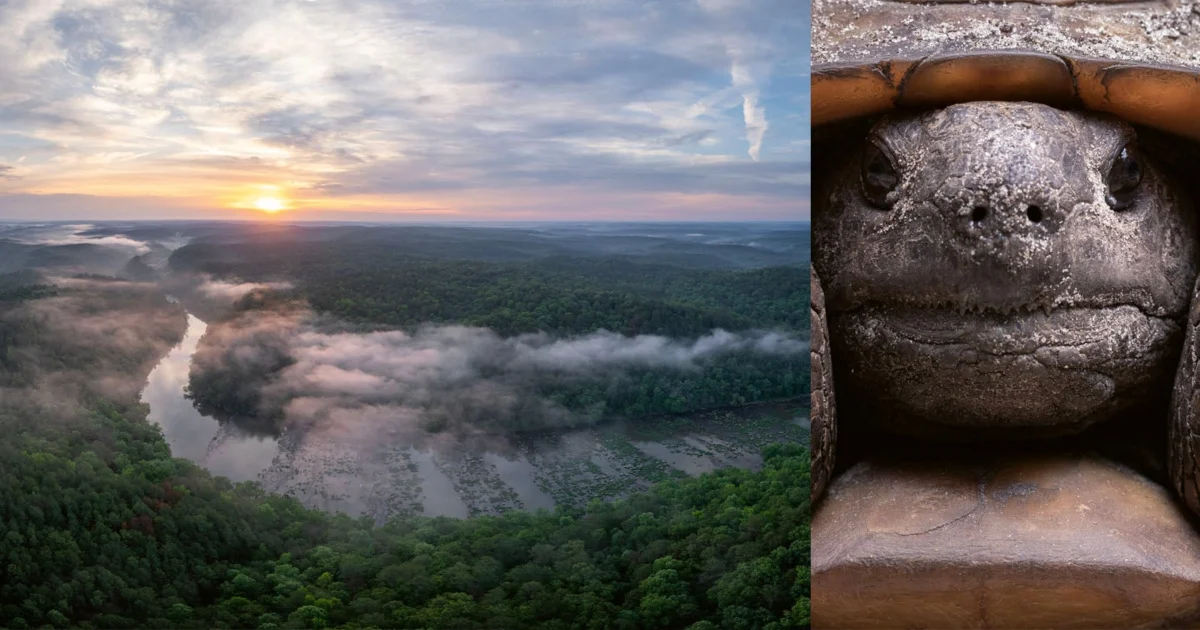
The Biological Significance of the American Amazon
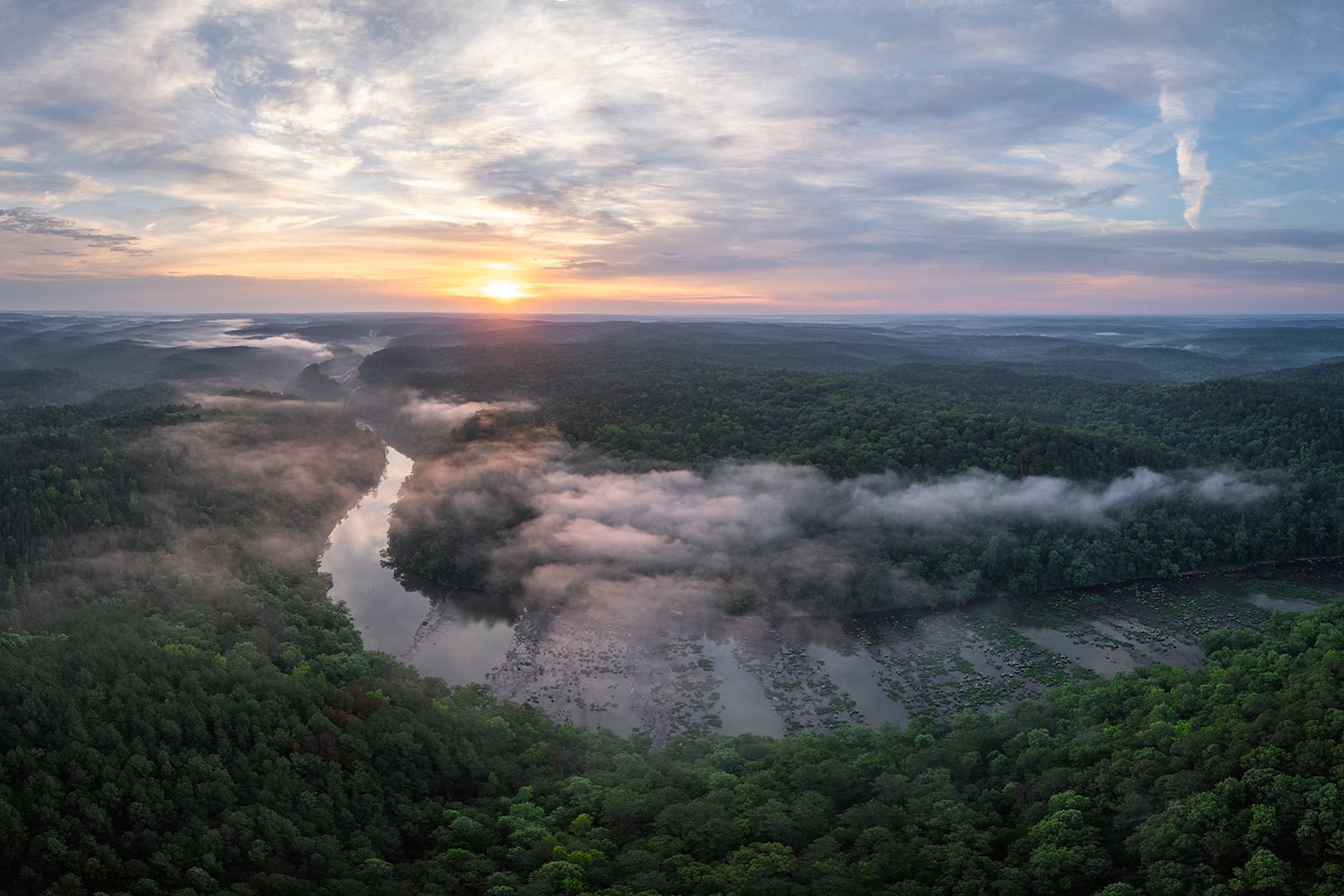
The concept of an "American Amazon" is rooted in the extraordinary species density found across the Southeastern United States. While the public often associates high biodiversity with the tropics, the American Southeast harbors more species of freshwater turtles, fish, and salamanders than almost any other region on the planet. For specific taxa, the biodiversity of the Southeastern U.S. actually exceeds that of the actual Amazon Basin in South America. This ecological richness is the result of millions of years of geological stability and the presence of diverse habitats, ranging from the Appalachian foothills to the subtropical wetlands of the Florida Everglades.
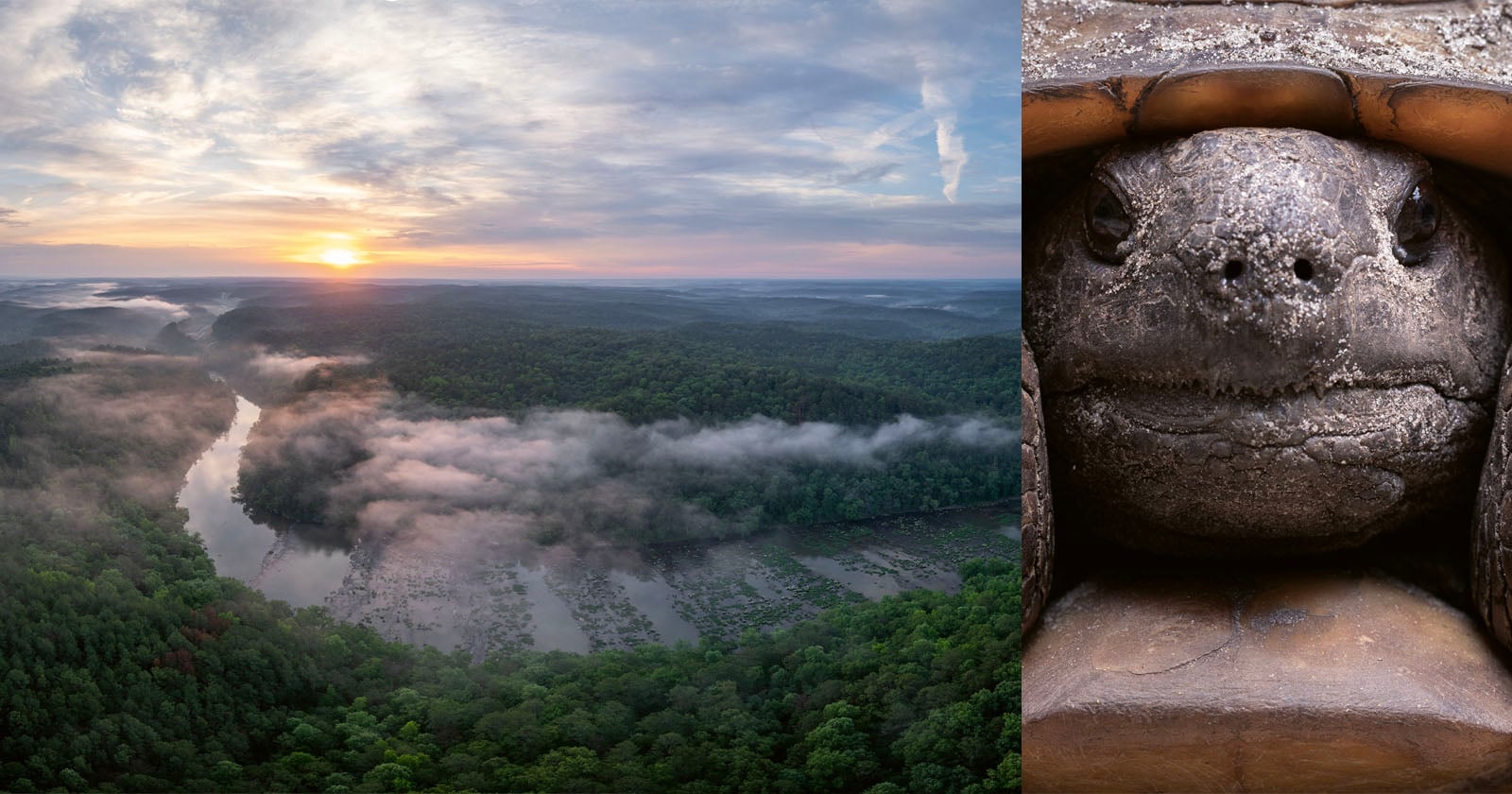
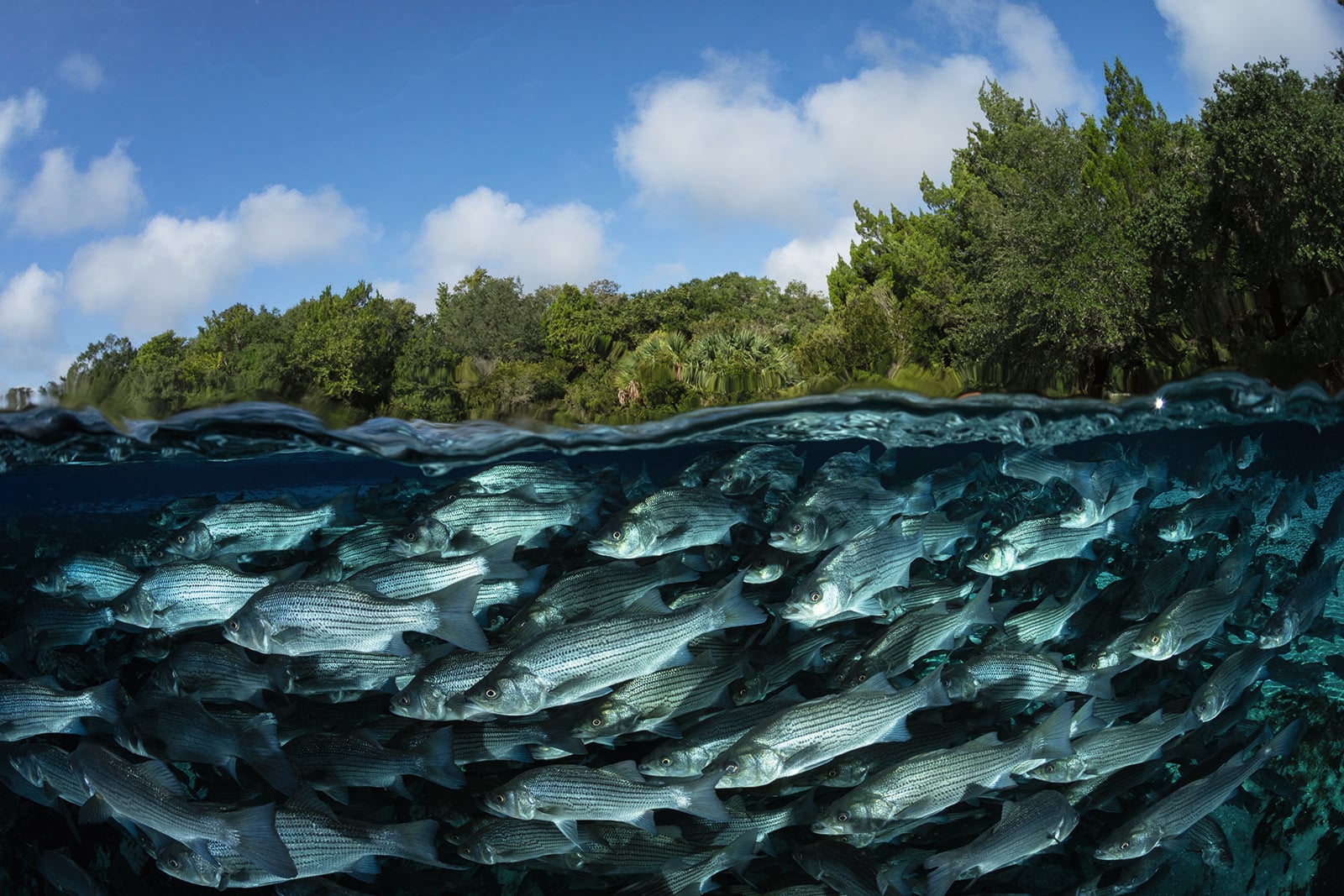
Stone’s documentation began with a realization while slogging through the Fakahatchee Strand, a guzmania swamp in the Everglades. It was here that the parallels between the North American wetlands and the South American rainforest became undeniable. The region functions as a massive, interconnected hydraulic system where water defines the life cycles of thousands of species. In the Ocala National Forest, for instance, first-magnitude spring vents provide a thermal refuge for thousands of striped bass. During the summer months, when surrounding river temperatures rise to levels that are physiologically stressful for the fish, they congregate in the colder, oxygen-rich waters of the springs, creating massive underwater spectacles that Stone captured through split-view photography.
A Landscape Under Siege: Extinction and Invasive Species
Despite its biological importance, the Southeastern United States currently leads the nation in extinction rates. Stone’s work serves as an urgent dispatch from the front lines of an ecological crisis. One of the most haunting visual elements of his project is the documentation of "ghost forests." These are coastal groves of ancient trees, such as Atlantic white cedars and bald cypresses, that have been killed by rising sea levels and the resulting saltwater intrusion. As the salt wedge moves further inland, it poisons the freshwater-dependent roots, leaving behind skeletal, silvered trunks that stand as monuments to a rapidly changing climate.
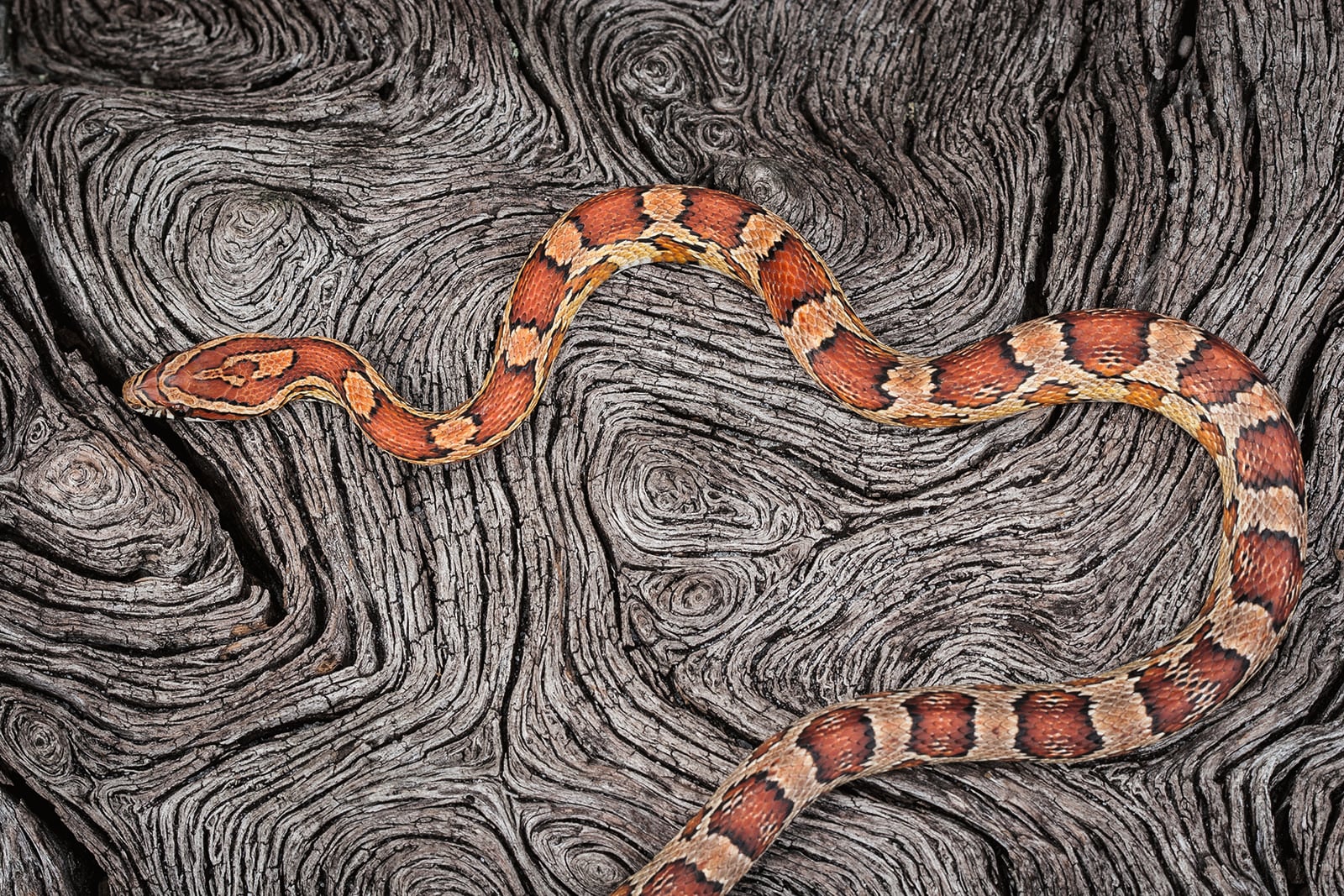
The region is also grappling with the devastating impact of invasive species. In the Everglades and surrounding wetlands, the introduction of the Burmese python has led to a catastrophic decline in native mammal populations. Stone’s photography and the accompanying cinematic projects document ecosystems where once-common animals, such as marsh rabbits, foxes, and bobcats, have largely vanished from the landscape. This "quiet vanishing" is a central theme of Stone’s advocacy, as he seeks to use visual storytelling to bring national attention to a crisis that often occurs away from the public eye.
The Physical Extremes of Conservation Photography
The creation of the American Amazon project required a level of physical endurance and technical expertise rarely seen in traditional nature photography. To capture the perspective of the region’s oldest inhabitants, Stone scaled 2,000-year-old old-growth cypress trees using fixed ropes and professional climbing gear. These trees, some of the oldest living organisms in eastern North America, provide unique vantage points for documenting rookeries and the vast, interlocking canopy of the swamp.
Beyond the heights of the forest canopy, Stone’s work took him into the depths of the earth. He rappelled 160 feet into lightless subterranean caverns to document the unique life forms that inhabit the region’s karst topography. These environments are home to specialized species that have evolved in total darkness, further contributing to the region’s status as a biodiversity hotspot. The technical challenges of lighting and photographing these environments required Stone to combine his background in field biology with innovative photographic techniques, ensuring that the images were not only aesthetically striking but also scientifically accurate.
Cinematic Collaboration and Scientific Discovery
Stone’s decade-long photographic odyssey served as the foundation for a four-year cinematic collaboration with director Eric Bendick. This partnership resulted in a concurrent IMAX feature film and a PBS Nature mini-series, both designed to bring the "American Amazon" to a global audience. The film crew utilized advanced camera technology to record natural phenomena that had never been captured on film before.
Among these breakthroughs were the first high-definition recordings of the subsonic bellows of breeding alligators. These low-frequency vibrations, which cause the water on the alligator’s back to "dance," are a vital part of the species’ social and reproductive behavior. Additionally, the team captured the territorial combat of giant hellbender salamanders. These prehistoric-looking amphibians, which can grow up to two feet in length, are highly sensitive to water quality and serve as an indicator species for the health of Appalachian waterways. By documenting these behaviors, Stone and Bendick have provided scientists with new insights into the life histories of these elusive creatures.
Keystone Species and Ecosystem Health
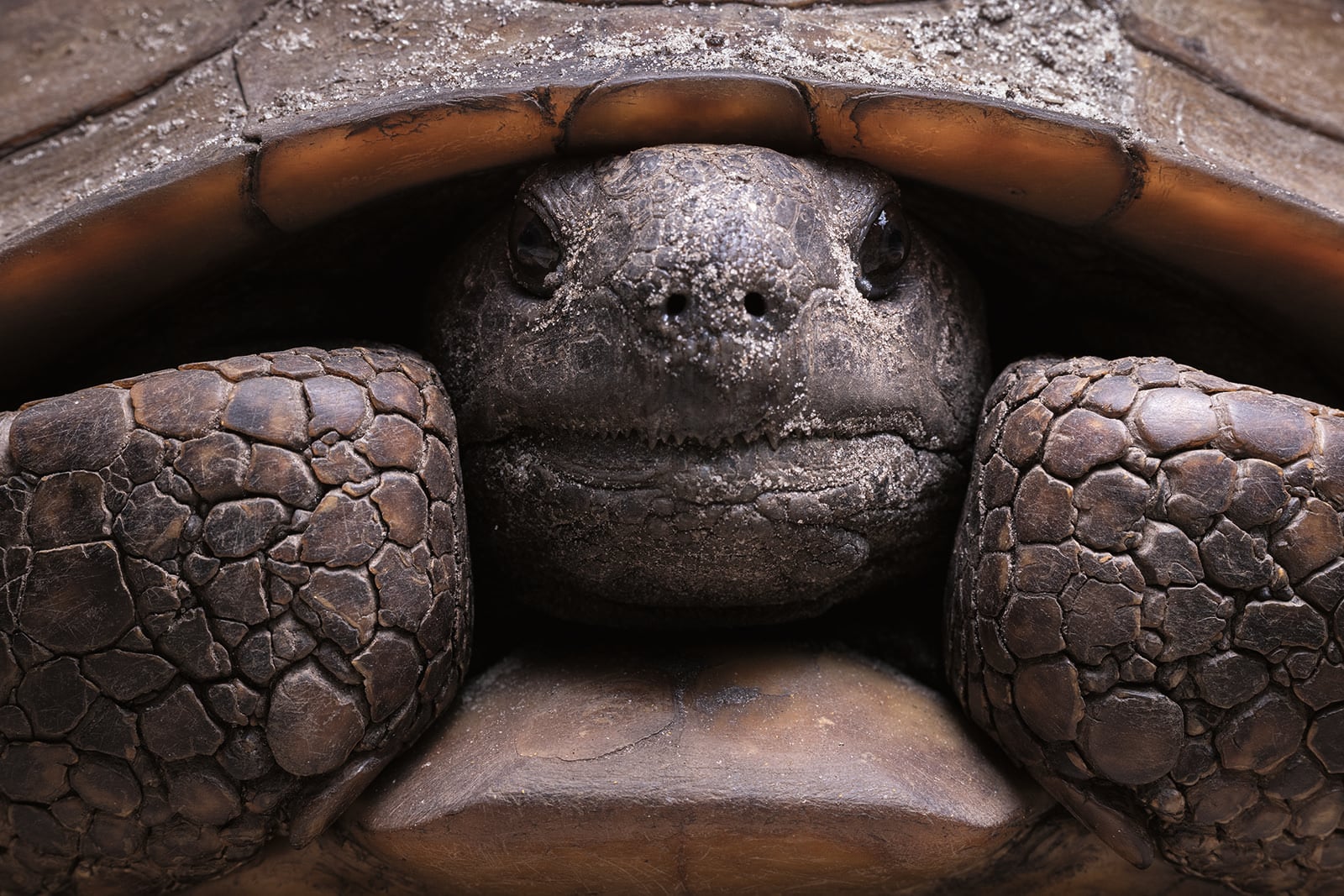
The American Amazon project places a heavy emphasis on keystone species—animals that have a disproportionately large effect on their environment. The gopher tortoise, featured prominently in Stone’s work, is a primary example. Found in the sandy upland ecosystems of the Southeast, gopher tortoises dig deep burrows that provide refuge for more than 350 other species, including snakes, burrowing owls, and various invertebrates. The health of the entire ecosystem is inextricably linked to the survival of the tortoise.
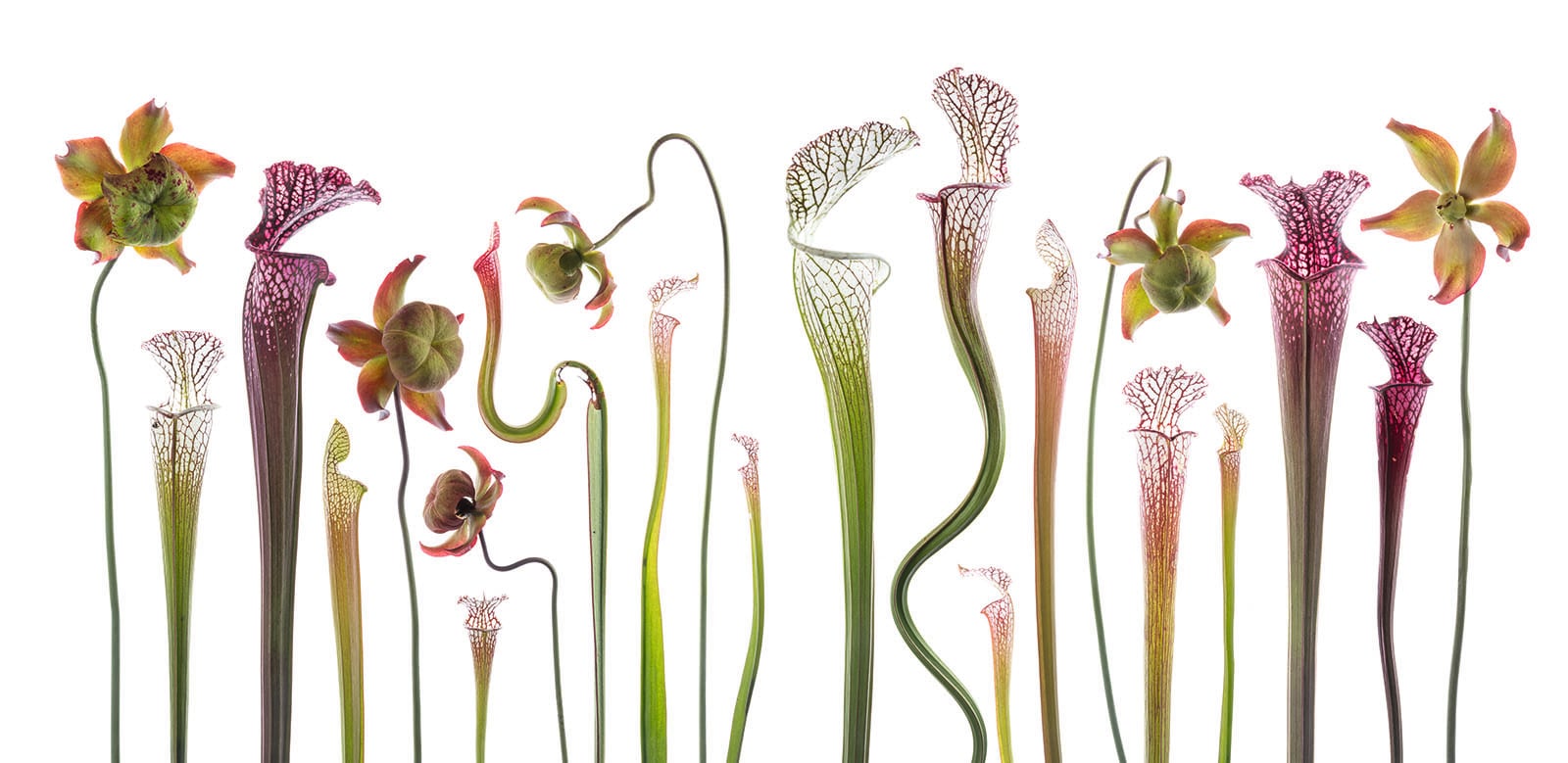
Stone also turned his lens toward the flora of the region, specifically the carnivorous pitcher plants of the Splinter Hill Preserve in Alabama. In these nutrient-poor bogs, plants have evolved to trap and digest insects to supplement their nitrogen intake. These "botanical carnivores" are a testament to the evolutionary ingenuity required to survive in the Southeastern wetlands. Through studio-quality photography in the field, Stone highlights the intricate beauty and diversity of these plants, many of which are threatened by habitat loss and the suppression of natural fire cycles.
Broader Impact and Conservation Implications
The publication of American Amazon by teNeues and the release of the accompanying films mark a significant moment in North American conservation. Mac Stone’s work challenges the long-standing misconceptions that swamps and wetlands are "wastelands" to be drained or developed. Instead, he presents them as vital infrastructure for the planet, serving as carbon sinks, natural water filtration systems, and essential nurseries for a vast array of wildlife.
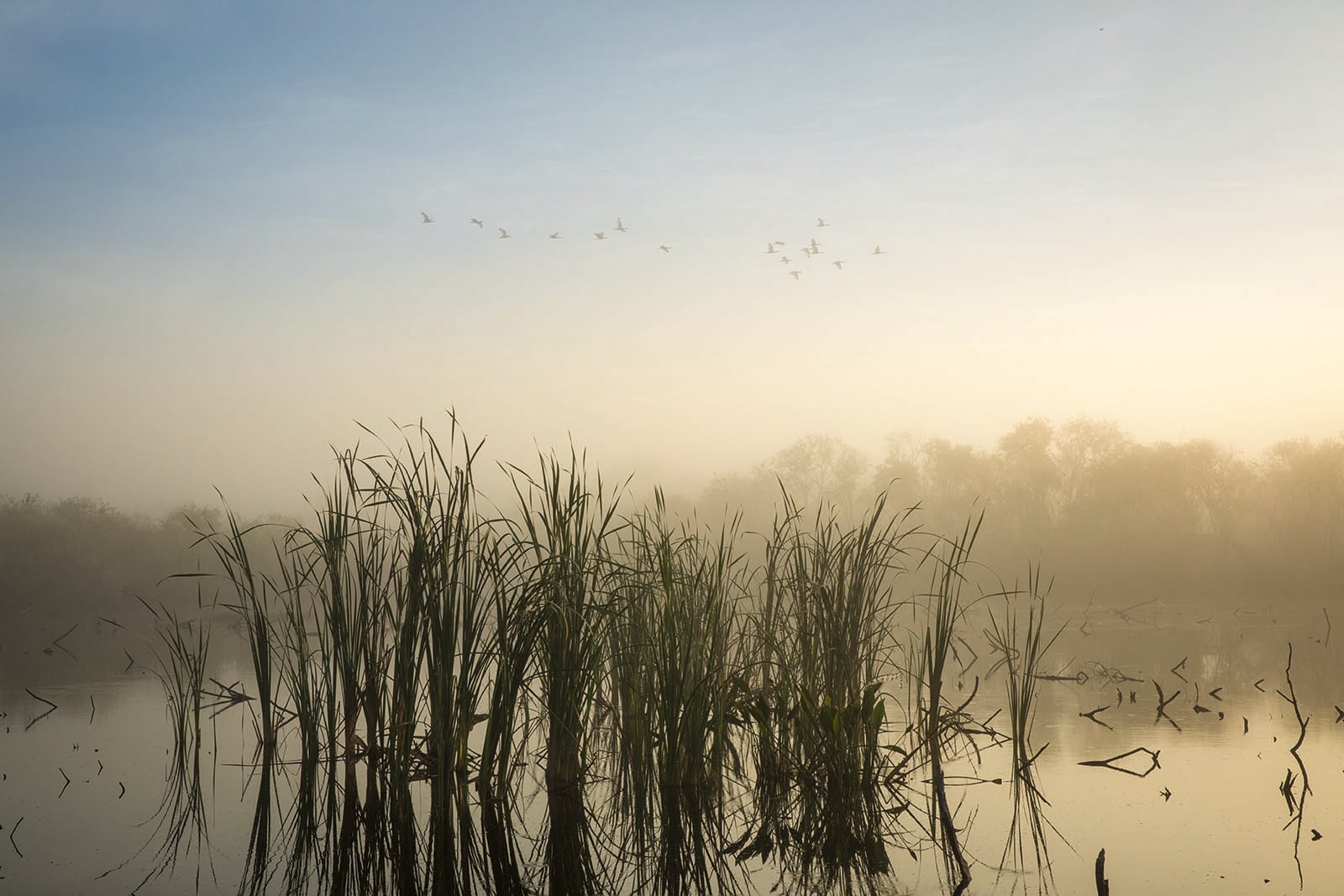
The project also underscores the importance of migratory flyways. The wetlands of the Southeast serve as critical stopover points for millions of birds traveling between North and South America. Without the preservation of these "living waters," the migratory patterns of species across the entire hemisphere could be disrupted.
As a National Geographic Explorer with a substantial public following, Stone has leveraged his platform to advocate for the protection of these wild places. His work suggests that the first step toward conservation is a change in perception. By rebranding the Southeastern United States as the "American Amazon," Stone and his collaborators aim to instill a sense of pride and urgency in the protection of a region that is as ecologically significant as any tropical rainforest.
The legacy of the American Amazon project lies in its ability to bridge the gap between art and science. It provides a visual baseline for future generations to understand what was present in the early 21st century and serves as a call to action for policymakers, scientists, and the public to ensure that the "ghost forests" do not become the region’s only remaining monuments. Through rigorous documentation and storytelling, Stone has ensured that the wild Southeast is no longer vanishing quietly, but is instead being seen in all its complex, ancient, and fragile glory.

