


The appearance of "pin feathers" on a pet bird can be a source of confusion and concern for owners, transforming a sleek avian companion into a spiky, seemingly uncomfortable creature. This guide aims to demystify pin feathers, explaining their biological purpose, the sensations they cause, and how responsible owners can provide optimal support for their bird’s comfort and healthy feather growth without causing undue stress or pain. This information is specifically tailored for bird owners observing normal pin feather development during a molt and seeking to understand and alleviate associated discomfort. It is not intended for birds exhibiting open skin, active bleeding, rapidly expanding bald areas, obvious feather destruction, or signs of illness such as weakness or loss of appetite, which are indicators of serious conditions requiring immediate avian or exotics veterinary care.
The Avian Molt Cycle: A Biological Imperative
Feathers are not permanent structures; they are regularly shed and replaced through a natural physiological process known as molting. This cycle is critical for a bird’s survival and well-being, ensuring the integrity of its plumage for essential functions such as flight, insulation against temperature extremes, waterproofing, and display for social signaling and mating. The timing and intensity of a molt are influenced by a complex interplay of environmental factors, including photoperiod (light cycles), temperature, nutritional status, and hormonal regulation. As detailed by Chen et al. (2020), feather growth and regeneration involve intricate molecular signaling and nutritional pathways, highlighting the sophisticated biological machinery behind this seemingly simple process.
During a typical molt, old, worn, or damaged feathers are systematically replaced with new ones. This process usually occurs in a predictable pattern, often symmetrically, to minimize impairment of flight capability. For most pet birds, molting occurs once or twice a year, though the frequency and duration can vary significantly based on species, age, health, and environmental conditions. The emergence of pin feathers marks a crucial phase within this continuous cycle of renewal, indicating that new feathers are actively developing to replace those that have been shed.
Understanding Pin Feathers: Anatomy and Appearance
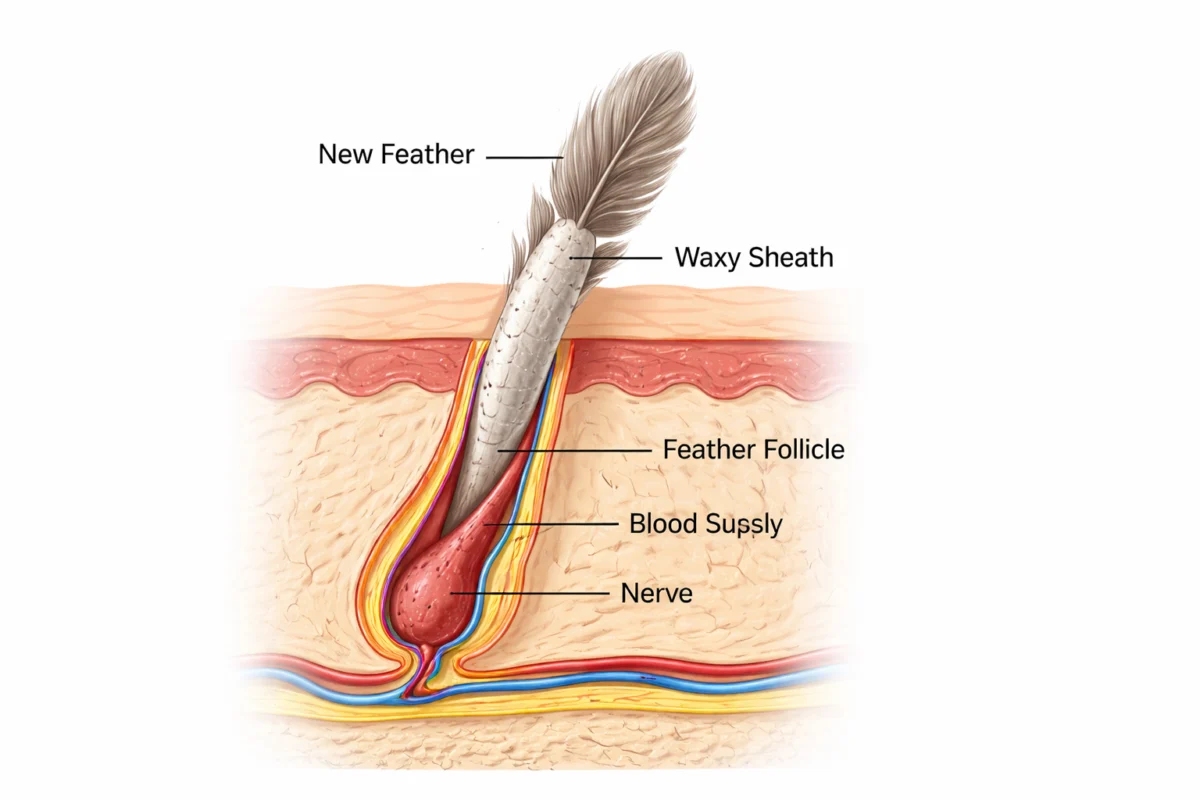
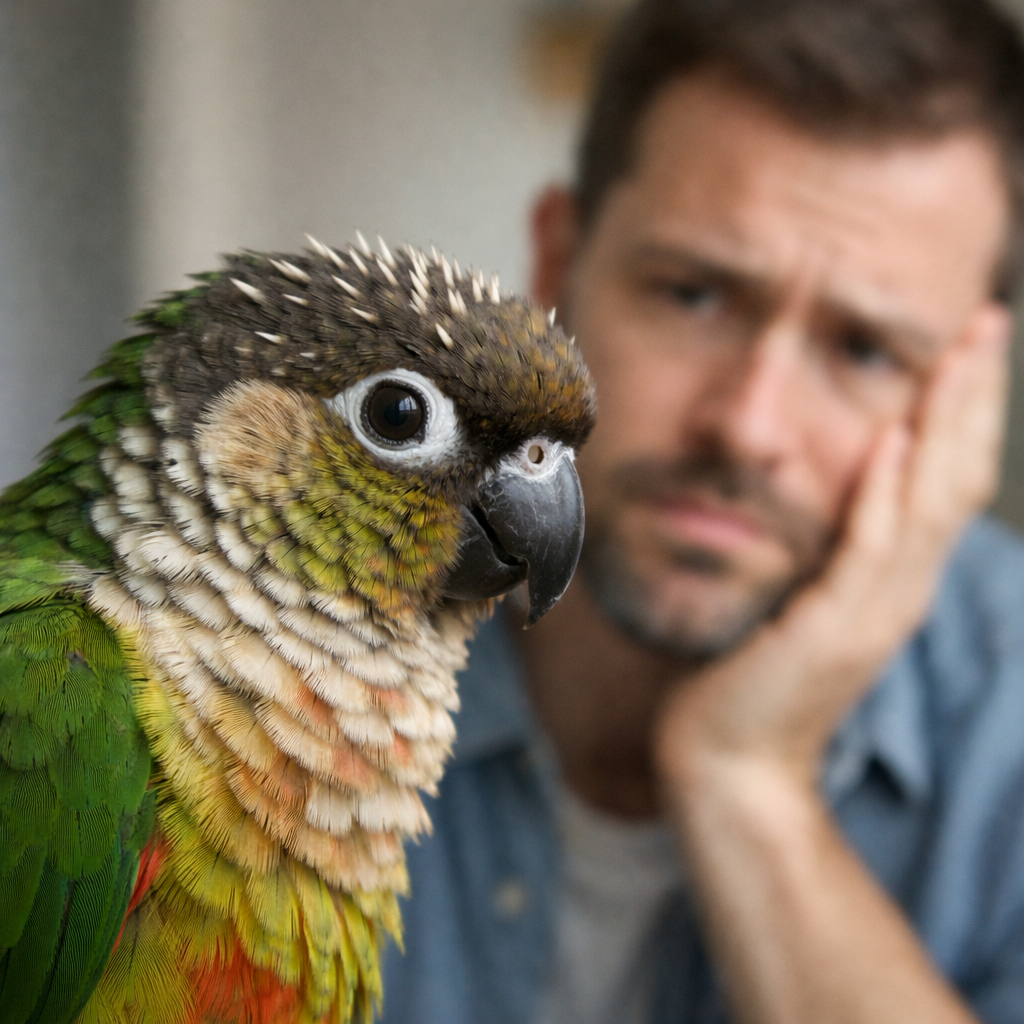
Pin feathers are, in essence, nascent feathers emerging from the skin. Each new feather initially grows within a protective keratin sheath, which acts like a biological casing, supporting the feather’s early development and protecting its delicate structure and blood supply. Visually, these sheathed feathers present as pale or whitish "spikes" protruding from the bird’s skin, often giving the bird a rough, unkempt, or even "porcupine-like" appearance. They are particularly noticeable on areas that birds struggle to preen themselves, such as the head and neck.
It is common for pin feathers to appear in clusters rather than individually. This synchronized emergence is due to the body’s natural physiological programming. During a molt, groups of feather follicles, often in the same anatomical region, are activated simultaneously. This coordinated activation ensures that old feathers are dropped and new ones begin to grow on a similar schedule, contributing to the "spiky" look that can seem to appear all at once. The follicles have been preparing beneath the skin for some time, and the visible eruption of these sheathed feathers signifies the active growth phase. While the skin can feel "busy" or even irritated when many feathers are growing concurrently, this is a normal physiological response to intense follicular activity, not necessarily a medical issue. A key understanding for owners is that unopened pin feathers are rarely "stuck"; they simply have not yet reached the stage where the protective keratin sheath is ready to flake away, allowing the feather to unfurl.
The Stages of Pin Feather Development and Associated Sensations
The growth of a pin feather is a dynamic process, evolving through distinct stages, each associated with different sensations for the bird. Understanding these stages can help owners tailor their supportive actions to their bird’s specific needs at any given time.
-
Early Growth: The Tender Phase
In its earliest stage, each pin feather is actively connected to a small, vital blood supply, making it a "blood feather" in its initial form. The surrounding skin and the feather follicle itself are highly sensitive during this period. Any pressure, squeezing, or rough handling of these early-stage pin feathers can be uncomfortable or even painful for the bird.- How it Feels: Tender, sensitive, potentially painful if disturbed.
- Bird Behavior: Birds may exhibit increased sensitivity to touch in affected areas, withdraw from handling, or show subtle signs of discomfort such as decreased activity or a reluctance to be preened by their owner. They will typically avoid disturbing these nascent feathers themselves.
- Owner Support: The primary goal here is gentle observation and avoidance of any action that might cause pain. Ensure the bird has a quiet, low-stress environment. Limit handling, especially around areas with prominent early-stage pin feathers.
-
The Itchy Phase: Keratin Sheath Breakdown
As the pin feather continues to mature, the protective keratin sheath begins to dry out and break down. This desiccation and structural change often trigger an intense itching sensation for the bird. This stage is perhaps the most noticeable for owners, as their bird’s behavior often shifts dramatically.- How it Feels: Intensely itchy, irritating.
- Bird Behavior: Birds will frequently engage in increased scratching, rubbing against perches or cage bars, and focused, often vigorous, preening. They may appear agitated or restless. While this behavior might sometimes be mistaken for a behavioral issue, it is overwhelmingly a physical response to the widespread irritation caused by hundreds or thousands of developing feathers.
- Owner Support: Providing relief from itchiness is crucial to prevent the bird from over-preening or becoming fixated on the irritation. Regular bathing or misting with lukewarm water can soften the keratin sheaths, making them easier to remove and providing temporary relief. Increased environmental humidity can also be beneficial. Ensure the bird has access to clean water for drinking and bathing.
-
The Release Phase: Feather Unfurling
Once a pin feather is fully mature and the keratin sheath has completely dried, it naturally flakes away, allowing the new feather to unfurl and settle into its final position. This stage marks the end of the active growth period for that particular feather.- How it Feels: Comfort improves significantly as the sheaths are shed.
- Bird Behavior: Birds will continue to preen to remove the last vestiges of the keratin sheaths. Fine white flakes, resembling dandruff, are a common sight in the bird’s environment during this phase. The bird’s overall comfort level will visibly improve, and it may appear less agitated.
- Owner Support: Continue to offer bathing opportunities to aid in the removal of the dry sheaths. For bonded birds, gentle assistance in removing fully dried sheaths from hard-to-reach areas (like the head) can be provided, but only if the bird is receptive and the sheaths flake off easily without any pulling or discomfort.
Critical Distinction: Pin Feathers vs. Blood Feathers
While all pin feathers are "blood feathers" in their early stages due to their active blood supply, the term "blood feather" typically refers to larger, still-growing feathers, particularly those of the wings and tail, which have a more substantial and active blood supply. These larger feathers take longer to mature, and their follicles are robust. Breaking a large blood feather can be a serious event for a bird.
-
Why this distinction matters: If a major blood feather in the wing or tail breaks, it can bleed heavily and continuously. In smaller bird species, significant blood loss can quickly lead to anemia, weakness, shock, or even death if not addressed promptly and effectively. The risk of secondary infection at the site of the break is also a concern.
-
Emergency Protocol for Broken Blood Feathers:
- Remain Calm: Your bird will sense your panic.
- Apply Direct Pressure: Gently but firmly apply pressure to the broken feather shaft with a clean gauze pad or cloth. Maintain pressure for several minutes.
- Use a Clotting Agent: If bleeding continues, apply a clotting agent such as cornstarch, flour, or styptic powder directly to the bleeding tip of the feather shaft.
- Monitor Closely: Once bleeding stops, continue to monitor the bird for 30-60 minutes to ensure it doesn’t restart. Reapply the clotting agent if minor bleeding resumes.
- Seek Veterinary Care: If bleeding is heavy, persists for more than 10-15 minutes despite your efforts, or if you are uncertain whether the bleeding is fully controlled, contact an avian or exotics veterinarian immediately. Prompt professional intervention may be necessary to remove the damaged feather or manage significant blood loss.
-
What Not to Do: It is paramount that owners never attempt to pull a blood feather themselves. Feather removal is extremely painful and, if done incorrectly, can worsen bleeding, cause severe trauma to the follicle, or lead to permanent feather damage. Blood feathers should only be removed by an experienced avian veterinarian or a trained veterinary professional. This advice is consistent with recommendations from avian medical authorities like the Merck Veterinary Manual (Lightfoot, 2024), emphasizing the specialized nature of such procedures.
Optimizing Avian Comfort During Molt: Expert Recommendations
The primary goal during a bird’s molt is to ease skin irritation, prevent excessive scratching from becoming a destructive fixation, and protect the new feathers as they grow. When a bird is visibly itchy but otherwise acting normally, the following steps usually provide meaningful relief.
-
Environmental Humidity and Bathing: Increased humidity is perhaps the most universally beneficial intervention during a molt. It helps to soften the keratin sheaths, making them more pliable and easier for the bird to remove through preening.
- Action: Offer daily opportunities for bathing, whether through a shallow dish, a gentle misting with a spray bottle, or a shower perch. Consider using a room humidifier, especially in dry indoor environments, to maintain ambient humidity levels beneficial for avian skin and feathers.
-
Nutritional Support for Feather Health: A bird’s diet plays a crucial role in supporting the growth of healthy, vibrant feathers. Molting is metabolically demanding, requiring increased protein, vitamins, and minerals.
- Action: Ensure your bird is on a high-quality, balanced diet rich in pellets, fresh vegetables, and fruits. Supplementation with specific nutrients, such as Vitamin A, Vitamin E, and Omega fatty acids, can directly support skin health and feather structure. While dietary changes won’t immediately stop itchiness from existing pin feathers, they are vital for ensuring current feathers finish growing well and for setting the bird up for healthier growth in future molts. Research by McGraw (2006) on carotenoid-based coloration and Chen et al. (2020) on nutritional regulation in feather growth underscore the critical link between diet and plumage quality. Seed-only diets are particularly deficient during molt, failing to provide the comprehensive nutrient profile required for this intensive biological process.
-
Stress Reduction and Quiet Environment: A molting bird is often more sensitive and may experience higher stress levels due to the physical discomfort.
- Action: Provide a calm, quiet environment with a consistent routine. Avoid sudden changes or stressors during this period. Adequate sleep is also crucial for recovery and regeneration.
-
Preening Assistance: When and How to Help: Most birds are perfectly capable of managing their pin feathers through self-preening and bathing. However, for some bonded birds, or those with difficulty reaching certain areas (like the head or neck), gentle human assistance can be appreciated.
- When Help May Be Appropriate:
- When pin feathers are fully mature and the keratin sheath is visibly dry and flaky, particularly on the head or neck where the bird cannot reach.
- If your bird actively solicits assistance (e.g., lowers its head for preening).
- For older birds or those with physical limitations that impede effective self-preening.
- How to Help Safely: Only help with pins that are visibly dry and ready to flake off. Use your thumb and forefinger to gently roll the dry sheath between your fingers, allowing it to crumble away. Never squeeze, pull, or force an unopened or tender pin feather. If the bird shows any sign of discomfort or resistance, stop immediately.
- When Not to Help: Never attempt to help with pin feathers that are still tender, appear moist, or are actively connected to a blood supply. Do not help if the bird shows any sign of irritation, fear, or aggression. Many experienced owners choose not to intervene at all, relying solely on bathing, humidity, and time.
- When Help May Be Appropriate:
Recognizing Abnormalities: When to Consult an Avian Veterinarian
While pin feather irritation is a normal part of the molt, certain signs indicate that discomfort has escalated beyond routine and warrants professional veterinary attention. Early intervention can prevent minor issues from becoming severe health problems.
- Persistent or Rapidly Expanding Bald Areas: While some temporary baldness is normal during a heavy molt, rapidly expanding bald patches or areas that remain denuded for extended periods without new feather growth can indicate an underlying issue.
- Open Skin, Lesions, or Active Bleeding (not from a broken blood feather): Any breaks in the skin, open sores, or bleeding not directly attributable to a singular broken blood feather are concerning and require immediate veterinary assessment.
- Obvious Feather Destruction or Plucking: While intense preening is normal, if it escalates to actual feather destruction, where feathers are pulled out or chewed off, this is a sign of a significant problem that could be behavioral, medical, or nutritional. Persistent irritation without relief can contribute to this fixation.
- Signs of Illness: Weakness, lethargy, loss of appetite, changes in droppings, fluffed appearance, or any other general signs of illness alongside molting discomfort are red flags. The physiological stress of molting can sometimes exacerbate or unmask underlying health issues.
- Escalation or Fixation of Itchiness: If the bird’s itchiness becomes constant, escalates in intensity, or leads to a fixation on a particular area, preventing normal activities, it suggests a problem beyond routine molt discomfort.
- Changes in Feather Color or Quality: New feathers that grow in with abnormal colors, textures, or structural defects can point to nutritional deficiencies or underlying health problems affecting feather formation.
If any of these signs appear, it is crucial to stop home troubleshooting and consult an avian veterinarian immediately. These symptoms often indicate conditions that require professional diagnosis and treatment, as outlined in resources such as the Merck Veterinary Manual (Lightfoot, 2024), which covers a range of skin and feather disorders in pet birds.
Frequently Asked Questions for Owners
-
Is it too late to help if my bird already has itchy pin feathers?
While the process of feather growth has already started under the skin, and dietary changes won’t immediately stop existing itchiness, it’s never too late to provide supportive care. Targeted nutrition, including vitamin A, vitamin E, and omega fatty acids, can support skin health and feather structure, helping current feathers finish well and establishing a foundation for better growth in subsequent molts. Environmental adjustments like increased humidity and bathing provide immediate relief. -
How long should pin feather itchiness last?
Itchiness typically comes in waves, corresponding to the stages of pin feather development, and should gradually improve as sheaths open and new feathers unfurl. An escalation of itchiness or a persistent, unchanging fixation suggests an underlying problem that warrants veterinary investigation. -
Is it normal for head pin feathers to bother birds more?
Yes, this is very common. Birds cannot effectively preen their own heads or necks, leaving these areas more susceptible to persistent irritation from unopened pin feathers. This is often where gentle owner assistance (if the bird is receptive and the pins are dry) is most beneficial. -
Can pin feathers turn into plucking?
While pin feathers themselves are not plucking, persistent and unrelieved irritation during a molt can contribute to a bird developing a fixation on their feathers. This prolonged discomfort can sometimes escalate into self-mutilation or destructive feather plucking behaviors, highlighting the importance of providing comfort and support during the molting process. Early comfort support helps significantly reduce this risk.
In conclusion, understanding pin feathers as a normal, albeit sometimes uncomfortable, part of the avian molt is fundamental for pet bird owners. By recognizing the stages of feather development, providing appropriate environmental and nutritional support, and knowing when to seek professional veterinary care for abnormal symptoms, owners can ensure their feathered companions navigate this essential biological process with maximum comfort and emerge with healthy, vibrant plumage.

