


Published On: Dec 21, 2025
Last updated on: Dec 21, 2025
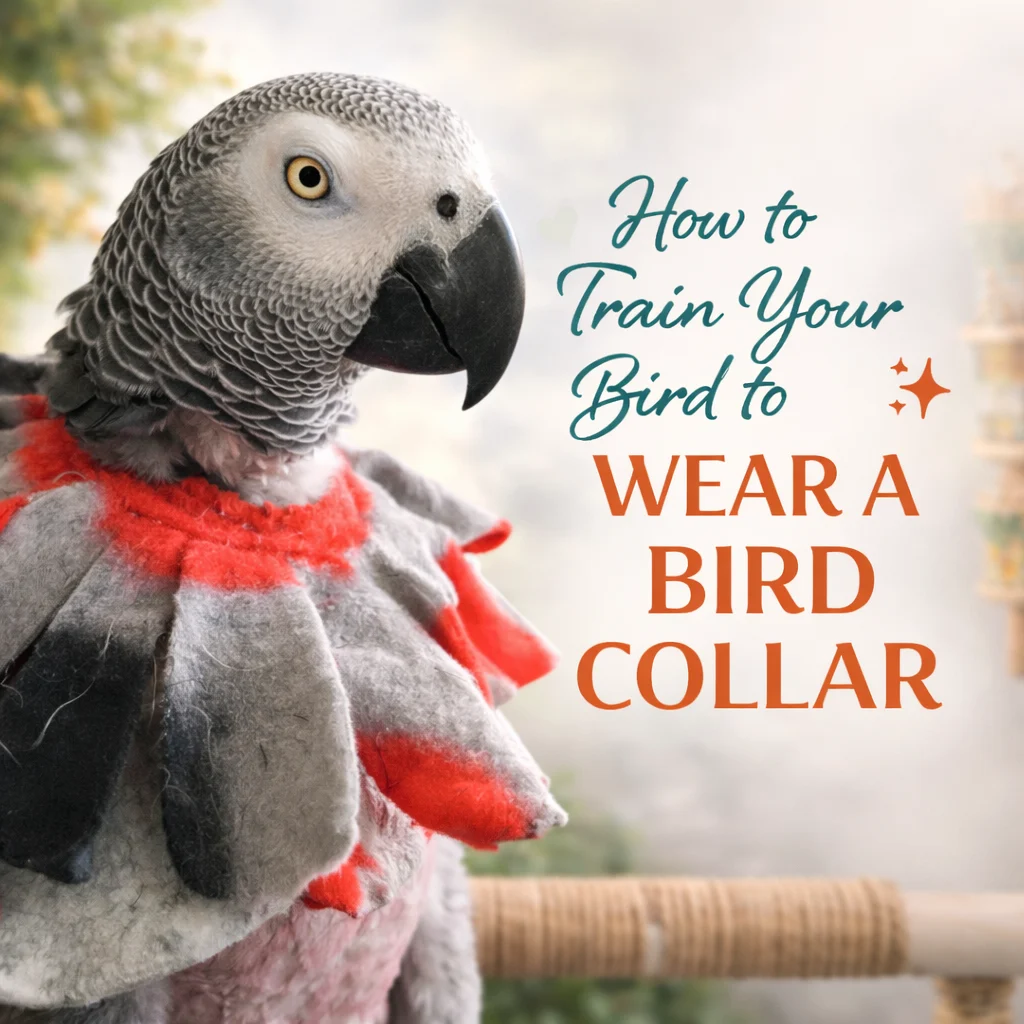
For owners of companion birds grappling with the distressing issue of feather destructive behaviors (FDBs), the question of whether birds can safely wear collars often arises. Avian health professionals, including veterinarians and behaviorists, confirm that yes, birds can wear collars safely, but only when these devices are introduced thoughtfully, applied for appropriate reasons, and integrated into a comprehensive care plan. The utility of avian collars is not as a punitive measure or a standalone solution, but rather as a critical, temporary intervention to protect a bird from self-inflicted harm while underlying causes of feather plucking or mutilation are identified and addressed.
Understanding Feather Destructive Behaviors (FDBs): A Prevalent Avian Challenge
Feather destructive behaviors represent a significant welfare concern for captive avian populations. These behaviors range from mild feather chewing and barbering to severe plucking, skin mutilation, and even self-amputation, affecting a wide spectrum of species from parakeets to large parrots. Studies indicate that FDBs can impact up to 10-15% of pet birds, with some species, such as African Grey Parrots, Cockatoos, and Lovebirds, showing a higher predisposition. The physical consequences can include skin infections, chronic pain, and permanent feather follicle damage, while the psychological toll on the bird can be profound, leading to increased stress and reduced quality of life.
The etiology of FDBs is complex and often multifactorial, encompassing a broad range of potential triggers:
- Medical Conditions: Internal diseases (e.g., liver disease, kidney disease), systemic infections (bacterial, fungal, viral), parasites (internal and external), allergies, nutritional deficiencies (e.g., Vitamin A deficiency), heavy metal toxicity, and chronic pain can all manifest as FDBs. A thorough veterinary examination, including blood work, radiographs, and possibly biopsies, is crucial to rule out physiological causes.
- Environmental Factors: Inadequate cage size, lack of enrichment, insufficient lighting (especially UV-B), poor air quality, dry environments, and inconsistent routines can contribute to stress and boredom, leading to redirected behaviors like plucking.
- Behavioral and Psychological Factors: Anxiety, frustration, hormonal imbalances (particularly during breeding season), sexual frustration, lack of social interaction, learned behaviors, and even obsessive-compulsive tendencies can drive FDBs. Birds, being highly intelligent and social creatures, require significant mental stimulation and appropriate social structures.
- Nutritional Deficiencies: A diet lacking essential vitamins, minerals, or amino acids can lead to poor feather quality, skin irritation, and a propensity for plucking.
Veterinarians frequently observe that owners typically consider collars only after exhausting numerous other interventions, including dietary adjustments, environmental enrichment, routine modifications, nutritional supplements, topical sprays, and behavioral training. When these initial steps fail to mitigate or slow the escalation of damage, the need for a physical barrier becomes more urgent. The primary concern is not the collar itself, but whether feather or skin damage is progressing at a rate that compromises the bird’s immediate health and welfare.
The Role of Collars: Intervention, Not Cure
An avian collar serves as a critical physical barrier, designed to prevent a bird from accessing specific areas of its body, thereby interrupting destructive behaviors and allowing existing wounds to heal. It is imperative to understand that collars are not a punitive measure or a shortcut to addressing the root cause of FDBs. Instead, they function as a supportive bridge, providing temporary protection while owners and avian specialists work collaboratively to diagnose and treat the underlying issues.
Collars become most helpful when physical protection is genuinely needed. This includes scenarios such as:
- Active Feather Destruction: When a bird is consistently plucking feathers, barbering them down to the skin, or creating raw patches.
- Self-Mutilation: In cases where a bird is reopening wounds, causing bleeding, or engaging in severe self-harm.
- Post-Surgical Recovery: To prevent a bird from interfering with surgical sites or bandages.
- Wound Healing: To protect existing injuries from further trauma or infection.
- Periods of Heightened Anxiety: Where stress is leading to immediate and severe self-destructive behaviors.
Conversely, a collar may be unnecessary if plucking is mild, seasonal, or responsive to non-invasive interventions like increased enrichment, routine adjustments, or improved diet, and crucially, if no skin damage is occurring. Introducing an intervention like a collar without clear justification can induce unnecessary stress for the bird, potentially exacerbating behavioral issues. In such instances, refining existing positive strategies often yields better results than layering on new tools.
When correctly introduced and managed, bird collars can significantly reduce physical injury, interrupt the reinforcing cycle of destructive habits, and afford owners and veterinary teams valuable time to implement diagnostic tests, environmental modifications, medical treatments, and behavioral therapies. This breathing room is crucial for a holistic approach to avian welfare.
Types of Avian Collars and Their Design
The market offers a variety of avian collars, each designed with different materials and configurations to suit various needs and bird sizes. The selection of an appropriate collar is a crucial decision, often made in consultation with an avian veterinarian or experienced behaviorist.
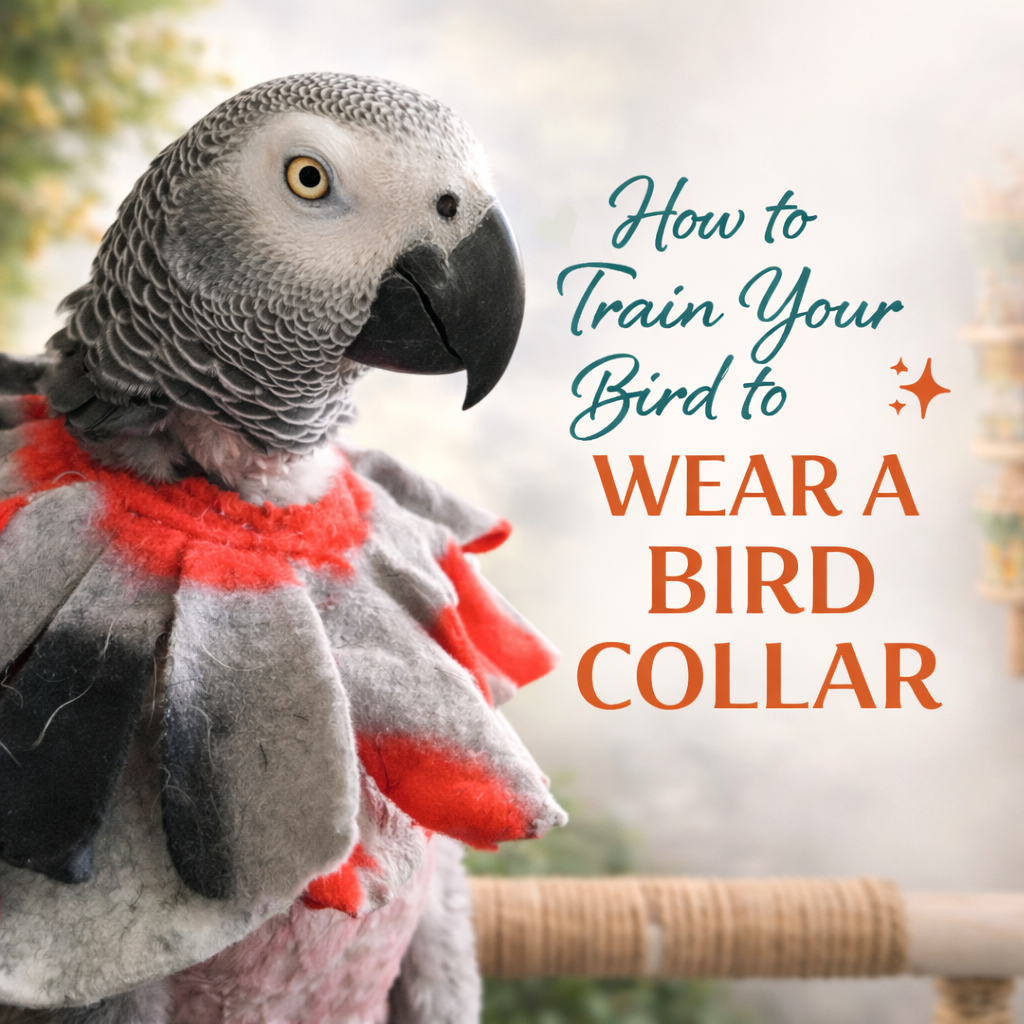
Common types include:
- Elizabethan Collars (E-collars): These are typically rigid, cone-shaped collars, often made from plastic. They are highly effective at preventing access to large areas of the body, particularly the chest and wings. While effective, they can be restrictive, impacting mobility, eating, and drinking, and may require significant adjustment for the bird.
- Soft Collars/Fabric Collars: These collars are made from softer, flexible materials like fleece or cotton, sometimes reinforced with a thin plastic insert. They are generally less restrictive than E-collars, allowing for greater comfort and ease of movement. However, their flexibility might mean they are less effective for birds determined to reach specific areas, especially around the lower body or legs.
- "Donut" or "Neck Pillow" Collars: These are padded, ring-shaped collars that sit around the bird’s neck. They offer a balance between restriction and comfort, preventing access to the body while allowing relatively normal eating, drinking, and perching. They are often a good option for birds who find traditional E-collars too stressful.
- Custom-Made Collars: For birds with unique needs or body shapes, custom-designed collars can be fabricated, often by specialized artisans or veterinary clinics, to provide targeted protection while maximizing comfort.
Regardless of the type, proper sizing and fitting are paramount. A collar that is too tight can cause chafing, restrict breathing, or impede blood flow, while one that is too loose can be easily removed by the bird or allow access to the targeted areas. Material choice is also important, prioritizing non-toxic, lightweight, and easy-to-clean options. Regular inspection for wear, tear, and cleanliness is essential to prevent secondary issues like skin irritation or infection.
A Phased Approach to Collar Introduction: Best Practices for Avian Welfare
The successful introduction of a bird collar hinges on a systematic, patient, and positive reinforcement-based training protocol. Rushing the process can induce severe stress and create a negative association with the collar, potentially exacerbating the bird’s behavioral issues. Avian behaviorists advocate for a multi-stage acclimatization process, prioritizing the bird’s emotional and physical well-being.
Phase 1: Acclimatization and Desensitization (1-3 days)
The initial step involves allowing the bird to observe the collar from a safe distance, without any pressure to interact. The collar can be placed near the cage, in the same room, or within the bird’s sightline during daily activities. The goal here is to teach the bird that the collar is not an immediate threat, reducing its novelty and potential for alarm.
Phase 2: Habituation and Positive Reinforcement (1-2 days)
Once the bird shows no overt signs of fear towards the collar’s presence, integrate it into normal routines. This could involve laying the collar on your shoulder while interacting with the bird, or placing it on a nearby table during feeding or playtimes. Simultaneously, begin gentle touch training, working on handling the bird’s wings, shoulders, and torso, associating these touches with favorite treats or praise. This builds tolerance to physical contact that will be necessary during fitting.
Phase 3: Invite Exploration and Positive Association
Allow the bird to investigate the collar on its own terms. Place the collar within reach, but do not force interaction. Curiosity often overcomes coercion. If the bird approaches, sniffs, or pecks at the collar, immediately reward with high-value treats and verbal praise. This reinforces a positive association with the object.
Phase 4: Prepare the Environment
Before the first fitting, make essential adjustments to the bird’s cage to ensure safety and accessibility. This includes lowering perches, moving food and water bowls closer, and ensuring that toys and enrichment items are easily reachable without excessive maneuvering. These modifications anticipate potential mobility challenges the collar may impose.
Phase 5: First Fitting and Supervised Wear (1-3 hours)
When both the bird and owner are calm and ready, the first fitting can occur. This should be a brief, controlled event. Place the collar on the bird for a short duration (e.g., 1-3 hours) under close supervision. Observe the bird’s reactions carefully. Initial awkward movements, attempts to remove the collar, and investigation of the new sensation are normal. The bird may struggle with balance or navigation initially. Provide reassurance and quiet observation.
Phase 6: Gradual Increase in Wear Time and Building Strength
After a successful initial fitting, gradually increase the wear time in increments of 30-60 minutes, always under supervision. This incremental approach allows the bird to build the physical strength and coordination needed to comfortably carry the collar and adapt to its restricted field of vision and movement. Patience during this phase is paramount, as some birds may take longer to adjust than others. Visual guides and demonstrations, such as the video referenced in the original content, can be invaluable for owners.
Phase 7: Return the Cage to Normal (Gradual)
As the bird’s tolerance and confidence improve, slowly return perches and bowls to their usual positions. Some birds, particularly those that are nervous or have mobility issues, may require ongoing assistance to relearn how to perch, climb, eat, or drink with the collar on. Continuous monitoring ensures the bird maintains access to essential resources.
Throughout this entire process, consistency, short training sessions, and always ending on a positive note are critical for minimizing stress and fostering acceptance.

Expert Perspectives and Ethical Considerations
The use of avian collars sparks important discussions among avian professionals regarding their ethical application and role in comprehensive care.
Avian Veterinarians view collars as a legitimate medical tool, often a necessity in cases of severe self-mutilation or post-operative care where the risk of physical harm outweighs the potential stress of wearing the device. Dr. Diane Burroughs, an avian behavior specialist with over 30 years of experience, emphasizes that collars are "a supportive bridge" to protect feathers and skin while the "bigger picture" of underlying causes is addressed. Veterinarians stress the importance of a thorough diagnostic work-up prior to collar application to ensure that all medical causes of FDBs are identified and treated concurrently. They advocate for collars to be part of a holistic treatment plan, not a standalone solution.
Avian Behaviorists largely agree with the protective utility of collars but emphasize that physical restraint alone will not resolve the behavioral or psychological drivers of FDBs. They advocate for concurrent behavioral modification strategies, environmental enrichment, and addressing specific stressors. While collars can interrupt the reinforcing cycle of self-mutilation, behaviorists warn against viewing them as a "fix." They underscore the ethical responsibility to minimize the bird’s discomfort and stress, ensuring that the collar’s application genuinely improves the bird’s overall welfare rather than merely suppressing a symptom.
Animal Welfare Organizations generally support the use of collars as a humane intervention when necessary to prevent severe self-harm, provided that the bird’s quality of life is carefully monitored, and efforts are made to resolve the underlying issues. Ethical considerations revolve around balancing the immediate need for protection against the potential for chronic stress or restriction. Informed owner decision-making, guided by professional advice, is considered crucial. There is a broad consensus that while a collar might initially cause distress, allowing a bird to continue self-mutilating can lead to far greater suffering and irreversible damage.
The perception of collars as a "last resort" is gradually shifting. While they should not be the first line of defense for mild plucking, their early, thoughtful intervention for escalating damage can prevent more severe, chronic issues, ultimately improving the bird’s prognosis and welfare.
Addressing Common Misconceptions and Owner Challenges
Owners often face a steep learning curve and emotional challenges when considering or implementing a bird collar. Several common misconceptions and mistakes can hinder successful outcomes.
- Trying to Fix Everything at Once: The urge to implement rapid, sweeping changes to diet, environment, and routine simultaneously with collar introduction can overwhelm a bird. Collars work best when paired with slow, predictable adjustments, allowing the bird to adapt incrementally rather than facing an abrupt overhaul.
- Following Advice Without Context: Online forums and social media groups offer a wealth of information, but general advice may not be suitable for every bird. Each bird is an individual with unique sensitivities, medical history, and personality. What proved effective for one bird might be unnecessary or even counterproductive for another. A critical "time check" on when behaviors started or escalated, and what events coincided, often provides more valuable context than simply copying another owner’s solution.
- Viewing Collars as a Punishment: Collars are therapeutic tools, not disciplinary devices. Approaching their use with patience and positive reinforcement, rather than frustration, is vital for the bird’s emotional well-being.
- The "Quick Fix" Mentality: Collars provide physical protection, but they do not address the root causes of FDBs. Owners must commit to a long-term strategy involving veterinary diagnostics, environmental enrichment, and behavioral modification.
- Owner Anxiety: It is entirely normal for owners to feel nervous, second-guess themselves, or worry about causing further stress. This emotional burden is significant, and seeking support from avian veterinarians, behaviorists, and experienced bird communities can be invaluable.
Recognizing these challenges and approaching the situation with empathy, patience, and professional guidance is key to navigating the adjustment period for both the bird and its owner.
Broader Implications and Future Directions in Avian Care
The thoughtful application of bird collars represents a practical advancement in managing complex avian welfare issues. This area of care continues to evolve with a growing understanding of FDBs and an increasing emphasis on integrated, compassionate approaches.
Future directions in avian care related to collars include:
- Improved Collar Designs: Ongoing innovation in materials and ergonomic designs aims to maximize comfort, minimize restriction, and enhance the bird’s ability to eat, drink, and move naturally while wearing a collar.
- Advanced Diagnostics: Continued research into the physiological and neurological underpinnings of FDBs promises more targeted diagnostic tools and treatments, potentially reducing the duration or necessity of collar use.
- Integrated Behavioral Therapies: A deeper understanding of avian psychology is leading to more sophisticated, non-aversive behavioral modification techniques that can be implemented alongside physical barriers.
- Enhanced Owner Education: The emphasis on comprehensive owner education, including training videos, workshops, and accessible professional consultation, is critical for successful collar implementation and long-term management of FDBs.
- Preventative Care: A focus on optimal environmental enrichment, species-appropriate diets, regular veterinary check-ups, and early intervention for subtle behavioral changes aims to prevent the escalation of FDBs to the point where collars become necessary.
In conclusion, avian health experts affirm that bird collars can be a safe and effective intervention for feather destructive behaviors when introduced with careful planning, patience, and professional guidance. They are a valuable tool, not a panacea, designed to provide crucial physical protection while owners, in collaboration with avian veterinarians and behaviorists, work diligently to uncover and treat the underlying causes of self-mutilation. When integrated into a comprehensive, professionally guided care strategy, collars can serve as a supportive bridge, allowing birds to heal and offering them a pathway toward improved health and quality of life.

