


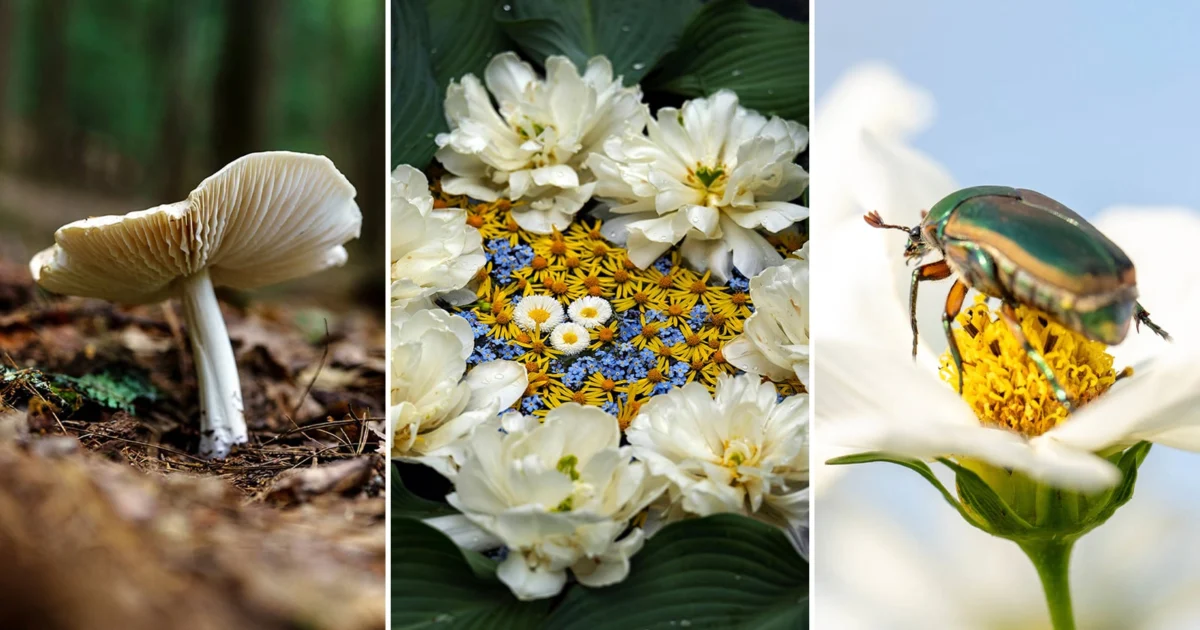
The discipline of macro photography represents a specialized branch of optics and artistry that enables the reproduction of subjects at life-sized or greater magnifications on a camera sensor. Defined technically by a 1:1 magnification ratio, macro photography transforms the minute details of the natural and manufactured world—from the compound eyes of a beetle to the intricate circuitry of a microchip—into monumental visual narratives. As digital imaging technology advances, the barrier to entry for high-quality close-up photography has lowered, yet the technical demands for achieving sharpness, proper illumination, and compositional balance remain a rigorous challenge for practitioners.
The Technical Evolution of Macro Imaging
The history of macro photography is a chronology of optical innovation. In the early 20th century, capturing close-up images required cumbersome bellows systems and specialized "micro" lenses that were difficult to calibrate. By the mid-1950s, the introduction of dedicated macro lenses for SLR cameras allowed photographers to focus from infinity to life-size without external accessories.

The transition to digital sensors in the early 2000s marked a pivotal shift, providing photographers with the ability to review focus and exposure in real-time—a critical advantage given the razor-thin depth of field inherent in close-up work. Today, the advent of mirrorless camera systems has further revolutionized the field. Features such as focus peaking, which highlights sharp edges in the viewfinder, and in-camera focus bracketing have automated processes that previously required hours of manual labor and post-processing.

Essential Hardware and Optical Specifications
Selecting the appropriate equipment is the primary step in establishing a professional macro workflow. While many consumer-grade zoom lenses feature a "macro" setting, these rarely achieve a true 1:1 ratio, often hovering around 1:3 or 1:4 magnification.
Dedicated Macro Lenses
Professional macro lenses are typically prime lenses designed for flat-field reproduction, ensuring sharpness from the center to the corners of the frame.
- Short Focal Lengths (50mm–60mm): Ideal for static subjects, product photography, and document duplication. Their compact size makes them suitable for studio environments where the photographer can get physically close to the subject.
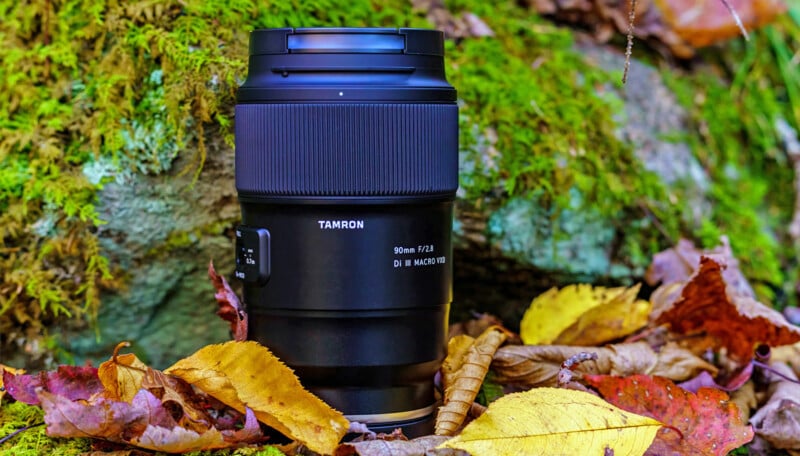
- Standard Focal Lengths (90mm–105mm): Widely considered the "gold standard" for macro work. Lenses like the Tamron 90mm f/2.8 Di III Macro VXD offer a balance of manageable weight and a comfortable working distance, which is essential for preventing the camera from casting a shadow on the subject.
- Telephoto Focal Lengths (150mm–200mm): These are the preferred tools for entomologists and wildlife photographers. The increased focal length allows for significant magnification from a distance, which is necessary when photographing skittish insects or dangerous wildlife.
Support Systems and Stability
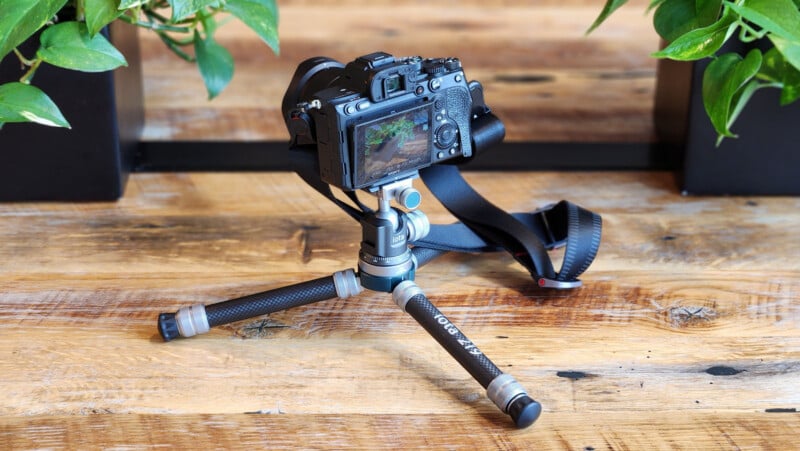
In the macro realm, the slightest vibration—even from the camera’s internal shutter mechanism or a light breeze—can result in catastrophic motion blur. Professional practitioners frequently utilize specialized tripods, such as the ProMaster iota series, which are designed to sit extremely low to the ground.
To achieve surgical precision, many photographers employ macro focusing rails. These devices allow the camera to be moved in sub-millimeter increments, providing far more control over focus placement than the lens’s manual focus ring. Furthermore, the use of remote shutter releases or smartphone-integrated apps is an industry standard to eliminate the vibration caused by physical contact with the camera.
The Physics of Light in Close-Up Environments
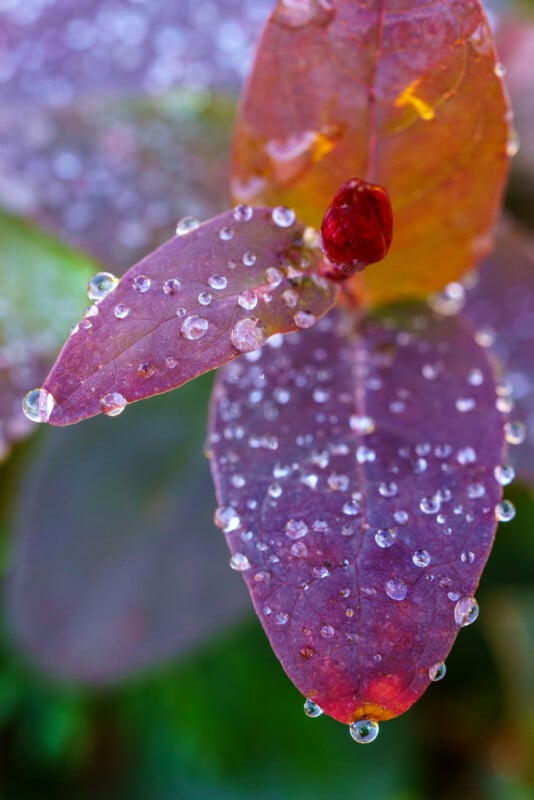
Lighting is arguably the most complex variable in macro photography. As a lens moves closer to a subject, the "effective aperture" changes, often resulting in a significant loss of light reaching the sensor. This necessitates the use of high-output, highly controlled light sources.
Natural Light and Diffusion
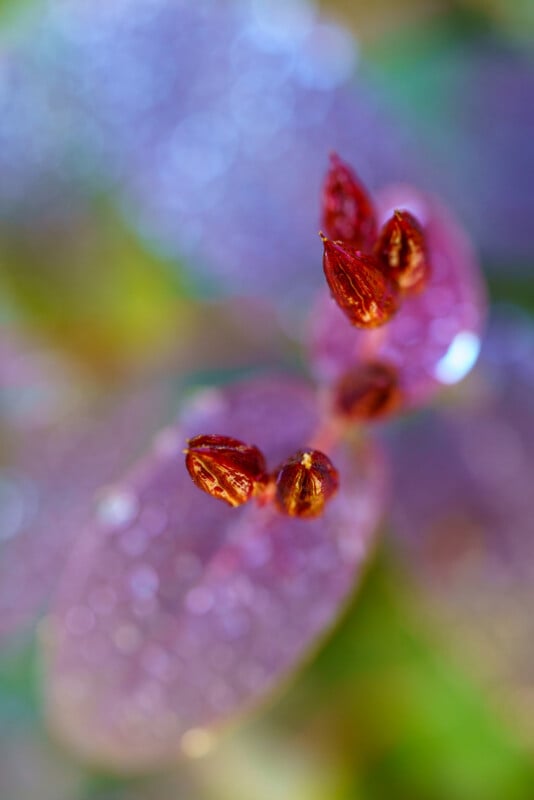
While golden hour and overcast skies provide soft, directional light, they often lack the intensity required for small apertures. When working with natural light, the use of reflectors and diffusers is imperative. A simple white foam board can bounce light into deep shadows on a flower petal, while a translucent silk panel can soften harsh midday sun, preventing "blown-out" highlights on reflective insect carapaces.
Artificial Illumination and Flash
Flash photography is the preferred method for freezing movement and ensuring sharpness.

- Ring Flashes: These mount to the front of the lens, providing even, shadowless illumination. While popular in medical and dental photography, they can sometimes produce "flat" lighting that lacks texture.
- Twin-Lite Systems: These consist of two small flash heads mounted on either side of the lens. They allow for directional lighting, which creates highlights and shadows that define the three-dimensional form of the subject.
- LED Panels: Modern RGB LED lights provide a "what-you-see-is-what-you-get" experience, allowing the photographer to adjust shadows and highlights in real-time before the shutter is pressed.
Advanced Methodology: Focus Stacking and Computational Photography
One of the most significant limitations of macro photography is the physics of depth of field. Even at a narrow aperture of f/11, the plane of focus on a tiny subject may only be a fraction of a millimeter thick. To overcome this, professional photographers utilize "focus stacking."

This technique involves capturing a series of images, starting from the nearest point of the subject and moving the focus incrementally to the furthest point. These images are then merged using specialized software such as Adobe Photoshop, Helicon Focus, or Zerene Stacker. The resulting image possesses a depth of field that is physically impossible to achieve in a single exposure, maintaining sharpness across the entire subject while keeping the background in a soft, aesthetically pleasing blur.
Subject-Specific Strategies
Entomology (Insect Photography)
Success in insect photography requires an understanding of biological rhythms. Many practitioners shoot during the early morning hours when cooler temperatures lower the metabolic rate of insects, rendering them less active. Focus must be placed precisely on the ommatidia (eye facets) to create a sense of connection and life in the final image.
Botany and Floral Art
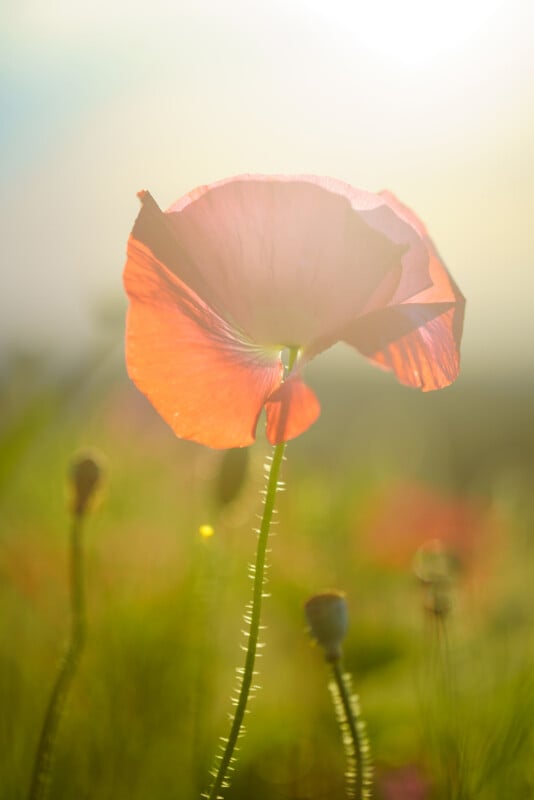
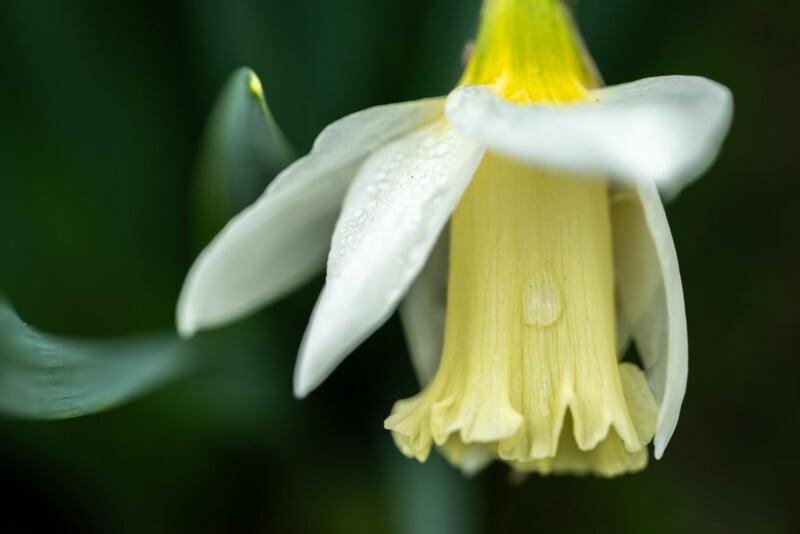
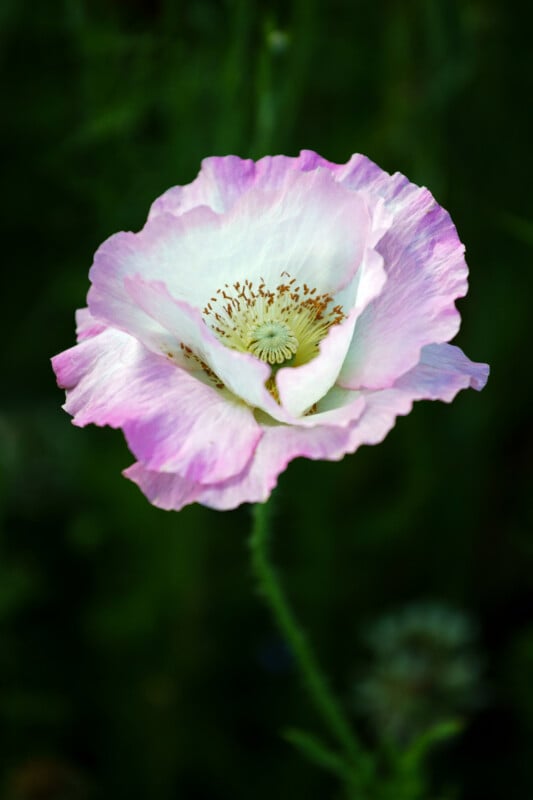
Flowers are dynamic subjects that respond to the environment. Wind is the primary adversary in this sub-genre. Professionals often use small clamps, known as "plamps," to stabilize a flower’s stem without damaging the plant. Backlighting is frequently employed to highlight the translucency of petals and the fine hairs on stems.
Commercial Product and Jewelry Photography
In the commercial sector, macro photography is used to convey luxury and quality. This requires meticulous preparation; subjects must be cleaned with microfiber cloths and compressed air, as a single speck of dust can appear like a boulder at high magnification. Polarizing filters are essential here to manage specular reflections on polished metal and gemstones.
Common Technical Pitfalls and Industry Standards
A frequent error among novice macro photographers is the "diffraction trap." While it is tempting to stop the lens down to f/22 or f/32 to increase depth of field, this often leads to diffraction—a physical phenomenon where light waves interfere with each other as they pass through a tiny opening, resulting in a loss of overall sharpness. Industry experts suggest staying between f/8 and f/13 for optimal results, using focus stacking if more depth is required.

Another common mistake is the neglect of the background. Because macro lenses isolate subjects so effectively, any high-contrast element in the background can become a major distraction. Practitioners are advised to "clean" the background by slightly adjusting the camera angle to ensure a uniform wash of color.

The Broader Impact of Macro Imaging
The implications of macro photography extend far beyond the gallery wall. In scientific research, high-resolution macro imaging is used to document new species and study the effects of environmental changes on pollinators. In the global e-commerce market, which surpassed $5 trillion in sales recently, high-quality macro images of products have been shown to increase consumer confidence and reduce return rates by providing an accurate representation of texture and craftsmanship.
As AI and computational photography continue to evolve, the future of macro imaging likely lies in further automation of the focus-stacking process and the development of sensors with even greater dynamic range. However, the core of the craft remains a human endeavor—requiring patience, a keen eye for detail, and a profound appreciation for the intricate beauty of the world’s smallest wonders. Macro photography serves as a reminder that within the mundane lies the extraordinary, provided one is willing to look closely enough.

