


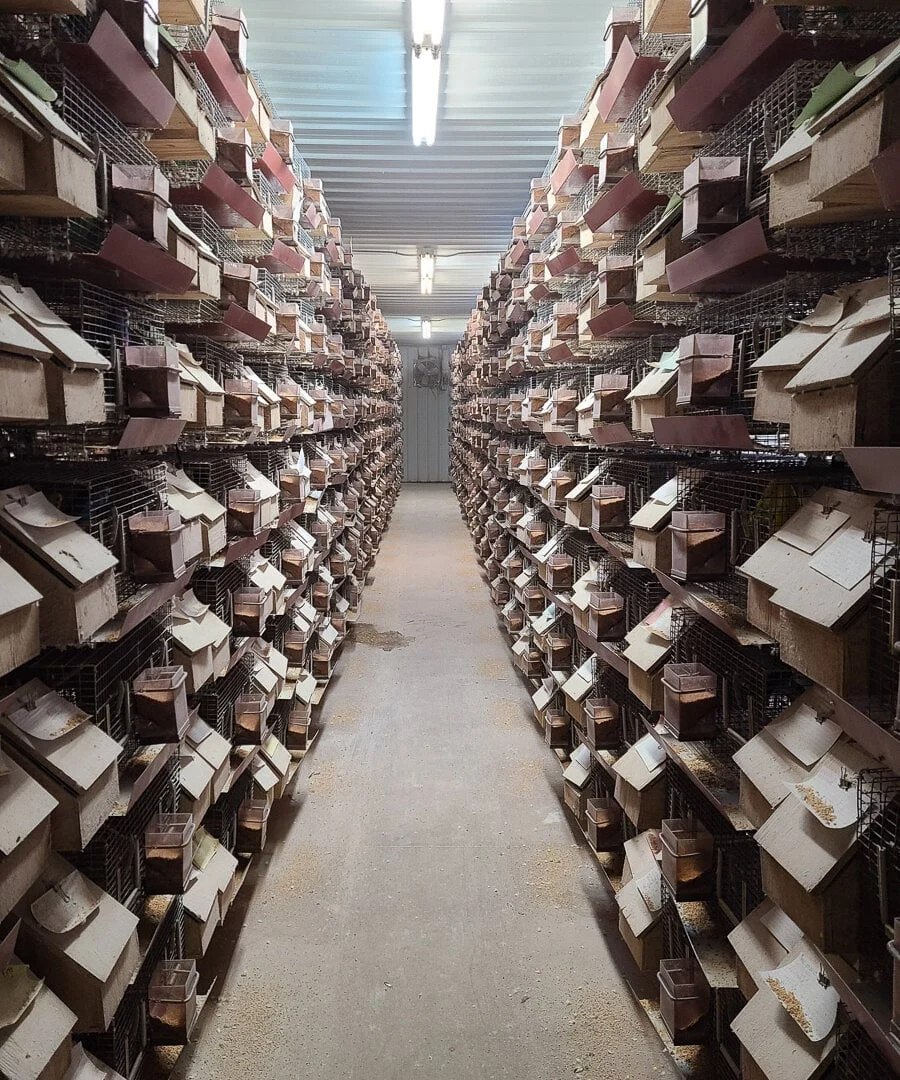
An undercover investigation conducted over the course of three months has revealed systemic animal cruelty and hazardous sanitary conditions at Creekside Birds, a large-scale avian breeding facility located in rural Oklahoma. The findings, released by People for the Ethical Treatment of Animals (PETA), detail a "factory farm" environment where approximately 10,000 parakeets—commonly known as budgerigars—are housed in cramped, filthy conditions. These birds serve as the primary inventory for major national pet retailers, including PetSmart, Petco, and Petland. The report alleges that the facility operates with a disregard for basic veterinary care, resulting in a staggering mortality rate and the use of violent, improvised euthanasia methods.
The Scope of the Undercover Investigation
The investigation took place in a large metal barn off an Oklahoma highway, where a PETA operative secured employment to document the daily operations of the breeder. According to the investigator’s logs, the facility functions as a high-volume production line designed to meet the demands of the retail pet industry. Parakeets are kept in wire cages stacked from floor to ceiling, where they remain 24 hours a day.
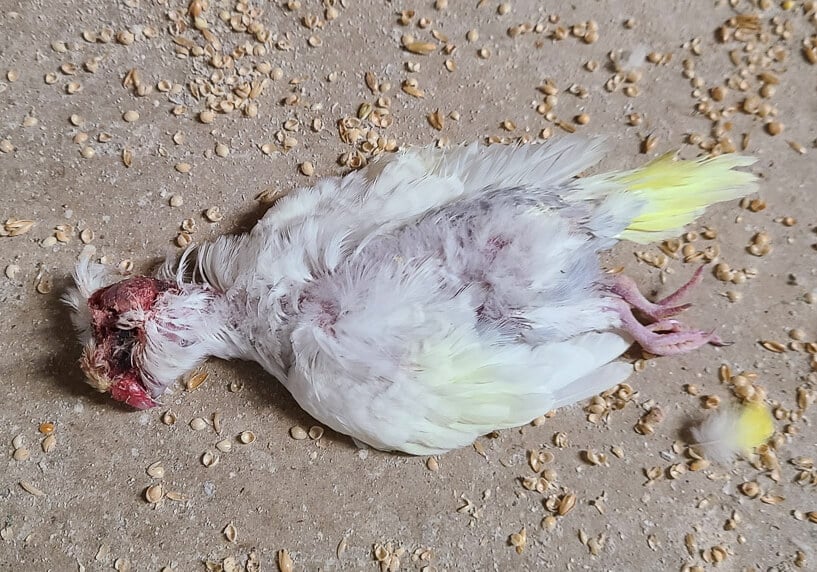
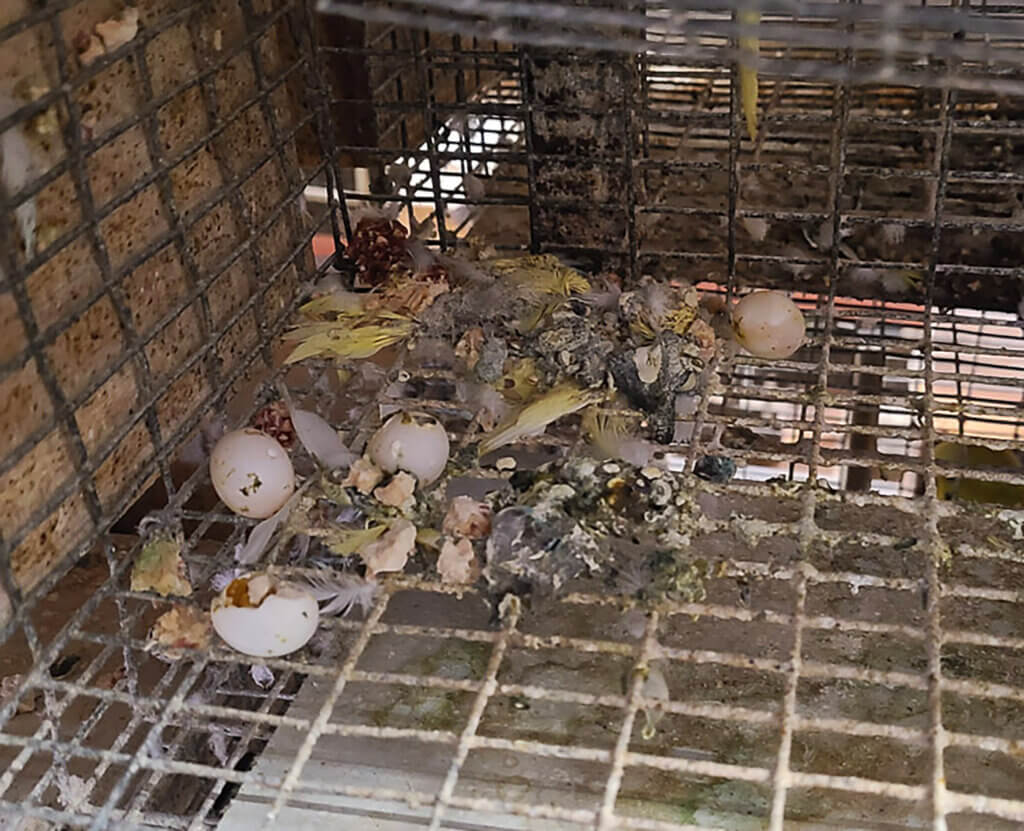
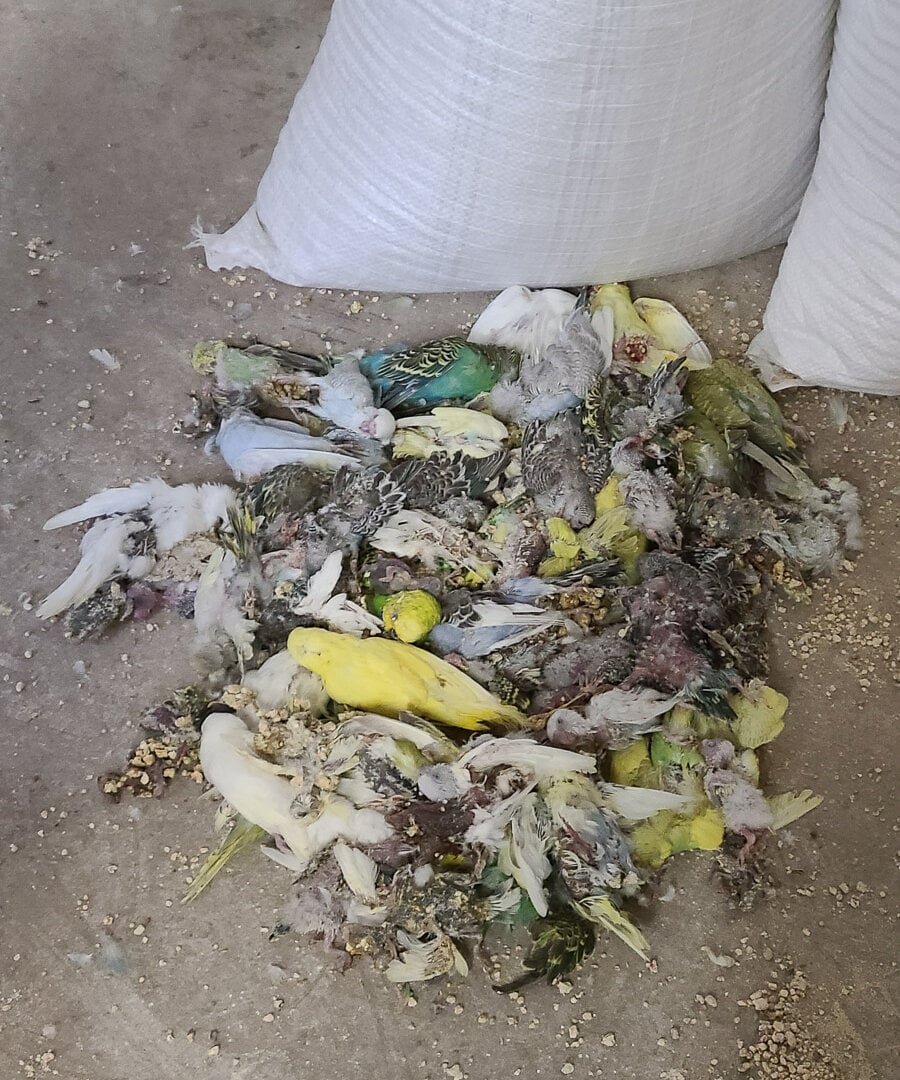
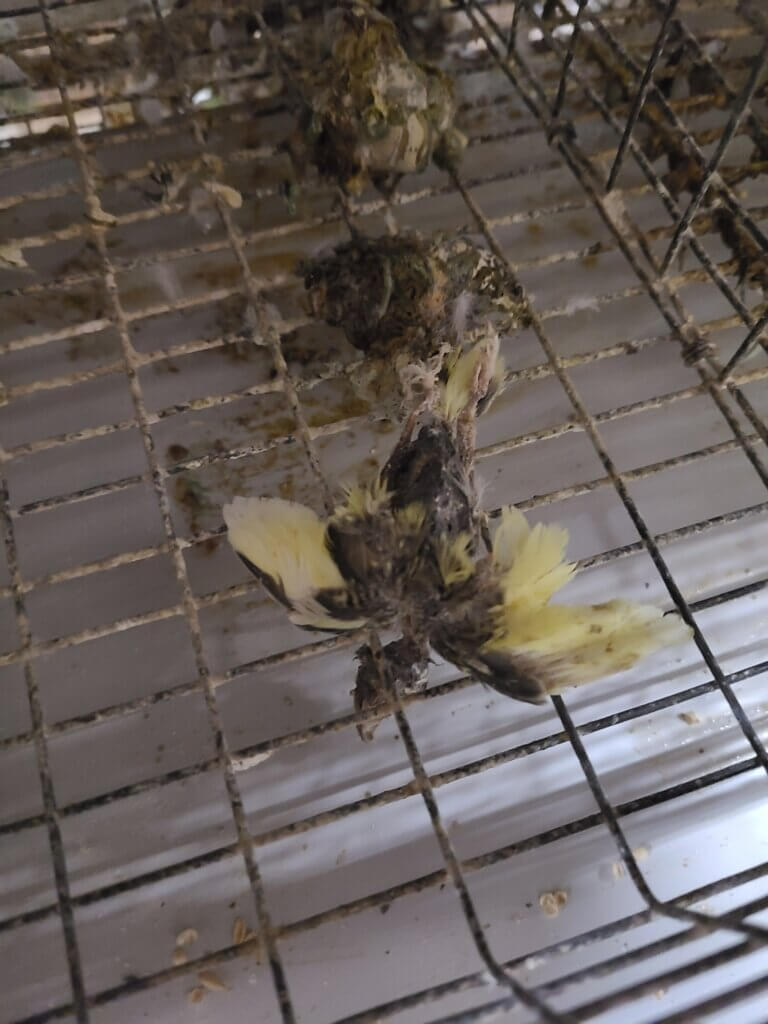
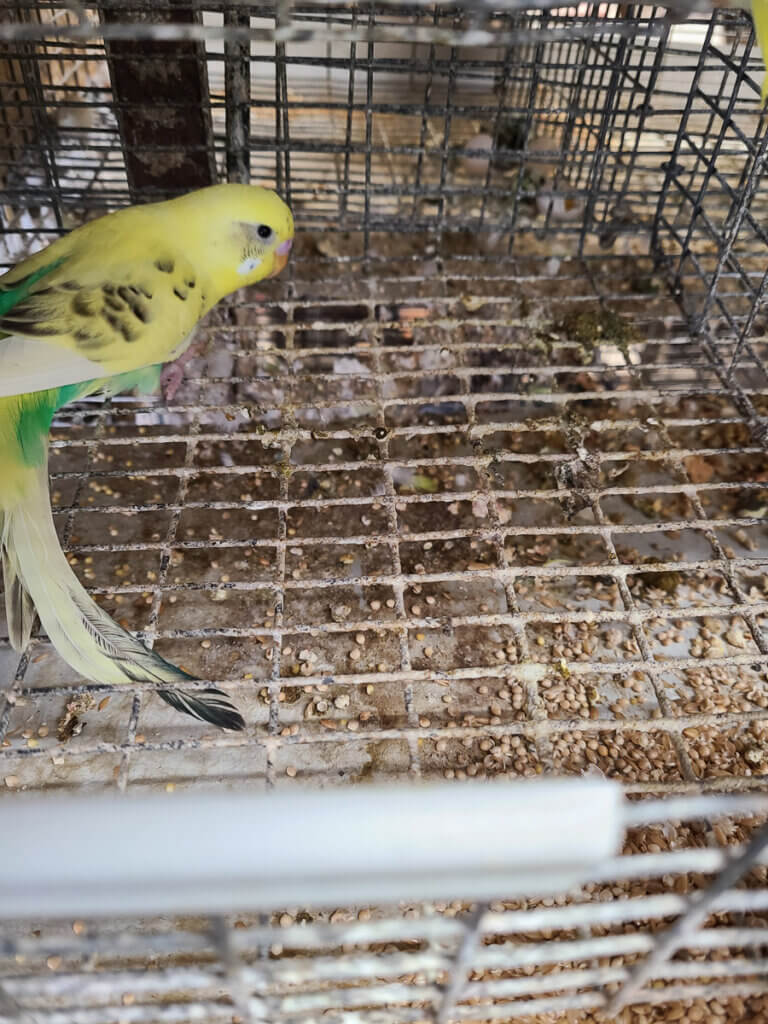
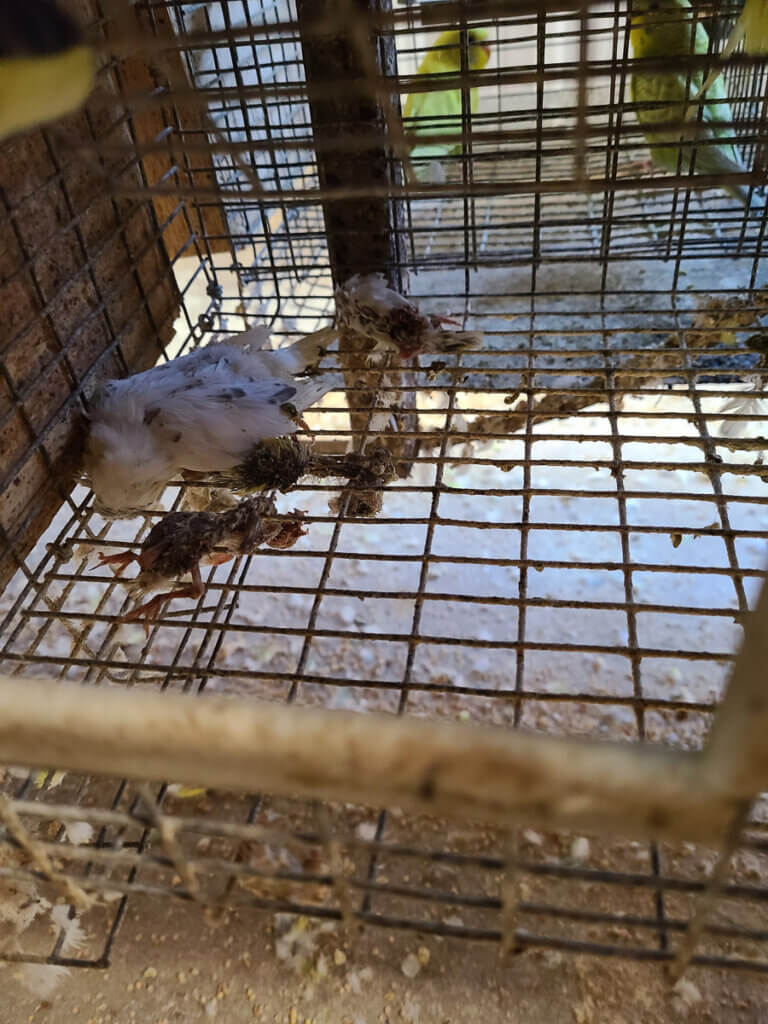
During the three-month period, the investigator documented a environment characterized by neglect. Cages were reportedly caked in layers of accumulated feces, and the air within the barn was heavy with the smell of ammonia and dust—factors known to be highly detrimental to the sensitive respiratory systems of birds. The investigation highlighted a specific period of 27 days during which nearly 1,400 birds were found dead within the facility, averaging more than 50 deaths per day. In some instances, over 100 carcasses were collected in a single 24-hour shift.
Confinement and Psychological Distress
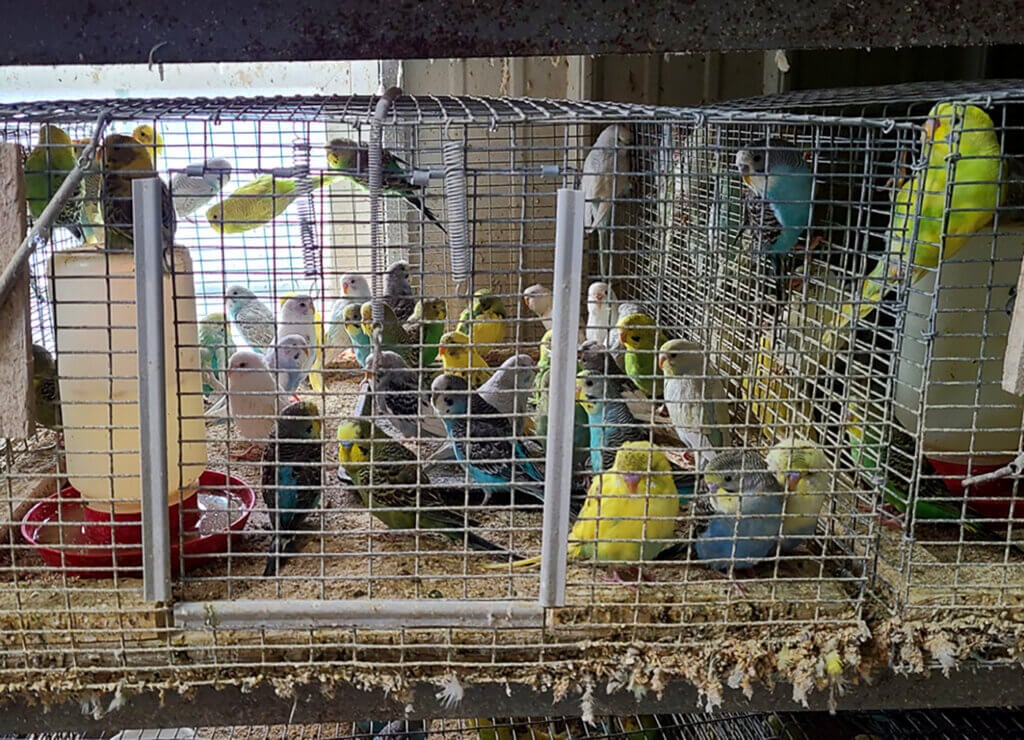
The physical constraints placed upon the birds at Creekside Birds stand in stark contrast to their natural biological needs. In the wild, parakeets are highly social, migratory birds native to Australia, known to fly long distances in search of resources. At the Oklahoma facility, breeding pairs are confined to metal cages measuring approximately nine inches in each direction. Given that the average wingspan of a parakeet is 12 inches, the birds are physically unable to fully extend their wings within their enclosures.
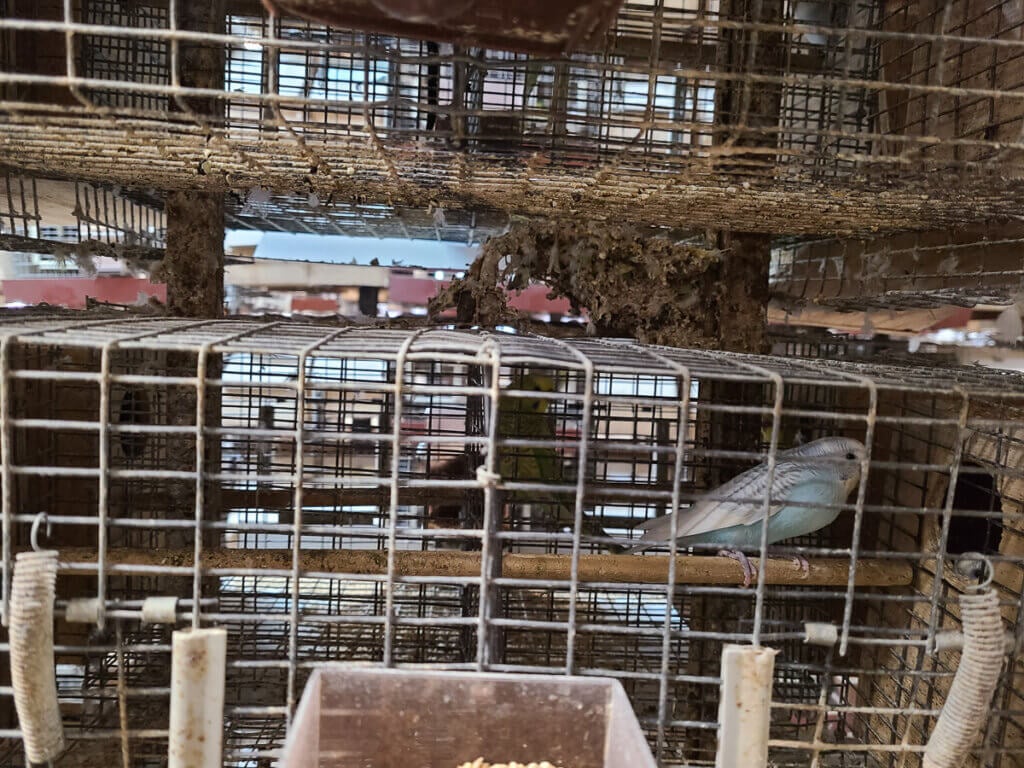
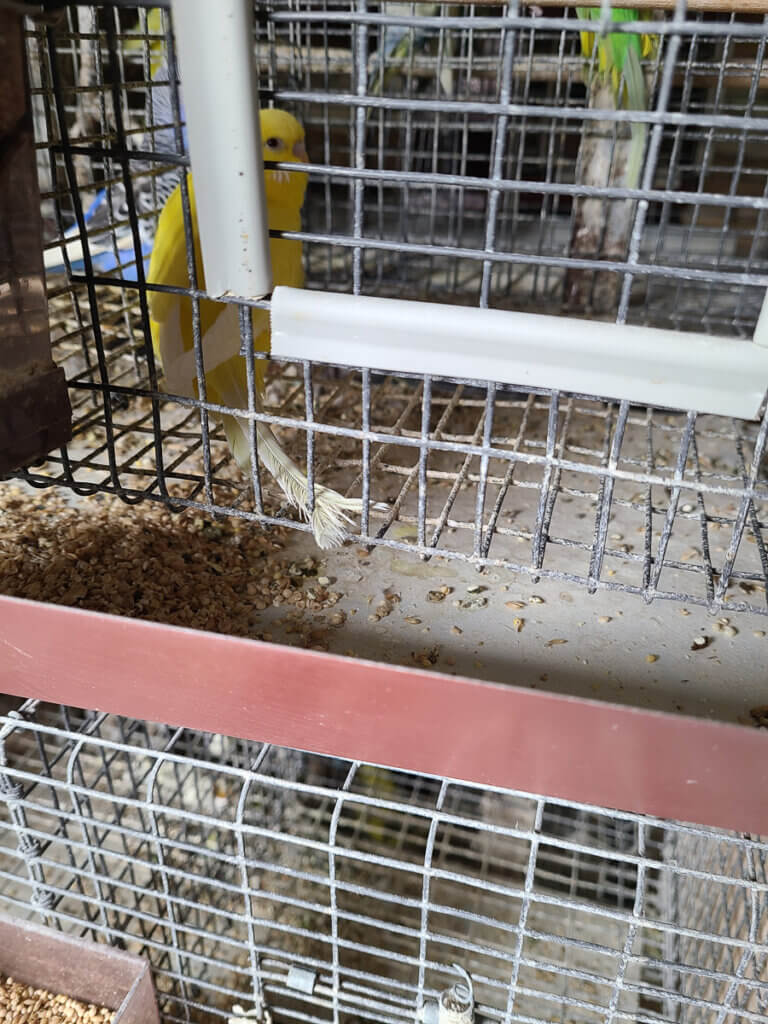
This prolonged confinement leads to visible physical degradation. The investigation noted that many birds suffered from frayed or missing tail feathers because the cages lacked sufficient space for them to perch without their plumage rubbing against the wire bars. Furthermore, the psychological impact of such confinement manifested in "stereotypies"—repetitive, purposeless behaviors such as constant pacing, head-bobbing, and climbing cage bars. These actions are widely recognized by avian behaviorists as indicators of profound psychological distress and environmental deprivation.
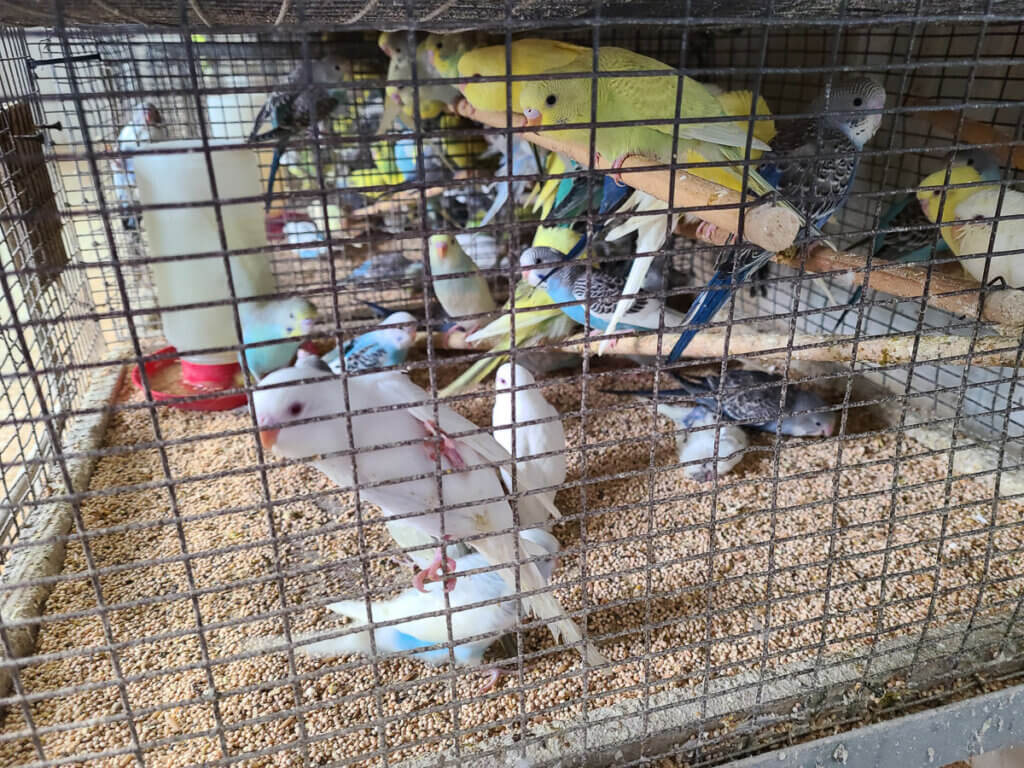
The social structure of the birds was also compromised. While parakeets naturally thrive in large flocks with complex communication patterns, the "grow-out" cages at Creekside were reportedly packed with up to 50 young birds at a time. This overcrowding led to increased aggression; workers reported that birds frequently attacked one another, and in some cases, parents wounded or killed their own offspring—a phenomenon the facility’s co-owner allegedly admitted occurred "all the time."
Sanitation and Disease Outbreaks
The investigation brought to light a severe lack of hygiene protocol. Management reportedly informed the investigator that cages were never fully removed or deep-cleaned because the floor-to-ceiling frames made the process too labor-intensive. Instead, waste trays were merely "scraped," leading to what workers termed "poop towers"—mounds of feces reaching several inches high within the breeding cages.
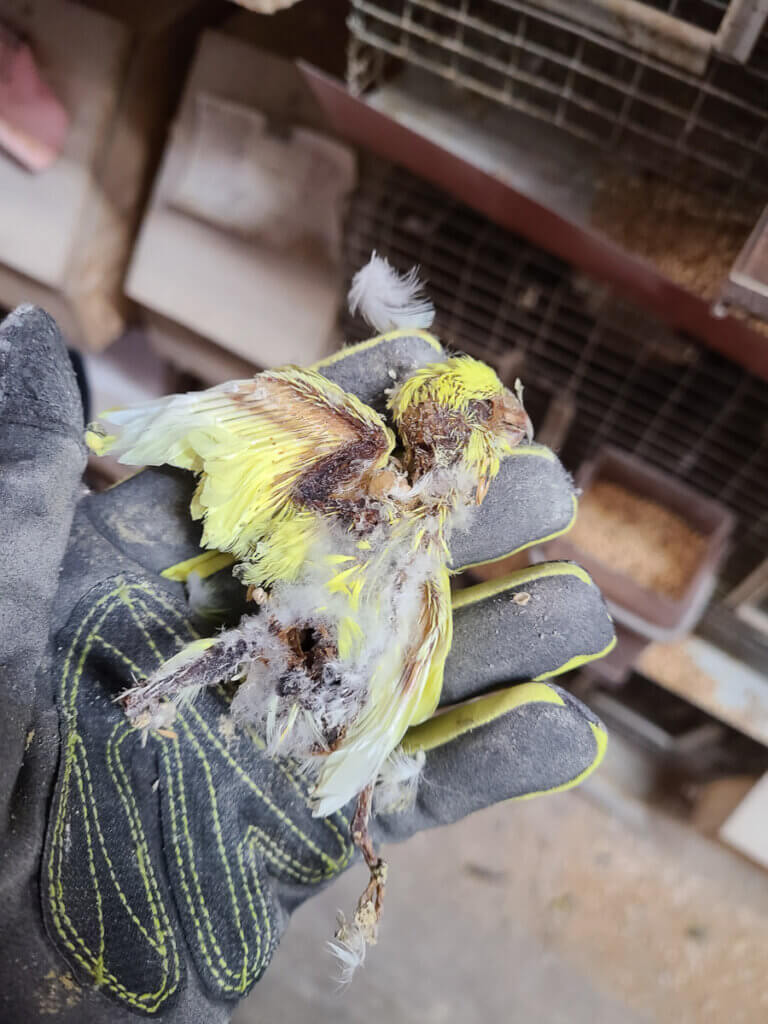
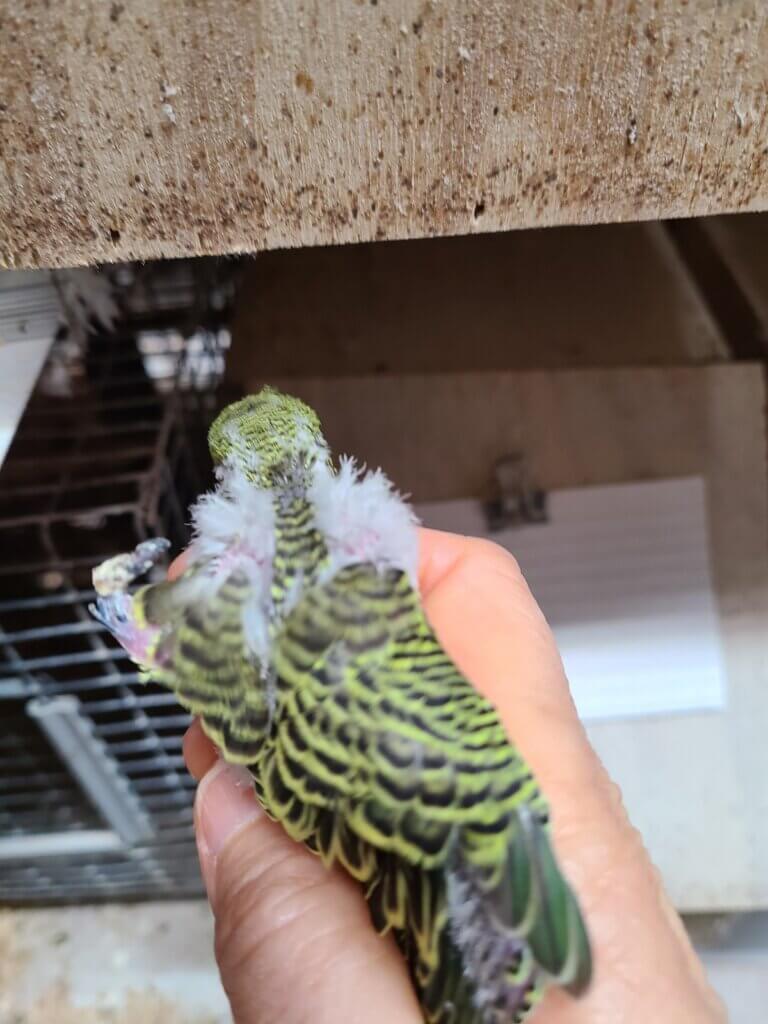
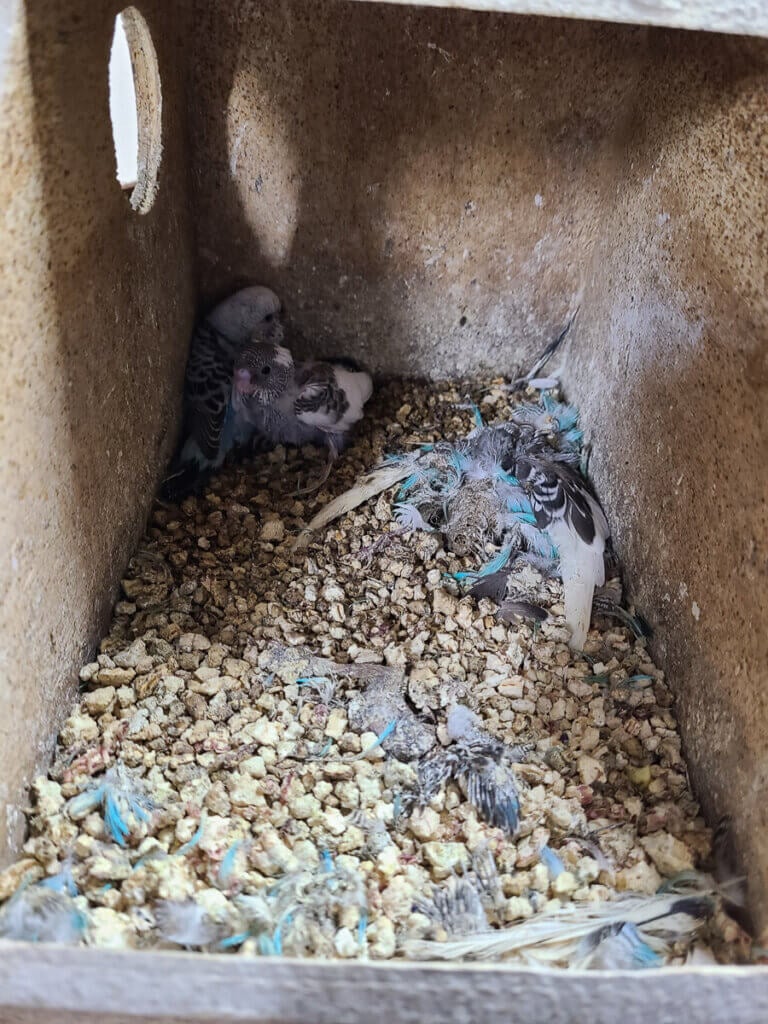
These unsanitary conditions served as a breeding ground for pathogens. The report identifies the presence of avian polyomavirus, a highly contagious and often fatal disease among parakeet chicks. Survivors of the virus frequently develop "French molt," a condition characterized by abnormal feather growth or total feather loss, rendering the birds unsaleable. The investigator noted that chicks were often kept on soiled litter teeming with maggots, sometimes adjacent to the desiccated remains of dead siblings that had been left to rot in the cages.
Allegations of Cruel Euthanasia and Neglect
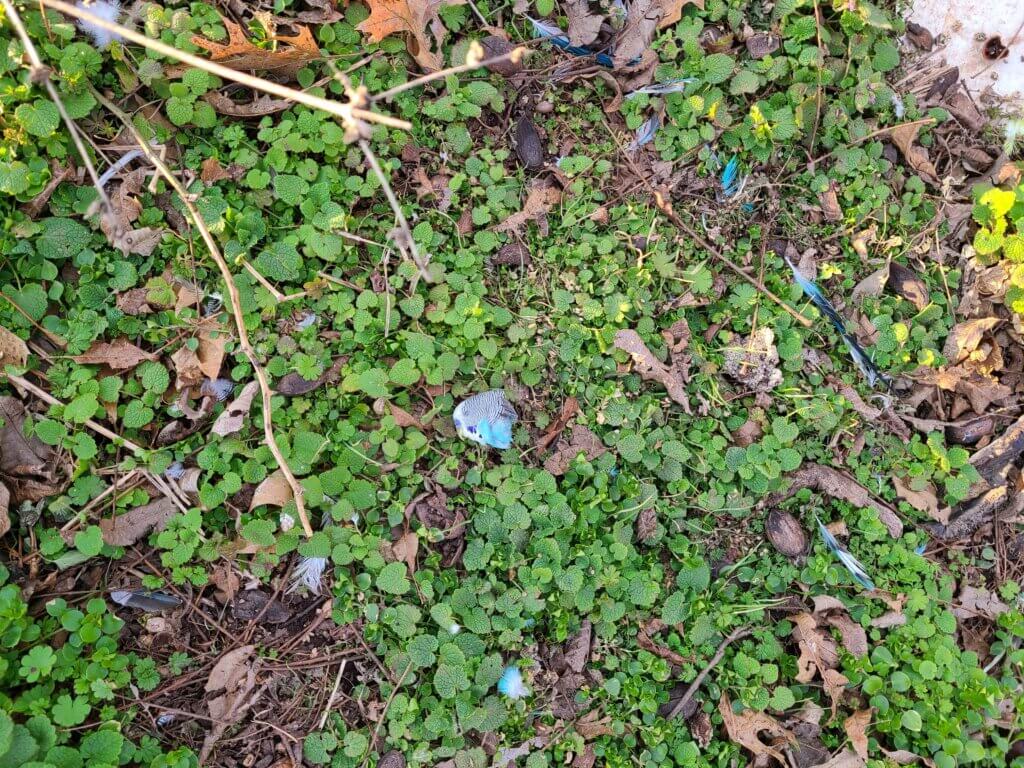
Perhaps the most harrowing aspect of the report involves the methods used by staff to "cull" sick or injured birds. The investigator documented senior workers and a co-owner killing parakeets by crushing their necks between their fingers or "pinching" their throats. Other documented methods included flinging sick birds against the ground or manually ripping their heads off. One co-owner reportedly justified the latter method by stating it was "faster" than other options.
The report also details several individual cases of extreme neglect:
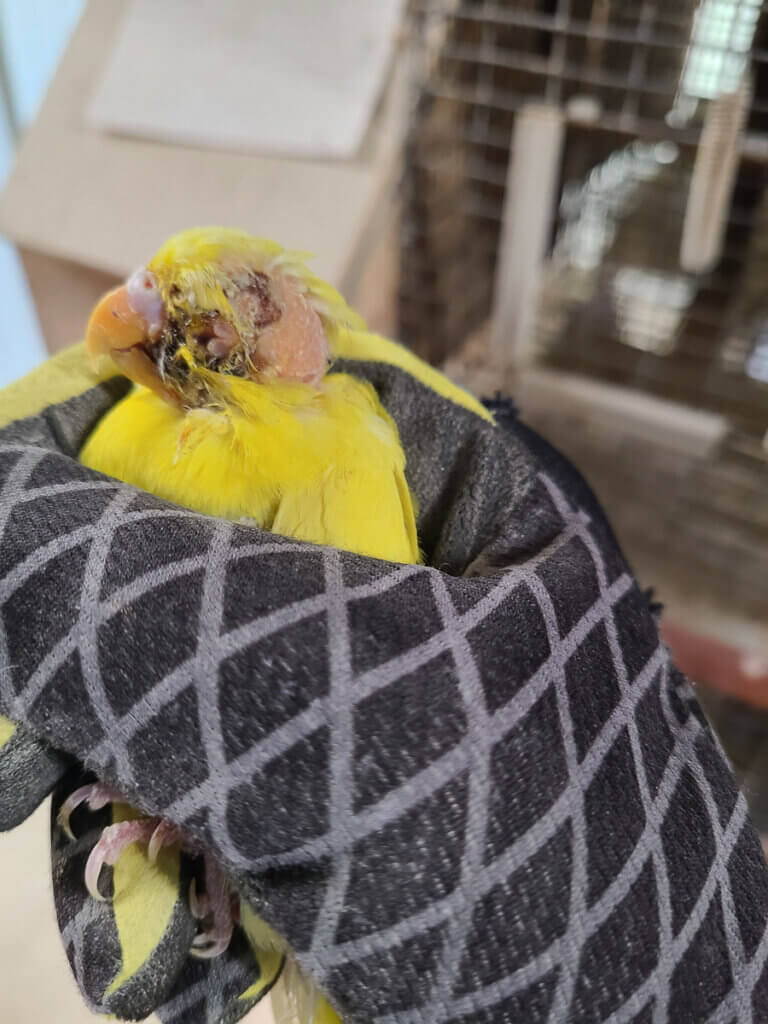
- Nancy: A parakeet who became entangled in cage wire and was subsequently attacked by another bird. She suffered severe facial injuries and lost an eye. Despite the investigator’s pleas for veterinary intervention, the co-owner refused care. Nancy died after suffering for two weeks.
- Thomas: A bird exhibiting neurological symptoms and an inability to stand. When the investigator suggested a veterinary consult, a worker allegedly laughed, stating that paying for a veterinarian would eliminate the facility’s profit margins.
- The "Sick-Bird Cage": Birds deemed unsaleable due to diarrhea, low weight, or feather loss were moved to a specific cage. If they did not improve within a week without medical treatment, they were summarily killed.
The Pet Store Supply Chain and Corporate Responsibility
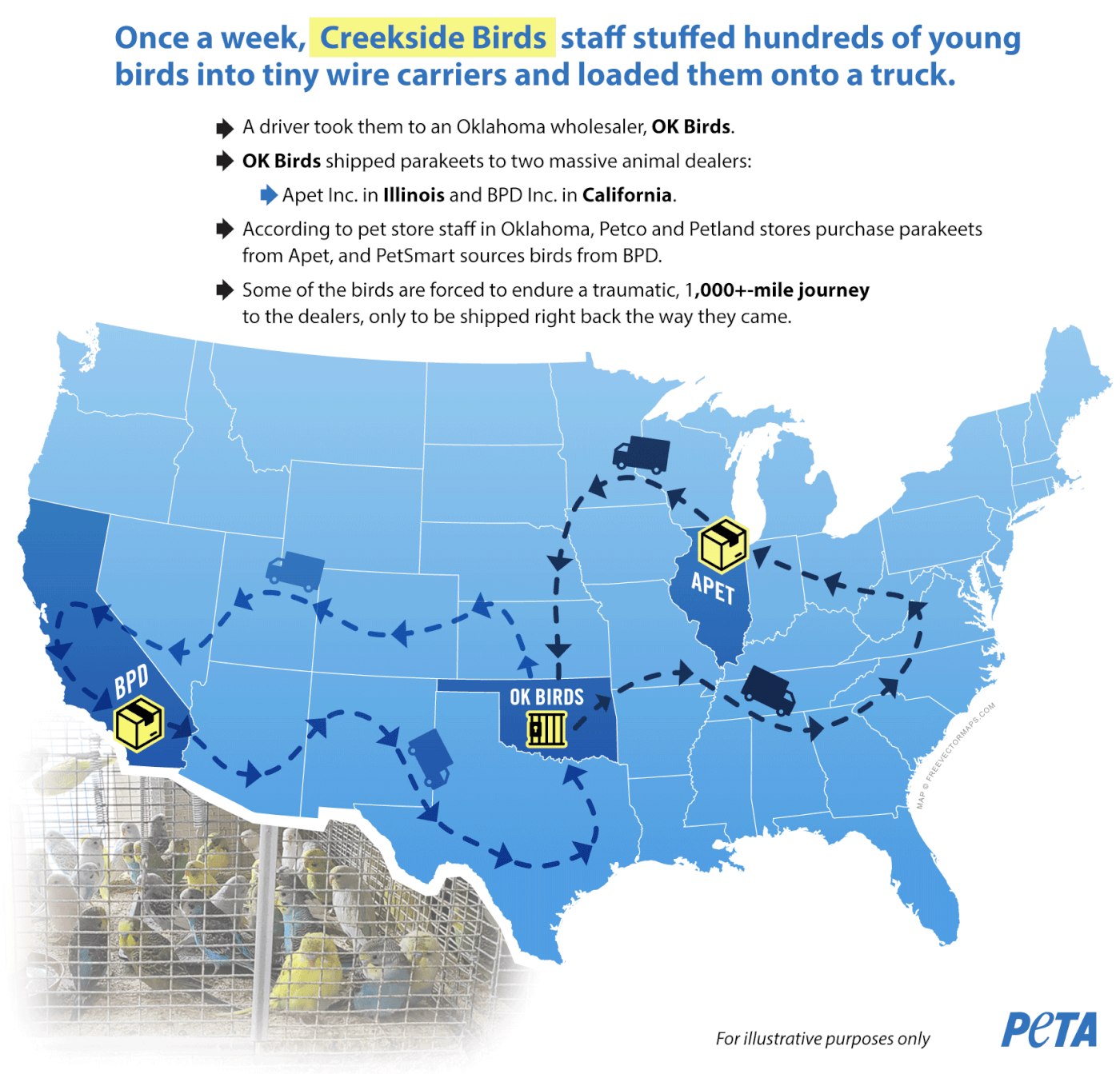
The findings at Creekside Birds highlight the complex and often opaque supply chain that connects industrial breeders to major retail outlets. PetSmart, Petco, and Petland are among the primary distributors of birds sourced from such facilities. This investigation marks the ninth time PETA has exposed similar conditions at animal dealers linked to big-box pet stores.
While these retailers often market themselves as champions of animal welfare, the repetitive nature of these exposés suggests a systemic failure in vendor oversight. In response to similar past investigations, retail corporations have typically issued statements claiming to "investigate the matter" or "terminate relationships with non-compliant vendors." However, animal rights advocates argue that as long as the "merchandise model" for live animals exists, the economic pressure for high-volume, low-cost production will inevitably lead to the conditions documented at Creekside Birds.
Biological Context and Industry Standards
To understand the gravity of the findings, it is necessary to look at the industry standards for avian care. The Association of Avian Veterinarians (AAV) emphasizes that birds require social interaction, mental stimulation, and sufficient space for flight to maintain health. The "factory" approach to breeding—reducing parakeets to "baby bird machines" that produce up to five chicks every two months—is a significant departure from ethical husbandry.
In a natural setting, parakeets typically breed once a year following seasonal rains. Forcing year-round production leads to physical exhaustion in female birds, a condition known as "egg-binding" or calcium depletion, which can be fatal. When these birds can no longer produce at the required rate, they are often disposed of as "spent" inventory.
Broader Implications and Call for Reform
The investigation into Creekside Birds adds fuel to a growing national movement to ban the sale of live animals in retail stores. Several municipalities across the United States have already passed legislation prohibiting the sale of dogs, cats, and rabbits in pet stores to combat "puppy mills." Advocates are now pushing to extend these protections to birds and exotic animals.
The implications of this report extend beyond animal ethics to public health. Large-scale, unsanitary breeding facilities can act as reservoirs for zoonotic diseases—illnesses that can jump from animals to humans. Psittacosis (parrot fever), for example, is a respiratory infection caused by the bacterium Chlamydia psittaci, which can be transmitted to humans through the inhalation of dried bird droppings or respiratory secretions.
Conclusion
The evidence gathered from the Creekside Birds investigation presents a sobering look at the reality of the commercial bird trade. From the violent "culling" of sick individuals to the "poop towers" in breeding cages, the report suggests that the pursuit of profit in the pet industry frequently comes at the cost of basic humane standards.
As consumers become increasingly aware of the origins of the animals found in pet stores, the pressure on corporations like PetSmart and Petco to reform their supply chains continues to mount. For the 10,000 birds currently housed in the Oklahoma barn, and the thousands of their offspring destined for store shelves, the hope for change lies in a shift away from the commodification of sensitive, social creatures toward a more compassionate, adoption-based retail model. PETA has urged the public to boycott stores that sell live animals and has called on the relevant authorities to investigate Creekside Birds for potential violations of state animal cruelty laws.

