


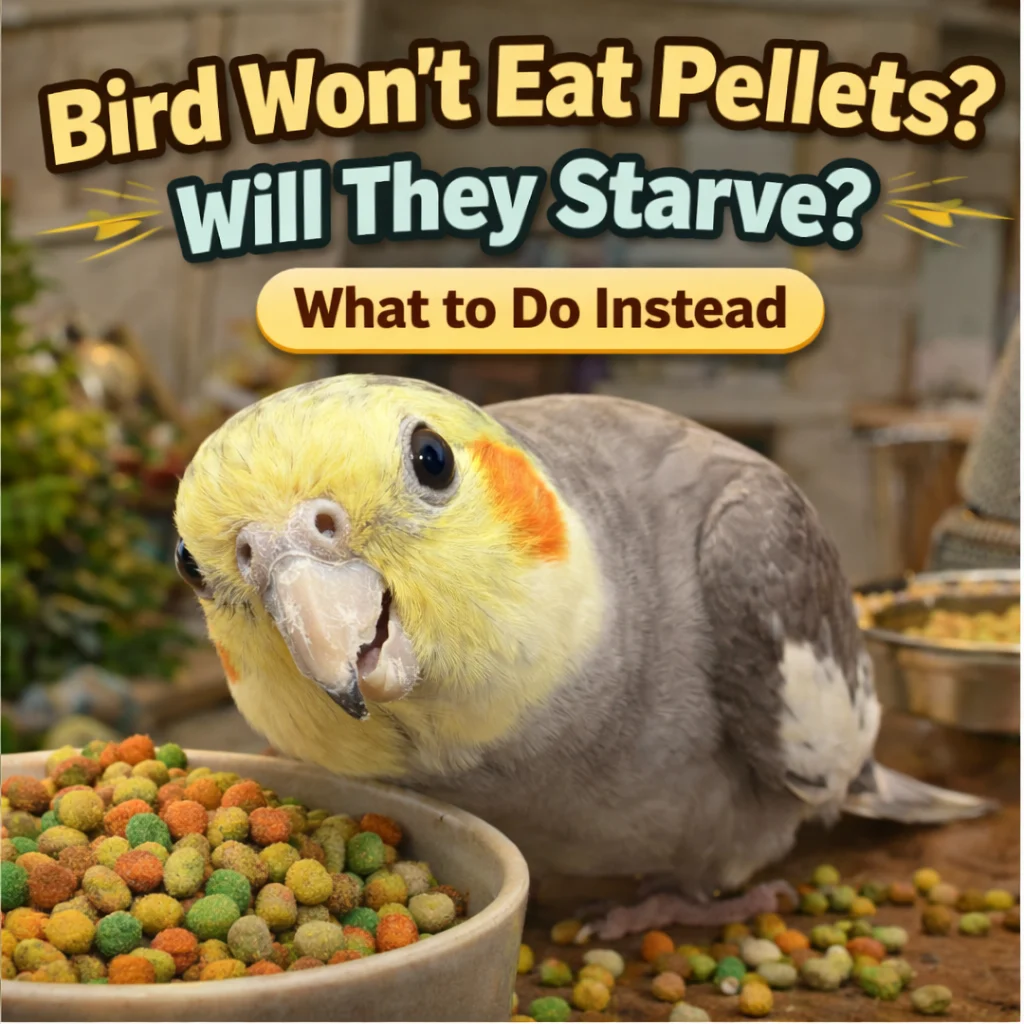
The challenge of transitioning pet birds from seed-heavy diets to nutritionally complete pellets is a widespread concern among avian enthusiasts and a critical issue for animal welfare. Many bird owners find themselves in a predicament where their feathered companions refuse to eat pellets, ignore them entirely, or meticulously pick around them, leading to significant anxiety about potential starvation or nutritional deficiencies. This common hurdle, however, is not a sign of an owner’s failure but rather a deeply ingrained behavioral response in birds, one that can be successfully overcome with evidence-based, force-free approaches.
The Nutritional Imperative: Why Pellets are Paramount
For decades, the standard diet for pet birds often consisted primarily of seed mixes. While seeds are a natural food source for wild birds, commercial seed mixes often lack the comprehensive nutrient profile necessary for the long-term health of captive parrots and other avian species. These diets are typically high in fat and carbohydrates but deficient in essential vitamins (especially Vitamin A), minerals (like calcium), and amino acids. This nutritional imbalance can lead to a host of debilitating health issues, including obesity, liver disease, kidney dysfunction, respiratory problems, feather abnormalities, and compromised immune systems. According to the Association of Avian Veterinarians (AAV), poor nutrition is a contributing factor to over 70% of health problems seen in pet birds.
The advent of formulated pellets revolutionized avian nutrition. Developed with scientific precision, pellets are designed to provide a balanced diet, containing all the necessary proteins, fats, carbohydrates, vitamins, and minerals in each bite. This ensures that a bird consuming pellets receives consistent, complete nutrition, regardless of selective eating habits. Veterinary consensus strongly advocates for a pellet-based diet, supplemented with fresh vegetables, fruits, and occasional healthy treats, as the gold standard for pet bird care. The transition from a seed-heavy diet to pellets is, therefore, not merely a dietary adjustment but a fundamental step towards preventative healthcare, aiming to extend lifespan and significantly improve the quality of life for avian companions.
Understanding Avian Psychology: The Instinctive Resistance to Change
A bird’s reluctance to accept new foods, particularly pellets, is not stubbornness but a deeply rooted survival instinct. In the wild, parrots and other avian species encounter a vast array of plants, some of which are toxic. Their evolutionary programming has instilled a strong sense of neophobia – an innate fear of new or unfamiliar objects and foods. This caution is a vital defense mechanism, ensuring they only consume what they recognize as safe, often learned through observation of their parents and flock members.
Wild parrot parents meticulously teach their young what is safe to eat, a learning process that can span several weeks or even months. This observational learning is crucial; birds don’t inherently know that a pellet, which looks nothing like a seed, is a food source. They rely on visual cues, texture, and familiarity. When a bird "picks around" pellets or throws them out, they are not being defiant; they are choosing familiar, trusted foods. When they eat less after an attempted switch, they are confused and distressed, not adjusting. Their waiting for seeds or old food indicates that the new food does not yet feel safe. This psychological wiring explains why an abrupt dietary change can be detrimental, leading to decreased food intake and potential weight loss, as the bird may not recognize the new offering as sustenance.
Common Transition Challenges: A Diagnostic Guide for Owners
Recognizing the specific behaviors your bird exhibits during a diet transition can provide valuable insights into their internal state and guide your approach:
- "Won’t eat pellets at all": This often signifies a complete lack of recognition. The bird simply does not perceive pellets as food. They may be wary of the unfamiliar shape, color, or texture, associating it with non-edible items. This is a primary indicator that the foundational step of introducing pellets as a safe food source has not yet been established.
- "Picks around or throws pellets out": This behavior suggests a preference for familiar foods. The bird acknowledges the pellets’ presence but actively seeks out preferred items, typically seeds, or discards the pellets in an attempt to access more desirable food. It’s a clear signal that while pellets are present, they are not yet accepted as a primary food source.
- "Is eating less after the switch": A significant reduction in food intake is a serious concern. This indicates confusion and a failure to adjust to the new diet. The bird might be waiting for the return of its old food, leading to insufficient caloric intake. Monitoring weight daily becomes critical at this stage to prevent starvation.
- "Waits for seeds or old food": This behavior is a strong indicator of learned anticipation. The bird has learned that if it waits long enough, or refuses the new food, the preferred old food will eventually reappear. This reinforces the idea that the new food is not necessary or desirable.
The conventional wisdom of "waiting them out" by removing all other food sources in the hope that hunger will compel a bird to eat pellets is not only dangerous but often ineffective. Birds can starve themselves, sometimes within a few days, especially smaller species, before they accept an unrecognized food item. A sudden, drastic switch can lead to severe weight loss, liver damage, and even death. The correct approach is not about deprivation but about systematic, patient teaching.
The Safe and Ethical Approach: Force-Free Transition Methodologies
The foundation of a successful pellet transition lies in understanding that you are teaching your bird what is safe and healthy to eat, rather than forcing an abrupt change. This process requires patience, consistency, and a commitment to force-free, evidence-based methods advocated by avian veterinarians and behaviorists. These methods protect the bird’s intake, weight, and trust in its caregiver.
A Chronology of Transition: The Step-by-Step System
The pellet transition is a multi-stage process, typically spanning several weeks or even months, depending on the individual bird’s personality, age, and previous dietary history.
Phase 1: Introduction and Familiarization (Weeks 1-2, or longer)
- Introduce Pellets Alongside Current Diet: Begin by placing a small bowl of pellets next to your bird’s regular seed dish. Do not remove the seeds. The goal here is simply exposure and allowing the bird to become accustomed to the pellets’ presence without pressure.
- Mimic Eating and Positive Association: Birds learn through observation. Sit near your bird’s cage and pretend to eat a pellet yourself (or even safely nibble a small piece if it’s human-grade, like some unflavored brands). Offer a pellet from your hand, mimicking the act of eating. This models safe behavior and creates a positive association.
- Crush and Sprinkle: For birds highly resistant to the pellet shape, try crushing a small amount of pellets into a powder and sprinkling it over their favorite moist foods (like mashed sweet potato or a small amount of cooked rice). This subtly introduces the taste and smell of pellets without the visual challenge. Gradually increase the amount of crushed pellets and then introduce larger pieces.
- Pellets as Treats and During Training: Offer individual pellets as high-value treats during training sessions or positive interactions. This links pellets with positive experiences, rewards, and your approval.
- Offer Different Types/Shapes/Colors: Birds can be particular. Experiment with various brands, sizes, shapes, and colors of pellets. Some birds prefer smaller crumbles, while others might favor larger pieces. Some brands offer fruit-flavored or naturally colored pellets that might appeal more.
Phase 2: Gradual Reduction of Old Diet (Weeks 3-6, or longer)
- Systematic Decrease in Seed Portions: Once your bird shows some curiosity or occasional pecking at pellets, begin to gradually reduce the amount of seeds offered each day. A common strategy is to offer seeds for only a limited time in the morning (e.g., 30 minutes) and then remove the dish, leaving only pellets available for the rest of the day.
- Monitor Weight Daily: This is the most crucial safety measure. Use a digital gram scale (accurate to 1 gram) to weigh your bird at the same time each day, preferably in the morning before feeding. A healthy bird should maintain a stable weight. Any significant weight loss (e.g., 5-10% of body weight over a few days) necessitates a reintroduction of seeds to stabilize their weight and a re-evaluation of the transition pace.
- Observe Droppings: Healthy droppings indicate good digestion and adequate food intake. Changes in color, consistency, or frequency can signal insufficient food intake or stress.
- Introduce Moist Pellets: Some birds are more inclined to try pellets that have been slightly moistened with a small amount of water or diluted fruit juice. This changes the texture and can make them more appealing, especially for birds accustomed to soft foods.
Phase 3: Reinforcement and Maintenance (Ongoing)
- Continue a Diverse Diet: Once your bird is consistently eating pellets, continue to offer a wide variety of fresh vegetables, a smaller amount of fruits, and occasional healthy treats. Pellets should form the bulk (60-80%) of the diet, with fresh produce making up the remainder.
- Positive Reinforcement: Continue to praise your bird when it eats pellets. Make meal times a positive experience.
- Long-term Monitoring: Even after a successful transition, continue to monitor your bird’s weight and droppings periodically to ensure continued health and adequate intake.
- Avoid Backtracking: Once the bird is reliably eating pellets, avoid reintroducing large quantities of seeds, as this can undermine the progress made and reinforce old preferences. Seeds can be offered sparingly as treats.
Expert Consensus and Veterinary Endorsement
Avian veterinarians universally endorse this patient, force-free transition strategy. Dr. Sarah Miller, a board-certified avian veterinarian, states, "The greatest disservice we can do to our pet birds is to maintain them on an all-seed diet. While the transition to pellets can be daunting for owners, it’s an investment in their bird’s future. We’ve seen countless cases where a proper dietary shift has reversed chronic health issues and significantly extended a bird’s lifespan." Similarly, certified avian behaviorists emphasize the importance of understanding a bird’s natural instincts. "It’s about teaching, not forcing," explains Johnathan Reed, an avian behavior consultant. "We leverage their natural curiosity and social learning to introduce new foods in a non-threatening way, preserving their trust and well-being."
Monitoring and Troubleshooting During Transition
Close observation is paramount during the transition period. Beyond daily weight checks and droppings analysis, watch for subtle signs of distress or insufficient intake:
- Lethargy or reduced activity: A bird that is not eating enough will conserve energy.
- Puffed feathers: A common sign of illness or discomfort.
- Changes in vocalization or mood: Increased irritability or unusual quietness.
- Regurgitation: Can indicate stress or illness.
If any of these signs appear, or if your bird experiences sustained weight loss despite your efforts, it is crucial to consult an avian veterinarian immediately. They can rule out underlying medical conditions, provide tailored advice, and potentially prescribe appetite stimulants or temporary supportive care if needed.
Beyond Pellets: A Holistic Avian Diet
While pellets form the cornerstone of a healthy avian diet, they are not the sole component. A truly holistic approach includes:
- Fresh Vegetables: A daily variety of dark leafy greens (kale, collard greens), bell peppers, carrots, broccoli, and sprouts. These provide essential vitamins, minerals, and fiber.
- Fruits (in moderation): Apples, berries, melon, and citrus fruits can be offered as treats due to their higher sugar content.
- Clean Water: Fresh, clean water must be available at all times. Change water frequently and clean dishes thoroughly to prevent bacterial growth.
- Occasional Healthy Treats: Small amounts of whole-grain pasta, cooked brown rice, or sprouted seeds can be offered as enrichment.
Broader Implications: A Paradigm Shift in Avian Pet Care
Successfully transitioning a bird to a pellet-based diet represents a significant paradigm shift in avian pet care. The implications extend far beyond simply changing what a bird eats:
- Improved Health Outcomes: Birds on balanced diets experience fewer incidences of nutritional deficiencies, liver disease, kidney issues, and obesity, leading to a longer, healthier life.
- Reduced Veterinary Costs: Preventative nutrition can significantly decrease the need for expensive veterinary interventions for diet-related illnesses.
- Enhanced Quality of Life: A healthy bird is a happy bird, exhibiting more energy, brighter plumage, and a more engaged demeanor.
- Empowerment of Owners: Understanding and successfully implementing a dietary transition empowers owners, building a stronger bond based on trust and responsible care. This approach embodies "parronting" – patient, consistent, and focused on teaching, not forcing.
In conclusion, the journey of transitioning a pet bird to a pellet diet is a testament to the owner’s commitment to their companion’s well-being. It demands an understanding of avian psychology, a structured and patient approach, and diligent monitoring. While challenging, the rewards of a healthy, vibrant bird with a significantly extended lifespan make this effort an invaluable investment in responsible avian stewardship.

