


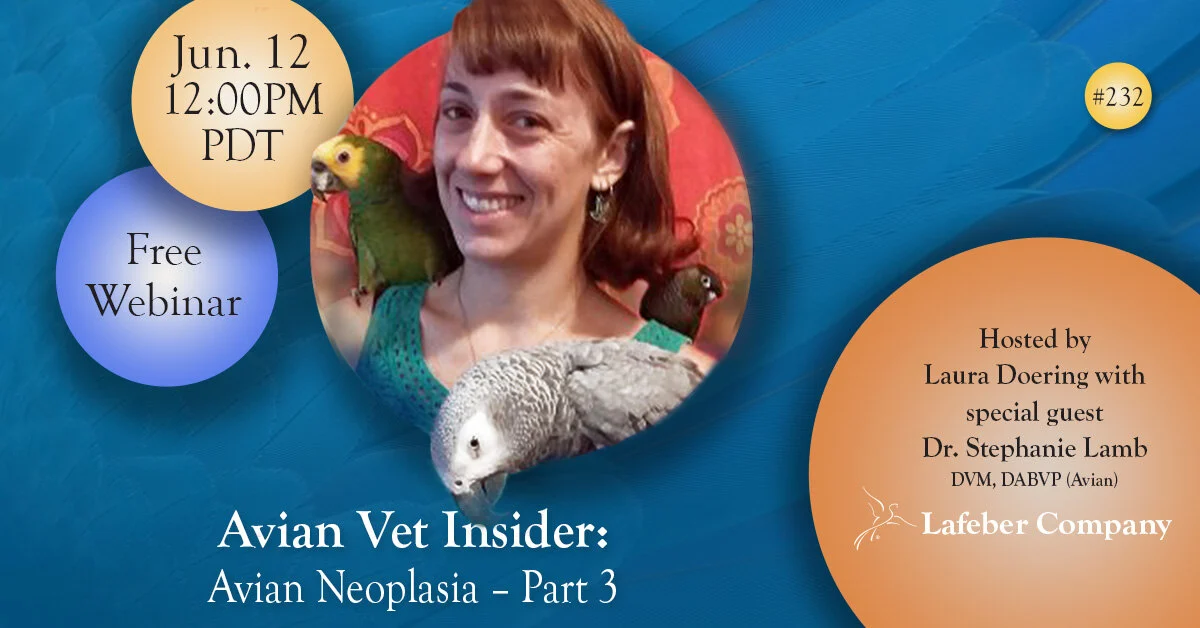
The specialized field of avian veterinary medicine is set to gain further critical insights with the upcoming webinar, "Avian Neoplasia, Part 3," featuring the esteemed Dr. Stephanie Lamb. Scheduled for Friday, June 12, 2026, at 12:00 p.m. PDT, this session marks the highly anticipated conclusion of a comprehensive three-part series dedicated to understanding and managing cancer in pet birds. This final installment will delve deeper into the diverse array of tumor types affecting avian species, building upon prior discussions to explore additional physiological systems that can be compromised by neoplastic conditions. The series, designed to empower both avian veterinarians and bird owners, underscores the imperative for informed care and proactive decision-making in the face of what can be a challenging diagnosis.
The Growing Significance of Avian Oncology
Neoplasia, or the uncontrolled, abnormal growth of cells, represents a significant health concern across the animal kingdom, and avian species are no exception. While often overshadowed by oncology research in companion mammals, cancer in birds is increasingly recognized as a prevalent and complex issue that demands specialized attention. Avian neoplasia can manifest in a myriad of forms, ranging from benign growths that may only cause cosmetic or minor functional issues to aggressive malignant tumors that can rapidly compromise an bird’s quality of life and longevity. The unique physiological characteristics of birds, including their rapid metabolism, smaller body size, and often cryptic presentation of illness, pose distinct challenges for diagnosis and treatment compared to more commonly studied mammalian counterparts.
Research indicates a rising awareness and incidence of avian tumors, partly due to improved diagnostic techniques, increased lifespan of pet birds under advanced care, and a greater understanding of species-specific predispositions. For instance, certain species like budgerigars (Melopsittacus undulatus) are known to have a high incidence of renal adenocarcinomas and lipomas, while cockatiels (Nymphicus hollandicus) frequently develop reproductive tumors. Amazon parrots (Amazona spp.) can be predisposed to various internal cancers, including lymphomas and sarcomas. The prevalence varies widely depending on species, age, diet, environmental factors, and genetic predispositions, making a generalized approach to avian oncology insufficient. This series, therefore, addresses a critical gap in accessible, specialized education for the avian community.
Dr. Stephanie Lamb: A Leading Voice in Avian Health
Dr. Stephanie Lamb is recognized within the avian veterinary community for her profound expertise and commitment to advancing the understanding of exotic animal health. Her leadership in this three-part webinar series on avian neoplasia reflects a dedication to disseminating crucial knowledge to a broad audience, encompassing both seasoned veterinary professionals and devoted bird owners. As a practitioner deeply immersed in the complexities of avian medicine, Dr. Lamb brings a wealth of clinical experience and a nuanced understanding of diagnostic and therapeutic strategies tailored specifically for birds. Her ability to translate intricate scientific concepts into practical, actionable advice is invaluable for those seeking to enhance their capacity to care for avian patients.
Her involvement in such educational initiatives highlights a broader trend within veterinary medicine: the increasing specialization required to meet the unique needs of diverse animal populations. Avian medicine, in particular, requires a distinct knowledge base that extends beyond general veterinary training, encompassing species-specific anatomy, physiology, pathology, and behavioral considerations. Dr. Lamb’s contributions through this series are poised to significantly elevate the standard of care for pet birds by providing a robust educational foundation on one of the most challenging aspects of avian health.
A Chronology of Comprehensive Understanding: Parts 1 and 2
The "Avian Neoplasia" series was meticulously designed to build knowledge progressively, ensuring a thorough understanding of the subject matter. While specific details of the preceding installments, "Part 1" and "Part 2," are not explicitly provided in the immediate announcement for "Part 3," the logical progression of such a specialized series allows for an informed inference regarding their content.
Part 1 likely served as an foundational introduction to avian oncology. This initial session would have covered the fundamental principles of neoplasia in birds, including definitions of benign and malignant tumors, the various etiologies and risk factors (genetic, environmental, dietary), and the initial diagnostic approaches. Attendees would have been introduced to the subtle clinical signs that often characterize early-stage avian cancers, which can be easily overlooked by an untrained eye. Furthermore, Part 1 would have established the importance of a thorough physical examination, basic imaging techniques such as radiography, and the collection of samples for cytology and histopathology as cornerstones of diagnosis.
Building upon this foundation, Part 2 would have then progressed into a more detailed examination of neoplasia affecting specific, commonly observed organ systems. The announcement for Part 3 explicitly mentions that previous discussions covered "skin, reproductive, and other organ systems." This suggests Part 2 delved into:
- Dermatological Neoplasia: Exploring tumors of the skin and feathers, such as lipomas (fatty tumors, common in budgerigars and Amazon parrots), fibrosarcomas, and squamous cell carcinomas. Diagnosis, surgical excision, and prognosis for these often visible growths would have been key topics.
- Reproductive Neoplasia: A critical area given the high incidence of reproductive disorders and tumors in pet birds, particularly females. This would have included discussions on ovarian cysts, oviductal adenocarcinomas, testicular tumors, and pituitary adenomas (which can impact reproductive function). The challenges of diagnosing internal reproductive masses and the various medical and surgical management options would have been explored.
- Other Major Organ Systems: This could have encompassed the gastrointestinal tract (e.g., proventricular and ventricular tumors), hepatic neoplasia, or potentially early discussions on respiratory system tumors. Emphasis would have been placed on diagnostic imaging (ultrasound, advanced radiography) and biopsy techniques pertinent to these internal organs.
These preceding sessions would have equipped participants with a foundational and intermediate understanding of avian cancer, setting the stage for the advanced insights to be presented in Part 3.
Part 3: Exploring Additional Areas and Advanced Considerations
The final installment, "Avian Neoplasia, Part 3," is designed to complete this comprehensive overview by expanding into "additional areas of the body that may be involved." This signifies a deeper dive into less common but equally critical sites of neoplastic development, as well as a synthesis of the knowledge gained throughout the series. Topics likely to be covered include:
- Hematopoietic Neoplasia: Lymphoma and leukemia can affect various avian species, presenting with non-specific signs such as lethargy, weight loss, and hepatosplenomegaly. Diagnosis often relies on blood smears, bone marrow biopsies, and advanced histopathology.
- Musculoskeletal Neoplasia: Tumors affecting bones (osteosarcomas) or muscle tissue, which can lead to lameness, swelling, or pathological fractures.
- Neurological Neoplasia: Brain tumors or spinal cord tumors, although challenging to diagnose in birds, can cause a range of neurological deficits, including seizures, ataxia, and paralysis. Pituitary adenomas, while often categorized with endocrine or reproductive issues, can also present with neurological signs.
- Endocrine Gland Tumors: Beyond the pituitary, other endocrine glands like the thyroid or adrenal glands can develop tumors, leading to hormonal imbalances and systemic effects.
- Advanced Diagnostics and Therapeutics: The conclusion of the series is an opportune moment to discuss more advanced diagnostic modalities such as computed tomography (CT) scans and magnetic resonance imaging (MRI), which are becoming more accessible for avian patients. Therapeutic discussions might expand to include chemotherapy protocols (which are less established and often used off-label in birds compared to mammals), radiation therapy (highly specialized and limited in availability for avian patients), and the nuances of palliative care, pain management, and nutritional support for avian cancer patients.
- Prognosis and Quality of Life: A critical aspect of managing avian neoplasia is discussing realistic prognoses, setting expectations with owners, and prioritizing the bird’s quality of life throughout treatment and beyond.
Impact and Implications for Avian Welfare
The insights provided by Dr. Lamb in this webinar series carry profound implications for the welfare of pet birds globally. A better understanding of avian neoplasia translates directly into several key benefits:
- Earlier Diagnosis: Informed owners and veterinarians are better equipped to recognize the subtle, often non-specific signs of cancer in birds, leading to earlier veterinary intervention. Early diagnosis is frequently correlated with better treatment outcomes and improved prognosis.
- More Informed Decision-Making: Faced with a cancer diagnosis, bird owners are often overwhelmed. This series empowers them with knowledge, enabling more meaningful discussions with their veterinarians about diagnostic options, treatment protocols, and palliative care strategies. This fosters a collaborative approach to patient management.
- Advancement of Veterinary Practice: For veterinary professionals, continuous education in specialized fields like avian oncology is crucial. The webinar provides an accessible platform for staying current with the latest understanding of avian tumor types, diagnostic methodologies, and therapeutic advancements. This ultimately elevates the standard of care for avian patients across clinics.
- Contribution to Research and Data Collection: As more cases are accurately diagnosed and managed, the collective body of knowledge on avian neoplasia grows. This data is invaluable for future research into prevalence, species predisposition, genetic factors, and the efficacy of different treatment modalities.
- Enhanced Human-Animal Bond: For many owners, a pet bird is a cherished companion. The ability to provide informed, compassionate care during a serious illness like cancer strengthens the bond between owner and bird, offering comfort and peace of mind even in difficult circumstances.
Statements from Related Parties (Inferred)
While no direct quotes are provided, the hosting of such a critical educational series by entities like Lafeber Company implicitly communicates their commitment to avian health. A statement from the organizers might emphasize: "At Lafeber Company, our mission extends beyond providing premium avian nutrition to fostering comprehensive avian health education. Dr. Stephanie Lamb’s ‘Avian Neoplasia’ series exemplifies our dedication to equipping veterinarians and bird owners with the knowledge necessary to tackle complex health challenges, ensuring a brighter future for pet birds."
Similarly, Dr. Lamb herself would likely underscore the importance of ongoing learning: "Avian oncology is a rapidly evolving field, and continuous education is paramount. This series aims to demystify avian neoplasia, providing practical tools and a deeper understanding that will directly translate into improved care and better outcomes for our feathered patients. My hope is that attendees leave with renewed confidence and a comprehensive perspective on managing these challenging cases."
The broader veterinary community would likely welcome such specialized training. A general sentiment might be: "Specialized webinars like Dr. Lamb’s are essential for keeping pace with advancements in exotic animal medicine. As the popularity of pet birds grows, so does the demand for highly skilled veterinary care, particularly in complex areas like oncology."
Logistics for Participation
The webinar is scheduled for Friday, June 12, 2026, at 12:00 p.m. PDT (Pacific Daylight Time). Attendees are strongly advised to utilize the provided time zone converter (https://www.timeanddate.com/worldclock/converter.html) to accurately determine the corresponding local time, ensuring timely participation. Registration for this pivotal event is essential and can be completed via the provided link: https://us02web.zoom.us/webinar/register/WN_aiJWIEWITS-OdKTI3HRMXQ. Early registration is encouraged to secure a spot for this concluding session, which promises to be an invaluable resource for anyone involved in the care of pet birds.
The "Avian Neoplasia, Part 3" webinar with Dr. Stephanie Lamb represents a significant opportunity for both veterinary professionals and dedicated bird owners to deepen their understanding of a critical and often challenging aspect of avian health. By providing comprehensive insights into tumor types, diagnostic strategies, and the broader implications for avian welfare, this concluding installment will undoubtedly contribute to enhancing the lives of pet birds and fostering more informed, compassionate care.

