


The United States Department of Agriculture (USDA) has released a comprehensive inspection report detailing a series of alarming animal welfare failures at the Houston Interactive Aquarium & Animal Preserve. The findings, which stem from an inspection conducted in the second quarter of 2026, describe a environment where negligence and a lack of professional oversight have led to life-threatening injuries, psychological distress, and the escape of dozens of animals. This latest report adds to a growing list of federal citations against the facility, raising significant questions regarding the safety of the animals in its care and the adequacy of its operational protocols.
According to the federal documents, the most harrowing incident involved a near-fatal drowning of an armadillo. The report indicates that contractors working on the premises left a water line running in the animal’s enclosure, leading to a catastrophic flood. The armadillo was forced to swim for an undetermined but significant period of time to stay afloat. By the time staff discovered the situation, the animal was found unresponsive and suffering from severe hypothermia. The inspector noted that the armadillo’s skin had turned a shade of purple—a clinical sign of cyanosis or extreme cold—and his breathing was labored and abnormal. While emergency veterinary intervention ultimately saved the armadillo’s life, the incident highlighted a critical failure in the facility’s oversight of third-party contractors and basic enclosure safety.
Failures in Species Compatibility and Emergency Response
The USDA report further detailed a violent interaction between an emu and an ostrich that resulted in serious physical trauma. Veterinary experts and zoological standards typically require a formal compatibility assessment before housing different large bird species together. However, the Houston Interactive Aquarium reportedly bypassed this protocol, forcing the two birds into a shared enclosure without prior monitoring.
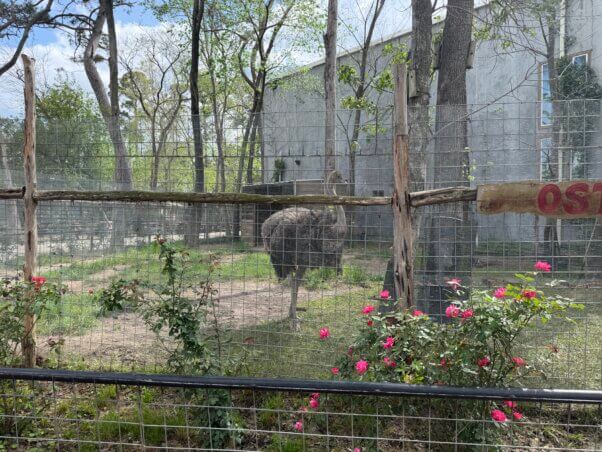
The resulting stress caused the ostrich to panic. In a desperate attempt to flee the enclosure, the bird crashed into a perimeter fence, sustaining a deep, four-inch wound across her chest. The situation escalated when contractors attempted to corral the terrified bird using cattle panels—heavy metal grates typically used for livestock. During the struggle, the ostrich kicked the panels, resulting in two additional wounds to her feet. The injuries were so severe that the bird became unable to bear weight on her leg.
Perhaps most concerning to federal regulators was the facility’s delayed response to this medical emergency. The inspection report notes that despite the visible severity of the ostrich’s wounds and her obvious physical distress, employees did not notify a veterinarian. It was only after the federal inspector questioned staff about whether medical consultation had been sought that a veterinarian was finally contacted. This failure to provide timely veterinary care is considered a significant violation of the Animal Welfare Act (AWA), which mandates that facilities must have an adequate program of veterinary care and provide prompt treatment for injured animals.
Behavioral Distress and Environmental Deficiencies
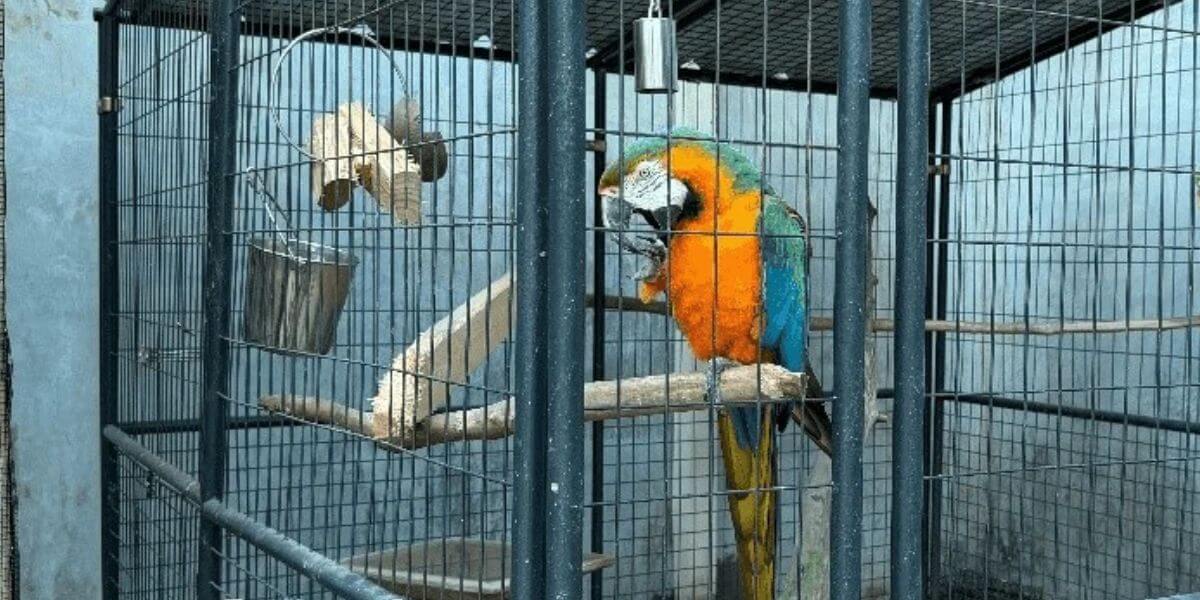
The USDA findings extended beyond physical injuries, touching on the psychological well-being of the animals held at the preserve. Inspectors documented a macaw kept in a solitary, barren cage that lacked any form of environmental enrichment. Enrichment, which includes toys, foraging opportunities, and social interaction, is a legal requirement for many captive species to prevent cognitive decline and behavioral abnormalities.
In this instance, the macaw was observed exhibiting "stereotypic behavior"—repetitive, purposeless movements that are a hallmark of psychological suffering in captive wildlife, often referred to as "zoochosis." For highly intelligent and social birds like macaws, prolonged isolation in a sterile environment can lead to self-mutilation and chronic stress.
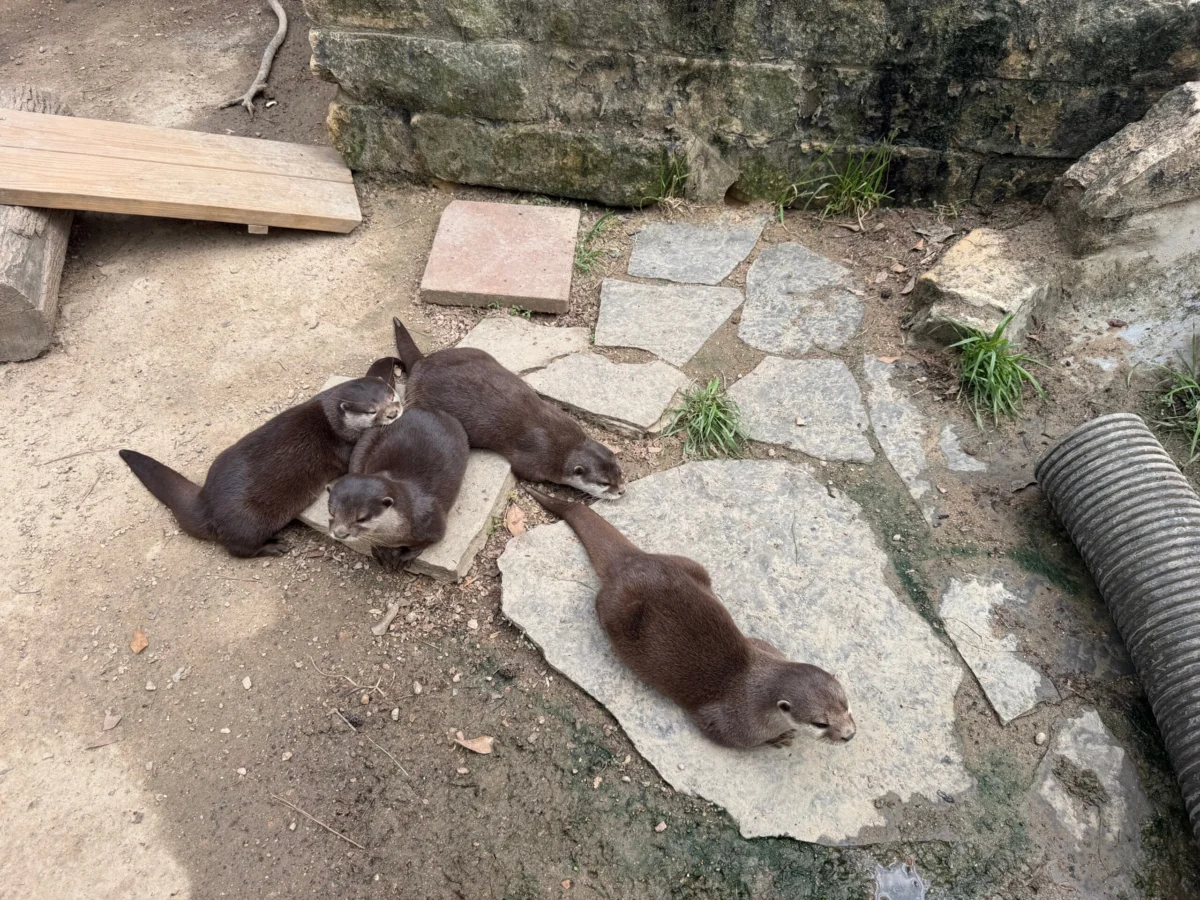
Similarly, the report highlighted concerns regarding the facility’s North American river otters. Two of the otters were found with noticeable areas of hair loss on their tails. In aquatic mammals, patchiness or hair loss can be indicative of underlying health issues, poor water quality, or stress-induced over-grooming. The presence of these physical markers suggests that the animals’ environment may not be meeting their biological or psychological needs.
A Chronology of Regulatory Non-Compliance
The recent 2026 report is not an isolated incident but rather part of a documented history of non-compliance at the Houston Interactive Aquarium & Animal Preserve. Over the past five years, the facility has been the subject of 37 USDA citations for alleged violations of the Animal Welfare Act. This frequency of citations is notably high for a licensed exhibitor and suggests a systemic struggle to maintain federal standards.
A particularly high-profile incident occurred in 2024, when the facility received two "critical" citations following a massive breach in security. A tear in the mesh of an avian enclosure allowed 40 parakeets and an Eclectus parrot to escape. Despite search efforts, the birds were never recovered. Federal inspectors at the time emphasized that such escapes not only endanger the lives of the captive-bred birds—who lack the skills to survive in the wild—but also pose a potential risk to the local ecosystem through the introduction of non-native species.
The facility’s history also includes repeated issues with enclosure maintenance, cleanliness, and the handling of animals during public interactions. The "interactive" nature of the business model, which encourages visitors to touch, feed, and hold various species, has been a focal point of criticism from animal welfare organizations like PETA.
The Impact of the Interactive Business Model
The Houston Interactive Aquarium operates on a high-touch business model that prioritizes close-up animal encounters. While marketed as an educational tool, these interactions are often cited by biologists as a primary source of stress for wild animals. For nocturnal species, such as the sloths housed at the facility, the constant presence of noisy crowds and physical handling by visitors disrupts natural sleep-wake cycles, leading to long-term health complications and immune system suppression.
Furthermore, the "interactive" aspect creates a chaotic environment that can be difficult to manage. The constant flux of people, combined with the presence of contractors and maintenance staff, increases the likelihood of human error—such as the running water line that nearly killed the armadillo. From a professional zoological perspective, the safety of both animals and the public relies on a controlled, predictable environment, which is often at odds with the "roadside zoo" format.
Official Responses and Industry Implications
While the management of the Houston Interactive Aquarium has historically attributed some of these incidents to "unforeseen accidents" or the actions of "outside contractors," the USDA’s consistent findings suggest a lack of internal accountability. In professional animal care, the facility licensee is ultimately responsible for the actions of all personnel on-site, including third-party workers.
The broader implications of these reports are currently being debated among wildlife advocates and regulatory bodies. There is a growing movement to increase the stringency of the Animal Welfare Act, particularly regarding facilities that offer hands-on encounters. Critics argue that the current federal fines are often viewed by large-scale commercial operations as a "cost of doing business" rather than a deterrent.
As a result of these findings, animal rights organizations have renewed their calls for the public to boycott "roadside zoos" and unaccredited aquariums. They advocate instead for supporting institutions accredited by the Association of Zoos and Aquariums (AZA) or the Global Federation of Animal Sanctuaries (GFAS), which adhere to much higher standards of care, conservation, and professional staffing.
Conclusion and Future Oversight
The USDA is expected to continue its heightened surveillance of the Houston Interactive Aquarium in the coming months. Depending on the facility’s ability to rectify the documented deficiencies, it could face further enforcement actions, which may include monetary penalties or the suspension of its exhibitor license.
For the animals currently residing at the preserve, the path forward remains uncertain. The physical recovery of the armadillo and the ostrich serves as a temporary reprieve, but the underlying issues of enclosure safety, veterinary reporting, and psychological enrichment remain critical concerns. As the public becomes increasingly aware of the realities behind "interactive" wildlife tourism, the pressure on regulators to enforce strict adherence to the Animal Welfare Act continues to mount. The case of the Houston Interactive Aquarium serves as a stark reminder of the complexities and potential dangers inherent in the commercial exploitation of exotic animals for human entertainment.

