


Considering the vibrant Nanday Conure (Aratinga nenday) as a companion animal demands a thorough understanding of its unique characteristics, care requirements, and potential impact. These gregarious South American parrots, recognized for their striking appearance and lively personalities, can indeed form deep bonds with human families. However, their suitability as pets is largely contingent upon a prospective owner’s exceptionally high tolerance for noise, a critical factor often underestimated. This detailed overview provides essential insights into the species, covering its biological classification, natural history, specific care protocols in captivity, and broader ecological implications, ensuring a fully informed decision for those contemplating welcoming this feathered individual into their home.
Scientific Classification and Evolutionary Context
The Nanday Conure, also widely known as the Black-hooded Conure, holds a fascinating position within avian taxonomy. Its scientific name, Aratinga nenday, reflects a significant reclassification that occurred in 2004. Prior to this, the species was categorized under its own genus, Nandayus nenday. A pivotal study published in Molecular Phylogenetics and Evolution by Ribas and Miyaki provided molecular evidence demonstrating that Nandayus nenday did not warrant a separate genus. Instead, genetic analyses revealed a closer evolutionary relationship with other species within the Aratinga genus, such as the popular Sun Conure (Aratinga solstitialis) and Jenday Conure (Aratinga jandaya). This reclassification places the Nanday Conure firmly within a group of Neotropical parrots known for their vibrant plumage, social intelligence, and often, their vocal prowess. Understanding this taxonomic shift is crucial for appreciating the Nanday’s shared traits and behaviors with its Aratinga relatives, particularly regarding their social dynamics and vocal capabilities, which are hallmarks of the genus.
Distinctive Physical Characteristics
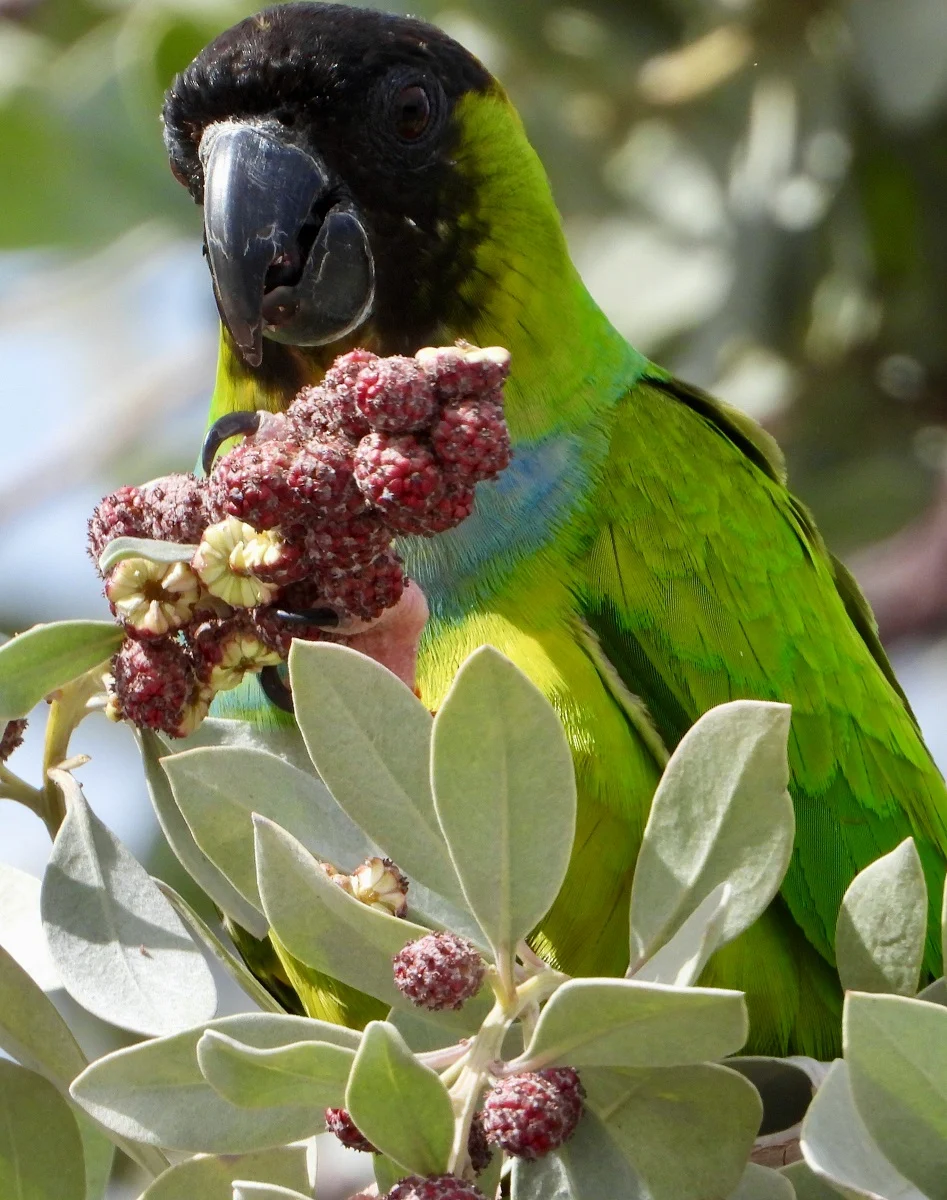
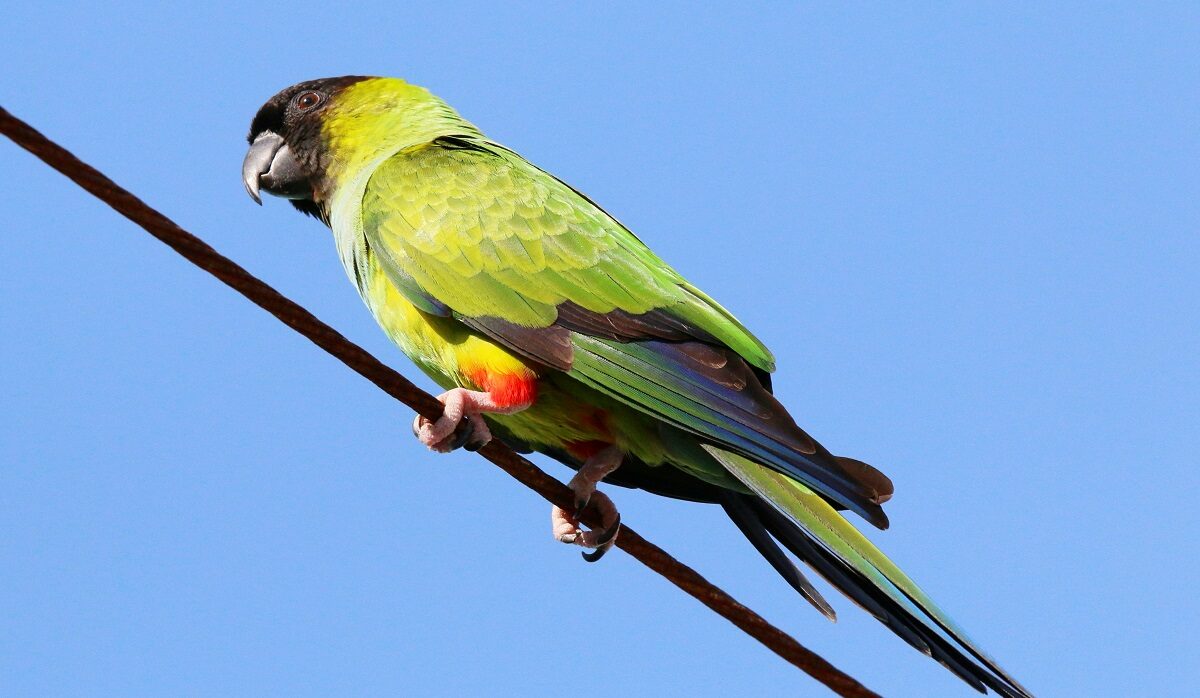
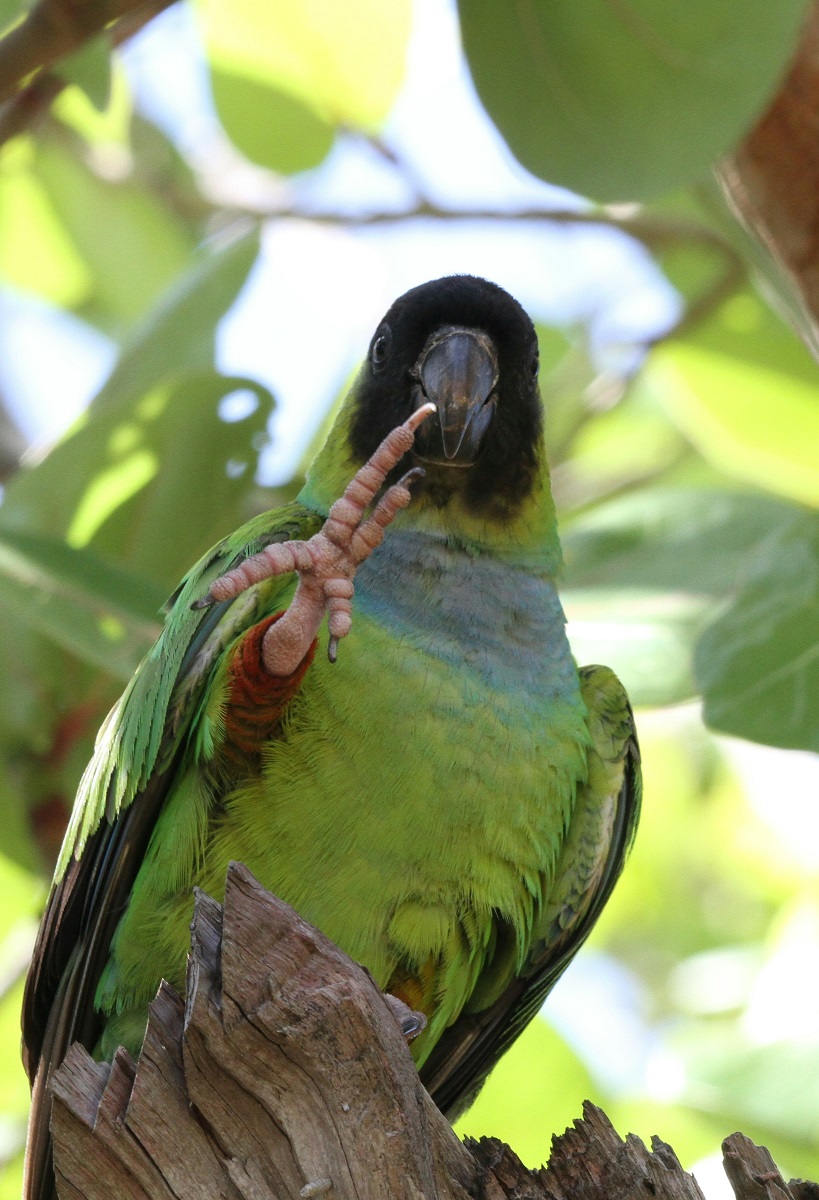
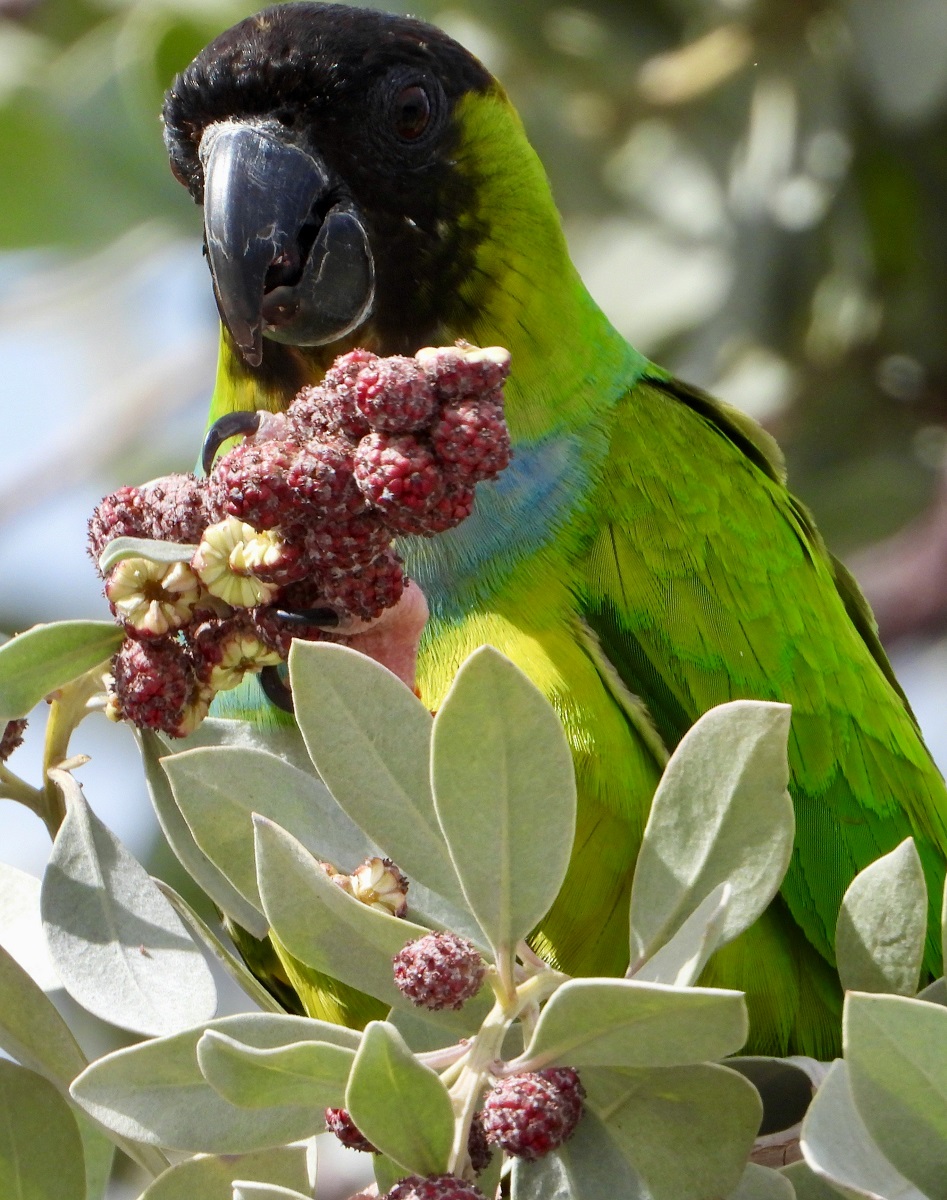
The common name "Black-hooded Conure" perfectly encapsulates the most distinguishing feature of Aratinga nenday: a stark, glossy black head that sharply contrasts with its predominantly bright green body plumage. This "hood" extends from the crown down to the throat, framed by a scattering of brownish feathers. The species exhibits a robust, medium-sized parrot physique, typically reaching lengths of up to 12 inches (approximately 30 centimeters) and weighing around 140 grams in adulthood. Beyond the prominent black hood, other notable physical attributes include a sturdy black beak, prominent white eye rings that enhance its expressive gaze, and iridescent blue-green feathers on its chest. Perhaps most strikingly, its thighs are adorned with a vivid splash of bright red, adding another layer of color to its already captivating appearance. These physical markers not only contribute to its aesthetic appeal but also serve as species identifiers in its natural habitat. With appropriate care, these resilient birds boast an impressive lifespan, often living for up to 30 years, underscoring the long-term commitment required for ownership.
Geographic Distribution and Natural Ecology
The natural range of the Nanday Conure spans a narrow, central band across South America, encompassing significant portions of Paraguay, southern Brazil, eastern Bolivia, and extending into northern Argentina. Within these regions, the species thrives in open lowland environments, typically found at elevations up to approximately 2,600 feet (800 meters). Their preferred habitats are characterized by a mosaic of former forests that have transitioned into cattle pastures, as well as savannas and semi-arid regions. These landscapes are often dotted with palm trees, which are critically important for nesting, providing secure cavities for raising young. The habitat can vary from seasonally swampy areas to much drier zones, demonstrating the species’ adaptability to different ecological conditions.
The International Union for Conservation of Nature (IUCN) Red List currently classifies Aratinga nenday as a species of "Least Concern." This favorable conservation status is notable, especially in comparison to many other parrot species facing significant population declines. Interestingly, the IUCN report indicates that the wild population of Nanday Conures appears to be increasing. This demographic trend is largely attributed to human-induced habitat changes, specifically the expansion of cattle pastures and agricultural lands. While often detrimental to biodiversity, these modifications have inadvertently created suitable foraging and nesting grounds for the adaptable Nanday Conure, allowing them to expand their range and thrive. This demonstrates a unique instance where anthropogenic landscape alterations have, in some cases, benefited a species rather than hindered it.
The Phenomenon of Invasive Populations
Despite its stable status in its native range, the Nanday Conure presents a significant ecological challenge as an invasive species in various parts of the world. Released or escaped pet birds have established self-sustaining feral populations in several countries, including Spain and regions within the United States such as California and Florida. This phenomenon is not unique to Nanday Conures, as many parrot species, owing to their intelligence, adaptability, and social structures, have proven capable of surviving and reproducing outside their indigenous habitats. In the U.S., studies, including one by Uehling, Tallant, and Pruett-Jones (2019), have identified the Nanday Conure as one of the top three most successful naturalized parrot species.
The establishment of invasive parrot populations raises serious ecological concerns. These non-native birds can compete with native wildlife for essential resources such as food, water, and nesting sites, potentially displacing indigenous species. Furthermore, they can act as vectors for diseases, introducing pathogens that may harm native bird populations. Their foraging habits can also impact local agricultural crops, leading to economic losses. The presence of these feral flocks underscores the broader implications of the exotic pet trade and the critical responsibility of pet owners to prevent escapes and contribute to responsible pet management practices to mitigate these environmental risks.
Dietary Habits: Wild Foraging to Captive Nutrition
The diet of the Nanday Conure in its natural South American habitat is remarkably diverse, reflecting its opportunistic foraging behavior. Wild individuals primarily subsist on a rich array of local fruits, including those from the ubiquitous Copernicia palm. Their diet is supplemented with various seeds, berries, flowers, and flower buds. This varied intake provides a broad spectrum of nutrients essential for their health and energy levels. A compelling study by Ragusa-Netto (2002) highlighted the Nanday Conure’s ecological role as a pollinator for the Erythrina dominguezii tree, a beautiful flowering species. By drinking nectar from its blossoms, the conures inadvertently transfer pollen, contributing to the tree’s reproductive cycle and demonstrating an intricate relationship within their ecosystem. Additionally, like many other South American parrot species, Nanday Conures are known to visit natural clay licks. They consume soil from these sites, a behavior believed to aid in obtaining vital micronutrients and neutralizing toxins potentially ingested from their diverse wild diet. This geophagy is a crucial aspect of their natural nutritional strategy.
In captivity, providing a diet that mirrors the nutritional complexity of their wild counterparts is paramount for a Nanday Conure’s health and longevity. Avian veterinarians, including specialists like Dr. Daisy often cited in pet care literature, now widely advocate for a high-quality, formulated pellet food as the cornerstone of a captive parrot’s diet. This represents a significant shift from older practices where seed-based mixes were common. Research and clinical observations have consistently shown that seed-heavy diets, while palatable, are often deficient in essential vitamins and minerals and excessively high in fat, leading to prevalent issues such as malnutrition, obesity, and related health complications in pet parrots.
Beyond pellets, variety and additional nutrients should be incorporated daily through a wide selection of fresh fruits and vegetables. Parrot-safe options include leafy greens (e.g., kale, spinach), apples (seeds removed), bell peppers, broccoli, carrots, and grapes (in moderation). These fresh produce items supply crucial vitamins, minerals, and antioxidants. Additionally, small quantities of sprouted seeds, cooked whole grains like brown rice or pasta, and occasional protein sources such as pieces of boiled egg can further enrich their diet. It is imperative for owners to research and verify the safety of all food items, as certain human foods can be toxic to parrots. A balanced and varied diet is the single most critical factor in maintaining a parrot’s physical health and robust immune system, directly influencing its overall well-being and lifespan.
Optimal Housing and Environmental Safety
The provision of adequate housing is fundamental to the welfare of a Nanday Conure. Given their active nature and need for flight, the ideal setup involves a full-sized aviary, particularly if the bird is not regularly permitted extensive free-roaming time outside its enclosure. An aviary with a minimum length of approximately 10 feet (3 meters) allows for short flights and ample space for exercise. For those housed in indoor cages, a spacious enclosure is still non-negotiable. A minimum cage size of 30 x 24 x 24 inches (75 x 60 x 60 cm) is recommended, though larger dimensions are always preferable. Crucially, cage length is often more important than height, as parrots typically fly horizontally. The bird must be able to fully stretch its wings without touching the cage bars or toys.
Within the cage, a diverse array of natural wood perches of varying diameters and textures is essential for promoting foot health and preventing pressure sores. Perches made from natural branches (e.g., java wood, manzanita) offer different grip challenges, mimicking their natural environment. Platforms can provide additional resting and foraging spots. Enrichment is critical; therefore, the cage should be outfitted with a variety of conure-appropriate toys designed for chewing, shredding, and mental stimulation. These prevent boredom and destructive behaviors. At least one source of clean, fresh water and two or more food bowls should be strategically placed, often at different levels, to encourage movement and engagement.
Beyond the immediate cage environment, owners must be acutely aware of household dangers. Parrots possess highly sensitive respiratory systems, making them exceptionally vulnerable to airborne toxins. Smoking, the use of aerosol sprays (hair spray, air fresheners), burning scented candles, and even the fumes emitted from overheated nonstick cookware (containing PTFE) can release toxic chemicals that are rapidly fatal to birds. Prudent pet owners must implement strict safety protocols: avoid these items in the vicinity of the bird, ensure adequate ventilation, and consider bird-safe cleaning products. Proactive parrot-proofing of the home environment is a continuous responsibility, encompassing securing windows and doors, eliminating toxic plants, and preventing access to small ingestible objects or electrical cords.
Enrichment and Social Imperatives
One of the most significant challenges in keeping a parrot like the Nanday Conure as a pet is meeting its profound intellectual and social needs. These highly intelligent birds are prone to boredom, which can manifest in a range of detrimental behaviors including obesity, aggression, excessive screaming, feather plucking, and even depression or self-mutilation. Providing consistent and varied enrichment is not merely an option but a critical component of their care.
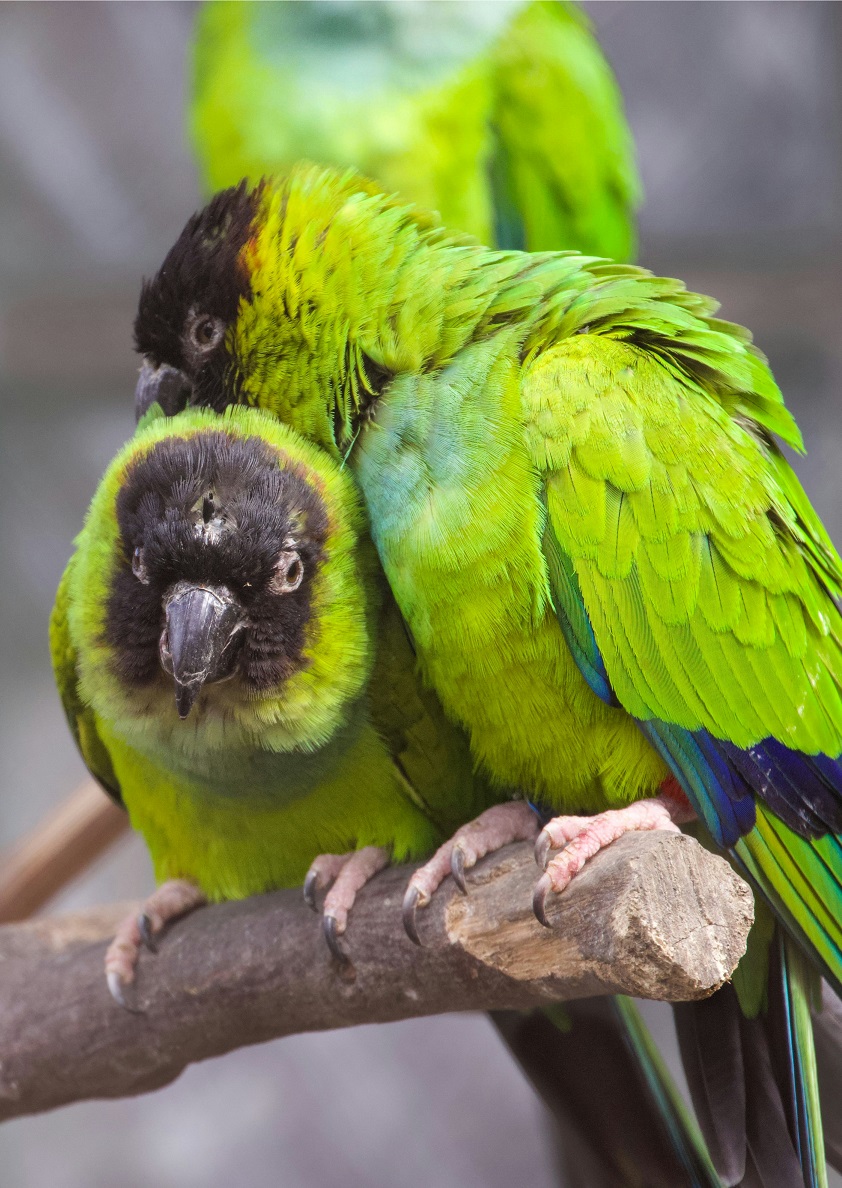
The social aspect is arguably the most crucial. Nanday Conures are intensely social creatures that thrive on interaction and attention. In the wild, they live in complex flocks, engaging in constant communication and communal activities. In a captive setting, the human family becomes their surrogate flock. A lack of sufficient social interaction can lead to severe psychological distress. If an owner works a typical 9-to-5 job and cannot provide several hours of dedicated interaction daily, considering a second Nanday Conure for companionship can be highly beneficial, helping to mitigate loneliness and stress. However, introducing a second bird also requires careful planning and observation to ensure compatibility.
Beyond direct human or avian companionship, a variety of enrichment activities are necessary to keep a Nanday Conure mentally stimulated:
- Foraging Toys: These require the bird to "work" for its food, mimicking natural foraging behaviors. This can be as simple as hiding treats in crumpled paper or utilizing specialized foraging devices.
- Chew and Shred Toys: Parrots have an innate need to chew. Providing a constant supply of safe, destructible toys made from natural materials (e.g., untreated wood, natural fibers, cardboard) is essential for beak health and mental engagement.
- Training: Positive reinforcement training, including target training, trick training, and teaching verbal commands, not only strengthens the bond between bird and owner but also provides immense mental stimulation.
- Environmental Variety: Regularly rotating toys, rearranging perches, and offering supervised "out-of-cage" time in a bird-safe area provides novelty and prevents stagnation.
- Auditory and Visual Stimulation: Playing bird-safe music, documentaries about nature, or even audiobooks can provide background stimulation during periods when direct human interaction is not possible.
- Bathing Opportunities: Providing a shallow water dish or misting the bird with a spray bottle encourages natural preening and feather health.
Owners must also be prepared for potential emergencies. Parrots, despite their intelligence, are curious and often accident-prone. Every bird owner should be familiar with basic parrot emergency care protocols, including how to identify signs of illness or injury and when to seek immediate veterinary attention.
Temperament and Behavioral Nuances
Aratinga conures, including the Nanday, are generally lauded by parrot enthusiasts for their amiable and outgoing dispositions. Unlike some species from the Pyrrhura genus, such as Green-cheeked Conures, a well-socialized Nanday Conure is less prone to nipping or aggressive behaviors towards people. While individual personalities can vary, most Nandays tend to be accepting of new individuals and often integrate well with an entire family, rather than bonding exclusively with one person.
Their highly social nature means they often seek constant interaction and can be quite affectionate, enjoying head scratches, preening, and close physical proximity. However, this sociability also translates into a potential for neediness. Nandays may develop behaviors such as incessant screaming when their owner leaves the room, or display jealousy towards perceived "competitors" for attention, whether another pet or even a family member. Managing these behaviors requires consistent training, clear boundaries, and ensuring their social needs are adequately met without inadvertently reinforcing undesirable attention-seeking actions. An ideal day for a Nanday Conure might involve engaging with stimulating toys, participating in talking or trick training sessions with their human companions, receiving ample head scratches, and perhaps enjoying a peaceful nap on a cherished owner’s shoulder. Their intelligence and desire for interaction make them highly rewarding companions for dedicated owners.
The Decibel Challenge: Understanding Nanday Conure Vocalizations
Perhaps the most critical consideration for prospective Nanday Conure owners is their extraordinary vocal capacity. These birds are not merely loud; they are renowned for producing sounds at decibel levels that can be startling, and potentially damaging, to human hearing. Conures of the Aratinga genus are widely recognized as the loudest among their kind, and the Nanday is no prime example. Robin Deutsch, in her 2009 book Good Parrotkeeping, starkly illustrates this, noting that while a Macaw can scream at 105 decibels and a Moluccan Cockatoo at 135 decibels, the Nanday Conure has been recorded reaching an astonishing 155 decibels. To put this in perspective, sounds above 85 decibels can cause hearing damage with prolonged exposure, and 155 decibels is comparable to a jet engine at takeoff or a shotgun blast. Such intense screams are not just an inconvenience; they pose a genuine risk to eardrums.
It is absolutely imperative that anyone considering a Nanday Conure thoroughly evaluates their capacity to tolerate and manage this extreme noise level before acquiring one. Prospective owners are strongly advised to seek out opportunities to hear Nanday Conures firsthand, perhaps by visiting breeders, rescue organizations, or consulting audio resources such as xeno-canto, a scientific database of bird sounds. Furthermore, the living situation of the owner must be carefully considered; the piercing flock calls and general vocalizations of a Nanday Conure are often unsuitable for apartment living or homes with close neighbors.
Parrots typically exhibit peak vocal activity around dawn and dusk, coinciding with their natural flock calls for greeting the day and settling down for the night. They also become particularly noisy when excited, startled, or seeking attention. Beyond their characteristic loud screams, Nandays employ a diverse repertoire of vocalizations, including whistles, chirps, and the occasional imitation of common household sounds. While some Nandays may develop a limited capacity for mimicry, they are not on par with species renowned for extensive speech, such as the African Grey Parrot. Owners can attempt to teach simple words, phrases, or whistles, but success varies greatly by individual bird, and results should not be anticipated as a primary reason for ownership. Their "baby babble" while playing often contains recognizable sounds, but clear, contextual speech is uncommon.
Conclusion: A Commitment to a Boisterous Companion
The Nanday Conure is a captivating parrot species that offers immense companionship and joy to the right owner. Their striking appearance, playful demeanor, and high intelligence make them incredibly engaging pets. However, the decision to welcome a Nanday Conure into one’s home is a substantial commitment that extends far beyond initial attraction. The species demands extensive social interaction, a meticulously balanced diet, a spacious and stimulating environment, and perhaps most critically, a profound tolerance for their exceptionally loud vocalizations. Their potential to live for up to 30 years means that ownership is a long-term responsibility, requiring consistent dedication to their physical and psychological well-being. Furthermore, understanding their ecological impact as a potential invasive species underscores the importance of responsible pet ownership. For those prepared to meet these significant demands, the Nanday Conure can indeed be a vibrant, affectionate, and deeply rewarding member of the family, enriching lives with its boisterous personality and enduring presence.

