


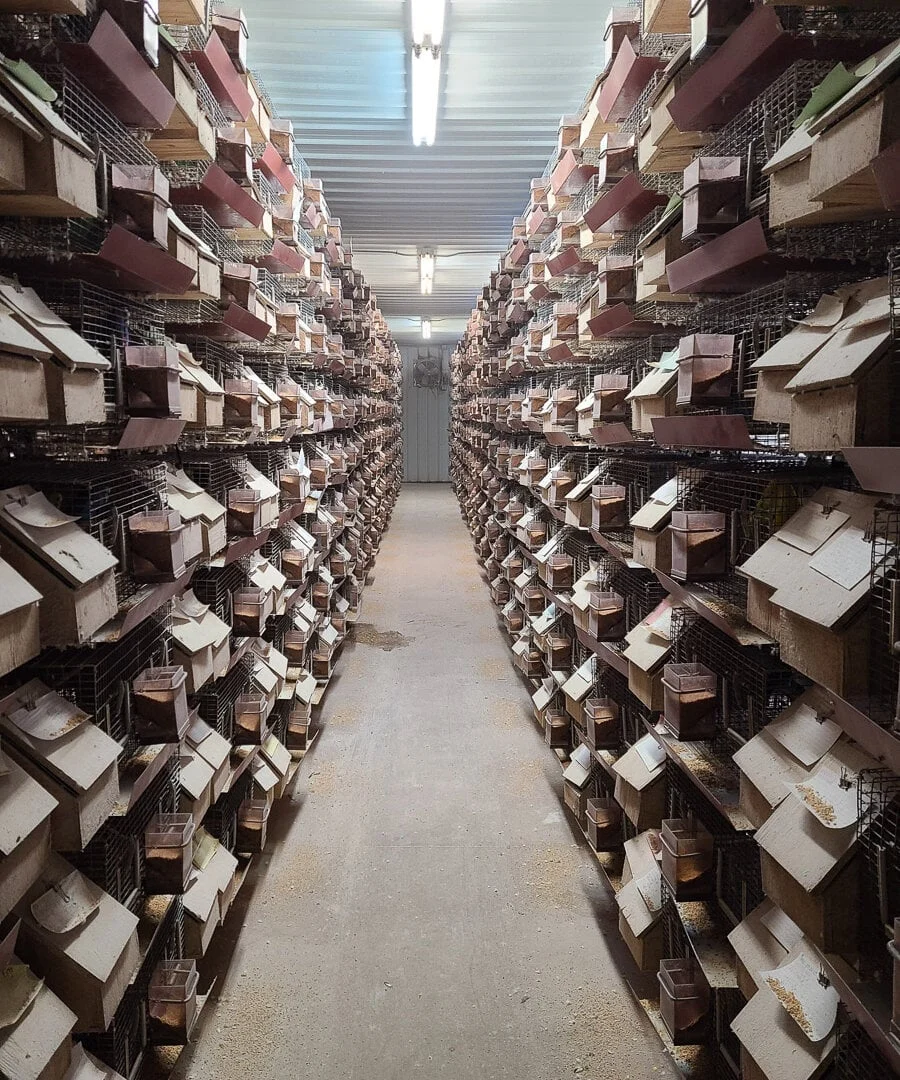
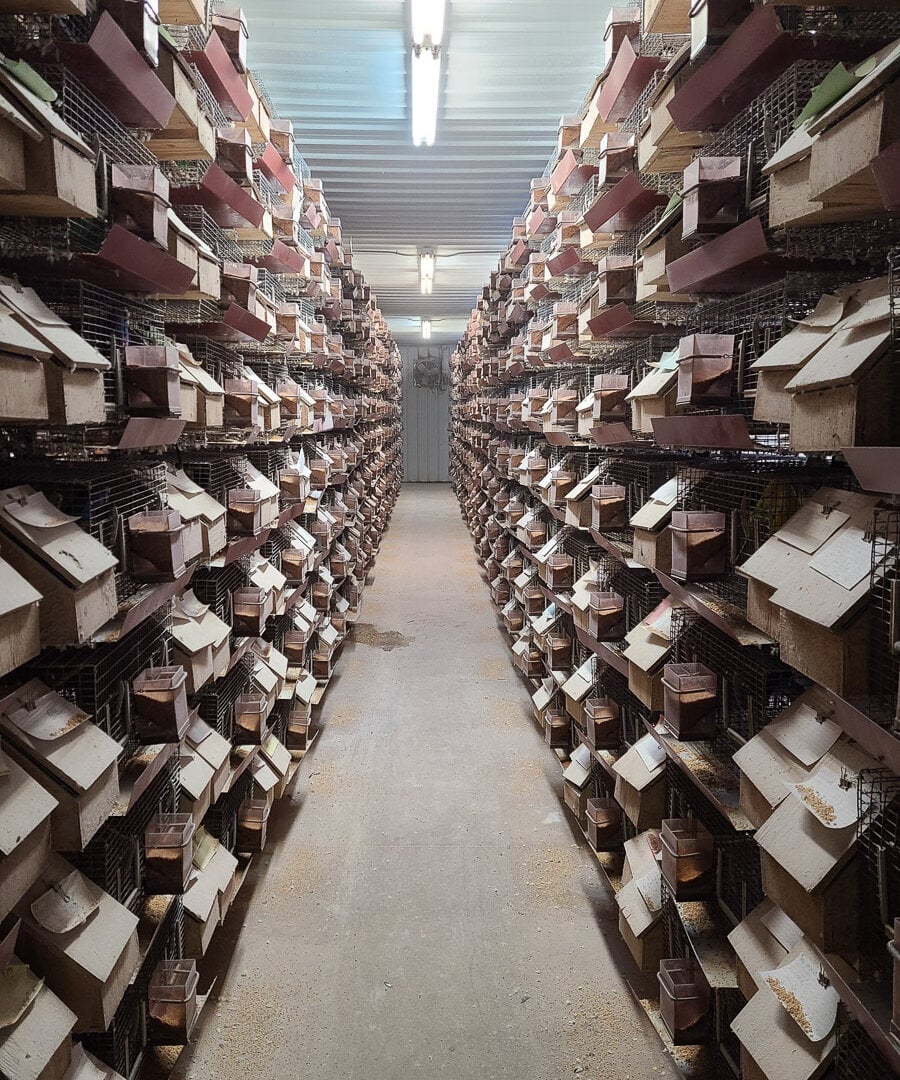
An undercover investigation conducted over three months has revealed a pattern of systemic neglect and extreme cruelty at Creekside Birds, a large-scale avian breeding facility located in rural Oklahoma. The facility, which reportedly houses approximately 10,000 parakeets at any given time, serves as a primary supplier for major national retailers, including PetSmart, Petco, and Petland. The findings, released by People for the Ethical Treatment of Animals (PETA), document a harrowing environment where birds are subjected to cramped conditions, lack of veterinary oversight, and violent culling methods.
The investigation, which took place between late 2023 and early 2024, provides a rare glimpse into the "pet mill" industry—a high-volume breeding system designed to provide "merchandise" for big-box pet stores. At Creekside Birds, the investigator documented thousands of parakeets, also known as budgerigars, confined to metal barns where they are kept in stacked wire cages. These birds, which are highly social and intelligent parrots native to Australia, were found living in an environment defined by filth, disease, and psychological trauma.
The Environment of Confinement and Neglect
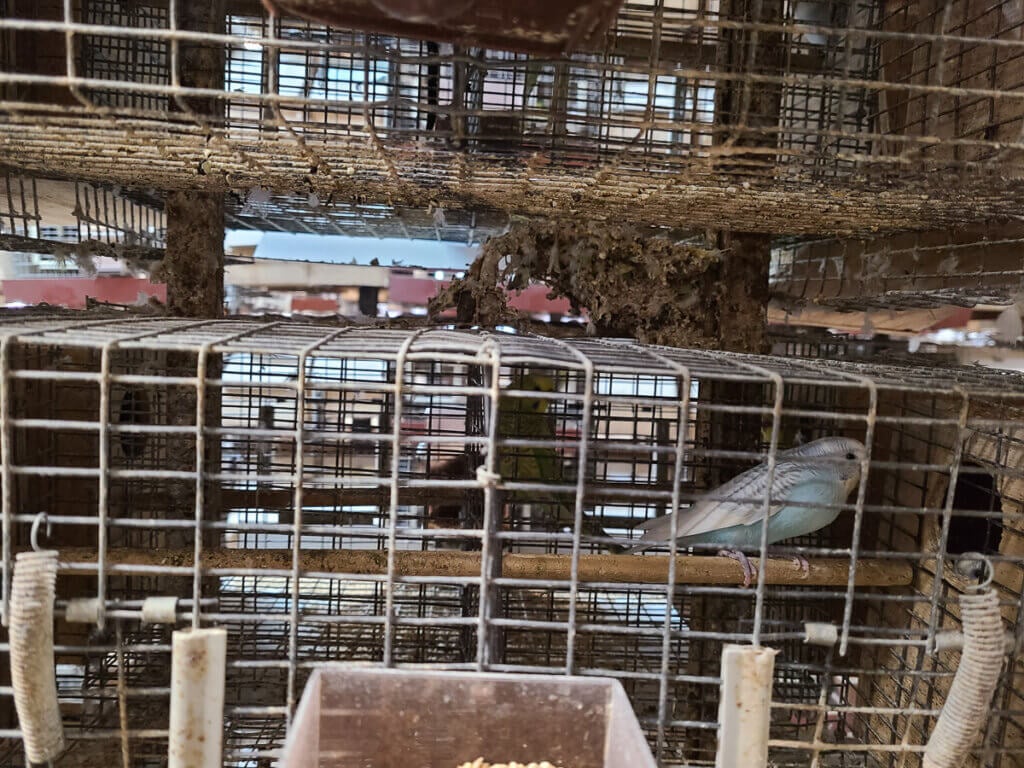
The physical conditions at the Creekside facility stand in stark contrast to the natural behaviors and biological needs of parakeets. In the wild, these birds are nomadic, flying vast distances in flocks that can number in the hundreds. At the breeding factory, however, breeding pairs are confined to cages measuring approximately 9 inches in all directions. Given that the average wingspan of a parakeet is 12 inches, the birds are physically unable to spread their wings.
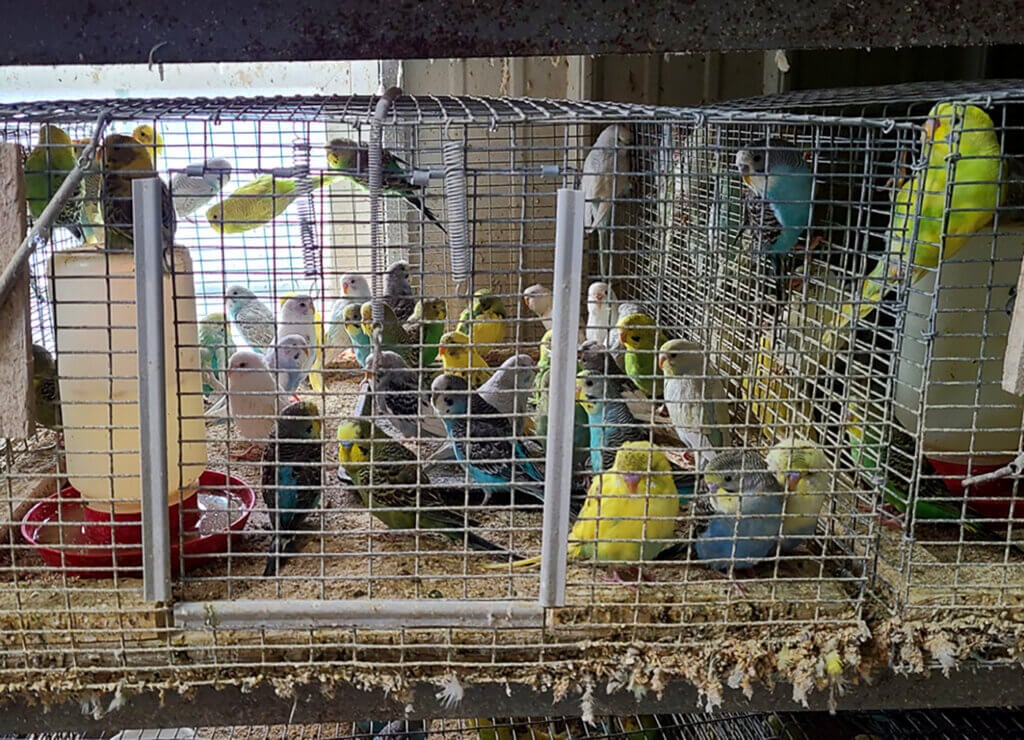
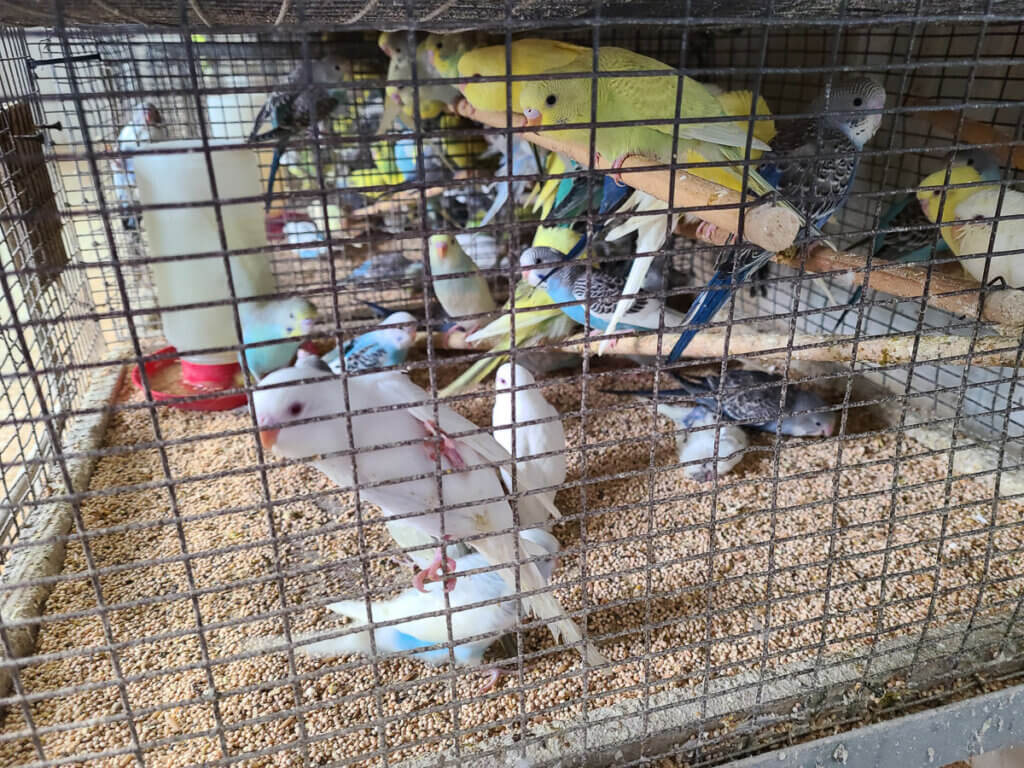
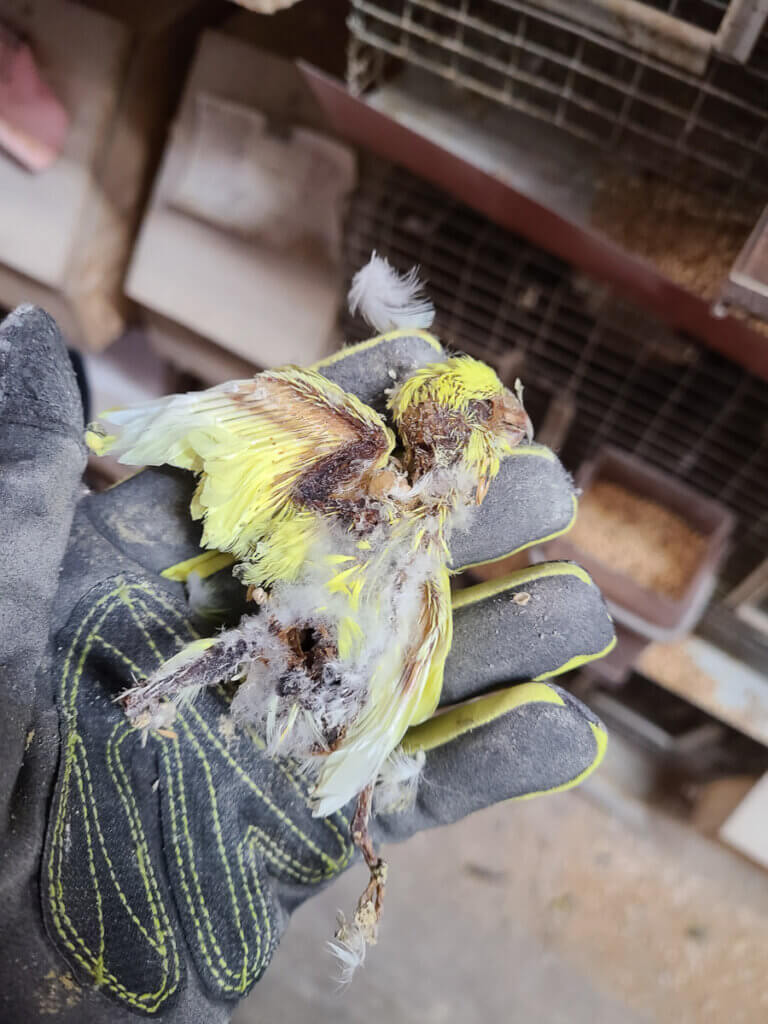
Observations from the undercover operative indicated that many birds suffered from frayed or missing tail feathers, a direct result of the birds being unable to perch without their plumage rubbing against the wire bars. In the grow-out sections of the facility, where young birds are prepared for shipment to retail stores, the crowding was even more severe. Workers were observed cramming up to 50 young birds into a single cage. These birds, recently separated from their parents, often huddled on floors caked with waste because there were not enough perches to accommodate the population.
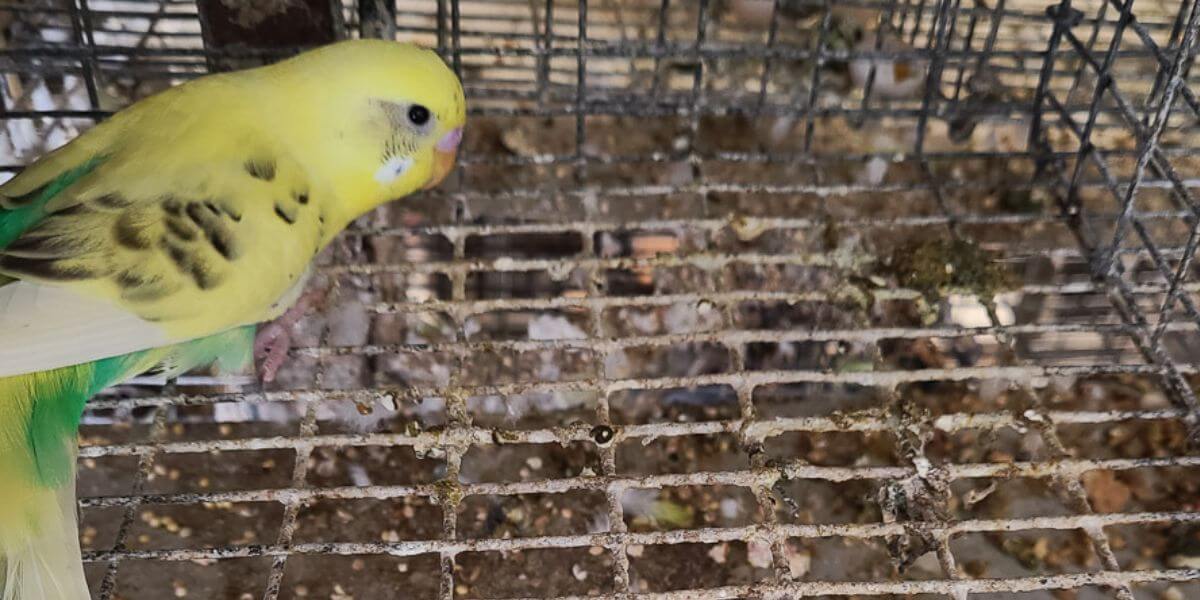
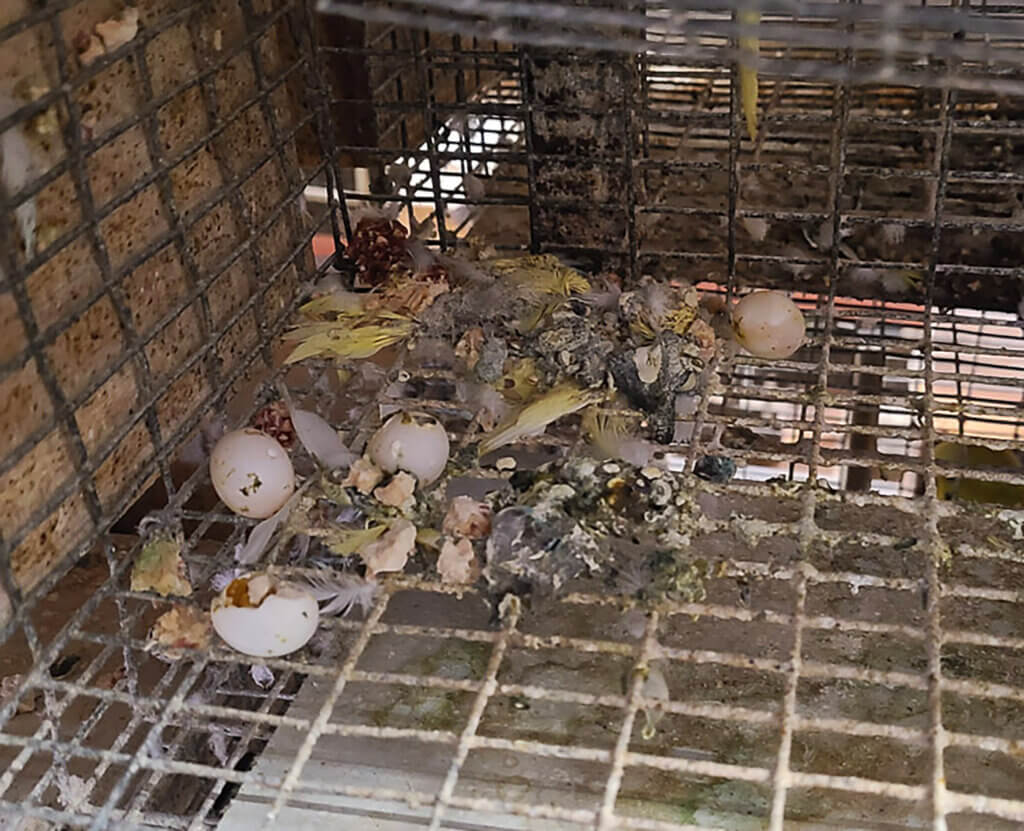
The hygiene standards at the facility were described as non-existent. Management reportedly informed the investigator that the breeding cages had not been thoroughly cleaned since the facility began operations around 2022. Fecal matter was allowed to accumulate in what staff termed "poop towers," which reached several inches in height. Within these cages, the investigator found rotting eggs and the desiccated remains of dead chicks left on soiled litter. The air quality inside the metal barns was reportedly heavy with the smell of ammonia and dust, posing a constant threat to the birds’ delicate respiratory systems.
Documentation of Systemic Cruelty and Culling Practices
Perhaps the most disturbing aspect of the investigation involves the methods used by staff to manage "unsaleable" or sick birds. According to the report, workers at Creekside Birds utilized violent and unscientific methods for euthanasia. A senior worker was documented crushing the necks of parakeets between his thumb and forefinger, a practice the co-owner of the facility allegedly admitted to using as well, claiming it was an efficient way to "smash their throat."
The investigation also revealed that birds were killed by being flung against the ground or by having their heads manually ripped off. The facility’s co-owner reportedly justified this by stating it was "faster" than other methods. In instances where birds survived these initial attempts at killing, they were left to suffer. The investigator documented birds that were paralyzed or in a state of extreme shock, left to die slowly in "sick-bird cages."
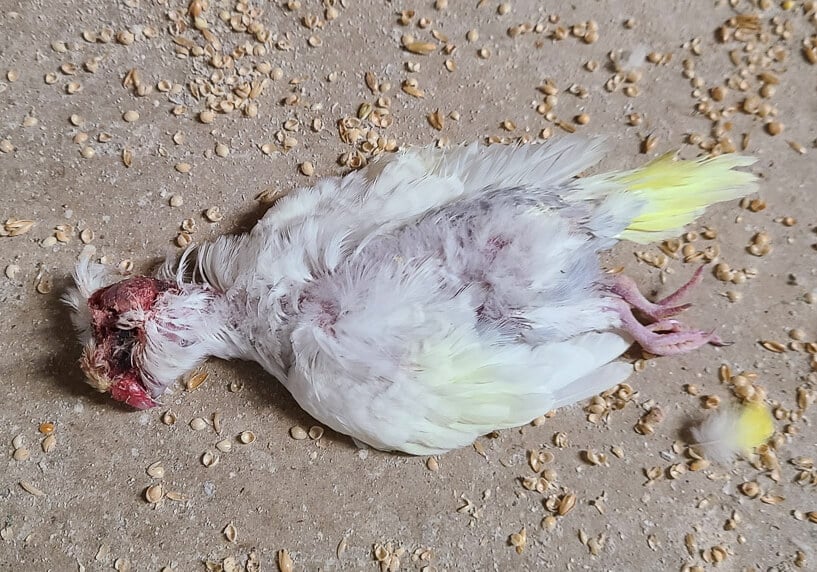
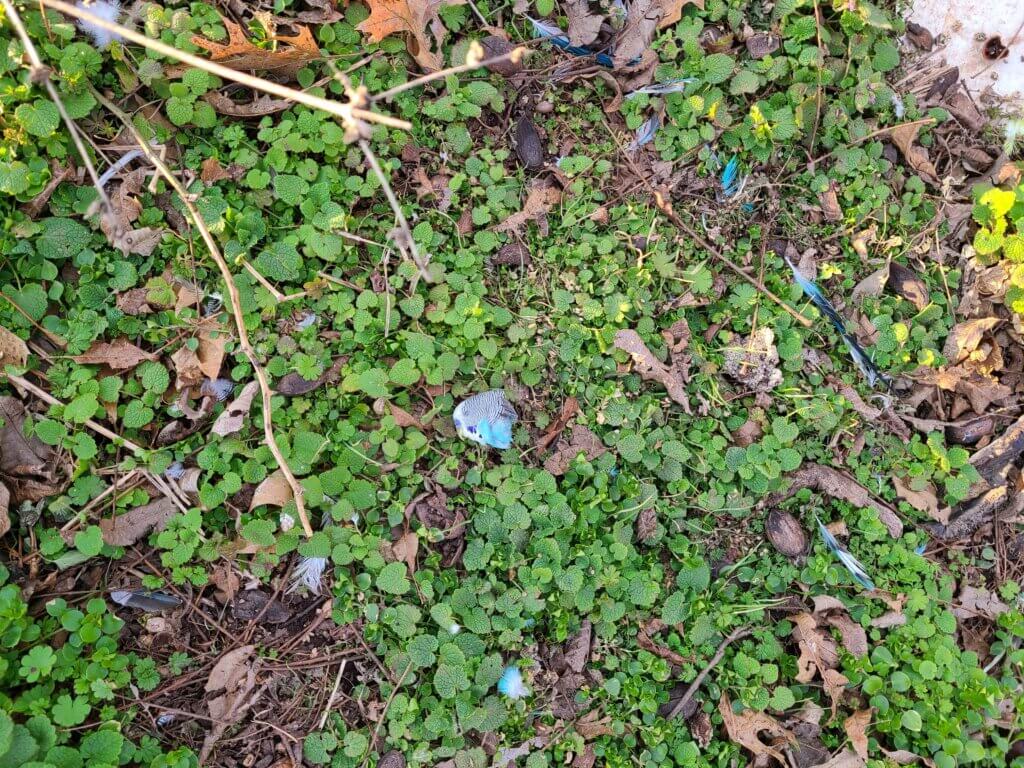
For birds that managed to escape their cages within the barn, the facility utilized BB guns to shoot them. In cases where birds escaped to the outdoors, staff reportedly made no effort to recapture them, stating that local predators or the elements would "take care of them."
Chronology of the Investigation and Mortality Rates
The three-month investigation provided a data set that highlights the high mortality rates inherent in high-volume breeding. Over a specific 27-day period, the investigator and other staff members recorded the deaths of nearly 1,400 birds. On certain days, the death toll exceeded 100 individuals.
The timeline of the investigation also tracked specific cases of individual birds to illustrate the lack of veterinary care. One bird, named "Nancy" by the investigator, suffered severe facial and wing injuries after becoming caught in a cage wire and being attacked by a stressed cage mate. Despite the investigator’s plea for veterinary intervention, the co-owner refused, and the bird died after two weeks of documented suffering. Another bird, "Thomas," exhibited signs of a neurological disorder that prevented him from standing. When veterinary care was suggested, a senior worker reportedly laughed, stating that the cost of a veterinarian would eliminate the facility’s profit margins.
These findings suggest that the mortality of a significant percentage of the population is "baked into" the business model of the facility. Rather than investing in medical treatment, the facility treats the birds as disposable commodities.
Industry Context and Regulatory Framework
The situation at Creekside Birds is not an isolated incident but rather the latest in a series of investigations into the pet supply chain. This marks the ninth time PETA has exposed similar conditions at suppliers linked to major US pet retailers. The pet industry has long faced criticism for its reliance on large-scale "mills" for small animals, including hamsters, rabbits, and birds.
Historically, birds have had fewer protections under the federal Animal Welfare Act (AWA) than mammals like dogs or cats. It was only in 2023 that the U.S. Department of Agriculture (USDA) finalized new regulations to include birds not bred for research under the AWA’s protection. These new standards require breeders to provide adequate housing, sanitation, and veterinary care. However, the findings at Creekside Birds suggest that enforcement of these new regulations remains a significant challenge, particularly in rural areas where facilities operate with little public visibility.
Retailers like PetSmart and Petco frequently promote their commitment to animal welfare through various corporate social responsibility programs. PetSmart’s "Standard of Care" and Petco’s "Think Adoption First" philosophies are intended to reassure consumers. However, animal rights advocates argue that as long as these companies continue to sell live animals sourced from high-volume breeders, they are indirectly subsidizing the conditions documented at facilities like Creekside.
Corporate and Public Reactions
In response to previous investigations, major retailers have often suspended ties with specific suppliers or conducted their own internal audits. However, the recurring nature of these exposures suggests that the auditing process may be insufficient to detect daily operational cruelty.
PETA has launched a national campaign urging PetSmart, Petco, and Petland to cease the sale of all birds and transition to a model that focuses exclusively on pet supplies and the adoption of homeless animals through partnerships with shelters. At the time of this report, over 39,000 supporters have signed a petition calling for an end to the sale of birds at these establishments.
Industry analysts note that the profit margins on live "starter pets" like parakeets are relatively slim for retailers; the real profit lies in the recurring sale of cages, food, and toys. Therefore, a shift away from live animal sales might be economically viable if retailers focus on the growing market for high-end pet services and supplies.
Broader Implications for Animal Welfare
The investigation into Creekside Birds raises fundamental questions about the ethics of the pet trade. Parakeets are highly social beings with complex vocalizations and the capacity for deep emotional bonds. When these animals are treated as assembly-line products, the result is profound psychological distress, often manifesting in repetitive behaviors like pacing, bar-climbing, and even infanticide—all of which were documented at the Oklahoma facility.
The "French molt" condition, a feather-loss symptom of the avian polyomavirus, was also identified at the facility. This virus is highly contagious and often thrives in unsanitary, overcrowded environments. The presence of such diseases in the supply chain poses a risk not only to the birds in the facility but also to the pets already in consumers’ homes, as infected birds may be sold before symptoms become fully apparent.
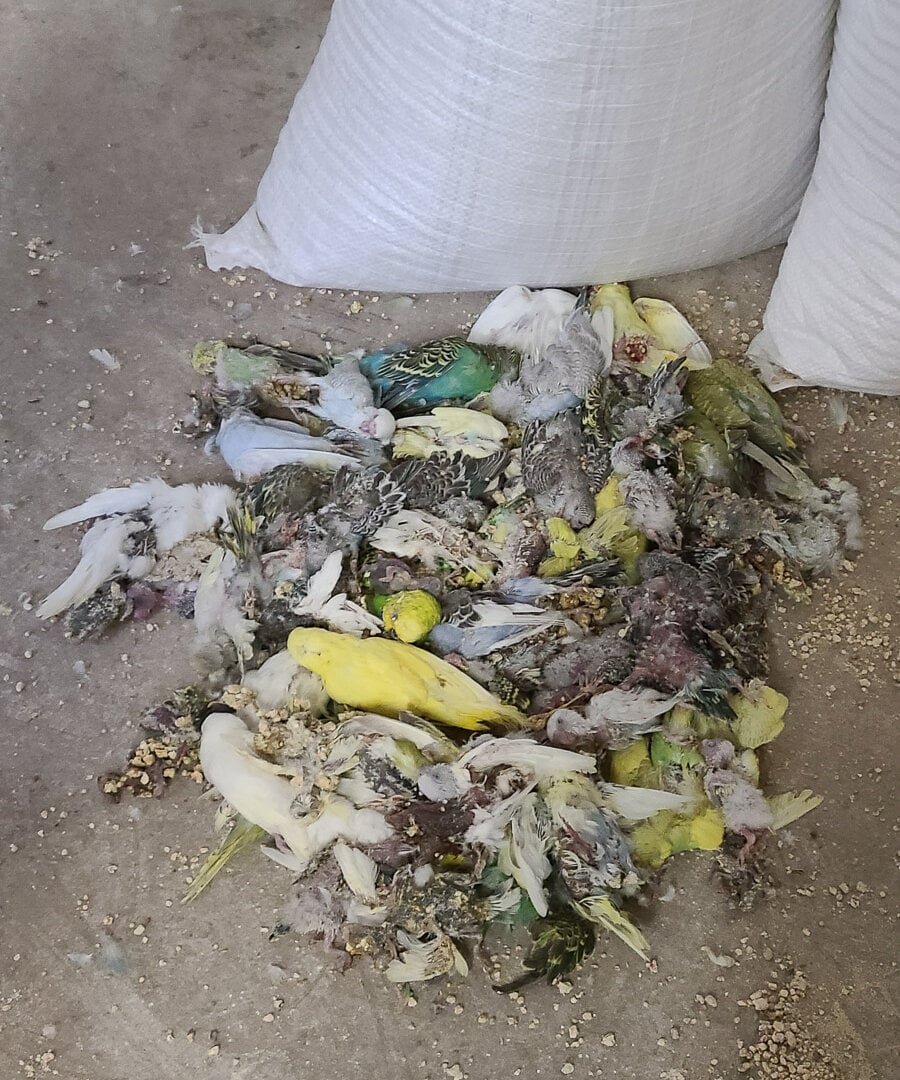
As public awareness of animal welfare continues to grow, the pet industry faces a turning point. The documentation of "poop towers," manual decapitation, and systemic neglect at a supplier for the nation’s largest pet stores serves as a catalyst for legislative and consumer-driven change. The path forward likely involves stricter federal enforcement of the AWA, increased transparency in the supply chain, and a shift in consumer behavior toward adopting rescued birds rather than purchasing them from retail outlets.
For now, the birds at Creekside remains trapped in a cycle of production where their value is measured solely in cents per chick, and their lives are ended with the same lack of ceremony as the waste that piles up beneath their cages. The investigative report serves as a formal call to action for retailers to audit their ethics as closely as they audit their ledgers.

