


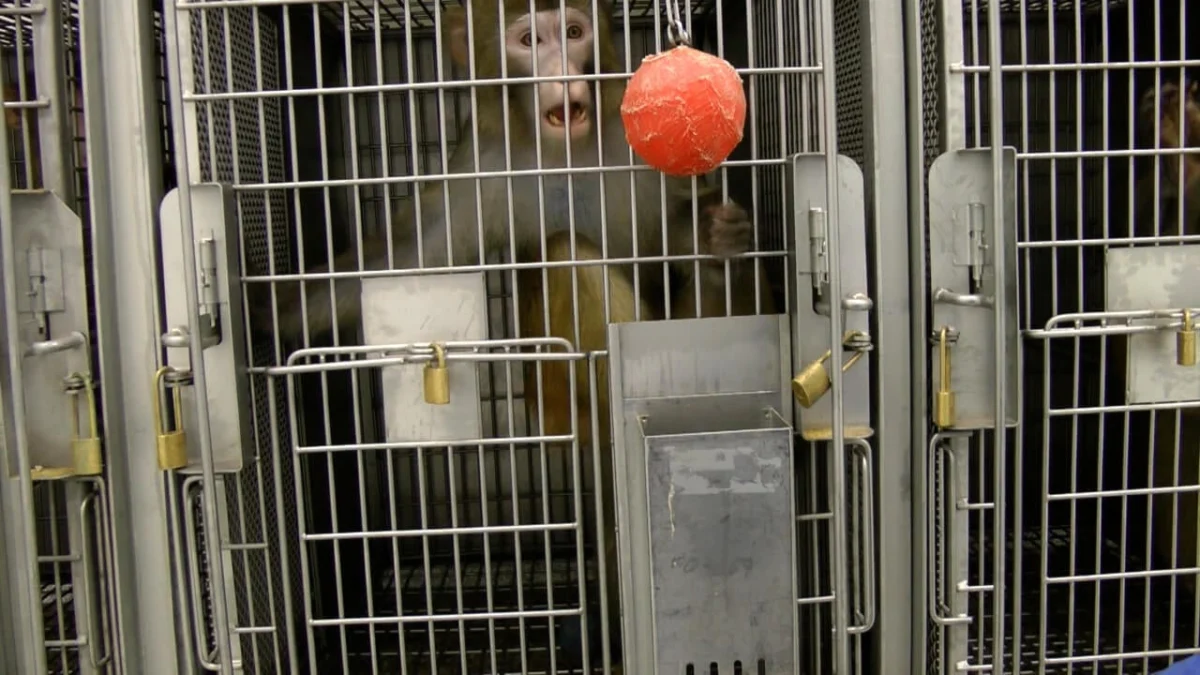
The University of Washington National Primate Research Center (WaNPRC) is facing renewed scrutiny following reports of significant procedural errors and allegations of scientific incompetence involving its senior leadership. Recent disclosures from the university’s animal care committee have highlighted a series of experimental failures attributed to Kristina Adams Waldorf, the center’s associate director for research. These incidents, which include the administration of incorrect dosages and the use of the wrong medications over extended periods, have raised questions regarding the oversight of federally funded primate research and the validity of the data produced by the institution.
According to internal records and reports from the May 21, 2026, meeting of the University of Washington’s Institutional Animal Care and Use Committee (IACUC), Waldorf’s recent experiments involved injecting pregnant macaques with a lab-created protein. It was revealed during the meeting that a dosing error occurred, where the primates were administered an incorrect amount of the substance. While the university’s attending veterinarian and the committee characterized the mistake as a "rare instance" and noted that the terminal nature of the experiment meant no "additional" suffering was endured, critics argue that such errors undermine the scientific integrity of the research.
This latest incident follows a more significant revelation regarding a swine flu experiment conducted by Waldorf’s laboratory. In November 2024, it was discovered that the laboratory had used the wrong drug in a study for two consecutive years. This error resulted in the deaths of 10 monkeys and the loss of approximately $4 million in federal funding, as the data collected over the 24-month period was deemed unusable. The failure to verify the medication administered to the subjects over such a long duration has prompted calls for a federal investigation into the facility’s management and adherence to standard laboratory protocols.
The Scope of Maternal-Fetal Research at WaNPRC
Dr. Kristina Adams Waldorf has built a prominent career in maternal-fetal medicine, specifically focusing on how infections during pregnancy affect fetal development. Over the past decade, Waldorf has received an estimated $26 million in grants from the National Institutes of Health (NIH) to conduct these studies. Her research typically involves the use of pigtail macaques, a species often utilized in reproductive studies due to the similarities between their placental structures and those of humans.
The experimental protocols often involve infecting pregnant macaques with pathogens such as the Zika virus or the influenza virus. Researchers monitor the progression of the pregnancy, often into the third trimester, before performing cesarean sections to extract fetal tissue, particularly brain tissue, for analysis. The goal of such research is to understand the mechanisms of fetal brain injury and to develop interventions for human pregnancies. However, the efficacy and ethics of these methods have long been a point of contention between the scientific community and animal welfare advocates.
The recent procedural errors have intensified this debate. When a researcher fails to follow basic protocols—such as verifying drug identity or dosage—the resulting data is often discarded. In the context of primate research, where the subjects are highly sentient and the costs are borne by taxpayers, such failures are viewed by many as both an ethical and a financial crisis.
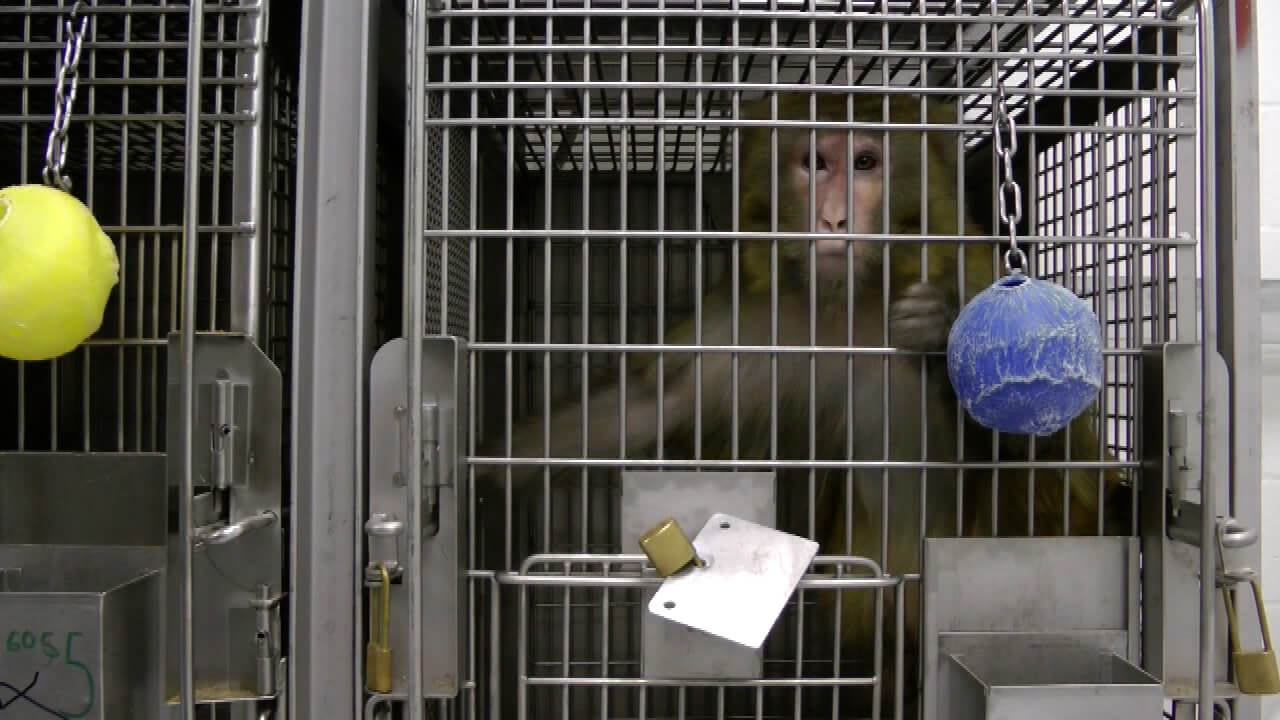
Chronology of Recent Procedural Failures
The timeline of reported issues at the Waldorf laboratory suggests a pattern of oversight lapses rather than isolated events:
- 2014–2024: Waldorf receives approximately $26 million in NIH funding for various maternal-fetal experiments involving non-human primates.
- November 2024: Internal audits reveal that a swine flu experiment had been utilizing the incorrect medication for two years. The experiment is terminated, 10 primates are euthanized, and the data is declared invalid. The financial loss is estimated at $4 million.
- May 21, 2026: During a routine IACUC meeting, it is disclosed that Waldorf’s team administered an incorrect dose of a synthetic protein to pregnant macaques in a recent study.
- June 16, 2026: Formal complaints are filed with the NIH’s Office of Laboratory Animal Welfare (OLAW) and the University of Washington’s Board of Regents, seeking an investigation into the facility’s operations.
The university’s IACUC, which serves as the primary internal regulatory body for animal research, has defended Waldorf, suggesting that the errors can be "accounted for" during data analysis. However, the repetitive nature of these mistakes has led to external pressure for more stringent consequences.
Financial and Scientific Implications of Research Errors
The financial implications of laboratory errors in primate research are substantial. Non-human primate models are among the most expensive subjects in biomedical research, requiring specialized housing, veterinary care, and high-level biosafety facilities. When an experiment fails due to human error, the loss extends beyond the initial grant money to include the indirect costs associated with facility maintenance and the "opportunity cost" of research that could have been funded elsewhere.
Scientifically, the use of incorrect dosages or drugs creates a "confounding variable" that can render an entire study’s conclusions moot. In the case of the 2024 swine flu study, the two-year duration of the error meant that any published preliminary findings or subsequent hypotheses based on that data were potentially flawed. This raises concerns about the broader impact on the scientific literature, as other researchers may rely on published data from prestigious institutions like the University of Washington to inform their own work.
Furthermore, the National Primate Research Centers (NPRCs) are intended to be "centers of excellence" that set the standard for primate research globally. Critics argue that when a high-ranking official like an associate director for research is involved in repeated procedural failures, it suggests a systemic issue within the institution’s culture of safety and compliance.
Regulatory Oversight and Institutional Accountability
The oversight of animal research in the United States is governed by the Animal Welfare Act (AWA) and the Health Research Extension Act. The USDA conducts unannounced inspections of facilities, while the NIH’s OLAW oversees institutions that receive federal funding. The IACUC at each university is responsible for reviewing and approving all animal protocols and ensuring that researchers adhere to them.
In the case of the WaNPRC, the IACUC’s response to Waldorf’s errors has been criticized by animal rights organizations as being overly lenient. While the committee is empowered to suspend research protocols or mandate retraining, reports suggest that no significant disciplinary actions were taken following the 2024 swine flu incident.
This lack of perceived accountability has led organizations such as PETA to bypass internal university channels and appeal directly to federal regulators. The recent complaint filed with OLAW calls for a comprehensive audit of Waldorf’s grants and a review of whether the university is in violation of the Public Health Service (PHS) Policy on Humane Care and Use of Laboratory Animals.
The WaNPRC has faced previous controversies regarding its operations. The center has been cited in the past for issues ranging from animal escapes to inadequate veterinary care. The inclusion of researchers with histories of protocol violations, such as the controversial hiring of Michele Basso, has further complicated the center’s reputation.
Broader Impact on the Future of Primate Research
The incidents at the University of Washington come at a time when the necessity and ethics of primate research are under intense national debate. In recent years, there has been a growing movement toward "Research Modernization," which advocates for the replacement of animal models with human-relevant methods, such as organ-on-a-chip technology, sophisticated computer modeling, and the use of human stem cells.
Proponents of these new methods argue that they are not only more ethical but also more accurate, as animal models often fail to replicate human physiological responses. The failure of Waldorf’s experiments—not due to the limitations of the macaque model, but due to human error—provides further ammunition for those arguing that the current system of primate research is inefficient and prone to waste.
The NIH has recently faced pressure from Congress to increase transparency regarding its funding of animal experiments. As public awareness of these issues grows, institutions like the University of Washington may find it increasingly difficult to justify the continued use of primates, especially in the face of documented incompetence and financial mismanagement.
As of June 2026, the University of Washington has not issued a formal statement regarding the specific allegations against Dr. Waldorf beyond the comments made during the May IACUC meeting. The NIH has acknowledged receipt of the complaints and is expected to review whether the WaNPRC remains in compliance with federal guidelines. The outcome of this investigation could have significant ramifications for the future of maternal-fetal research and the allocation of federal grants to the University of Washington.

