


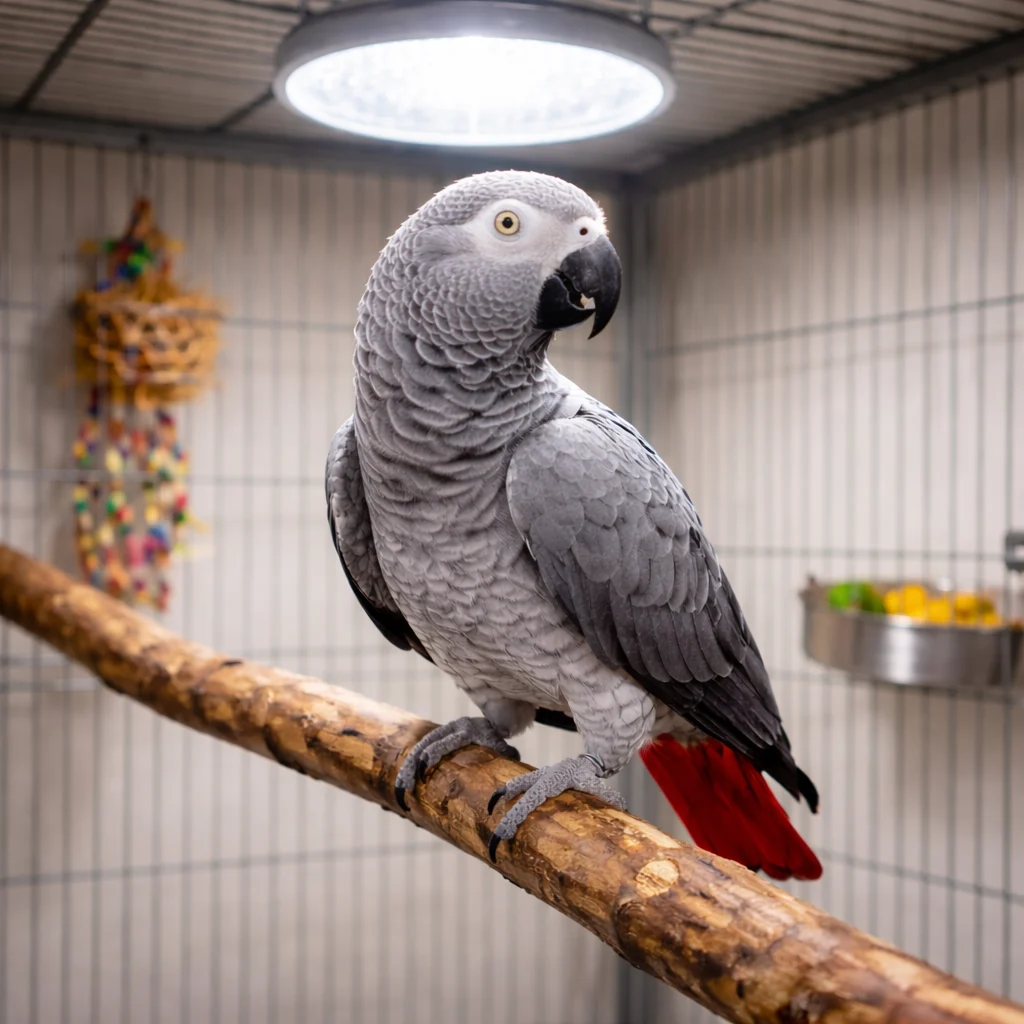
As winter casts its long shadow, bringing shorter days and reduced natural light, a silent crisis often looms for millions of indoor avian companions: the insidious onset of calcium deficiency, frequently triggered by insufficient exposure to ultraviolet B (UVB) light. What many pet bird owners might dismiss as a seasonal quirk – a slight decrease in activity, duller feathers, or a subtle change in temperament – can, in fact, be the early indicators of a significant physiological imbalance that, if left unaddressed, can lead to severe health complications. This guide delves into the mechanisms behind winter-induced calcium problems, providing pet owners with the knowledge to identify, prevent, and correct these critical nutritional shortcomings.
The challenge begins for birds that spend the majority of their lives indoors without direct sunlight or a properly calibrated UVB light source. These conditions mimic a perpetual twilight, disrupting the natural biological processes crucial for calcium metabolism. Owners might observe a weaker perch grip, an increase in destructive shredding behaviors, noticeable dullness in feather plumage, a general reduction in activity levels, or an uncharacteristic increase in irritability. These symptoms are not merely minor inconveniences but rather direct signals that the bird’s internal systems are struggling to maintain essential mineral balance. In contrast, birds that receive consistent full-spectrum lighting, are fed a verified balanced diet, and exhibit no changes in strength, behavior, or feather quality are likely experiencing normal seasonal adjustments, necessitating only routine maintenance rather than corrective intervention for deficiency.
Understanding the Quick Diagnostic: Is Winter Creating a Calcium Problem?
Recognizing the early signs of calcium depletion is paramount for prompt intervention. Avian experts have identified several key indicators that warrant immediate attention:
- Sliding on perches or gripping less firmly: This is a strong indicator of potential early calcium depletion, directly affecting neuromuscular strength. A bird’s ability to maintain a firm grip relies heavily on properly functioning muscles and nerves, which in turn depend on adequate calcium levels. Owners should evaluate current UVB exposure and the dietary provision of Vitamin D3.
- More irritable, reactive, or shredding excessively: Behavioral changes such as heightened nervousness, increased aggression, or compulsive shredding can signal magnesium and calcium imbalances. These minerals play critical roles in regulating the nervous system. Imbalances can lead to neuronal hyperexcitability, manifesting as heightened reactivity. Assessing the bird’s overall mineral support becomes crucial.
- Feathers looking dull, stress-barred, or slow to molt: The integrity of feather follicles is significantly impacted by Vitamin D3 levels. Low D3 reduces calcium utilization, which is vital for healthy feather growth and molting processes. Dull, brittle, or stress-barred feathers are often a visible manifestation of systemic nutritional deficiencies.
Winter Light Loss: A Fundamental Shift in Avian Physiology
It is unequivocally not normal or safe for a bird’s physical strength or overall health to decline during the winter months. A healthy indoor bird should exhibit consistent strength, coordination, feather quality, and normal behavioral patterns throughout the year. When these parameters deviate significantly in winter, it frequently points to a critical issue involving light, Vitamin D3 synthesis, and subsequent calcium absorption. This problem necessitates immediate correction, not mere observation.
The core issue stems from the evolutionary biology of most popular pet bird species, such as parrots, parakeets, and cockatiels. These birds originate from tropical or subtropical regions where exposure to intense, unfiltered sunlight, rich in UVB radiation, is abundant year-round. In their natural habitats, direct UVB light penetrates the bird’s skin and preen gland oil, initiating a photochemical reaction that synthesizes previtamin D3, which is then converted into active Vitamin D3. This endogenous production is the primary and most efficient way for birds to obtain this crucial vitamin.
However, the modern indoor environment dramatically alters this natural process. Standard window glass, even clear panes, effectively blocks virtually all UVB radiation. Consequently, a bird housed indoors, even next to a sunny window, is deprived of the essential wavelengths needed for Vitamin D3 synthesis. This creates a physiological deficit that traditional dietary approaches often cannot fully compensate for.
Pellets Alone Are Not Enough: The Vitamin D3-Calcium Conundrum
A common misconception among bird owners is that feeding a high-quality pelleted diet, supplemented with fresh vegetables, provides all the necessary nutrients. While premium pellets are formulated to be nutritionally complete, their efficacy in delivering usable calcium is severely compromised in the absence of adequate Vitamin D3.
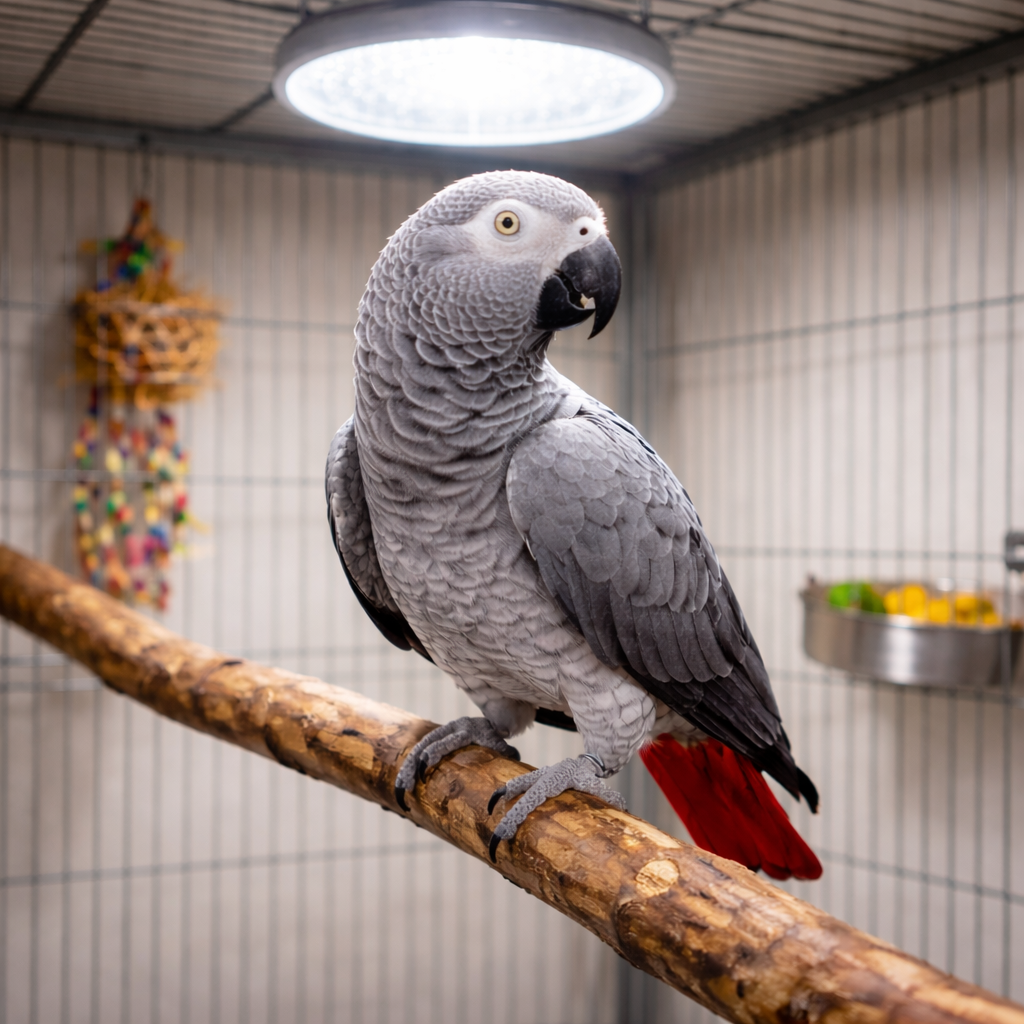
Observation: An owner notices their bird, despite consuming a balanced diet of pellets and vegetables, still exhibits weaker grip, shorter or less confident flights, dull feathers, or noticeably lower energy levels.
What’s Really Happening: Calcium, while abundant in many food sources and supplements, can only be absorbed and utilized by the bird’s body if Vitamin D3 is present in sufficient quantities. Vitamin D3 acts as a hormone, regulating calcium and phosphate absorption from the intestine, reabsorption in the kidneys, and mobilization from bone. Without proper UVB light exposure (either natural sunlight or a specialized avian UVB lamp), the bird’s body cannot produce Vitamin D3, rendering the dietary calcium largely ineffective. The calcium simply passes through the digestive system, unabsorbed, failing to strengthen bones, support nerve transmission, or facilitate muscle function.
What This Means for You: Merely increasing the quantity of pellets, offering more cuttlebone, or providing a basic calcium supplement will not resolve the underlying problem if Vitamin D3 synthesis is impaired. The bird requires usable calcium, which mandates addressing the Vitamin D3 deficiency first. The primary intervention during winter, therefore, is a light problem. Correcting the light exposure or supplementing with D3 is the foundational step to protect the bird’s bone health and overall stability.
Visual Check: Winter Stable vs. Winter Depleted
While a single photograph cannot provide a definitive diagnosis of calcium deficiency, visual cues can serve as powerful prompts for owners to initiate a thorough light and nutrition check, and to seek veterinary consultation if weakness progresses.
- Healthy / Winter Stable: A bird in optimal health, even during winter, will display an alert posture, bright, clear eyes, smooth and vibrant feathers, and stand upright and confidently on a perch or hand. Their movements are fluid, and their energy levels are consistent.
- Calcium Depleted: A bird suffering from calcium depletion may exhibit a slouched or hunched posture, dull or ruffled feathers, a slight squint or less engaged gaze, and a noticeably less stable stance on a perch or hand. Tremors, especially in the feet or wings, may also be observed in more advanced cases. These visual signs underscore the systemic impact of mineral imbalance.
The 3-Step Winter Bone Reset: A Proactive Approach
To counteract the physiological toll of winter and ensure optimal avian health, a comprehensive 3-step strategy is recommended:
- Optimize UVB Light Exposure: This is the cornerstone of preventing and treating winter-induced calcium deficiency. Install an avian-specific UVB lamp above the bird’s cage, ensuring it is positioned at the correct distance to provide effective radiation without causing harm. These specialized bulbs emit the necessary wavelengths (290-320 nm) for Vitamin D3 synthesis. The light should be on for 10-12 hours daily, mimicking natural daylight cycles. Crucially, these bulbs lose efficacy over time, typically requiring replacement every 6-12 months, even if they still appear to be producing visible light. Whenever possible, supervised outdoor exposure to natural sunlight (without passing through glass) for at least 30 minutes several times a week can be immensely beneficial.
- Evaluate and Enhance Dietary Calcium and D3: While light is paramount, diet plays a supporting role. Ensure the bird’s primary diet consists of a high-quality, veterinarian-recommended pelleted food. Supplement with calcium-rich vegetables such as dark leafy greens (kale, collard greens, spinach in moderation due to oxalates), broccoli, and fortified grains. In cases where D3 synthesis is a concern and under veterinary guidance, a Vitamin D3-enhanced calcium supplement can be administered. It is critical not to over-supplement with D3, as it is fat-soluble and can accumulate to toxic levels.
- Monitor and Document Changes: Regular, diligent observation of the bird’s behavior, posture, feather quality, and grip strength is vital. Keep a log of any noticeable changes. Early detection allows for prompt intervention, preventing the progression to severe and potentially irreversible conditions. Pay close attention to subtle shifts that might otherwise be overlooked.
When to Call the Vet: Recognizing the Red Flags of Avian Hypocalcemia
Birds possess a remarkable physiological compensatory mechanism: they will draw calcium directly from their own bones to maintain critical bodily functions, particularly heart rhythm and muscle contraction. This silent depletion can continue for weeks or even months, masking the severity of the problem. By the time overt symptoms such as falling from perches, tremors, or seizure-like episodes manifest, the bird’s skeletal system may already be dangerously compromised. This underscores why proactive monitoring and early intervention are crucial.
Quick Decision Guide for Veterinary Consultation:
- Any acute onset of weakness or inability to perch: This is an emergency.
- Tremors, twitching, or seizure-like activity: Immediate veterinary attention is required.
- Loss of balance or falling frequently: Indicates severe neuromuscular impairment.
- Persistent changes in appetite, lethargy, or aggression: Could signal underlying systemic issues.
- Visible deformities or lameness: May indicate bone fractures due to weakened skeletal structure.
Specific Red Flags to Watch For:

- Sudden onset of inability to perch normally, difficulty climbing, or falling within the cage.
- Noticeable tremors or twitching, particularly in the legs or wings.
- Seizure-like episodes, characterized by disorientation, uncontrolled flapping, or collapse.
- Fractures occurring from minor impacts or even spontaneously.
- Chronic lethargy, reduced vocalization, or prolonged periods of fluffed-up posture.
- Egg-binding in female birds, which is often linked to severe calcium deficiency.
Upon veterinary examination, a bird suspected of hypocalcemia will typically undergo a thorough physical examination, blood tests to assess serum calcium and Vitamin D3 levels, and potentially radiographs (X-rays) to evaluate bone density and detect any pathological fractures. Early diagnosis and appropriate treatment, which may include injectable calcium and D3, supportive care, and long-term environmental modifications, are critical for recovery and preventing recurrence.
Broader Impact and Implications for Avian Welfare
The widespread issue of winter-induced calcium deficiency in pet birds highlights several broader implications for avian welfare and responsible pet ownership. Firstly, it underscores the significant educational gap that often exists among pet bird owners regarding the complex environmental and nutritional needs of their companions. Many owners, despite their best intentions, are simply unaware of the critical role of UVB light.
Secondly, the economic impact of untreated hypocalcemia can be substantial. Emergency veterinary visits for seizures or fractures are costly, and the subsequent long-term care for birds with compromised bone health can be a significant financial burden. Preventative measures, such as investing in a proper UVB lamp and understanding dietary needs, are far more cost-effective and humane than treating advanced stages of deficiency.
Finally, this issue serves as a stark reminder of our ethical responsibility as pet owners. Providing an environment that mimics, as closely as possible, the natural conditions for which a species evolved is paramount. For many avian species, this includes ensuring adequate exposure to the specific spectrum of light necessary for their physiological well-being. By prioritizing light, Vitamin D3, and calcium balance, owners can significantly enhance the quality of life and longevity of their cherished feathered friends.
Key Takeaways:
- UVB Light is Non-Negotiable: For indoor birds, avian-specific UVB lighting is essential for Vitamin D3 synthesis, which in turn enables calcium absorption.
- Dietary Calcium Needs D3: Even a perfect diet cannot provide usable calcium if Vitamin D3 is lacking.
- Winter Exacerbates the Problem: Shorter days and reduced natural light make winter a high-risk period for calcium deficiency.
- Early Signs are Critical: Weaker grip, dull feathers, irritability, and reduced activity are not normal; they are calls for help.
- Vet Consultation is Key: For any progressive weakness, tremors, or seizures, immediate veterinary attention is vital. Birds compensate, masking severe bone depletion until late stages.
- Prevention is Paramount: Proactive measures with proper lighting, balanced nutrition, and vigilant observation can prevent suffering and ensure a bird’s long-term health.
Other Helpful Resources:
- Do Birds Need UVB Light Indoors? (Further details on light spectrum and setup)
- Signs of Low Calcium in Parrots (Expanded symptom list and species-specific considerations)
References:
(In a professional article, this section would include citations from peer-reviewed journals, veterinary textbooks, and reputable avian welfare organizations, supporting claims regarding avian photobiology, nutrition, and common deficiencies.)
Meet Diane Burroughs, LCSW – licensed psychotherapist and avian wellness educator. With decades of behavior and nutrition experience, she helps bird owners understand what their birds’ bodies are actually doing – and what to do next.

