


Two esteemed BirdLife Europe partners have been celebrated for their exceptional contributions to nature conservation, climate action, and environmental protection, receiving prestigious awards at the 20th annual LIFE Awards ceremony. The event, held against a backdrop of uncertainty regarding the future of the LIFE Programme under the next EU budget, highlighted the profound impact and tangible results achieved by projects funded through this vital instrument. The recognition of these BirdLife partners underscores their critical role in advancing biodiversity restoration and sustainable practices across Europe and beyond, while simultaneously amplifying calls for the continued robust funding of the programme.
A Legacy of Environmental Action: The Significance of the LIFE Programme
The LIFE Programme stands as the European Union’s sole dedicated funding instrument for environmental and climate initiatives. Since its inception in 1992, it has been instrumental in co-financing over 6,400 projects, demonstrating a remarkable return on investment despite representing a modest 0.2% of the total EU budget. The program’s influence is far-reaching, with projects awarded in 2022 and 2023 alone projected to halt biodiversity loss across approximately 500,000 hectares, a significant contribution to the EU’s ambitious biodiversity targets. The annual LIFE Awards serve as a crucial platform to showcase and acknowledge the on-the-ground successes and innovative solutions that emerge from this vital funding stream, celebrating those who translate policy into impactful action.

The potential discontinuation of the LIFE Programme under the upcoming EU budget has cast a shadow over the environmental sector, raising concerns among conservationists and policymakers alike. The programme’s proven track record of delivering measurable environmental benefits and fostering innovation makes its proposed reduction or elimination a point of significant contention. The awards ceremony, therefore, became a focal point for advocacy, with award recipients and their supporters articulating a clear and urgent case for the programme’s continuation.
Spanish Innovation in Sustainable Agriculture: OlivaresVivos Project Honored
Spain’s SEO/BirdLife was a standout recipient, securing the award for the most innovative and transformative initiative for its groundbreaking project, OlivaresVivos. This ambitious initiative is revolutionizing the agricultural landscape by demonstrating how to recover biodiversity within olive groves while simultaneously making these practices financially rewarding for farmers. Through extensive collaboration with various stakeholders, SEO/BirdLife has developed a scientifically endorsed and commercially certified farming model. This model not only enhances the ecological health of olive-growing regions but also adds significant value to olive oils, directly attributing their superior quality and market appeal to their sustainably produced nature. The OlivaresVivos project powerfully illustrates a paradigm shift where biodiversity and profitability are not mutually exclusive but rather synergistic, offering a compelling blueprint for other agricultural sectors facing similar environmental challenges.
The success of OlivaresVivos is rooted in its integrated approach, which addresses the complex interplay between agricultural production and ecosystem health. By reintroducing native flora and fauna, creating habitat corridors, and adopting agroecological farming techniques, the project has measurably increased biodiversity indicators in participating olive groves. This ecological enhancement, in turn, contributes to more resilient crops, reduced reliance on chemical inputs, and the production of high-quality olive oil with a distinct terroir. The commercial certification aspect is crucial, providing farmers with a tangible market advantage and a clear incentive to adopt these nature-friendly practices. The project’s impact extends beyond environmental restoration, fostering economic viability and promoting a more sustainable model for rural development in Spain.

Bulgarian Society for the Protection of Birds: A Triumph for Endangered Species
In another significant achievement, the Bulgarian Society for the Protection of Birds (BSPB), a dedicated BirdLife Partner, received the highly coveted Citizens’ Prize for its remarkable success with the Egyptian Vulture New LIFE project. This initiative has achieved a critical reversal in the declining population of the Egyptian Vulture across the Balkans, a species facing severe threats. The project meticulously targeted the two primary causes of mortality: poisoning and electrocution from power lines. Demonstrating an extraordinary level of international cooperation, the Egyptian Vulture New LIFE project involved 22 partners from 14 countries spanning Europe, Asia, and Africa. This vast network worked collaboratively to strengthen breeding sites, implement effective anti-poisoning strategies, and mitigate the risks posed by electricity infrastructure. The project’s success has not only bolstered the prospects of the Egyptian Vulture within European borders but has also contributed significantly to the species’ long-term survival on a global scale.
The Egyptian Vulture, a small and distinctive raptor, has faced a dramatic population crash in recent decades, pushing it to the brink of extinction in many parts of its range. The BSPB-led project recognized the urgent need for a coordinated, multi-faceted approach to address the complex threats. Their efforts included extensive field work, scientific research, community engagement, and policy advocacy. By working closely with local communities, landowners, and utility companies, they were able to implement practical solutions, such as the installation of bird-safe electricity poles and the eradication of illegal poisoning practices. The project’s success in the Balkans is a testament to the power of international collaboration and the dedication of conservationists working on the front lines. The Citizens’ Prize acknowledges the vital role of public engagement and grassroots action in driving conservation outcomes.
Amplifying the Call for LIFE’s Continuation
The award winners, emboldened by their recognition, used the LIFE Awards ceremony as a vital platform to passionately advocate for the continued existence and robust funding of the LIFE Programme. Their appeals were echoed by a growing chorus of support from various influential bodies. Notably, the European Parliament’s Multiannual Financial Framework Interim Report explicitly calls for the continuation of LIFE’s crucial work in nature conservation, biodiversity restoration, and climate adaptation. This parliamentary endorsement signals a significant recognition of the programme’s indispensable role in addressing Europe’s most pressing environmental challenges.

The sentiment expressed by the awardees and the European Parliament highlights a broader concern within the environmental sector. The LIFE Programme, despite its relatively small budget, has a disproportionately large impact due to its targeted funding, innovative approach, and ability to foster collaboration. Losing this programme, or significantly curtailing its scope, would represent a substantial setback for environmental progress in the EU. The call now rests heavily on the national governments, the remaining key stakeholders in the EU’s legislative process, to ensure that LIFE’s legacy of impactful environmental action is secured for future generations. Their decisions in the upcoming budget negotiations will be critical in determining whether the EU maintains its commitment to a sustainable and biodiverse future.
Supporting Data and Broader Implications
The tangible results achieved by LIFE-funded projects provide compelling evidence for the programme’s value. Beyond the 500,000 hectares targeted for biodiversity loss reversal by recent projects, historical data illustrates the programme’s consistent impact. Since its establishment, LIFE has supported the development of innovative technologies, policy advancements, and practical conservation interventions across a wide spectrum of environmental issues, including climate change mitigation and adaptation, circular economy initiatives, and the protection of natural habitats and species. The programme’s flexible funding mechanisms allow it to adapt to emerging environmental challenges, making it a dynamic and responsive tool for sustainable development.
The implications of the potential discontinuation of the LIFE Programme are far-reaching. It could lead to a significant reduction in the number of innovative environmental projects implemented across the EU, potentially slowing down progress towards key climate and biodiversity targets. Furthermore, it could weaken the EU’s global standing as a leader in environmental policy and action. The success of projects like OlivaresVivos and Egyptian Vulture New LIFE demonstrates that investing in nature-based solutions and species conservation yields both ecological and socio-economic benefits. The loss of the LIFE Programme could jeopardize the replication and scaling of such successful models, hindering the transition to a green economy and a more resilient Europe.

Looking Ahead: The Call for Proposals Remains Open
Despite the ongoing discussions about the programme’s future, the European Commission continues to invite proposals, underscoring the ongoing need for environmental action. The 2026 LIFE call for proposals is currently open, with submissions accepted until late September. This provides a critical window for organizations and consortia to develop and submit innovative projects that align with the EU’s environmental objectives. The continued availability of this funding stream, even amidst uncertainty, demonstrates a commitment to ongoing environmental action and offers a glimmer of hope for the programme’s eventual continuation. The success of the LIFE Awards and the compelling arguments made by its beneficiaries serve as a powerful reminder of the programme’s invaluable contribution to a healthier planet. The environmental community now awaits the decisions of national governments, hoping they will recognize the irreplaceable role of LIFE in safeguarding Europe’s natural heritage and addressing the urgent climate crisis.
Visualizing Success: Awarded Projects in Focus
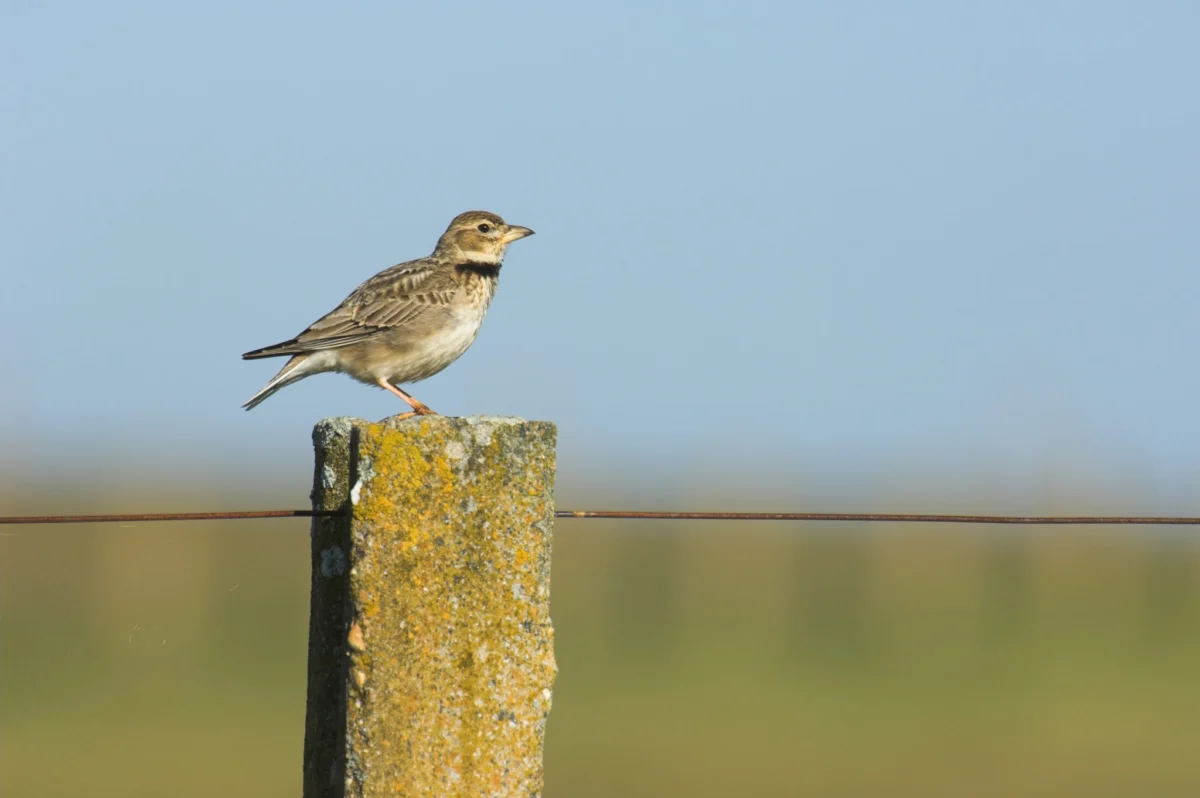
The visual documentation accompanying the LIFE Awards ceremony provides compelling imagery of the projects’ impact. Photographs of the OlivaresVivos project showcase the harmonious integration of biodiversity within agricultural landscapes, highlighting the vibrant flora and fauna that have returned to these once degraded areas. Similarly, images related to the Egyptian Vulture New LIFE project often depict the majestic birds in their restored habitats or illustrate the conservation measures implemented to protect them, such as the bird-safe power line designs. These visuals serve as powerful reminders of the tangible outcomes that LIFE funding can achieve, offering a visual narrative of hope and progress in the face of environmental challenges. The accompanying images of the Calandra Lark further emphasize the rich biodiversity that these conservation efforts aim to protect, underscoring the interconnectedness of various species within healthy ecosystems.
The Stichting BirdLife Europe gratefully acknowledges the financial support provided by the European Commission for its work. It is important to note that all content and opinions expressed within BirdLife Europe’s publications are solely those of the organization. The European Commission is not responsible for any use that may be made of the information contained therein, a standard disclaimer ensuring the independence and integrity of the organization’s reporting and advocacy.

