


The American Federation of Aviculture (AFA) has solidified its position as a primary authority in the promotion of avian welfare and conservation by expanding its comprehensive suite of educational tools designed for bird enthusiasts, professional breeders, and educators. By bridging the gap between casual bird ownership and rigorous scientific study, the AFA’s curriculum serves as a critical resource in an era where avian species face unprecedented challenges from habitat loss and climate change. The organization’s flagship programs, including the "Fundamentals of Aviculture" and the "Avian Biology Classroom," represent a standardized approach to bird care that emphasizes biological literacy and ethical stewardship.
The Evolution of Avicultural Education
For decades, the practice of aviculture—the breeding and caring for birds—was largely passed down through informal mentorship and anecdotal evidence. However, as the complexity of avian medicine and the urgency of conservation grew, the need for a formalized, science-based educational framework became apparent. The AFA, founded in 1974, recognized that the survival of many species depended on the competence of those who keep them in captivity.

The development of the AFA’s current educational tools was not a solitary effort. It involved strategic partnerships with leading academic institutions, most notably the Schubot Exotic Bird Health Center at the College of Veterinary Medicine, Texas A&M University. This collaboration ensured that the information provided to students was not only practical but also grounded in the latest veterinary research. Furthermore, support from the Pet Care Trust provided the necessary funding to transition these resources into a digital format, making them accessible to a global audience through the "AFA Campus" online portal.
Fundamentals of Aviculture Level I: Establishing the Baseline
The "Fundamentals of Aviculture Level I" serves as the introductory gateway for anyone seeking a deeper understanding of bird biology and husbandry. Presented in nine comprehensive chapters, the course is designed to move beyond the basics of "pet care" and into the realm of avian science.
The curriculum begins with an in-depth look at avian anatomy and physiology. Understanding the unique respiratory system of birds, their metabolic rates, and their skeletal structures is essential for identifying early signs of illness—a critical skill given that birds often mask symptoms of disease until they are dangerously advanced. The course also delves into avian behavior, providing students with the tools to distinguish between natural instincts and stress-induced actions.

Legal and regulatory frameworks form another cornerstone of the Level I course. As international treaties like CITES (the Convention on International Trade in Endangered Species of Wild Fauna and Flora) and domestic laws like the Endangered Species Act continue to evolve, aviculturists must remain compliant. The AFA ensures that its students understand the legalities of bird ownership, transport, and breeding. Additionally, the course provides practical guidance on housing and preventative medicine, emphasizing that a controlled environment is the first line of defense against avian pathogens.
Fundamentals of Aviculture Level II: The Science of Breeding and Conservation
Upon completion of the introductory level, students may progress to "Fundamentals of Aviculture Level II." This intermediate course is significantly more rigorous, consisting of 15 chapters that explore the complexities of avian reproduction and specialized care.
Level II is particularly vital for those involved in conservation and research. It covers the nuances of courtship and nesting, which can vary wildly between species—from the cavity-nesting parrots of South America to the complex social structures of finches. The inclusion of basic avian genetics and color mutations is especially relevant for breeders who are working to maintain genetic diversity within captive populations. This section also addresses the controversial but scientifically significant topics of hybrids and breeding stimuli.

Technical skills such as artificial incubation and hand-rearing are taught with an emphasis on precision. These practices are often the difference between success and failure in captive breeding programs for endangered species. The course also expands into non-parrot studies, acknowledging the vast diversity of the avian world beyond the psittacine family.
The scientific depth of Level II is further enhanced by chapters on basic microbiology and first aid. By teaching students how to identify bacterial and viral threats at a microscopic level, the AFA empowers them to work more effectively with avian veterinarians. The course concludes with a focus on avian enrichment, recognizing that psychological health is just as vital as physical health for long-lived species.
The Avian Biology Classroom: Community Outreach and Youth Education
Recognizing that the future of aviculture lies in the hands of the next generation, the AFA developed the Avian Biology Classroom (ABC). This program is a downloadable resource intended for bird clubs, traditional classroom teachers, and community educators. By providing high-quality presentations in both PowerPoint and PDF formats, the AFA enables local leaders to disseminate scientific knowledge without the need for expensive textbooks or specialized equipment.
The ABC program is structured into five distinct modules, each focusing on a fundamental aspect of biological science as it relates to birds:
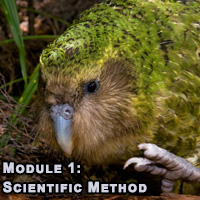
- The Scientific Method: This module teaches students how to approach avian care through observation, hypothesis, and experimentation, fostering a mindset of critical thinking.
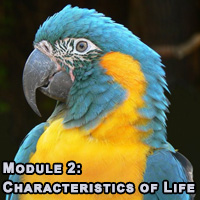
- Characteristics of Life: This section explores what makes birds unique as living organisms, focusing on cellular structure, metabolism, and adaptation.
- Populations: Students learn about the dynamics of bird populations in the wild, including the factors that lead to population growth or decline, such as predation, food availability, and human intervention.
- Mendelian Genetics: By using birds as a model, this module explains the laws of inheritance, helping students understand how traits are passed from one generation to the next.
- Ecological Terminology: This final module provides the vocabulary and conceptual framework necessary to understand the role of birds within their broader ecosystems.
Supporting Data and the Need for Formal Training
The necessity of these educational tools is underscored by data from global conservation organizations. According to the State of the World’s Birds report, nearly 48% of bird species worldwide are experiencing population declines. In this context, captive populations managed by educated aviculturists serve as "insurance populations" against total extinction.
Data from the pet industry also suggests a rising demand for exotic birds, yet veterinary clinics report that a significant percentage of avian health issues are caused by "husbandry-related errors"—meaning they are entirely preventable through education. The AFA’s courses directly target this knowledge gap. By professionalizing the hobby, the AFA aims to reduce the mortality rates of captive birds and improve the success rates of reintroduction programs.
Analysis of Implications for the Avicultural Community
The AFA’s move toward a standardized, digital curriculum has several long-term implications. First, it creates a "common language" between the hobbyist community and the scientific community. When a breeder understands the microbiology of a disease or the genetics of a breeding pair, they can provide more accurate data to researchers and veterinarians.
Second, these educational tools provide a level of self-regulation within the avicultural community. By setting high standards for knowledge and care, the AFA demonstrates to legislators and animal welfare organizations that bird keepers are dedicated to the highest levels of professional conduct. This is particularly important as the legal landscape surrounding the keeping of "exotic" animals becomes more restrictive.
Finally, the accessibility of these courses—with a membership-based fee structure and an open-access model for the ABC program—ensures that financial barriers do not prevent the spread of vital information. The $75 introductory fee for Level II, for instance, is a nominal investment compared to the potential costs of veterinary care or the loss of a rare bird due to improper handling.
Future Outlook and Institutional Impact
As the AFA continues to update its curriculum to reflect new scientific discoveries, the organization remains a lynchpin in the global effort to save avian species. The "AFA Campus" is expected to expand, potentially including more specialized modules on topics like avian nutrition, advanced surgical recovery, and field conservation techniques.
The endorsement and support from institutions like Texas A&M University’s Schubot Exotic Bird Health Center lend the AFA a degree of academic prestige that few other hobbyist organizations possess. This partnership suggests a future where the line between "citizen science" and "institutional research" continues to blur, with educated aviculturists playing an increasingly active role in the preservation of the world’s birds.
In summary, the American Federation of Aviculture’s educational tools represent more than just a series of lessons; they are a comprehensive infrastructure for the survival of avian species. Through the "Fundamentals of Aviculture" and the "Avian Biology Classroom," the AFA is ensuring that the science of bird care is passed on with the same passion that has driven bird lovers for generations, but with a new level of scientific rigor that the modern world demands.

