


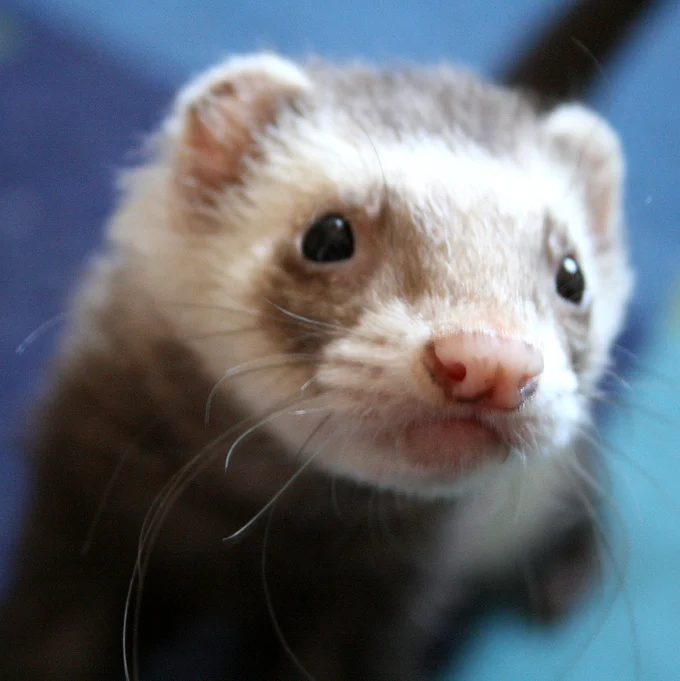
On March 18, 2026, the veterinary community observed a significant advancement in exotic animal medicine with the release of a specialized clinical webinar titled The Collapsing Ferret, presented by Dr. Cathy Johnson-Delaney, DVM. This educational initiative, hosted by LafeberVet, addresses one of the most common and distressing presentations in small mammal practice: the acute collapse of a domestic ferret (Mustela putorius furo). As ferrets continue to grow in popularity as companion animals, the need for standardized emergency protocols and diagnostic frameworks has become paramount. The webinar serves as a cornerstone for continuing education, having been rigorously reviewed and approved by the American Association of Veterinary State Boards (AAVSB) Registry of Approved Continuing Education (RACE) program. This accreditation provides veterinarians and veterinary technicians with one hour of continuing education credit, emphasizing the critical nature of specialized knowledge in treating mustelids.
Clinical Context of the Collapsing Ferret
The phenomenon of "collapse" in ferrets is rarely a singular diagnosis but rather a clinical sign of various underlying systemic failures. Because ferrets have high metabolic rates and unique physiological predispositions, an episode of collapse—characterized by sudden weakness, recumbency, or loss of consciousness—requires immediate and structured intervention. Dr. Johnson-Delaney’s presentation categorizes these episodes into two primary drivers: metabolic dysfunction and cardiovascular insufficiency.
In North American ferret populations, the prevalence of certain neoplastic and degenerative conditions is notably high, largely attributed to genetic bottlenecks and early-age neutering practices. Consequently, a ferret presenting with hind-limb weakness that progresses to total collapse is often suffering from a chronic condition that has reached a tipping point. The webinar aims to bridge the gap between initial stabilization and the complex diagnostic workup required to identify the root cause, whether it be insulinoma, cardiomyopathy, or geriatric multi-organ failure.
Pathophysiology of Metabolic Collapse: The Role of Insulinoma
A central theme of the clinical discussion is the impact of insulinoma, a common neoplasm of the pancreatic beta cells. Insulinomas secrete excessive amounts of insulin regardless of the ferret’s blood glucose levels, leading to profound hypoglycemia. According to clinical data, insulinoma is perhaps the most frequent cause of episodic collapse in ferrets over the age of three.
When blood glucose drops below the critical threshold—often cited as less than 60 mg/dL in ferrets—the brain is deprived of its primary energy source. This neuroglycopenia manifests as "stargazing," pawing at the mouth (a sign of nausea), hypersalivation (ptyalism), and eventually, a full collapse. The webinar provides a detailed timeline for managing these episodes, beginning with the immediate administration of oral glucose precursors or intravenous dextrose. Dr. Johnson-Delaney emphasizes that while acute stabilization is vital, long-term management involves a delicate balance of dietary modification (high-protein, low-carbohydrate) and pharmacological intervention using glucocorticoids like prednisone or insulin-inhibitors like diazoxide.
Cardiovascular Dynamics and Arrhythmic Collapse
Beyond metabolic triggers, the webinar delves into the complexities of the ferret cardiovascular system. Ferrets are highly susceptible to various forms of cardiomyopathy, most notably Dilated Cardiomyopathy (DCM) and Hypertrophic Cardiomyopathy (HCM). Unlike metabolic collapse, which often involves a slow "melting" into recumbency, cardiac-induced collapse—or syncope—is typically sudden and may be associated with exertion.
Supporting data from veterinary cardiology suggests that ferrets with underlying heart disease may maintain compensation for extended periods until a sudden arrhythmia or congestive heart failure (CHF) event occurs. Dr. Johnson-Delaney outlines the diagnostic markers for these conditions, including the use of thoracic radiographs to assess the "globoid" heart shape and echocardiography to measure fractional shortening and wall thickness. The webinar highlights that arrhythmias, such as heart block or ventricular premature contractions, can lead to transient cerebral hypoxia, causing the animal to drop suddenly. Understanding the distinction between a metabolic "weakness" and a cardiac "syncope" is a primary learning objective for practitioners seeking RACE credit.
A Chronology of Emergency Intervention
The webinar establishes a clear chronological protocol for the veterinary team when a collapsing ferret arrives at the clinic:
- Triage and Initial Assessment (Minutes 0–5): Assessment of airway, breathing, and circulation (ABCs). Immediate measurement of blood glucose via a peripheral vein (often the lateral saphenous or cephalic vein).
- Stabilization (Minutes 5–20): If hypoglycemic, administration of 50% dextrose (diluted) or honey on the gums if intravenous access is not yet established. If cardiac origin is suspected, oxygen therapy and diuretic administration (e.g., furosemide) are prioritized.
- Diagnostic Phase (Hour 1–3): Once the patient is stable, a comprehensive workup including a complete blood count (CBC), chemistry panel, and imaging is performed. This phase focuses on identifying co-morbidities, as geriatric ferrets frequently suffer from "the big three": insulinoma, adrenal disease, and heart disease simultaneously.
- Long-term Strategy (Post-24 Hours): Development of a maintenance plan that addresses the underlying pathology while educating the owner on monitoring for future episodes.
Professional Standards and the RACE Accreditation
The approval of this webinar by the AAVSB RACE program signifies its adherence to high educational standards. RACE-approved programs are essential for veterinary professionals to maintain their licenses, ensuring that the information provided is evidence-based and peer-reviewed. The "The Collapsing Ferret" course requires participants to pass a post-test, demonstrating their mastery of the material.
The inclusion of Dr. Cathy Johnson-Delaney as the lead instructor adds significant weight to the program. As a recognized authority in avian and exotic animal medicine, her insights reflect decades of clinical experience. The webinar’s structure—offering three attempts to pass the post-test—reflects a commitment to "mastery learning," where the goal is the genuine acquisition of life-saving skills rather than simple rote memorization.
Supporting Data on Ferret Longevity and Geriatrics
Enriching the discussion is the consideration of ferret geriatrics. The average lifespan of a domestic ferret is 5 to 8 years, with "geriatric" status generally assigned at age 4. Data indicates that the incidence of multi-systemic disease increases exponentially after this four-year mark.
The webinar highlights that collapse in a geriatric ferret is rarely a single-organ issue. For instance, a ferret with cardiomyopathy may have reduced renal perfusion, leading to secondary azotemia, which further contributes to lethargy and weakness. By providing a holistic view of the geriatric ferret, Dr. Johnson-Delaney encourages veterinarians to look beyond the immediate symptom of collapse and evaluate the "whole patient." This includes assessing for adrenal disease (hyperadrenocorticism), which, while not a direct cause of collapse, can complicate the clinical picture through muscle wasting and anemia.
Broader Impact and Veterinary Implications
The release of this educational content comes at a time when exotic pet ownership is on the rise globally. As more households adopt ferrets, general practitioners are increasingly called upon to treat species that were once considered "niche." The "The Collapsing Ferret" webinar serves as a vital resource for the generalist veterinarian who may not see mustelids daily but must be prepared for an emergency presentation.
From a broader perspective, the focus on specific pathologies like insulinoma and cardiomyopathy in ferrets contributes to the growing body of knowledge in comparative medicine. The ways in which these animals process glucose and respond to cardiac stress offer insights that can sometimes be translated across species lines, including to other small carnivores.
Furthermore, the accessibility of this information through LafeberVet—offered in English, French, and Spanish—highlights the global nature of veterinary science. By removing language barriers, the program ensures that high-level emergency protocols are available to practitioners in diverse geographic regions, ultimately improving the standard of care for ferrets worldwide.
Official Responses and Industry Outlook
While official statements from the AAVSB are typically limited to accreditation status, the veterinary community’s response to such specialized CE has been overwhelmingly positive. Practitioners often cite the "high-stakes" nature of exotic emergencies as a source of professional anxiety; structured webinars like this one provide the "safety net" of a proven clinical framework.
Industry analysts suggest that the trend toward specialized exotic animal CE will continue to grow. As diagnostic tools like point-of-care ultrasound (POCUS) and advanced blood chemistry analyzers become more common in general practice, the demand for expert guidance on how to interpret these results in "non-traditional" species will rise. Dr. Johnson-Delaney’s work represents a proactive response to this demand, ensuring that when a ferret collapses, the veterinary team is equipped not just with the tools, but with the specific, evidence-based knowledge required to save a life.
In conclusion, The Collapsing Ferret is more than a simple instructional video; it is a comprehensive synthesis of mustelid physiology, emergency medicine, and chronic disease management. By addressing the nuances of hypoglycemia and cardiac syncope, and by providing a RACE-approved pathway for professional development, the program elevates the quality of care for one of the most unique and beloved exotic pets in modern veterinary medicine.

