


A crucial educational webinar, titled "Zookeeper Notes: Enriching the Whole Parrot," is scheduled for Friday, May 29, 2026, at 12:00 p.m. PST, promising to deliver comprehensive insights into enhancing the welfare of captive parrots. The event, featuring renowned avian expert Michiko Berceau, CVT, BS, CWR, aims to equip parrot owners, avian enthusiasts, and veterinary professionals with advanced strategies for fostering a more meaningful and positive state of avian well-being through multifaceted enrichment. Participants are strongly encouraged to utilize a reliable time zone converter to ensure timely attendance, as the session is poised to attract a global audience eager to deepen their understanding of avian care.
The webinar represents a significant opportunity for the avian community to learn directly from a professional whose career spans over 18 years in wildlife, zoo, and exotic animal care. Michiko Berceau’s extensive background is a testament to her profound expertise, making her an invaluable resource for this topic. As a Certified Veterinary Technician (CVT) and Certified Wildlife Rehabilitator (CWR), Ms. Berceau possesses a unique blend of clinical veterinary knowledge and practical experience in animal husbandry and rehabilitation. Her Bachelor of Applied Science (BAS) in Veterinary Technology further solidifies her academic foundation, complemented by over 400 hours of continuing education, underscoring her commitment to staying at the forefront of her field. Notably, her permits to rehabilitate Migratory Bird Treaty Act-protected species highlight her specialized skills and ethical dedication to avian conservation and welfare. This rich tapestry of experience allows her to bridge the gap between complex zoological practices and actionable advice for pet parrot owners, ensuring that the strategies discussed are both scientifically sound and practically implementable.
The Holistic Approach to Parrot Enrichment
The core of Ms. Berceau’s presentation will revolve around a holistic approach to parrot enrichment, emphasizing engagement across all dimensions of a parrot’s existence: mind, beak, feet, eyes, and ears. This comprehensive perspective moves beyond simplistic toy provision, delving into the intricate needs that define a parrot’s physical and psychological health. The webinar will categorize enrichment into several key areas: cognitive, sensory, manipulative, and social, providing a framework for attendees to systematically assess and improve their birds’ environments.
Cognitive Enrichment: Stimulating the Avian Mind
Parrots are widely recognized as some of the most intelligent creatures in the animal kingdom, often possessing cognitive abilities comparable to those of a human toddler. Species such as African Grey Parrots are celebrated for their remarkable linguistic capabilities and problem-solving skills, while cockatoos and macaws demonstrate incredible ingenuity in manipulating objects and navigating complex environments. In a captive setting, a lack of mental stimulation can lead to severe behavioral issues, including apathy, aggression, and the development of stereotypic behaviors like feather plucking or incessant screaming. Ms. Berceau will guide attendees through methods of providing cognitive enrichment, which includes puzzle feeders that require problem-solving to access food, training sessions that teach new behaviors or tricks, and the introduction of novel objects or environmental changes to spark curiosity. The goal is to challenge parrots intellectually, mimicking the complex decision-making processes they would undertake in their natural habitats, such as finding food, avoiding predators, or navigating social hierarchies. This intellectual engagement is vital for preventing boredom and fostering a sense of purpose, contributing significantly to a parrot’s overall mental health.
Sensory Enrichment: Engaging the Avian Senses
Parrots in the wild experience a vibrant tapestry of sensory inputs—the rustling of leaves, the calls of other birds, the scent of blooming flowers, and the varied textures of branches and fruits. In contrast, many captive environments can be sterile and monotonous. Sensory enrichment aims to reintroduce this natural complexity, stimulating a parrot’s sight, sound, smell, and touch. Visual enrichment can involve rotating cage locations to offer different views, providing access to safe outdoor aviaries or windows, or even introducing controlled exposure to nature documentaries. Auditory enrichment might include playing natural sounds, classical music, or even carefully selected human speech, while avoiding constant, overwhelming noise. Olfactory stimulation, though less commonly considered, can be provided through safe, natural scents like fresh herbs or untreated wood. Tactile enrichment is crucial for their sensitive beaks and feet, encompassing a variety of perches (natural branches of varying diameters and textures), shreddable toys, and opportunities for bathing. Ms. Berceau will detail how to safely and effectively integrate these sensory experiences, ensuring they are enriching rather than overwhelming, and tailored to the individual species and personality of each bird.
Manipulative Enrichment: Fostering Natural Behaviors
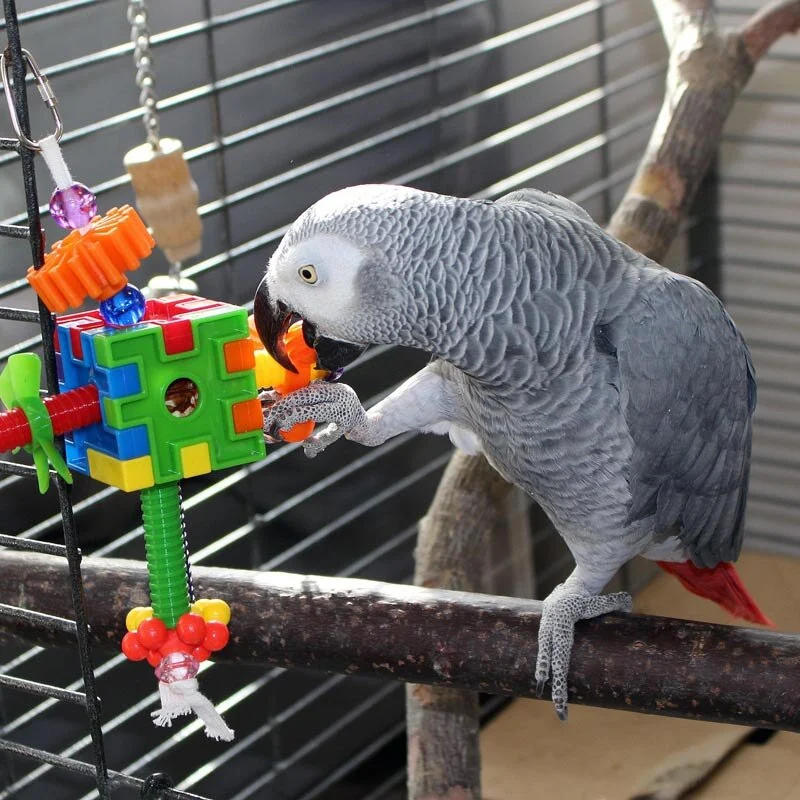
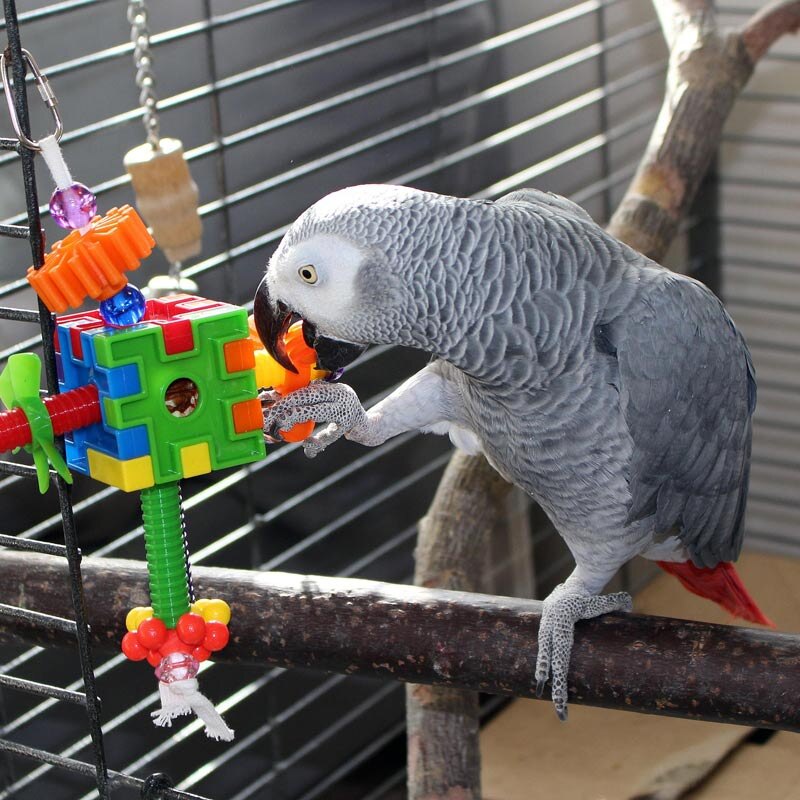
The manipulative capabilities of parrots, particularly their strong beaks and agile feet, are essential for their survival in the wild. They use these tools for foraging, building nests, preening, and interacting with their environment. Captive parrots, without adequate outlets for these innate behaviors, can develop destructive habits, turning their powerful tools against themselves or their enclosures. Manipulative enrichment focuses on providing opportunities for birds to use their beaks and feet in constructive ways. This includes a wide array of shreddable toys made from paper, wood, or natural fibers; foraging devices that require deconstruction or manipulation to extract food; and natural branches or logs that can be chewed and stripped. The webinar will emphasize the importance of rotating toys and materials regularly to maintain novelty and interest, preventing habituation and ensuring continuous engagement. This type of enrichment directly addresses the physical need to chew and manipulate, which is not only satisfying for the bird but also contributes to beak health and prevents boredom-induced feather destructive behaviors.
Social Needs: The Cornerstone of Parrot Well-being
Parrots are inherently social creatures, living in flocks in their natural habitats and forming strong pair bonds. In captivity, while human companionship can fulfill some of these social needs, it is rarely a complete substitute for interaction with conspecifics or a rich social environment. Isolation can lead to severe psychological distress, manifesting as anxiety, aggression, screaming, or self-mutilation. Ms. Berceau will explore various facets of social enrichment, starting with the critical importance of consistent, positive human interaction. This includes training, play, and quiet companionship. For owners considering multiple birds, she will discuss the complexities and considerations of introducing new parrots, emphasizing careful observation and appropriate housing to ensure harmonious cohabitation. Beyond direct interaction, social enrichment can also involve providing opportunities for birds to observe household activities from a safe vantage point, or even supervised "flock time" where multiple birds interact under controlled conditions. The presentation will underscore that understanding a parrot’s social dynamics is paramount to preventing loneliness and fostering a sense of belonging within the family unit.
The Imperative for Comprehensive Avian Care

The shift towards a more comprehensive understanding of avian welfare has been a significant development in zoological and veterinary fields over the past few decades. Historically, pet bird care often focused solely on basic needs like food and shelter. However, advancements in ethology, veterinary medicine, and animal psychology have revealed the profound impact of environmental enrichment on an animal’s overall health and longevity. Studies have consistently demonstrated a strong correlation between inadequate enrichment and the prevalence of stress-related behaviors and illnesses in captive parrots. For instance, feather plucking, a common and distressing issue among pet parrots, is frequently linked to boredom, anxiety, and a lack of appropriate stimulation. Data from avian veterinary clinics indicate that a significant percentage of behavioral consultations for parrots stem from issues preventable through proper enrichment. This underscores the urgent need for educational initiatives like "Zookeeper Notes: Enriching the Whole Parrot."
Bridging the Gap: Zookeeping Principles for Pet Parrots
One of the unique aspects of this webinar is its direct translation of advanced zookeeping principles to the home environment. Zoos, increasingly focused on animal welfare, have pioneered sophisticated enrichment programs designed to replicate natural behaviors and habitats as closely as possible. Michiko Berceau’s extensive experience in this professional setting allows her to distill these complex strategies into practical, accessible advice for pet owners. Her insights will illuminate how methods employed for large, diverse parrot populations in zoos can be adapted for individual pets, emphasizing creativity, safety, and a deep understanding of avian ethology. This approach empowers owners to elevate their care standards, moving beyond rudimentary pet keeping to a more informed, welfare-centric model. The webinar thus serves as a vital bridge, bringing cutting-edge animal science directly to those who can implement it daily.
The Broader Impact on Avian Welfare
The implications of widespread adoption of these enrichment strategies extend far beyond individual bird health. Enhanced parrot welfare can lead to a reduction in the number of birds surrendered to rescues and sanctuaries due to behavioral problems that owners are unable to manage. It also fosters a more responsible pet ownership culture, where the complex needs of exotic animals are fully recognized and met. From an economic perspective, preventing behavioral issues through proactive enrichment can reduce veterinary costs associated with treating stress-induced illnesses or injuries. Education initiatives like this webinar play a crucial role in advancing the broader field of avian welfare, promoting a deeper appreciation for these intelligent and sensitive creatures. Organizations that host such events, implicitly like Lafeber (indicated by the article’s source domain), demonstrate a strong commitment to public education and the well-being of companion birds, aligning with a global movement towards more ethical and informed animal care.
The "Zookeeper Notes: Enriching the Whole Parrot" webinar represents more than just an educational session; it is a call to action for parrot owners to re-evaluate and enhance their approach to avian care. By providing practical tools and a deeper understanding of parrot psychology, Michiko Berceau’s presentation is poised to make a lasting impact on the lives of countless captive birds and their human companions. The opportunity to learn from such a highly qualified and experienced professional underscores the value of attending this event. Registration is currently open, and prospective attendees are encouraged to secure their spots promptly via the provided link to participate in what promises to be an enlightening and transformative experience for the avian community.

