


The advancement of avian medicine has increasingly shifted from a focus on reactive treatment to proactive wellness, as evidenced by the release of the "Foraging and Enrichment" educational program led by M. Scott Echols, DVM, DABVP (Avian Practice). Released on March 18, 2026, this specialized curriculum addresses a critical gap in veterinary continuing education by bridging the divide between clinical pathology and behavioral ecology. The program has been officially reviewed and approved by the American Association of Veterinary State Boards (AAVSB) Registry of Approved Continuing Education (RACE), providing one hour of continuing education credit for veterinarians and veterinary technicians. This accreditation underscores the growing recognition of behavioral health and environmental management as fundamental components of modern veterinary practice, particularly for exotic species that often face significant challenges in captive environments.
The Biological Necessity of Foraging and Enrichment
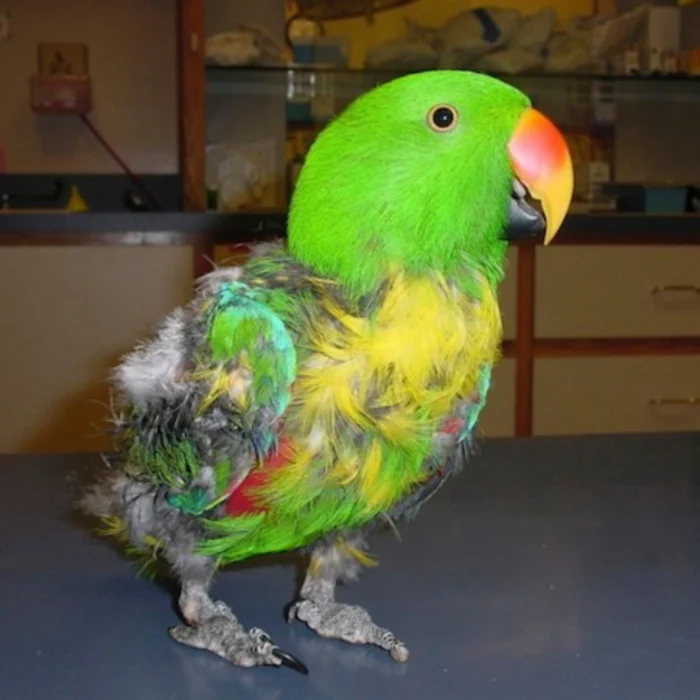
Foraging is defined as the act of searching for and exploiting food resources, a behavior that occupies the vast majority of a wild bird’s waking hours. In the wild, psittacine species may spend between 50% and 80% of their day engaged in foraging activities, navigating complex environments, and solving problems to access nutrients. In contrast, captive birds are frequently provided with "free-access" food bowls, which reduces their foraging time to mere minutes. This drastic reduction in physical and mental exertion is a primary driver of various medical and behavioral pathologies, including obesity, atherosclerosis, and stereotypic behaviors such as feather-destructive behavior (FDB).
Dr. Echols’ presentation emphasizes that enrichment is not a luxury but a biological necessity. Enrichment involves the deliberate modification of an animal’s environment to encourage natural behaviors and improve psychological well-being. By implementing structured foraging opportunities, veterinary professionals can help clients mitigate the stress-induced cortisol spikes that often lead to immunosuppression in captive birds. The webinar provides a framework for "contrafreeloading," a phenomenon where animals often choose to work for food even when identical food is freely available, highlighting the intrinsic reward systems associated with problem-solving.
The Critical Role of Ultraviolet Radiation and UVB Light
A significant portion of the "Foraging and Enrichment" program is dedicated to the physiological impact of light, specifically ultraviolet (UV) radiation. For many years, the veterinary community focused primarily on the role of UVB (290–315 nm) in the synthesis of Vitamin D3. This process is essential for calcium metabolism; without adequate UVB exposure, birds are at high risk for metabolic bone disease, hypocalcemia, and reproductive complications such as egg binding.
However, the scope of the March 2026 webinar extends beyond Vitamin D3 synthesis to include the importance of UVA (315–400 nm) in avian vision. Unlike humans, birds possess a fourth type of cone cell in their retinas that allows them to see into the ultraviolet spectrum. This "tetrachromatic" vision means that many bird species rely on UV signatures to identify ripe fruit, locate mates, and distinguish between individuals of their own species. When birds are kept in environments lacking UV light, they are effectively "colorblind" in one-quarter of their natural visual spectrum. This sensory deprivation can lead to chronic stress and a lack of environmental engagement. Dr. Echols provides clinical data suggesting that providing full-spectrum lighting that includes appropriate levels of UVB and UVA can significantly improve appetite, social interactions, and overall activity levels in captive avian patients.
Chronology of Educational Milestones in Avian Enrichment
The release of this webinar marks a decade-long evolution in how the veterinary industry views avian husbandry.
- 2015–2018: Early focus on basic husbandry. The industry began to move away from "all-seed" diets toward pelleted nutrition, but environmental enrichment remained a secondary concern.
- 2019–2022: The rise of the "One Welfare" concept. Research began to link the mental state of captive animals directly to their physical health outcomes. Dr. Echols and other specialists started advocating for the "foraging tree" and other complex environmental tools.
- 2023–2025: Increased accessibility of specialized lighting. Advances in LED technology allowed for more precise delivery of UV wavelengths without the excessive heat production of older bulb types.
- March 18, 2026: The formalization of these concepts into a RACE-approved curriculum, signifying that behavioral and environmental management has reached the status of "standard of care" in avian medicine.
Supporting Data and Clinical Implications
Data gathered from avian specialty clinics across North America indicates that behavioral issues remain the leading cause of "relinquishment" or euthanasia for pet birds. A 2024 survey of avian practitioners revealed that approximately 35% of all psittacine consultations involved some form of self-mutilation or chronic screaming, both of which are strongly correlated with a lack of environmental stimulation.
Clinical trials cited in recent literature show that parrots provided with at least four hours of foraging opportunities per day exhibit a 40% reduction in stereotypic pacing and a 25% improvement in plumage quality over a six-month period. Furthermore, the integration of UVB lighting has been shown to stabilize ionized calcium levels in African Grey parrots (Psittacus erithacus), a species notoriously prone to hypocalcemic seizures. These data points provide a compelling argument for veterinarians to prescribe enrichment and proper lighting with the same rigor they would apply to a pharmacological intervention.
Professional Development and the AAVSB RACE Program
The American Association of Veterinary State Boards (AAVSB) plays a pivotal role in maintaining the quality of veterinary medicine through its RACE program. By approving the "Foraging and Enrichment" webinar, the AAVSB ensures that the content meets stringent standards for scientific accuracy and educational integrity. For veterinarians and veterinary technicians, earning CE credits through this program is essential for maintaining licensure in most U.S. and Canadian jurisdictions.
The structure of the post-test—allowing three attempts to achieve a passing grade—is designed to ensure mastery of the material rather than mere participation. This educational model reflects a shift toward "competency-based" learning, where the goal is to ensure that the practitioner can effectively apply the principles of foraging and UV radiation science in a clinical setting to improve patient outcomes.
About M. Scott Echols, DVM, DABVP
Dr. M. Scott Echols is a globally recognized leader in avian medicine, perhaps best known for his work on "The Grey Parrot Anatomy Project," which utilized advanced imaging techniques to map the anatomy of birds in unprecedented detail. His expertise in both anatomy and behavior allows him to offer a unique perspective on how physical structures influence a bird’s interaction with its environment. As a Diplomate of the American Board of Veterinary Practitioners (Avian Practice), Dr. Echols has dedicated his career to advancing the surgical and medical care of birds, while also championing the necessity of "naturalistic" captive management.
Broader Impact and Future Outlook
The implications of this educational initiative extend beyond the individual veterinary clinic. As more practitioners become educated in the nuances of avian enrichment and the physiological effects of radiation, there is a likely trickle-down effect on the pet industry and bird owners. Manufacturers are expected to face increased demand for "biologically appropriate" toys and lighting systems that meet the specific wavelength requirements discussed in Dr. Echols’ research.
Furthermore, this focus on enrichment aligns with the broader "Fear Free" movement in veterinary medicine, which seeks to reduce the stress of medical visits. A bird that is mentally stimulated and physically healthy is often a more resilient patient, capable of handling the stressors of clinical exams and treatments with fewer complications.
In conclusion, the "Foraging and Enrichment" webinar serves as a vital resource for the modern veterinary professional. By integrating the science of foraging behavior with the technical requirements of ultraviolet lighting, Dr. Echols provides a roadmap for improving the lives of captive birds. As the veterinary community continues to embrace these holistic strategies, the standard of care for avian species will continue to rise, leading to longer, healthier, and more psychologically sound lives for birds in human care. The accreditation of this program by AAVSB RACE ensures that these critical insights will reach a wide audience of professionals, ultimately fostering a more informed and compassionate approach to exotic animal medicine.

