


Virginia is a state rich in biodiversity, and among its most captivating avian residents are its eight distinct species of owls. These nocturnal hunters, and sometimes diurnal observers, grace the Commonwealth’s varied landscapes, from dense forests to open fields. While some, like the ubiquitous Great Horned Owl and the adaptable Barn Owl, are familiar sights across nearly every region, others are more elusive, appearing as rare visitors or during specific ecological events. Understanding these magnificent creatures requires a closer look at their habitats, behaviors, and unique characteristics.
The silent flight and keen senses of owls have long captivated human imagination, leading to their frequent appearance in folklore and natural history. In Virginia, the opportunity to observe these birds of prey is a testament to the state’s commitment to conservation and the preservation of its natural habitats. This guide delves into each of the eight owl species found within Virginia, providing insights into their identification, behavior, and ecological roles.
The Reign of the Great Horned Owl
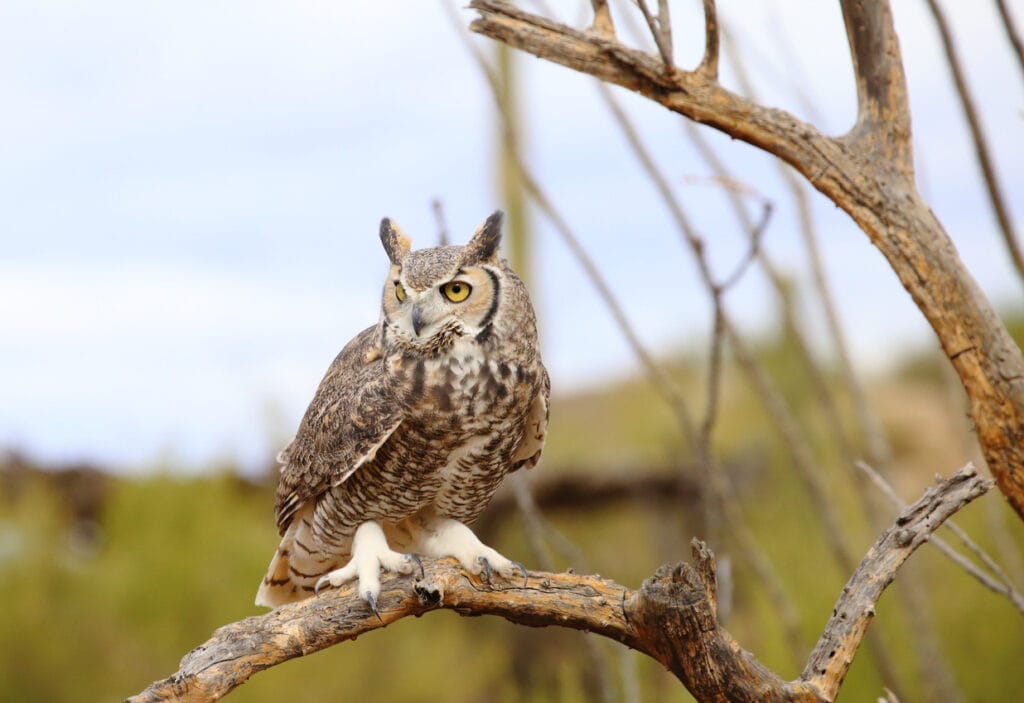
The Great Horned Owl ( Bubo virginianus ) stands as a symbol of avian power and adaptability, and Virginia is no exception to its widespread presence. This formidable predator is one of the largest owl species in North America and is found year-round throughout the Commonwealth. Its iconic status is further cemented by its frequent portrayal in literature and media, often representing wisdom and mystery.
Physical Characteristics and Identification:
Great Horned Owls are imposing birds, with adult males typically measuring between 18 to 25 inches in length and weighing between 2 to 4 pounds, while females are generally larger, reaching up to 26 inches in length and weighing up to 5.5 pounds. Their most striking feature, from which they derive their name, are the prominent feather tufts, or "horns," that rise from their heads. These tufts are not ears but are thought to serve as visual signals or to help them blend into their surroundings. Their plumage is a mottled pattern of dark browns and grays, providing excellent camouflage against tree bark and foliage. Large, piercing yellow eyes dominate their faces, granting them exceptional vision, particularly in low-light conditions.
Habitat and Behavior:
These adaptable owls inhabit a wide range of environments, including dense forests, open woodlands, swamps, deserts, and even urban parks and suburban backyards. Their adaptability allows them to thrive where other raptors might struggle. Great Horned Owls are primarily nocturnal hunters, but they are also known to hunt during crepuscular hours (dawn and dusk) and even during daylight, especially during colder months when prey may be more active. Their hunting strategy involves perching and patiently waiting for prey before launching a swift, silent attack.
Diet and Predatory Prowess:
The Great Horned Owl is an apex predator with a remarkably diverse diet. Their immense size, strength, and aggressive nature allow them to take down prey ranging from small mammals like mice, voles, rabbits, and skunks, to larger animals such as opossums, weasels, and even other birds, including ducks, geese, and smaller raptors like kestrels and peregrine falcons. They have also been known to consume reptiles, amphibians, and insects when other food sources are scarce. Their ability to prey on other birds of prey is a significant factor in regulating populations of smaller raptors.
Reproduction and Lifespan:
Great Horned Owls typically begin nesting in late winter or early spring. They do not build their own nests but rather commandeer abandoned nests of other large birds, such as hawks and crows, or utilize tree cavities and ledges. Females lay clutches of one to four white eggs, which are incubated for about 30 to 35 days. The owlets are altricial, meaning they are born helpless and require extensive parental care. Both parents participate in feeding and protecting the young, which typically fledge around 6 to 9 weeks after hatching but may remain dependent on their parents for several more weeks. In the wild, Great Horned Owls can live for 10 to 15 years, with some individuals documented to live over 20 years in captivity.
The Enigmatic Eastern Screech-Owl
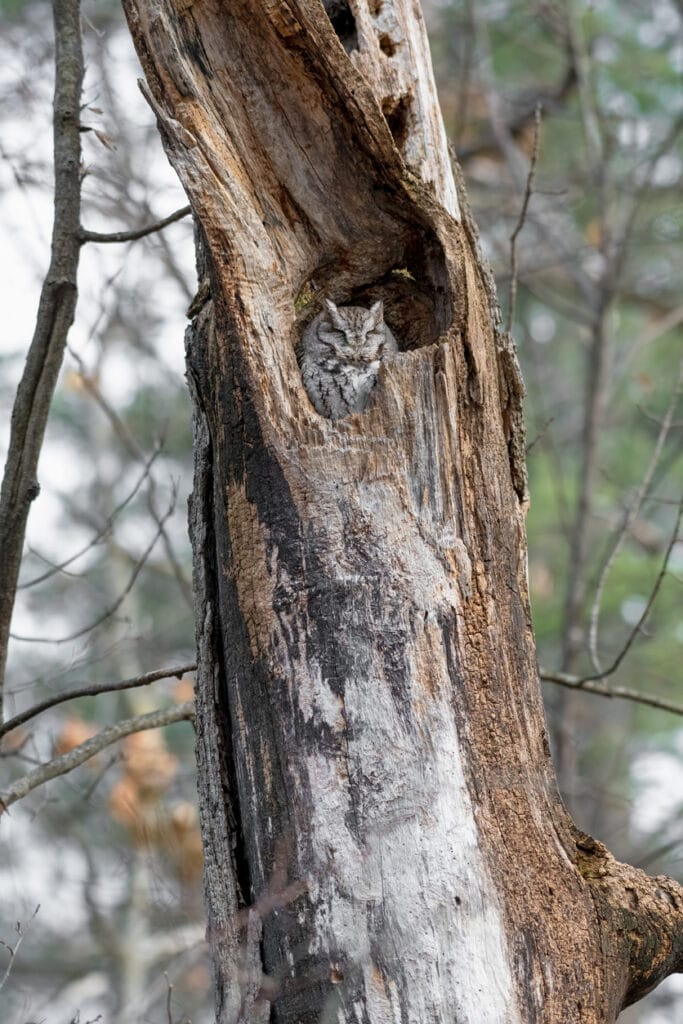
The Eastern Screech-Owl ( Megascops asio ) is a small, yet highly adaptable owl that is a year-round resident of Virginia. Despite its commonality, its exceptional camouflage makes it a challenging species to spot, often revealing its presence only through its distinctive calls.
Physical Characteristics and Identification:
Eastern Screech-Owls are diminutive, measuring about 6 to 10 inches in length with a wingspan of 18 to 24 inches. They exhibit remarkable color polymorphism, appearing in either a gray morph or a reddish-brown morph, both of which provide superb camouflage against tree bark and foliage. Key identification features include prominent ear tufts, large, round, yellow eyes, and a short, square tail. Their plumage is intricately patterned with streaks and barring, further enhancing their cryptic nature.
Habitat and Behavior:
These owls are found in a variety of wooded habitats, from mature deciduous and mixed forests to suburban woodlots and even urban areas with sufficient tree cover. They often utilize tree cavities for nesting and roosting, and are known to occupy artificial nest boxes placed in suitable environments. Eastern Screech-Owls are strictly nocturnal, becoming active shortly after sunset and foraging throughout the night. Their hunting strategy involves perching and listening for prey before swooping down to capture it with their talons.
Diet and Foraging:
The diet of the Eastern Screech-Owl primarily consists of small mammals, such as mice, voles, and shrews. They are also adept hunters of large insects, earthworms, amphibians, and small birds. Their small size and agility allow them to navigate dense vegetation in pursuit of prey. They have been observed occasionally taking small fish.
Vocalization and Recognition:
The most recognizable feature of the Eastern Screech-Owl, and the source of its name, is its unique vocalization. It produces a descending whinny or trill, often described as a "screech," which can be heard for considerable distances. Males also emit a softer, more melodious hooting sound during the breeding season. Their calls are a crucial element in their territorial defense and mate attraction.
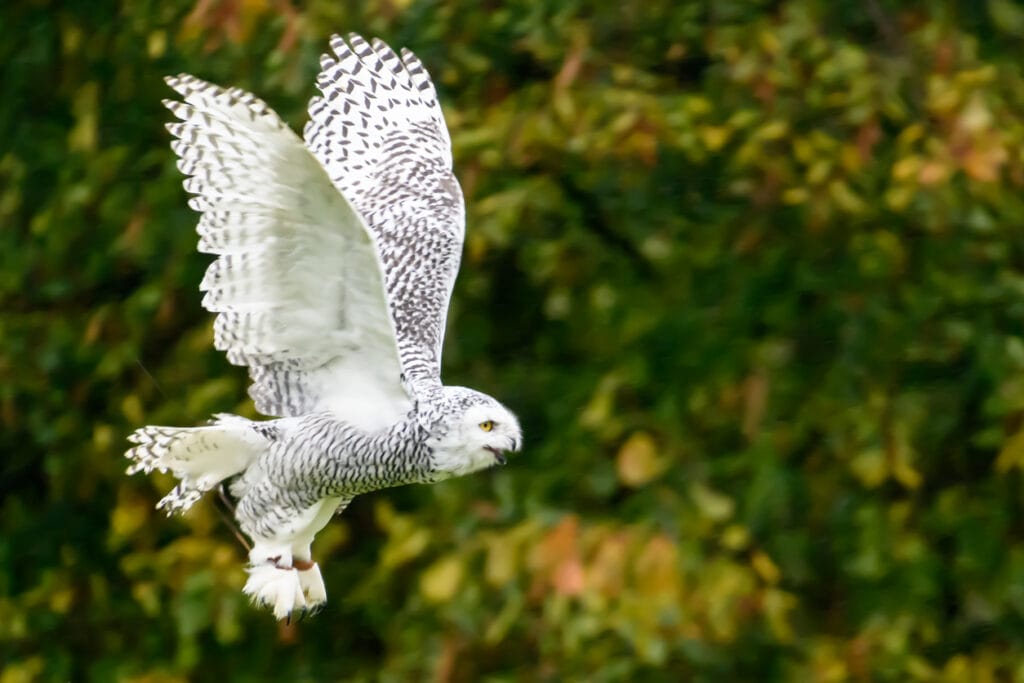
The Rare and Striking Snowy Owl
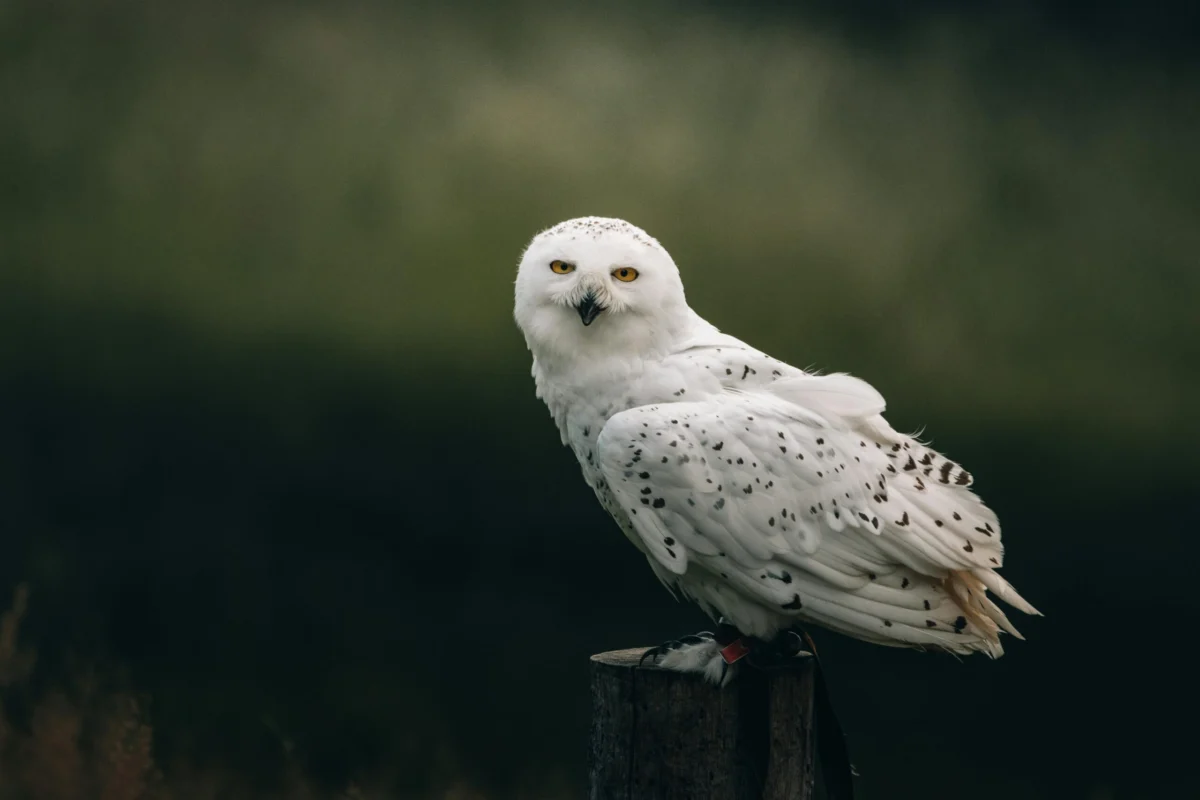
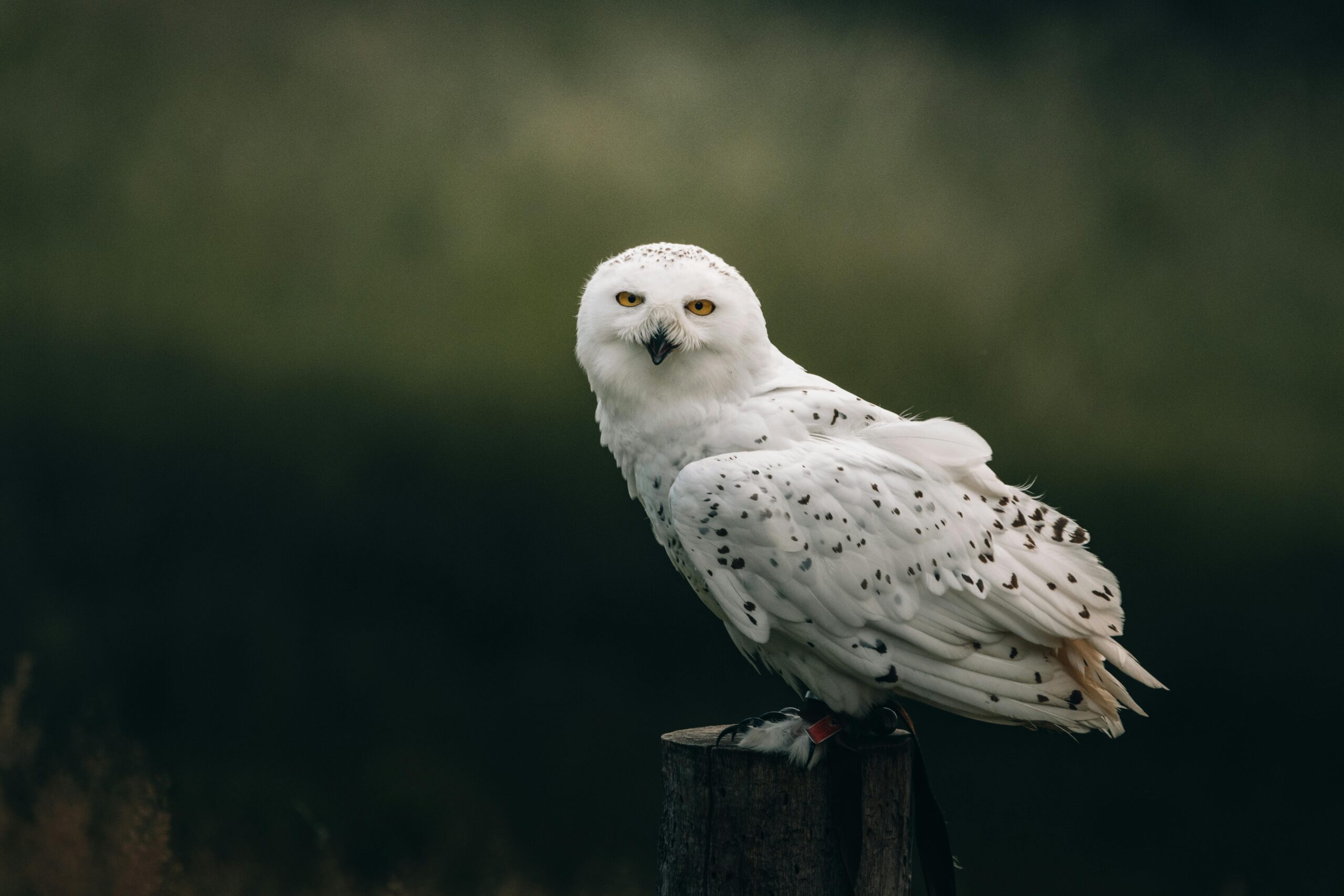
The Snowy Owl ( Bubo scandiacus ) is a magnificent and highly sought-after visitor to Virginia, appearing during periods known as "irruptions." These events, driven by fluctuations in their primary prey populations in the Arctic, bring these strikingly white owls southward in unpredictable numbers.
Physical Characteristics and Identification:
Snowy Owls are large owls, comparable in size to Great Horned Owls, with adults measuring between 20 to 28 inches in length and weighing 3 to 6 pounds. Their plumage is predominantly pure white, though males tend to be whiter than females, which often exhibit dark barring or spotting. Their eyes are a deep yellow, and their legs and feet are heavily feathered, providing insulation in their cold native habitat.
Habitat and Behavior:
In Virginia, Snowy Owls are typically observed in open, treeless areas such as coastal beaches, marshes, agricultural fields, and large airports, environments that mimic their tundra breeding grounds. They are diurnal hunters, a characteristic that sets them apart from most other owl species. Their hunting behavior involves scanning the ground from a low perch or while flying low over open terrain.
Diet and Predatory Behavior:
The primary prey of Snowy Owls in their Arctic habitat consists of lemmings and other small rodents. When they irrupt southward, they adapt to local prey, which may include voles, mice, shrews, and sometimes even waterfowl. Snowy Owls are known for their fierce territoriality, particularly when defending nesting sites, and have been observed fearlessly confronting larger predators, including Arctic foxes and even wolves.
Irruptions and Conservation:
Snowy Owl irruptions occur when populations of their prey species, particularly lemmings, experience a boom followed by a crash. This leads to a surplus of young owls venturing south in search of food and more favorable conditions. These irruptions are not annual events and can occur every few years, making sightings of Snowy Owls in Virginia a special occasion for birdwatchers and ornithologists. The last significant irruption in Virginia was noted in 2015.
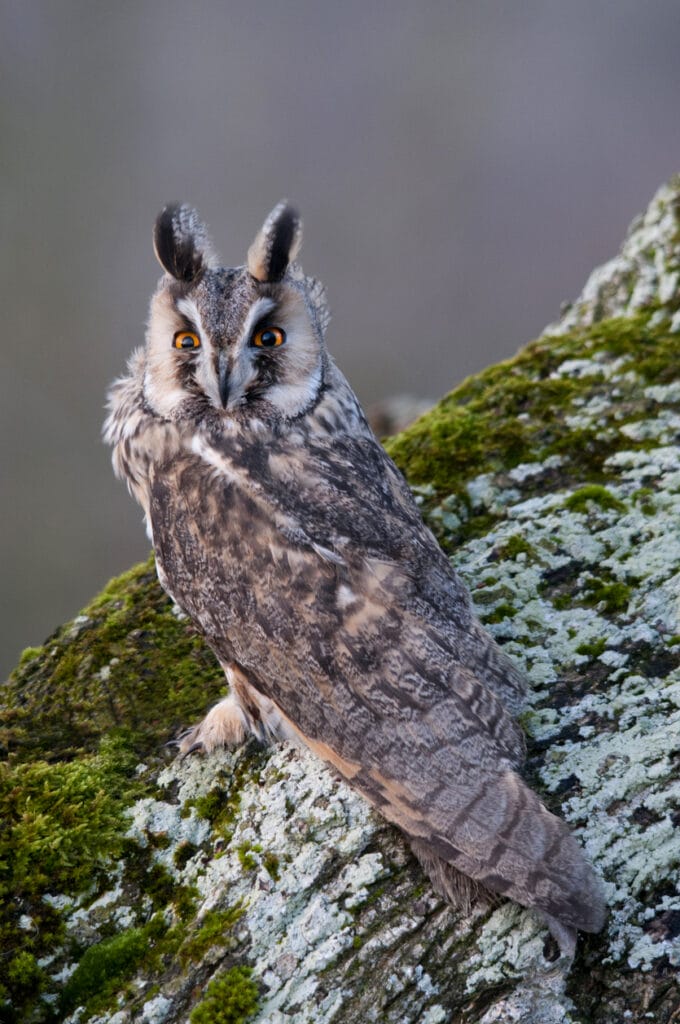
The Elusive Long-eared Owl
The Long-eared Owl ( Asio otus ) is a medium-sized owl that is an uncommon winter visitor to Virginia, typically found in the northern parts of the state. Its name derives from its most distinctive feature: elongated feather tufts that resemble prominent ears.
Physical Characteristics and Identification:
Long-eared Owls measure approximately 13 to 16 inches in length with a wingspan of 30 to 36 inches. Their plumage is a cryptic blend of browns, grays, and buffs, with intricate streaking and barring that provides excellent camouflage. The most notable characteristic is their long, pointed ear tufts, which can be erected or flattened depending on the owl’s mood. Their facial discs are reddish-brown, and their eyes are a deep orange to yellow.
Habitat and Behavior:
These owls prefer dense, mature woodlands and forests, often near open areas such as grasslands, shrublands, or agricultural fields, which provide foraging opportunities. They are primarily nocturnal and crepuscular hunters. During the day, they roost motionless in dense foliage, making them exceptionally difficult to detect. They do not build their own nests, typically using abandoned nests of other birds, such as crows or magpies, or utilizing tree cavities.
Vocalization and Recognition:
While generally silent, Long-eared Owls can produce a variety of sounds, including a low, hoarse bark and a soft, cat-like mew. During the breeding season, males produce a deep, resonant hooting sound. Their vocalizations are often quieter and less frequent than those of other owl species.
The Ground-Nesting Short-eared Owl
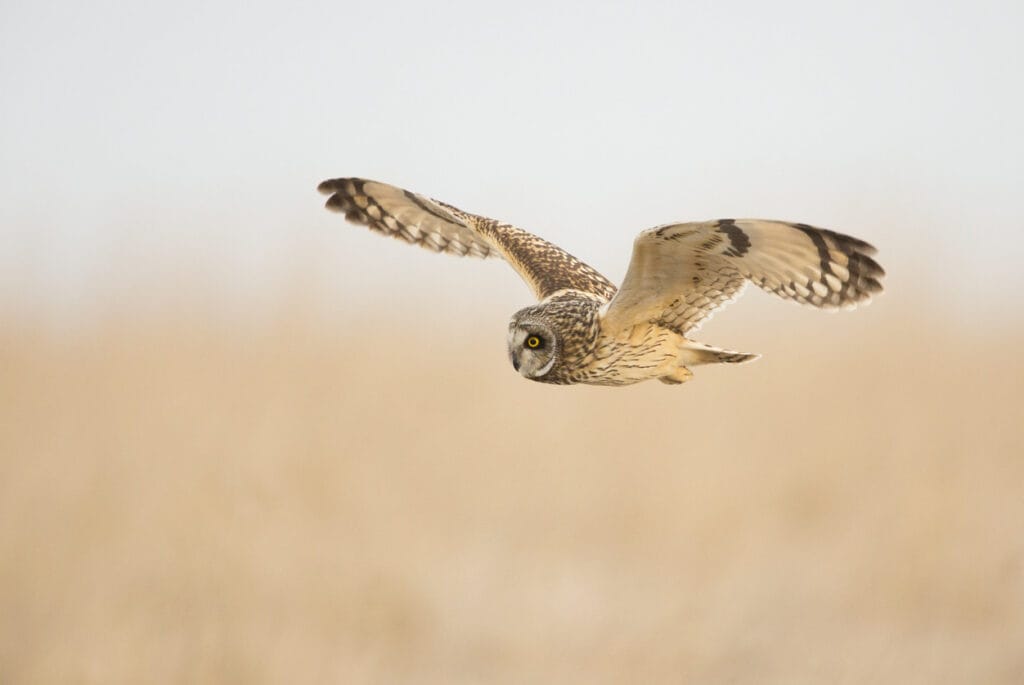
The Short-eared Owl ( Asio flammeus ) is a medium-sized owl with a remarkably wide distribution, found in open habitats across Virginia. Unlike many of its owl relatives, it is a diurnal hunter, often seen actively foraging during daylight hours.
Physical Characteristics and Identification:
Short-eared Owls measure about 13 to 17 inches in length with a wingspan of 33 to 40 inches. Their plumage is predominantly a mottled buff and brown, often described as "flame-colored," with streaking on the breast and belly. They have distinctive, short ear tufts that are usually held flat against their heads, but can be raised when the owl is alert or agitated. Their eyes are yellow, and their facial discs are less prominent than those of other Asio genus owls.
Habitat and Behavior:
These owls are strongly associated with open country, including grasslands, prairies, salt marshes, dunes, and agricultural fields. They are unique among owls for their tendency to build their nests directly on the ground, creating a shallow scrape lined with grasses and feathers. They are active hunters during the day, often seen flying low over open terrain, scanning for prey.
Diet and Hunting Strategy:
The diet of the Short-eared Owl consists primarily of small mammals such as voles, mice, shrews, and lemmings. They will also prey on small birds and insects. Their hunting strategy involves flying slowly and deliberately over their habitat, listening and looking for the movement of prey, before plunging down to capture it with their talons.
Vocalization and Rarity:
Short-eared Owls are generally quiet birds, but they do produce calls, especially during the breeding season. These vocalizations can include a series of barks and yaps, sometimes described as sounding like a puppy. While they can be found in all regions of Virginia, their presence can fluctuate depending on prey availability and habitat conditions.
The Ghostly Barn Owl
The Barn Owl ( Tyto alba ) is one of Virginia’s most distinctive and widespread owls, known for its ethereal appearance and beneficial role in controlling rodent populations. This species is a year-round resident, often found in proximity to human settlements due to its reliance on open fields and agricultural areas for hunting.
Physical Characteristics and Identification:
Barn Owls are medium-sized owls, measuring 12 to 16 inches in length with a wingspan of 30 to 37 inches. Their most striking feature is their heart-shaped facial disc, which is typically white or pale buff, giving them a ghostly appearance. Their plumage is a mottled tawny-gray on the back and wings, with a pale, often white, underside. Their eyes are dark and beady, contrasting with their pale faces.
Habitat and Behavior:
Barn Owls favor open habitats such as grasslands, meadows, agricultural fields, and marshes, where they can effectively hunt small mammals. They often roost and nest in man-made structures like barns, silos, church steeples, and abandoned buildings, as well as natural sites like tree cavities and cliff ledges. They are primarily nocturnal hunters, relying on their exceptional hearing to locate prey.
Diet and Predatory Impact:
The diet of the Barn Owl consists almost exclusively of small rodents, with voles, mice, and shrews making up the vast majority of their food intake. A single Barn Owl can consume hundreds, if not thousands, of rodents per year, making them invaluable allies to farmers and landowners. They are highly efficient hunters, often catching prey within minutes of starting their foraging efforts.
Vocalization and Folklore:
Barn Owls are not known for the typical "hooting" sounds of many other owl species. Instead, they produce a variety of eerie, raspy shrieks, hisses, and screeches, which have contributed to their folklore as omens of ill fortune in some cultures. Despite their sometimes unsettling vocalizations, they are generally considered gentle birds, rarely aggressive towards humans unless directly threatened.
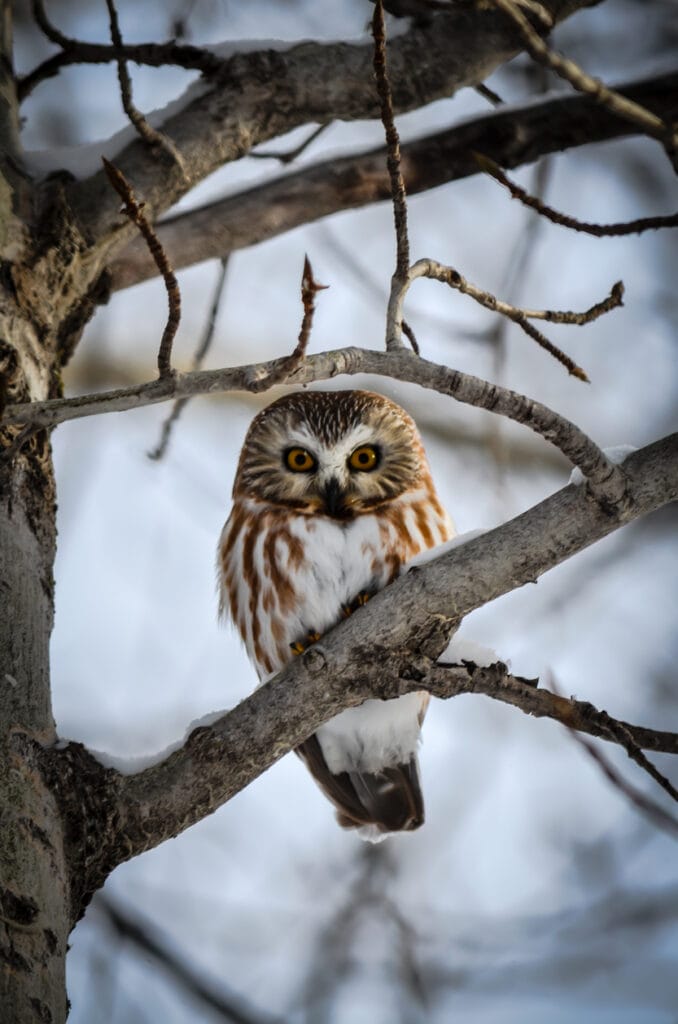
The Tiny Northern Saw-whet Owl
The Northern Saw-whet Owl ( Aegolius acadicus ) is one of the smallest owl species found in Virginia, a nocturnal and elusive bird that is challenging to observe. Non-breeding populations are present in the state during the colder months.
Physical Characteristics and Identification:
Northern Saw-whet Owls are diminutive, measuring only 7 to 10 inches in length with a wingspan of 17 to 22 inches. They possess oversized heads, large, round, yellow eyes that give them a somewhat surprised appearance, and a heart-shaped facial disc. Their plumage is a mix of brown and white streaking and barring, with a predominantly brown back and lighter, streaked underparts.
Habitat and Behavior:
These small owls inhabit dense forests, woodlands, and riparian areas, favoring coniferous or mixed forests with thick undergrowth for daytime roosting. They are strictly nocturnal and are known for their exceptionally keen hearing, which they use to locate small prey. They do not build their own nests, instead utilizing old woodpecker cavities or natural tree hollows.
Diet and Vocalization:
The diet of the Northern Saw-whet Owl consists primarily of small mammals, such as mice and voles, as well as large insects and occasionally small birds. Their name is derived from their distinctive call, a repetitive, two-note whistle that, when repeated rapidly, is said to resemble the sound of a saw being sharpened or "whetted." This call is most often heard during the breeding season.

The Vocal Barred Owl
The Barred Owl ( Strix varia ) is a large, vocal owl species commonly found throughout Virginia’s woodlands, swamps, and forests. It is recognized for its distinctive "who cooks for you?" call and its diurnal hunting habits, making it one of the more easily observed owl species in the state.
Physical Characteristics and Identification:
Barred Owls are robust owls, measuring 16 to 25 inches in length with a wingspan of 39 to 50 inches. Their plumage is characterized by broad, dark brown or grayish-brown barring on their back and wings, and distinctive white and brown horizontal barring on their chest and belly. They have large, dark brown eyes, a yellow beak, and a rounded head lacking ear tufts.
Habitat and Behavior:
These owls inhabit mature forests, particularly those with a significant presence of water, such as swamps, bogs, and riparian woodlands. They are known to be active both day and night, although they tend to hunt most actively at dawn and dusk. Barred Owls are territorial and will defend their area with loud vocalizations. They do not build their own nests, often utilizing large tree cavities or old nests of other large birds.
Diet and Predatory Range:
The Barred Owl is an opportunistic predator with a varied diet that includes small mammals, amphibians, reptiles, insects, and fish. They are adept at hunting in water, often wading into shallow areas to catch prey. Their adaptability allows them to thrive in diverse woodland environments across Virginia.
Vocalization and Territoriality:
The Barred Owl’s call, often transcribed as "who cooks for you, who cooks for you all?" is one of the most recognizable owl sounds in North America. They are also known for their loud, resonant hoots and shrieks, especially during the breeding season when defending their territory. While generally considered friendly, they can become fiercely territorial when protecting their nests and young.
Final Thoughts on Virginia’s Owl Population
Virginia’s diverse ecosystems provide essential habitats for these eight fascinating owl species. The presence of both widespread residents and rarer visitors highlights the ecological richness of the Commonwealth. Observing these magnificent birds offers a unique window into the natural world, but it is crucial to do so with respect and caution. Maintaining a safe distance ensures the well-being of both the owls and the observers, allowing these ancient predators to continue their vital roles in Virginia’s wild landscapes.
Frequently Asked Questions About Virginia’s Owls
What is the most common owl in Virginia?
Great Horned Owls and Barn Owls are generally considered the most common owl species found throughout Virginia, due to their adaptability to various habitats and their year-round presence.
Where can I find out more about local owl sightings in Virginia?
For up-to-date information on owl sightings and distribution in Virginia, resources like eBird are invaluable. This platform allows users to search for recent observations, specific species, and sightings within particular geographic areas, providing a dynamic snapshot of owl populations and their movements.

