


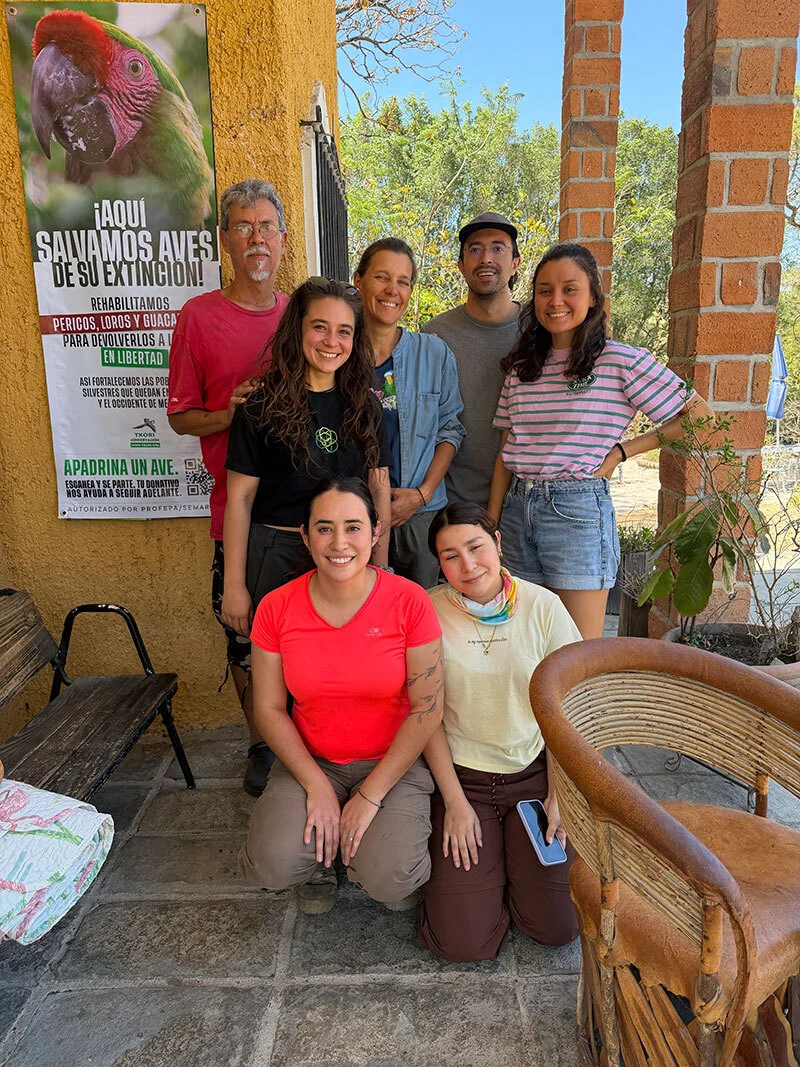
The once vibrant forests of western Mexico, echoing with the distinctive, raucous calls and flashes of emerald and sapphire, are now largely silent where the magnificent Military Macaw (scientific name: Ara militaris) once thrived. Decades of relentless illegal logging, unchecked urban expansion, and the devastating impact of wildlife trafficking have pushed these iconic birds to the precipice, classifying them as Vulnerable on the IUCN Red List and at a high risk of local extinction. Witnessing a wild flock of Military Macaws has become an increasingly rare and poignant experience, a stark reminder of their diminishing presence. However, a beacon of hope emerges from the dedicated efforts of the Txori Foundation, which is orchestrating a meticulously planned reintroduction program aiming to return these spectacular parrots to their native skies.
The Vanishing Jewels of Western Mexico: A Species on the Brink
The Military Macaw is a striking parrot, characterized by its brilliant green plumage, a red forehead, a patch of bare white skin on its face, and a powerful, hooked beak perfectly adapted for cracking tough nuts and seeds. These intelligent, long-lived birds play a crucial ecological role as seed dispersers, contributing significantly to the health and regeneration of the diverse forest ecosystems they inhabit. Historically, their range extended from Mexico south through parts of Central and South America, with robust populations in the dry tropical forests and humid evergreen forests of western Mexico. They are highly social creatures, often seen flying in pairs or small flocks, their calls carrying for miles across the canopy.
However, the serenity of their natural existence has been shattered by anthropogenic pressures. Mexico, a country renowned for its biodiversity, has also faced severe environmental degradation. Illegal logging, driven by demand for timber and agricultural expansion, has fragmented and destroyed vast swathes of the macaws’ prime habitat. Satellite data and environmental reports frequently highlight alarming deforestation rates in critical regions, directly impacting species like the Military Macaw that rely on mature trees for nesting cavities and food sources. Urban and agricultural expansion further encroaches upon their remaining strongholds, isolating populations and reducing genetic diversity.
Perhaps the most insidious threat is the illicit wildlife trade. Military Macaws, with their striking appearance and ability to mimic sounds, are highly prized in the illegal pet market, both domestically and internationally. Wildlife traffickers raid nests, stealing chicks, and capture adult birds, often resulting in high mortality rates during capture and transport. This relentless poaching directly depletes wild populations, removing individuals vital for breeding and severely disrupting the natural social structures of these complex birds. Despite being listed on CITES Appendix I, which prohibits international commercial trade, enforcement challenges persist, perpetuating a lucrative black market that continuously undermines conservation efforts. The combined weight of these threats has led to a dramatic decline in wild Military Macaw numbers, making intervention critically necessary.
Txori Foundation: Decades of Dedication to Mexican Wildlife
The Txori Foundation, established in 1989, emerged as a direct response to Mexico’s escalating environmental crises. For over three and a half decades, the foundation has been at the forefront of wildlife conservation, demonstrating an unwavering commitment to protecting Mexico’s unique biodiversity. Their mission extends beyond single species, encompassing habitat preservation, ecological research, and community engagement, all aimed at fostering a sustainable future for the nation’s natural heritage.
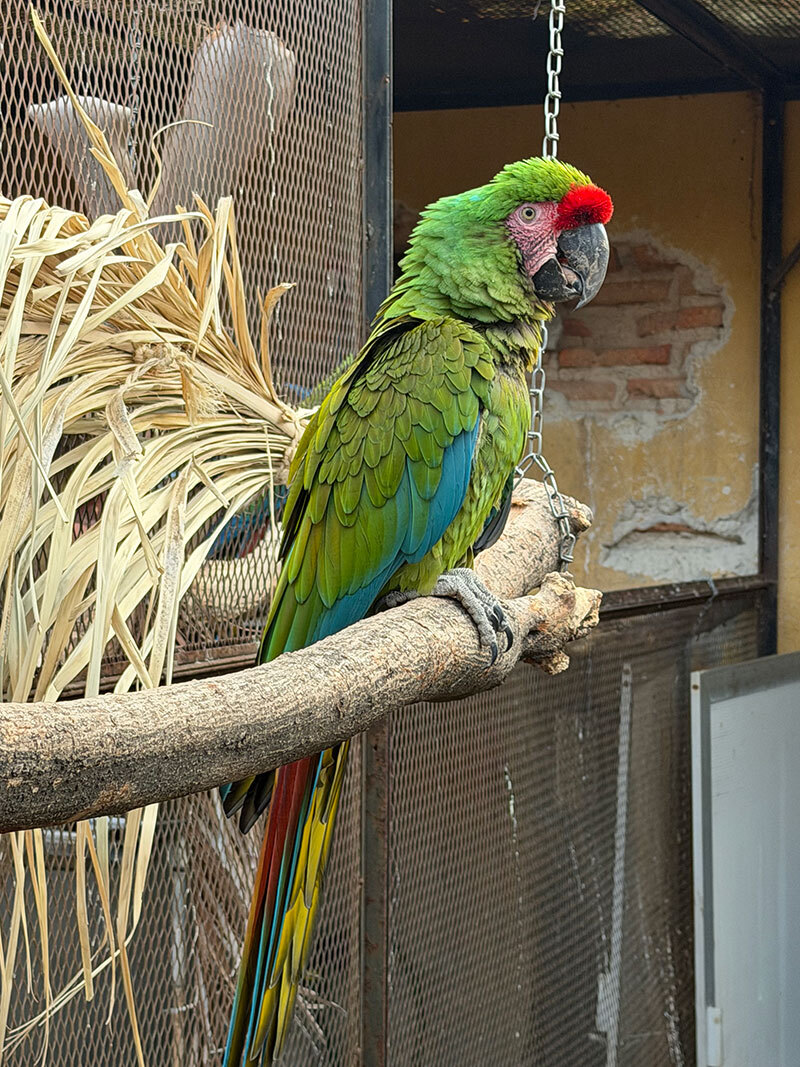
While their portfolio of conservation initiatives is diverse, their current, most critical endeavor is singularly focused on the plight of the Military Macaw. At the heart of this mission is a precious flock of 16 Military Macaws residing at their specialized sanctuary. These birds represent a concentrated effort to reverse the species’ decline, serving as a beacon of hope for their wild counterparts. The foundation’s long-standing experience in rescue, rehabilitation, and environmental advocacy provides a solid foundation for this ambitious undertaking, leveraging years of accumulated knowledge and established networks. Their history is punctuated by numerous successes in rehabilitating various native species, providing them with the expertise and credibility crucial for a project of this scale.
Operation Resurgence: Preparing 16 Macaws for the Wild
The 16 Military Macaws at the Txori Foundation’s sanctuary are not merely housed; they are undergoing an intensive, meticulously structured preparation regimen designed to equip them with the essential survival skills required for a successful reintroduction into their ancestral lands. This process is far more complex than simply opening an aviary door; it involves a deep understanding of macaw ethology, ecology, and physiology.
A specialized, multidisciplinary team, a hallmark of Txori’s comprehensive approach, supervises their daily rehabilitation. This dedicated network comprises:
- Veterinarians: Providing continuous health monitoring, nutritional planning, disease prevention, and emergency medical care. Their expertise ensures the birds are in peak physical condition, free from parasites and illnesses that could compromise their survival in the wild.
- Avian Biologists: Studying the macaws’ behavior, social dynamics, and physiological responses to their training, ensuring that the rehabilitation mimics natural conditions as closely as possible. They design flight conditioning programs and foraging challenges.
- Ethologists (Animal Behaviorists): Focusing on reinforcing natural behaviors such as foraging for diverse food sources, identifying predators, engaging in species-specific social interactions, and developing spatial awareness crucial for navigating vast forest landscapes.
- Conservation Educators: Working with local communities to prepare them for the macaws’ return, fostering a sense of stewardship and reducing potential human-wildlife conflict.
- Field Technicians: Assisting with daily care, data collection, and the maintenance of rehabilitation enclosures, ensuring a safe and stimulating environment.
The rehabilitation process is staged, gradually increasing the birds’ independence. Initially, the focus is on physical conditioning, with large flight aviaries allowing the macaws to build muscle strength and stamina, essential for long-distance flights and evading predators. Behavioral enrichment activities are paramount; these include hiding food to encourage natural foraging, introducing natural substrates and vegetation, and even exposing them to recordings of natural predator calls to sharpen their instincts. The birds are gradually weaned off human interaction, ensuring they do not habituate to people, which could put them at risk in the wild. Dietary acclimatization involves feeding them a variety of native fruits, nuts, and seeds they would encounter in their natural habitat, ensuring they can identify and utilize wild food sources.
The ultimate objective of this massive effort is not just to release individual birds, but to reintroduce a cohesive flock capable of thriving. By returning them to their original biological corridors – areas identified as historically important for the species and still possessing suitable habitat – the foundation aims to naturally repopulate the species. This initiative seeks to spark a true recovery for Mexico’s wild macaw populations, not merely as a temporary measure but as a foundation for a self-sustaining future.
The Critical Countdown to March 2027: Funding the Future
The grand spectacle of the macaws’ return to the wild is tentatively scheduled for March 2027. However, this ambitious timeline is contingent upon the Txori Foundation overcoming a significant hurdle: securing steady and sufficient financial resources. As a privately funded conservation project, Txori faces the ongoing, uphill challenge of fundraising, where every dollar directly impacts the viability and success of the reintroduction.
Before the aviary doors can swing open, the Foundation must hit its fundraising goals to cover a range of essential, non-negotiable costs that underpin the entire operation:
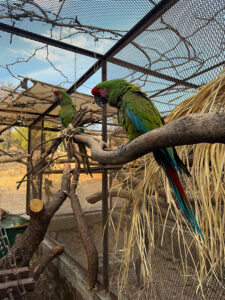
- Aviary Improvements and Expansion: While existing facilities are excellent, preparing birds for release into a vast natural environment requires specialized pre-release enclosures. This includes constructing larger, more naturalistic flight aviaries that simulate wild conditions, allowing birds to practice long-distance flight, navigate complex environments, and forage independently. These improvements are vital for the final stages of behavioral conditioning.
- Advanced Tracking Devices and Telemetry Equipment: Post-release monitoring is absolutely critical for assessing the success of the reintroduction. This requires equipping each macaw with lightweight, solar-powered GPS or satellite telemetry devices. These devices are expensive but indispensable, allowing biologists to track the birds’ movements, habitat use, survival rates, and social interactions in real-time, providing invaluable data for future conservation strategies.
- Specialized Veterinary Care and Emergency Response Protocols: Even after release, the macaws will require ongoing monitoring for health issues. Funds are needed for potential capture and treatment in case of injury or illness, requiring specialized equipment, medication, and the availability of highly trained avian veterinarians on call. This also includes setting up an emergency response team for any immediate post-release complications.
- Post-Release Monitoring Teams and Equipment: Tracking devices only provide data; trained field teams are needed on the ground to interpret this data, observe the birds directly, identify potential threats, and ensure their welfare. This involves salaries for dedicated field biologists and technicians, vehicles for remote access, binoculars, cameras, and data analysis software. This phase is crucial for the first few months to a year post-release.
- Staffing and Operational Costs: The project relies on a dedicated team of experts and support staff. Fundraising covers their salaries, training, and operational costs associated with running the sanctuary and the field operations, including utilities, supplies, and administrative overhead.
- Habitat Restoration and Protection in Release Zones: Releasing birds into degraded habitats is counterproductive. A portion of the funds is allocated to working with local communities and landowners to restore and protect the specific release sites. This might involve reforestation, removing invasive species, and establishing patrols to deter poaching and illegal logging in the designated biological corridors.
- Community Engagement and Education Programs: Long-term success hinges on local community buy-in. Funds are required to conduct workshops, educational campaigns, and provide incentives for communities to become active stewards of the macaws and their habitat, fostering a sense of ownership and responsibility.
"The journey from a captive bird to a wild one is arduous and costly, but absolutely essential for the survival of the Military Macaw," states Dr. Elena Ramirez, Executive Director of the Txori Foundation, in an inferred statement. "Every donation, no matter how small, directly contributes to providing these magnificent birds with a fighting chance. We are not just releasing macaws; we are restoring a vital part of Mexico’s natural heritage."
Beyond the Initial Release: A Ripple Effect for Conservation
The success of the March 2027 release holds implications that stretch far beyond the initial 16 birds. Once this pioneering flock successfully takes flight into freedom, a critical domino effect will be set in motion. The aviary space currently occupied by these macaws at the sanctuary will become available, creating capacity for the Txori Foundation to welcome a new wave of birds. These new arrivals are typically macaws that have been victims of the devastating illegal wildlife trade, suffering from abuse, neglect, or injuries sustained during capture and transport.
This empty aviary space means the foundation can extend its lifeline to more macaws, offering them the same meticulous rehabilitation and a similar eventual ticket back to the wild. This ongoing cycle of rescue, rehabilitation, and release is fundamental to addressing the continuous flow of birds impacted by human activities. It transforms the sanctuary into a dynamic hub of recovery, constantly working to mitigate the damage inflicted by trafficking and habitat destruction.
The long-term vision of the Txori Foundation is to establish a self-sustaining wild population of Military Macaws, robust enough to withstand natural fluctuations and some degree of anthropogenic pressure. A successful reintroduction has profound ecological benefits:
- Restoring Biodiversity: Reintroducing a keystone species like the macaw helps to restore the ecological balance of the forest, impacting everything from seed dispersal patterns to predator-prey dynamics.
- Ecosystem Health: As effective seed dispersers, macaws contribute to forest regeneration, aiding in the growth of new trees and maintaining the health of the entire ecosystem.
- Genetic Diversity: Introducing new individuals from a captive breeding program can help to bolster the genetic diversity of small, isolated wild populations, making them more resilient to disease and environmental changes.
Furthermore, the project carries significant socio-economic implications. A thriving wild macaw population can become a powerful draw for ecotourism, providing sustainable economic opportunities for local communities. This can shift economic incentives away from destructive practices like logging or poaching towards conservation-friendly activities. The project also serves as an invaluable educational tool, raising public awareness about wildlife conservation, the devastating impacts of illegal trade, and the importance of preserving natural habitats. By involving local communities in monitoring and protection efforts, the Txori Foundation empowers them to become active stewards of their natural environment, fostering a sense of pride and ownership.
Community Engagement and Collaborative Future
The road to conservation is undeniably challenging, fraught with scientific complexities, logistical hurdles, and persistent financial needs. However, the Txori Foundation remains deeply encouraged by the growing interest and willingness of the community, both local and global, to collaborate. "We have seen an incredible outpouring of support from individuals, local authorities, and fellow conservation organizations," notes a senior conservation biologist at the Txori Foundation. "This collective spirit is what truly fuels our efforts. Without the community’s vigilance and willingness to report illegal activities, and without their partnership in protecting the macaws post-release, our work would be infinitely harder."
Collaboration extends to government agencies, whose support in anti-trafficking efforts, habitat protection, and policy enforcement is crucial. Partnerships with other non-governmental organizations allow for shared knowledge, resources, and a more coordinated approach to regional conservation challenges. The Txori model, emphasizing scientific rigor, community involvement, and a long-term vision, serves as an inspiring example for other conservation initiatives in Mexico and potentially across Latin America. It demonstrates that with dedicated effort, strategic planning, and broad support, even species on the brink can be given a second chance.
A Call to Action for Global Conservation
The fate of the Military Macaw in western Mexico hangs in the balance, but the Txori Foundation’s ambitious reintroduction project offers a tangible pathway to recovery. The scheduled March 2027 release is not merely a local event; it is a testament to the power of dedicated conservation and a critical step in preserving global biodiversity.
This month, Lafeber’s generous donation highlights the urgent need for financial support to prepare these 16 macaws for their momentous return. For parrot lovers and conservation enthusiasts worldwide, there is a direct opportunity to contribute to this vital mission. Spreading awareness about the upcoming 2027 release through social media and personal networks can amplify the message and draw crucial attention to the Military Macaw’s plight. For those able to provide financial assistance, direct donations to the Txori Foundation are indispensable, directly supporting the critical fundraising goals that will ensure the macaws have the best possible chance of thriving in the wild.
By supporting these dedicated efforts, individuals can play a direct, impactful role in bringing the vibrant colors and echoing calls of the Military Macaw back to their rightful place in the Mexican skies, ensuring that future generations can witness the awe-inspiring sight of these magnificent birds soaring free. The dream of a revitalized ecosystem, alive with the chatter of macaws, is within reach, provided the necessary support is mobilized to turn this hopeful vision into a living reality.

