


By Diane Burroughs
Published On: Apr 14, 2026
Last updated on: Apr 14, 2026
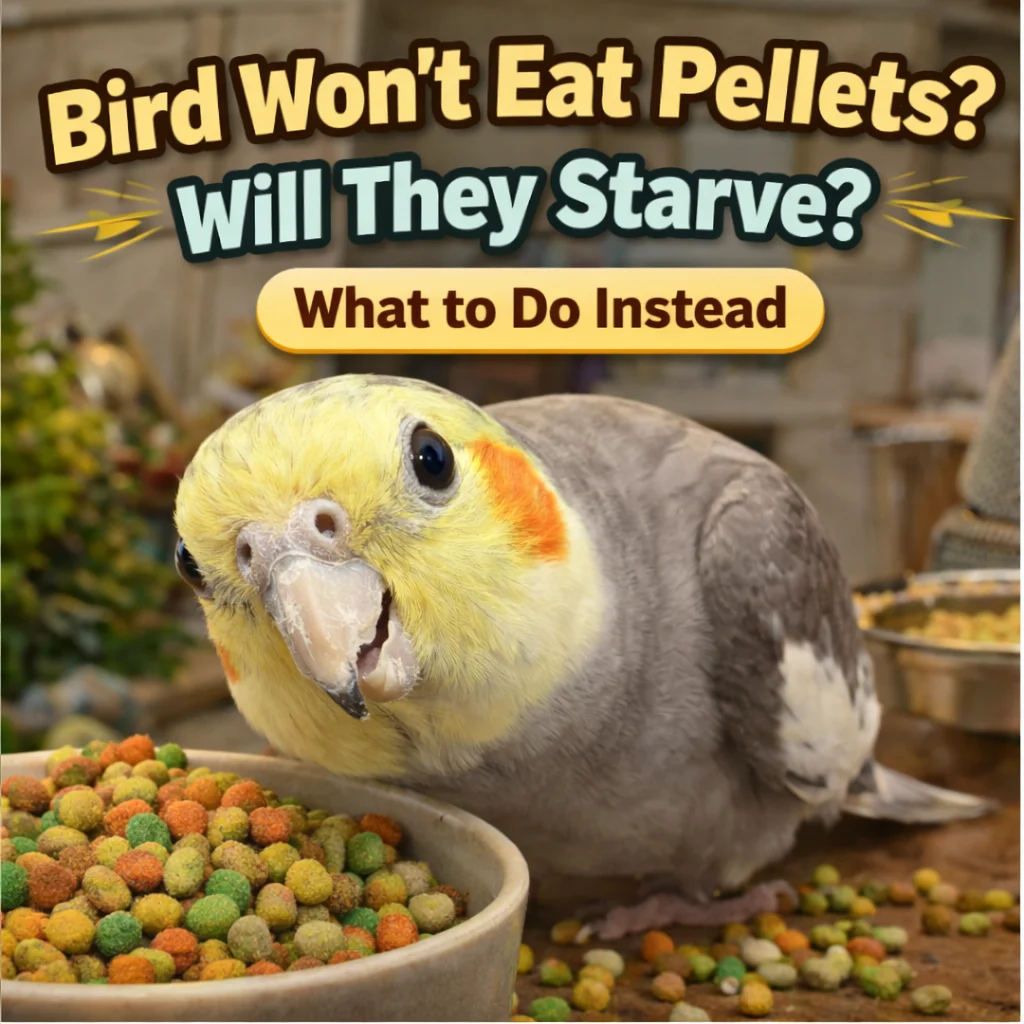
For many bird owners, the prospect of transitioning their feathered companions from a traditional seed-based diet to a healthier, pellet-based regimen can be a source of significant anxiety. This challenge, often characterized by birds refusing pellets, picking around them, or exhibiting a sudden decrease in appetite, is among the most common yet solvable hurdles in avian care. This guide addresses these concerns, providing an evidence-based, force-free approach to ensure a safe and successful dietary shift.
The core issue is not an owner’s failing, nor is it stubbornness on the part of the bird. Instead, it stems from deeply ingrained avian instincts regarding food safety and recognition. Birds, particularly parrots, are hardwired to eat what they recognize as safe and familiar. An abrupt change, such as simply removing seeds and offering only pellets, can lead to a bird eating significantly less, resulting in dangerous weight loss and compromised health. This article explores the biological underpinnings of this behavior, outlines the risks of incorrect transition methods, and provides a structured, humane pathway to dietary improvement, echoing the consensus of avian veterinarians and behavioral experts globally.
The Nutritional Imperative: Why Pellets are Paramount
The shift in avian dietary recommendations over the past few decades represents one of the most significant advancements in pet bird care. Historically, commercial bird diets consisted predominantly of seed mixes. While seeds are a natural food source for many wild birds, a captive diet composed solely of seeds is akin to a human diet of only fast food—it’s high in fat, deficient in essential vitamins (especially Vitamin A), minerals (like calcium), and often lacks a complete amino acid profile.
Research, prominently advanced by organizations like the Association of Avian Veterinarians (AAV), has consistently highlighted the detrimental health impacts of seed-only diets. Common issues include obesity, hepatic lipidosis (fatty liver disease), kidney disease, respiratory problems due to vitamin A deficiency, and a weakened immune system. These conditions can drastically shorten a bird’s lifespan and diminish its quality of life.
Formulated pellets, by contrast, are engineered to provide a complete and balanced nutritional profile. They contain a precise blend of carbohydrates, proteins, fats, vitamins, and minerals, mitigating the deficiencies inherent in seed-based diets. Leading avian nutritionists typically recommend that pellets constitute 60-80% of a pet bird’s diet, supplemented with fresh vegetables, fruits, and a minimal amount of healthy seeds as treats. This dietary model has been shown to dramatically improve avian health outcomes, leading to more vibrant feathers, increased energy levels, stronger immunity, and extended lifespans.
Understanding Avian Food Neophobia: More Than Just Pickiness
When a bird refuses to eat pellets, it’s often misinterpreted as stubbornness or defiance. However, this behavior is a primal survival mechanism rooted in avian biology, known as neophobia – the fear of new things. In their natural habitats, wild parrots encounter a vast array of plants and substances, some of which are toxic. Their survival depends on discerning safe foods from harmful ones. This learning process is typically observational and gradual. Young birds learn what to eat by watching their parents and flock members, a process that can take weeks or even months. They aren’t just fed; they are taught what is safe to consume.
This innate caution is fully present in pet birds. When presented with an unfamiliar food item like a pellet, their instinct is to be wary. They don’t immediately recognize it as food, and their refusal isn’t an act of rebellion but a display of caution. This is why pet birds often watch their human caregivers intently and may "beg" for morsels from their plates – they are seeking reassurance that the food is safe to eat. Diane Burroughs, an expert in avian care, emphasizes that "your bird is wired the same way. They need to learn which new foods are safe – which is why they watch you so closely and beg for what you’re eating. They’re not being pushy… they’re looking to you for reassurance about food safety." Therefore, successfully transitioning a bird to pellets requires understanding and working with this instinct, rather than against it.
The Peril of the Abrupt Switch: Why "Waiting Them Out" Fails
A common, yet dangerously misguided, approach to diet transition is to suddenly remove all familiar food (like seeds) and offer only pellets, with the expectation that hunger will eventually compel the bird to eat the new food. This strategy is not only stressful but can be fatal. Birds have a very high metabolic rate and a limited capacity to store energy, making them highly susceptible to rapid weight loss and starvation. Unlike some mammals, birds cannot endure prolonged periods without adequate caloric intake.
A sudden dietary change can trigger several negative responses:
- Acute Malnutrition: Without sufficient intake of familiar food, birds quickly deplete their energy reserves.
- Stress and Fear: The absence of trusted food, coupled with the introduction of an unfamiliar item, creates significant stress, which can suppress the immune system.
- Weight Loss: Owners often report their birds eating "much less" during an abrupt switch. Even a small percentage of body weight loss in a short period can be critical for a bird. Regular monitoring of the bird’s weight (daily, if possible) is crucial during any transition period.
- Psychological Trauma: Forcing a bird to eat by starvation can erode trust between the bird and its caregiver, potentially leading to behavioral issues and an aversion to future attempts at dietary enrichment.
The advice from avian veterinarians is unequivocal: never force a bird to eat by deprivation. The goal is not to "take food away" but to "teach your bird what’s safe and healthy to eat – in a way that protects their intake, their weight, and their trust."
The Force-Free, Evidence-Based Transition: A Humane Approach
The most effective and humane method for transitioning a bird to pellets is a gradual, force-free, and positive reinforcement-based approach. This strategy acknowledges the bird’s natural instincts and leverages its social learning capabilities. The core principle, as Burroughs articulates, is that "progress comes from consistency, not force. Small daily exposure builds long-term acceptance." This philosophy is widely endorsed by the AAV and other professional avian organizations.
Chronology of a Successful Transition (The 3-Step Pellet Transition Reset, Expanded):
Phase 1: Familiarization and Positive Association (Weeks 1-4, or longer)
- Introduce Pellets as a Novelty/Treat: Begin by offering a small amount of pellets separately from the main seed dish. Place them in a different bowl, a foraging toy, or even on a clean surface near the bird. The goal is to allow the bird to explore them without pressure.
- Mimic Feeding/Social Learning: Birds are highly observational. Pretend to eat the pellets yourself, making positive noises and gestures. This "modeling" behavior signals to your bird that the pellets are safe and desirable. This is often described as "parronting" – demonstrating safety through your own actions.
- Variety in Presentation: Experiment with different pellet brands, shapes, and sizes (e.g., crumbles, small nuggets, larger pieces). Some birds prefer specific textures or colors. Try moistening pellets with a tiny bit of fruit juice or water, or lightly crushing them and sprinkling them over a small amount of their favorite seeds or fresh vegetables.
- Scheduled Seed Availability: Instead of free-feeding seeds all day, offer them at specific, limited times (e.g., 20-30 minutes, twice a day). During the intervening hours, ensure pellets are readily available. This helps the bird associate pellets with the primary food source outside of "seed time."
- Positive Reinforcement: Any interaction with pellets – even just touching or investigating – should be met with verbal praise, a favorite phrase, or a tiny, healthy, non-seed treat. Avoid negative reactions if they ignore the pellets.
Phase 2: Gradual Integration and Observation (Weeks 3-8, or longer)
- Mixing with Familiar Foods (Cautiously): Once the bird shows some interest in pellets, begin mixing a very small amount of crushed pellets into their regular seed mix. The key is subtlety; the bird should barely notice the addition. Gradually increase the pellet-to-seed ratio over several weeks, only if the bird is consistently eating the mixture. If the bird starts picking around the pellets or leaving food, reduce the pellet amount slightly.
- Introduce Fresh Foods: Simultaneously, continue offering a wide variety of fresh, chopped vegetables (dark leafy greens, bell peppers, carrots, broccoli) and a small amount of fruit. These items provide additional nutrients and can make the diet more appealing. Birds often learn to accept fresh foods more readily than pellets initially.
- Monitor Intake and Weight: Daily monitoring of the bird’s droppings (checking for consistency and volume), activity levels, and especially weight, is critical. A kitchen scale can be invaluable for tracking subtle weight changes. If the bird’s weight drops significantly (more than 5-10% of its body weight) or if its droppings indicate a lack of food intake, revert to a higher proportion of familiar food and slow down the transition.
- Foraging Opportunities: Incorporate pellets into foraging toys. This makes eating a stimulating activity, appealing to their natural instincts and encouraging interaction with the new food.
Phase 3: Consistency and Long-Term Maintenance (Ongoing)
- Maintain Consistency: Once the bird is regularly eating pellets, continue to offer them as the primary food source. Any regression (e.g., an illness or stressful event) might require a temporary return to an earlier phase of the transition.
- Continue Dietary Enrichment: Pellets form the foundation, but a truly optimal diet includes a diverse range of fresh, bird-safe vegetables, a small amount of fruit, and occasional healthy treats. This variety not only provides additional nutrients but also prevents boredom.
- Regular Veterinary Check-ups: Even after a successful transition, annual check-ups with an avian veterinarian are essential to monitor the bird’s overall health and nutritional status.
The Role of the Avian Veterinarian
Before embarking on any significant dietary change, a visit to an avian veterinarian is highly recommended. A vet can assess your bird’s current health, identify any pre-existing conditions that might complicate a diet change, and provide tailored advice based on your bird’s species, age, and individual needs. During the transition, regular check-ins, especially if concerns about weight loss or changes in droppings arise, can provide crucial support and intervention. Veterinarians can also suggest specific pellet brands or formulations that might be more palatable for your bird and provide guidance on nutritional supplements if necessary.
Broader Impact and Implications
The successful transition to a pellet-based diet has profound implications for avian welfare. For individual birds, it means a healthier, longer life, reduced incidence of diet-related diseases, and an overall improved quality of life. Owners benefit from having a healthier, more vibrant companion, potentially fewer costly veterinary visits for preventable illnesses, and the satisfaction of providing optimal care.
This "parronting" approach—patient, consistent, and focused on teaching rather than forcing—fosters a deeper bond of trust between the bird and its caregiver. It respects the bird’s natural instincts and ensures that dietary improvements are achieved without undue stress or risk. The efforts invested in this transition pay dividends in the long-term health and happiness of the feathered family member, underscoring that responsible avian care extends far beyond simply filling a food dish. By understanding avian psychology and employing humane, evidence-based strategies, caregivers can effectively navigate the pellet transition, setting their birds on a path to lifelong health and well-being.

