


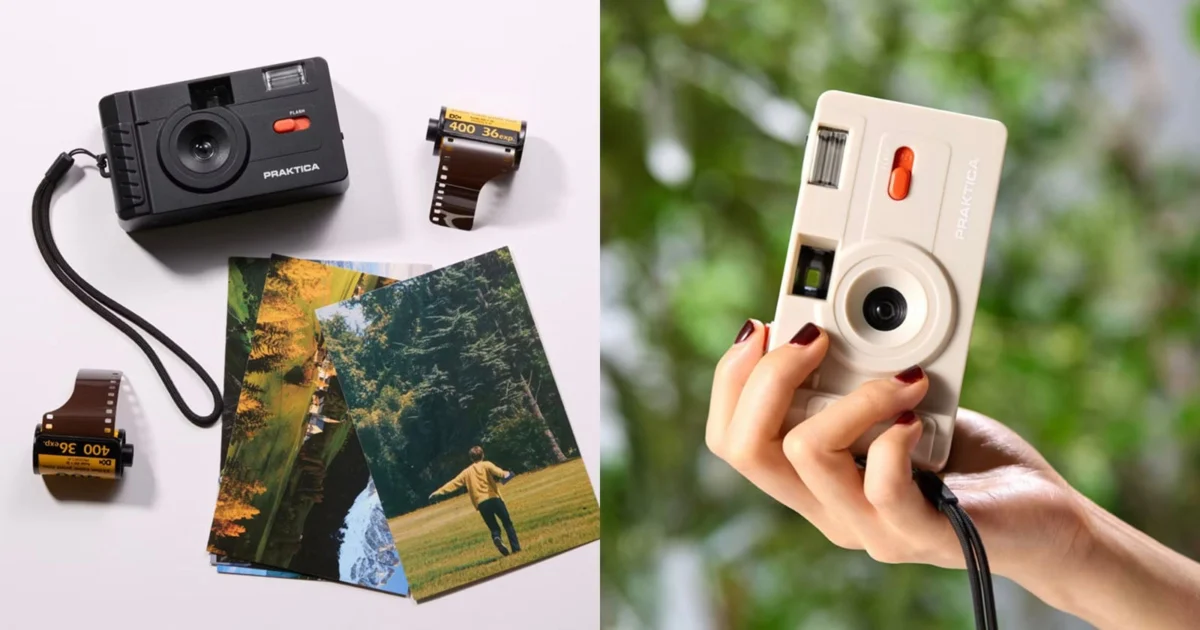
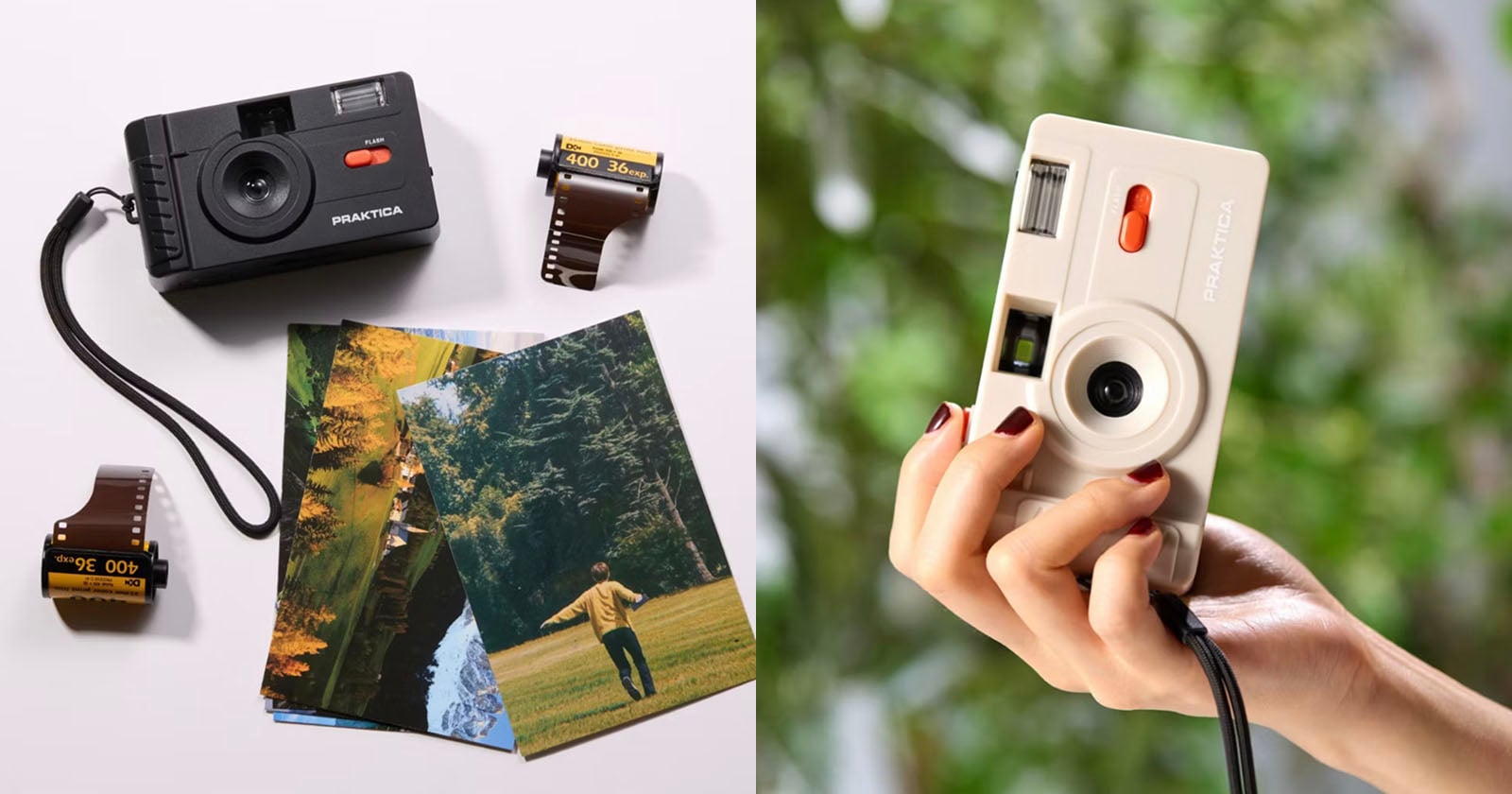
The global photography market in 2026 has witnessed a significant resurgence in analog technology, characterized by a shift from high-end digital precision to the nostalgic, tactile experience of film. Within this landscape, the emergence of the Praktica VF212 marks a notable moment for both veteran enthusiasts and a new generation of photographers. This reusable 35mm film camera enters a competitive field already occupied by products such as the Pure35 from U.K. retailer Analogue Wonderland, Lomography’s expansive catalog of plastic optics, and Dubble Film’s SHOW camera. However, the VF212 carries a weight that its competitors lack: a brand name synonymous with the industrial heritage of East Germany and the technical rigor of the Cold War era.
The Praktica VF212 is currently seeing a wide release across the United Kingdom, appearing on the shelves of major pharmacies like Boots, fashion outlets, and large-scale retailers such as Currys and Amazon UK. While primarily targeted at the British market, international availability via global shipping has made the device accessible to North American consumers. Priced at approximately $20 (£16–£20), the camera represents an entry-level gateway into film photography, though various retail bundles including 35mm film rolls typically increase the initial investment.
Technical Specifications and Design Philosophy
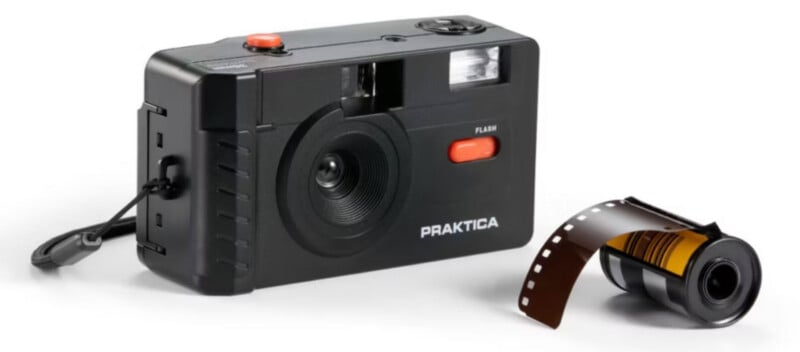
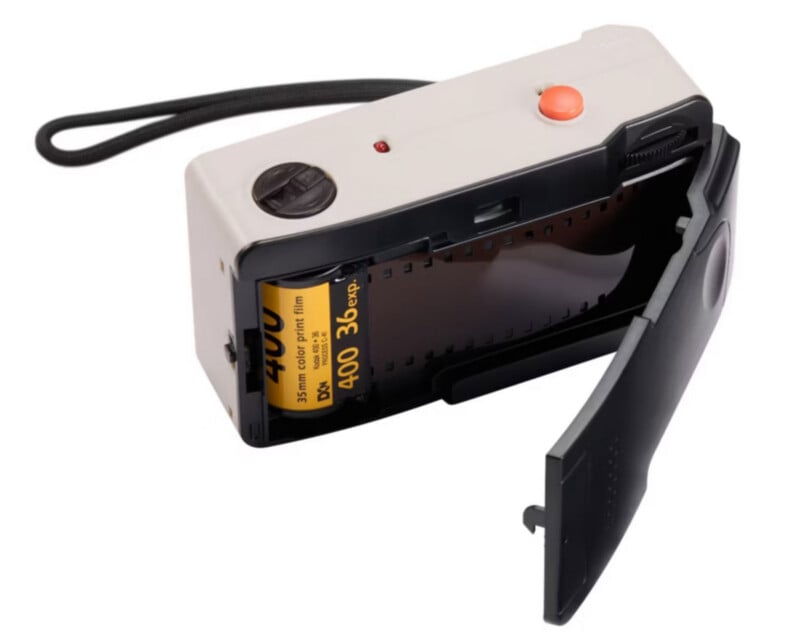
Unlike the heavy, metal-bodied Single Lens Reflex (SLR) cameras that defined the Praktica brand in the 20th century, the VF212 is a lightweight, plastic-constructed point-and-shoot. Weighing only 98 grams (approximately 3.5 ounces), the camera is designed for portability and ease of use, prioritizing accessibility over manual control.
The optical configuration features a 31mm fixed-focus lens with an aperture range of f/9 to f/11. This relatively narrow aperture ensures a deep depth of field, meaning most subjects from one meter to infinity will remain in acceptable focus—a common trait in "toy" or "snapshot" cameras. The shutter speed is fixed, likely in the range of 1/120th of a second, which is standard for cameras of this class to prevent motion blur while maintaining compatibility with common film speeds like ISO 200 and 400.
The VF212 includes a built-in Xenon flash, powered by a single AA battery. This allows for indoor and nighttime photography, compensating for the slow lens aperture. One critical technical detail for users to note is the optical viewfinder, which offers a 70% field of view. This means the final image captured on the negative will contain significantly more information around the edges than what the photographer sees through the glass, requiring a "loose" framing technique to avoid cutting off subjects.
The Legacy of Praktica: From Dresden to the Modern Era
To understand the significance of the VF212 name, one must look back at the history of the German camera industry. The Praktica brand was established in 1949 by VEB Pentacon (originally Kamera-Werkstätten Niedersedlitz) in Dresden, East Germany. For decades, Praktica was the standard-bearer for Eastern Bloc optics, producing millions of SLR cameras that were exported globally.
The brand’s reputation was built on the "L-series" and "M42" screw mount systems, which provided affordable yet robust alternatives to more expensive West German and Japanese counterparts. These cameras were tools of utility, often utilized by students, journalists, and amateur enthusiasts throughout Europe and the Soviet Union. Even after the fall of the Berlin Wall in 1989, production continued until 2001, with the BX20s serving as the final German-made model.
The 2026 iteration of Praktica, however, represents a shift in manufacturing and brand management. The VF212 is manufactured in China, utilizing modern plastic injection molding rather than the precision machining of the Dresden factories. This transition reflects a broader trend in the photography industry where legacy brand names—such as AgfaPhoto, Kodak, and Polaroid—are licensed to third-party manufacturers to capitalize on historical prestige while catering to a low-cost, high-volume consumer market.
Chronology of the 2020s Analog Resurgence
The release of the Praktica VF212 is the latest step in a timeline that has seen film photography move from a niche hobby to a mainstream lifestyle choice:
- 2020–2022: The global pandemic sparks a renewed interest in "slow" hobbies. Prices for used vintage cameras skyrocket on platforms like eBay and Etsy.
- 2023: Major film manufacturers like Kodak Alaris and Fujifilm announce price increases due to rising silver and chemical costs, leading to a demand for affordable hardware.
- 2024: The "disposable camera" trend peaks, but environmental concerns regarding single-use plastics lead to a market shift toward "reusable" plastic cameras.
- 2025: Brands like Pentax (Ricoh) announce the Pentax 17, the first new half-frame film camera from a major manufacturer in decades, legitimizing the modern film movement.
- May 2026: Analogue Wonderland launches the Pure35, a user-friendly reusable camera aimed at beginners.
- June 2026: The Praktica VF212 is launched, leveraging a historic name to compete in the budget-friendly reusable segment.
Market Analysis: Reusable Plastic vs. Vintage Metal
The appeal of a $20 reusable camera like the VF212 lies in its "frictionless" entry point. For a generation raised on smartphone photography, the complexities of manual exposure, light meters, and mechanical maintenance of a 50-year-old SLR can be daunting. The VF212 removes these barriers, offering a "load and shoot" experience that mimics the simplicity of a disposable camera but with the ability to be reloaded indefinitely.
However, industry analysts point out a dichotomy in value. While the VF212 is affordable at $20, the used market still offers superior optical quality for a relatively small price increase. Platforms such as KEH Camera and various independent boutiques often list genuine vintage 35mm SLRs—including original Praktica MTL series cameras, Canon T-series, or Minolta Maxxums—for under $100. These vintage machines offer glass lenses, adjustable apertures, and precise focusing, which produce sharper and more professional results than the plastic meniscus lens of the VF212.
The environmental impact is also a factor in the VF212’s market positioning. By offering a reusable alternative to the ubiquitous single-use cameras often found at weddings and festivals, Praktica is aligning with modern sustainability trends. While the camera is plastic, its longevity far exceeds that of a cardboard-wrapped disposable, potentially saving dozens of batteries and plastic shells from landfills over its lifespan.
Implications for the Photography Industry
The arrival of the Praktica VF212 suggests that the "reusable plastic" category is not a passing fad but a stabilized segment of the 2026 camera market. It indicates that brand recognition remains a powerful tool in consumer electronics. For many buyers, the "Praktica" name provides a sense of legitimacy and "cool factor" that a generic or unknown brand might lack.
Furthermore, the placement of these cameras in pharmacies and fashion retailers like Boots suggests that film photography is being marketed as a "lifestyle accessory" rather than just a technical pursuit. This democratizes the medium, ensuring that analog photography remains visible on the high street even as high-end digital cameras move almost exclusively to online specialized retailers.
From a manufacturing standpoint, the VF212 likely shares internal components with other cameras in its class, such as the Kodak M35 or the AgfaPhoto Reusable. This "white-label" manufacturing allows multiple brands to offer similar products with different aesthetics and branding, keeping production costs low and retail prices accessible.
Conclusion and Future Outlook
As the Praktica VF212 finds its way into the hands of photographers, it serves as a bridge between two eras. On one side is the history of European optical excellence and the utilitarian spirit of the 20th century. On the other is the modern demand for aesthetic simplicity, social media-ready "lo-fi" imagery, and sustainable consumerism.
While it may not satisfy the technical requirements of professional photographers or those seeking the surgical sharpness of modern digital sensors, the VF212 is not intended to. Its purpose is to capture the "vibe" of a moment—the grain, the light leaks, and the unpredictability that makes film photography unique. As the 2026 film revival continues to evolve, the success of the VF212 will likely depend on whether consumers value the convenience and heritage of the brand over the raw performance of vintage alternatives. For now, the Praktica name is back on the shelves, proving that even in a digital age, some names are too iconic to stay in the past.

