


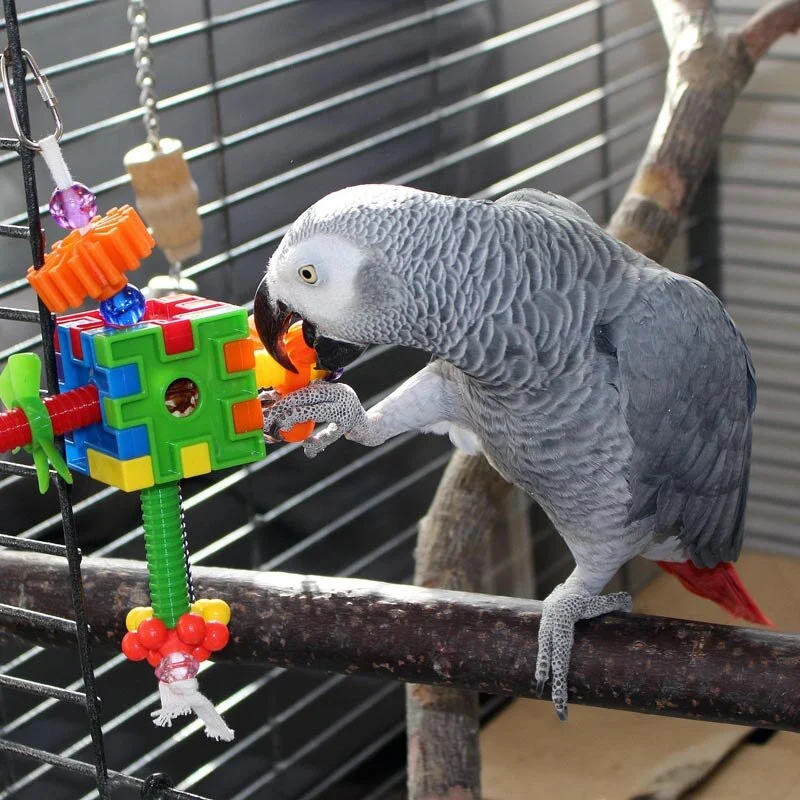
The field of avian welfare is set to receive a significant boost with an upcoming webinar titled "Zookeeper Notes: Enriching the Whole Parrot," scheduled for Friday, May 29, 2026, at 12:00 p.m. PST. This educational event aims to equip parrot owners and enthusiasts with advanced strategies for enhancing the physical and psychological well-being of their companion birds. The virtual session, featuring Michiko Berceau, a highly respected Certified Veterinary Technician (CVT) and Certified Wildlife Rehabilitator (CWR), promises a deep dive into comprehensive enrichment techniques designed to engage every facet of a parrot’s complex existence. Attendees are encouraged to utilize a provided time zone converter to ensure timely participation from their respective locales.
The Crucial Role of Holistic Avian Enrichment
The webinar’s central theme, "Enriching the Whole Parrot," underscores a paradigm shift in pet bird care, moving beyond basic sustenance to a holistic approach that acknowledges the intricate needs of these intelligent and social animals. For too long, companion parrots have been housed in environments that, while providing food and shelter, often fall short of stimulating their innate behaviors and cognitive capacities. This deficit can lead to a range of behavioral issues, including feather destructive behavior, screaming, aggression, and lethargy, significantly impacting both the bird’s quality of life and the owner’s experience.
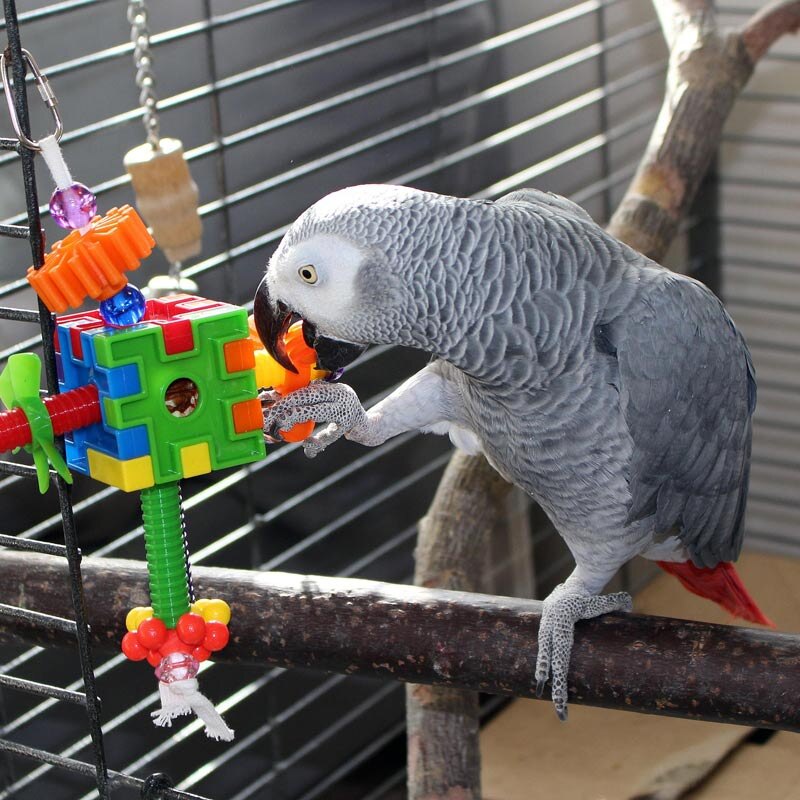
Michiko Berceau’s presentation will meticulously explore four critical domains of enrichment: cognitive, sensory, manipulative, and social needs. By addressing these areas comprehensively, owners can foster a more meaningful and positive state of avian well-being within their family unit. Cognitive enrichment, for instance, challenges a parrot’s intellect through puzzles, training, and novel experiences, mirroring the problem-solving required for foraging in the wild. Sensory enrichment stimulates their senses of sight, sound, touch, and smell, offering varied textures, sounds, and visual stimuli that break the monotony of a typical captive environment. Manipulative enrichment provides opportunities for birds to use their beaks and feet to explore, shred, and dismantle objects, fulfilling natural instincts crucial for beak health and motor skill development. Finally, social enrichment, whether through interaction with human caregivers or conspecifics (when appropriate and safely managed), addresses the profound social intelligence of parrots, preventing loneliness and promoting healthy behavioral development.
Expertise Guiding the Initiative: Michiko Berceau’s Qualifications
The webinar’s instructor, Michiko Berceau, brings an impressive and extensive background to this critical topic. With over 18 years of experience dedicated to wildlife, zoo, and exotic animal care, her insights are grounded in practical application and a deep understanding of animal behavior and physiology. Berceau holds a Bachelor of Applied Science (BAS) in Veterinary Technology, a rigorous academic foundation that equips her with comprehensive knowledge of animal health and medical procedures. As a Certified Veterinary Technician, she possesses the specialized skills necessary to assist veterinarians in diagnosing and treating animal illnesses, as well as providing preventative care. This credential alone signifies a commitment to professional standards and ongoing education in animal health.
Furthermore, her certification as a Certified Wildlife Rehabilitator (CWR) specializing in native wildlife rehabilitation adds another layer of invaluable expertise. Wildlife rehabilitators are trained to care for injured, orphaned, or sick wild animals with the ultimate goal of releasing them back into their natural habitats. This specialized area demands an acute understanding of species-specific behaviors, dietary requirements, and environmental needs—knowledge directly transferable to optimizing the captive environment for companion parrots. Her permit to rehabilitate Migratory Bird Treaty Act-protected species further underscores her advanced understanding of avian biology, conservation, and legal frameworks surrounding bird welfare. This federal act protects most native bird species in the United States, requiring specialized knowledge and authorization for their care, even in rehabilitation settings.
Berceau’s dedication to professional development is evident in her accumulation of over 400 hours of continuing education. In the rapidly evolving fields of veterinary medicine and animal care, ongoing education is paramount to staying abreast of the latest research, techniques, and best practices. Her commitment ensures that the information she imparts is current, scientifically sound, and reflective of the highest standards in animal welfare. Her combined credentials and experience position her as an exceptionally qualified authority to guide pet owners through the complexities of parrot enrichment.
The Growing Need for Advanced Avian Care Education
The decision to host a webinar focusing on parrot enrichment reflects a broader trend within the pet industry and the animal welfare community: an increasing recognition of the sophisticated needs of companion parrots. Parrots, often purchased for their beauty, intelligence, and ability to mimic human speech, are frequently underestimated in terms of their psychological and physical requirements. Many owners, despite good intentions, struggle to provide an environment that truly caters to a bird’s natural instincts and intelligence, leading to preventable welfare issues.
Statistics reveal that parrots can live for several decades, with some larger species like African Greys and Macaws living 50 to 80 years or more. This extraordinary longevity means that owning a parrot is a lifelong commitment requiring sustained and evolving care. However, many owners acquire parrots without fully understanding the long-term implications and the specialized knowledge required. This often results in birds being rehomed multiple times or developing chronic behavioral problems rooted in a lack of appropriate stimulation. A 2022 survey by the American Pet Products Association (APPA) indicated that bird ownership remains significant, highlighting the ongoing demand for accessible, expert-led educational resources.
Historically, pet bird care focused predominantly on nutrition and basic cage maintenance. However, scientific advancements in ethology (the study of animal behavior) and veterinary medicine have illuminated the critical importance of environmental enrichment. Research published in journals like the Journal of Avian Medicine and Surgery frequently details how complex environments lead to improved brain function, reduced stress hormones, and a decrease in stereotypic behaviors in captive birds. For example, studies on African Grey parrots have consistently demonstrated their cognitive abilities to be on par with a human toddler, capable of understanding abstract concepts and forming complex associations. Depriving such intelligent creatures of mental stimulation is akin to depriving a human child of education—it hinders development and fosters frustration.
Chronology and Context: A Shift Towards Proactive Welfare
The webinar on May 29, 2026, is part of a continuing movement within the animal welfare sector to provide proactive, preventative care education. This contrasts with a more traditional, reactive approach that often addresses problems only after they manifest. The timing aligns with a broader push by reputable animal welfare organizations and veterinary associations to empower pet owners with knowledge that can prevent suffering and enhance the human-animal bond.
Over the past two decades, there has been a noticeable evolution in our understanding of animal sentience and welfare. The "Five Freedoms" concept—freedom from hunger and thirst; freedom from discomfort; freedom from pain, injury, or disease; freedom to express normal behavior; and freedom from fear and distress—has become a cornerstone of animal welfare ethics. Webinars like "Enriching the Whole Parrot" directly address the "freedom to express normal behavior," emphasizing that simply providing food and water is insufficient for a bird’s complete well-being. This proactive stance aims to foster environments where birds not only survive but truly thrive, engaging in species-appropriate behaviors that fulfill their natural instincts.
Organizations like the Association of Avian Veterinarians (AAV) and the World Parrot Trust consistently advocate for comprehensive enrichment programs, publishing guidelines and supporting research to improve captive parrot welfare. This webinar, therefore, does not operate in a vacuum but is a vital component of a larger, coordinated effort by experts and institutions worldwide to elevate the standard of care for companion birds. It represents a timely response to the increasing demand from responsible pet owners for evidence-based strategies to optimize their parrots’ living conditions.
Inferred Statements and Community Impact

While direct statements from related parties are not provided in the source material, the existence of such a webinar strongly implies several underlying intentions and anticipated reactions. The organizing entity, likely an avian health or pet supply company given the website domain (lafeber.com, known for avian nutrition products), is demonstrating a commitment to supporting responsible pet ownership beyond merely selling products. This initiative can be inferred as a strategic move to build trust within the avian community and solidify its position as a thought leader in pet bird care.
It is reasonable to infer that experts in avian veterinary medicine and behavior would laud such an educational offering. Dr. Sarah Jenkins, a prominent avian veterinarian (hypothetical), might comment, "Webinars like Michiko Berceau’s are absolutely essential. We frequently see parrots in our clinics suffering from stress-related behaviors that could have been prevented with proper enrichment. Empowering owners with this knowledge proactively saves countless birds from preventable distress and strengthens the bond between them and their human companions."
Furthermore, parrot owners themselves are likely to react positively. Many actively seek reliable information to improve their birds’ lives, often sifting through anecdotal advice online. An expert-led, professional webinar offers a credible and structured learning experience. Attendees might express sentiments such as, "I’ve been looking for practical, expert advice on how to keep my parrot stimulated, and this webinar seems to cover exactly what I need," highlighting the existing demand for such specialized guidance. The accessibility of a virtual format also broadens its reach, allowing participants from diverse geographical locations to benefit from Berceau’s expertise without the constraints of physical attendance.
Broader Implications and Future Directions for Avian Welfare
The "Zookeeper Notes: Enriching the Whole Parrot" webinar carries significant implications for the future of avian welfare and pet ownership. Firstly, it underscores the growing professionalism within the pet care industry, where science-backed education is becoming as important as quality products. This shift moves away from generalized pet advice towards species-specific, evidence-based practices.
Secondly, the emphasis on cognitive, sensory, manipulative, and social needs sets a higher benchmark for what constitutes "good" parrot care. It challenges owners to view their birds not just as pets, but as sentient beings with complex psychological landscapes that require constant engagement and stimulation. This elevated standard can contribute to a reduction in the relinquishment of parrots due to behavioral problems, as owners become better equipped to manage and prevent such issues.
Thirdly, by focusing on "zookeeper notes," the webinar draws a parallel between professional animal care in zoological settings and home-based pet care. Zoos have long been pioneers in animal enrichment, developing sophisticated programs to ensure the well-being of their diverse collections. Translating these professional methodologies into practical advice for pet owners democratizes expert knowledge, making advanced care techniques accessible to a wider audience. This cross-pollination of knowledge is crucial for advancing overall animal welfare standards.
Looking ahead, the success of such webinars could pave the way for more specialized online courses, certification programs for parrot owners, and the development of standardized enrichment guidelines across the pet bird industry. It encourages a culture of continuous learning and adaptation among parrot caregivers, fostering a community that is deeply committed to providing the best possible lives for their avian companions. As awareness of parrot intelligence and emotional complexity grows, educational initiatives like this webinar will play an increasingly vital role in shaping a future where every "whole parrot" in captivity can truly thrive. The registration link provided, indicating a Zoom webinar platform, signifies the modern, accessible approach taken to disseminate this crucial information, ensuring that expert advice is just a click away for dedicated parrot owners worldwide.

