


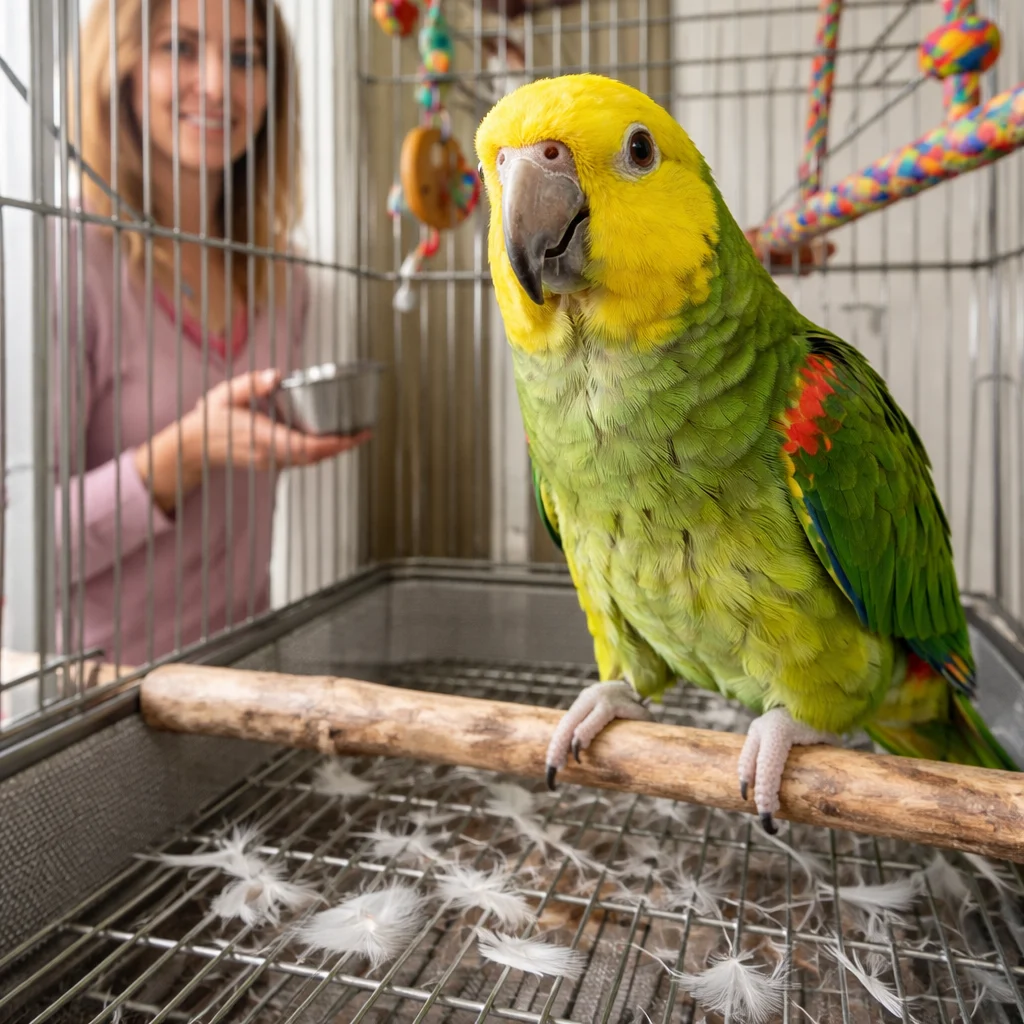
The sight of a cage floor strewn with feathers can instantly trigger alarm for any bird owner. This common experience, where a bird’s enclosure appears as though a pillow has burst, often leads to immediate concerns about illness or behavioral distress such as feather plucking. However, before panic escalates to an urgent veterinary consultation, a systematic "feather forensics" approach can often differentiate between a natural physiological process and a more serious underlying issue. In the vast majority of instances, a profusion of feathers signals a healthy, albeit sometimes demanding, molting cycle rather than a pathological condition. Understanding the subtle yet crucial distinctions is key to providing appropriate care and alleviating owner anxiety.
The 10-Second Feather Shaft Test: A Primary Diagnostic Tool
The initial assessment begins with a simple examination of the fallen feathers themselves. The manner in which a feather detaches from the bird’s body provides critical clues regarding its origin. This rapid visual inspection, often referred to as the "shaft test," can quickly guide an owner toward the correct interpretation.
-
Indications of a Healthy Molt: When a bird undergoes a natural molt, the process involves the shedding of old, worn feathers to make way for new growth. Feathers shed during a molt will typically present with a smooth, clear, and slightly pointed calamus (the hollow, basal part of the quill that was embedded in the skin). This pristine appearance signifies a natural detachment, as the feather has simply slid out of its follicle. Accompanying these feathers, owners may also observe fine white flakes, which are fragments of the keratinaceous sheath that encases new "pin feathers" as they emerge and mature. This dander is a normal byproduct of feather development.
-
Indications of Feather Plucking or Damage: Conversely, feathers that have been forcibly removed or damaged by the bird’s own actions will exhibit distinct characteristics. The calamus may appear chewed, jagged, or snapped off, indicating a forceful extraction rather than a natural release. In some cases, the feather may be entirely absent, with only a damaged or inflamed quill remaining in the skin. A particularly concerning sign is a bloody and ragged tip of the quill, which strongly suggests active plucking or over-preening, often leading to trauma to the feather follicle. This distinction is paramount in guiding subsequent actions.
Biology vs. Behavior: Unpacking the Roots of Feather Loss
It is imperative to recognize that the biological process of molting and the pathological behavior of plucking stem from fundamentally different origins, requiring distinct approaches to management.
The Biology of Molting: A Vital Physiological Renewal
Molting is a non-negotiable biological imperative for nearly all avian species. It is the cyclical process by which birds replace old, damaged, or worn feathers with new ones. Feathers are critical for flight, insulation, waterproofing, and display, and their condition directly impacts a bird’s survival and well-being.
- Physiological Basis: The timing and intensity of molting are primarily regulated by hormonal changes, often triggered by environmental cues such as photoperiod (daylight length), temperature, and food availability. For many species, molting occurs once or twice a year, typically after breeding season or during periods of abundant resources to support the energy-intensive process of feather regeneration.
- Energetic Demands: Molting is an incredibly demanding physiological event. Feathers are composed primarily of keratin, a protein, and their growth requires a significant expenditure of metabolic energy, amino acids, vitamins (especially A and B complex), and minerals (such as calcium and zinc). During this period, birds may exhibit reduced activity, increased appetite, and temporary changes in temperament, often appearing more irritable or lethargic due to the discomfort of new feather growth.
- Pin Feathers: As new feathers emerge, they are encased in a waxy keratin sheath, resembling small, sharp "pins." These "pin feathers" are highly vascularized at their base, containing a live blood supply until they fully unfurl and mature. This vascularization makes them particularly sensitive and prone to bleeding if damaged. Owners often observe birds meticulously preening these new feathers, carefully breaking open the sheaths to allow the feather to expand.
The Pathology of Feather Plucking: A Multifactorial Challenge
Feather plucking, or pterotillomania, is a complex and often frustrating behavioral disorder characterized by the self-inflicted removal or damage of feathers. Unlike molting, plucking is not a natural process and almost always indicates an underlying issue that compromises the bird’s health or psychological well-being. Prevalence rates vary, but some studies suggest that up to 10-15% of captive psittacine birds may exhibit some form of feather destructive behavior, with certain species like African Greys and Cockatoos being particularly predisposed. The causes are frequently multifactorial, encompassing medical, environmental, nutritional, and psychological components.
- Medical Causes: A comprehensive veterinary examination is crucial to rule out underlying medical conditions. These can include:
- Infections: Bacterial, fungal, or viral infections (e.g., PBFD – Psittacine Beak and Feather Disease, Polyomavirus).
- Parasites: External parasites like mites or lice, or internal parasites such as Giardia, which can cause skin irritation and itching.
- Organ Disease: Liver disease, kidney disease, or thyroid imbalances (hypothyroidism) can manifest as poor feather quality or skin irritation.
- Allergies: Environmental allergens (dust, dander, pollen) or dietary allergies can cause chronic itching.
- Toxicity: Exposure to heavy metals (lead, zinc) or other environmental toxins.
- Pain: Underlying pain from injury or arthritis can cause a bird to focus on and pluck feathers from the affected area.
- Environmental Factors: The captive environment often fails to replicate the complexity and stimulation of a bird’s natural habitat, leading to stress and boredom.
- Low Humidity: Dry indoor air can lead to dry, itchy skin and brittle feathers.
- Lack of Enrichment: Insufficient toys, foraging opportunities, and mental stimulation can lead to boredom, which birds may alleviate through self-mutilation.
- Inadequate Lighting: Lack of full-spectrum light, particularly UVA and UVB, can disrupt natural cycles and contribute to psychological distress and nutrient deficiencies.
- Cage Size and Placement: An inappropriately small cage or a cage placed in a high-traffic, stressful area can contribute to anxiety.
- Exposure to Irritants: Smoke, chemical fumes, or strong perfumes can irritate skin and respiratory systems.
- Nutritional Deficiencies: A diet lacking essential nutrients can severely impact feather quality and overall health.
- Vitamin A Deficiency: Common in birds fed seed-only diets, leading to poor skin health and keratinization.
- Essential Fatty Acids: Deficiencies in Omega-3 and Omega-6 fatty acids can result in dry, flaky skin and dull feathers.
- Protein and Amino Acids: Inadequate protein or specific amino acids (like methionine and lysine) can impair feather growth.
- Psychological and Behavioral Factors: These are often the most challenging to diagnose and treat.
- Stress and Anxiety: Changes in routine, new pets, loud noises, perceived threats, or separation anxiety can trigger plucking.
- Boredom and Loneliness: Highly intelligent and social birds, like many psittacines, require constant mental stimulation and social interaction. Lack thereof can lead to obsessive behaviors.
- Hormonal Imbalances: Chronic reproductive stimulation or seasonal hormonal surges can lead to increased preening that escalates to plucking.
- Trauma: Past negative experiences, such as abuse or neglect, can result in chronic stress and self-destructive behaviors.
- Over-preening by Owner: In some cases, owners inadvertently contribute by excessive petting in areas that would typically be preened by a mate, creating an abnormal bond or hormonal response.
The Safety Check: Addressing Blood Feathers
During either a molt or, more critically, an episode of plucking, owners may encounter "blood feathers." As previously noted, these new pin feathers contain a live vein running through their shaft, making them vulnerable. A broken blood feather can bleed profusely and, if not addressed, can lead to significant blood loss, infection, or chronic irritation. Owners should know how to apply gentle pressure with cornstarch or styptic powder to stop bleeding and consult an avian veterinarian if bleeding is persistent or heavy. This highlights the delicate nature of feather growth and the potential for complications.
The 2-Step "Peace of Mind" Check: Deeper Inspection
Beyond the initial feather forensics, two additional diagnostic steps can provide further clarity.
1. The "Mist & Part" Test
Dry feathers can effectively conceal the true condition of a bird’s skin and the presence of new feather growth. Lightly misting the bird with plain water or a bird-safe aloe vera spray can reveal underlying details. Once the feathers are damp, they can be gently parted to inspect the skin directly. The presence of numerous small, emerging "spikes" or pin feathers pushing through the skin is a definitive sign of molting. Conversely, bare, red, irritated, or broken skin without new feather growth is a strong indicator of plucking or other dermatological issues. This visual confirmation is crucial for accurate assessment.
2. The "Hot Spot" Species Check
Behavioral plucking often follows predictable patterns, with certain areas of the body being more commonly targeted, depending on the species. While a bird technically has the capacity to pluck or over-preen any accessible area, specific "hot spots" frequently observed in clinical practice include:
- African Greys: Often target areas under the wings or the inner thighs, suggesting a response to stress or internal discomfort.
- Cockatiels: Commonly pluck feathers from the shoulders or the center of the chest, potentially linked to anxiety or hormonal changes.
- Cockatoos: These highly intelligent and emotionally sensitive birds may pluck extensively from the chest, belly, and even the head. Their dexterity allows them to use their feet to remove feathers from areas their beak cannot easily reach, making diagnosis more challenging.
The Rule of Thumb: During a normal molt, head feathers typically appear as a dense collection of "spikes" (pin feathers) rather than completely bare, raw, or scratched skin. Bare patches on the head are particularly concerning as a bird cannot self-pluck this area, suggesting either a cage mate is plucking them or a serious underlying medical condition.
The Comprehensive Approach to Feather Health and Recovery
Whether a bird is navigating a demanding molt or struggling with the persistent irritation and self-inflicted trauma of plucking, its physiological system is under significant stress. Effective management requires a holistic approach that addresses both the immediate symptoms and the underlying causes.
Supporting a Healthy Molt:
During molting, the focus shifts to providing optimal support for feather regeneration. This includes:
- Enhanced Nutrition: Increased intake of high-quality protein, essential amino acids, vitamins (especially A, D, and B complex), and minerals is critical. Supplementation with avian-specific formulations, often rich in Omega-3 fatty acids, can support healthy skin and feather growth.
- Increased Hydration and Humidity: Regular bathing or misting helps soften keratin sheaths, making it easier for new feathers to emerge and reducing skin dryness. Maintaining appropriate environmental humidity is also beneficial.
- Reduced Stress: A calm, predictable environment minimizes stress, allowing the bird to conserve energy for feather growth.
- Gentle Handling: While preening new pin feathers can be itchy, excessive owner handling can damage emerging feathers.
- Adequate Sleep: Ensuring 10-12 hours of uninterrupted sleep in a dark, quiet environment is crucial for overall well-being and recovery.
Addressing Feather Plucking:
For feather plucking, a multi-pronged strategy is essential, often involving collaboration with an avian veterinarian and a certified avian behaviorist.
- Veterinary Diagnosis and Treatment: This is the first and most critical step. A thorough examination, blood tests, feather biopsies, and potentially other diagnostics are necessary to identify and treat any underlying medical conditions.
- Environmental Enrichment: Addressing boredom and stress is paramount. This includes providing a variety of safe, engaging toys, opportunities for foraging, regular out-of-cage time, appropriate cage size, and stimulating social interaction (without encouraging hormonal responses).
- Dietary Optimization: Transitioning to a high-quality pelleted diet supplemented with fresh fruits, vegetables, and appropriate healthy fats can rectify nutritional deficiencies.
- Behavioral Modification: Working with an avian behaviorist can help identify triggers for plucking and implement strategies to redirect the behavior toward more positive outlets. This may involve positive reinforcement training, environmental changes, or structured interaction.
- Humidity and Bathing: Regular misting or bathing can alleviate dry, itchy skin, a common trigger for plucking.
- Light Therapy: Ensuring access to full-spectrum UVA and UVB lighting can positively impact mood and physiological health.
- Pharmacological Interventions: In some severe cases, and only under strict veterinary guidance, medications may be used to manage anxiety, pain, or underlying hormonal issues, typically as part of a broader treatment plan.
Broader Implications and Responsible Avian Ownership
The distinction between molting and plucking extends beyond immediate feather health; it speaks to the broader implications of responsible avian ownership. A bird’s feather condition is a powerful barometer of its overall physical and psychological well-being. Failure to accurately diagnose and address feather destructive behavior can lead to chronic skin infections, self-mutilation, severe pain, and a significantly diminished quality of life for the bird. For owners, the journey of managing plucking can be emotionally taxing and financially demanding, underscoring the profound commitment required for these intelligent and sensitive companions.
Ongoing research in avian medicine continues to deepen our understanding of feather biology, the complex etiology of plucking, and innovative treatment strategies. Leading avian veterinarians and behaviorists consistently advocate for a proactive approach, emphasizing preventative care, early intervention, and a holistic understanding of the bird’s needs. By employing careful observation, systematic assessment, and a willingness to seek expert guidance, bird owners can ensure their feathered companions navigate their natural cycles with health and comfort, or receive the critical support needed to overcome behavioral challenges, ultimately fostering a thriving and unruffled life.

