


The modern consumer aisle is dominated by ethical labeling. For decades, mounting public awareness regarding the squalid conditions of traditional battery-cage egg production has driven shoppers to seek alternatives. Driven by a desire to mitigate animal suffering, millions of conscious buyers willingly pay a premium for cartons bearing reassuring buzzwords like “cage-free,” “free-range,” or “family-owned.” However, recent investigative findings from People for the Ethical Treatment of Animals (PETA) cast serious doubt on these assurances, revealing that the reality inside many certified facilities sharply contradicts the marketing promises made to the public.
An undercover investigation conducted at Hilliker’s Ranch Fresh Eggs Inc., a prominent egg production facility located in Lakeside, California, exposes the stark discrepancies between consumer perception and industrial agricultural reality. While industry marketing frequently invokes pastoral imagery of rolling meadows and content flocks, the operational environment documented by investigators tells a distinctly different story. The findings have ignited a broader debate regarding the regulatory definitions of cage-free systems, the transparency of grocery supply chains, and the genuine welfare implications for millions of egg-laying hens across the United States.
Inside the Lakeside Operation: Crowding and Confinement
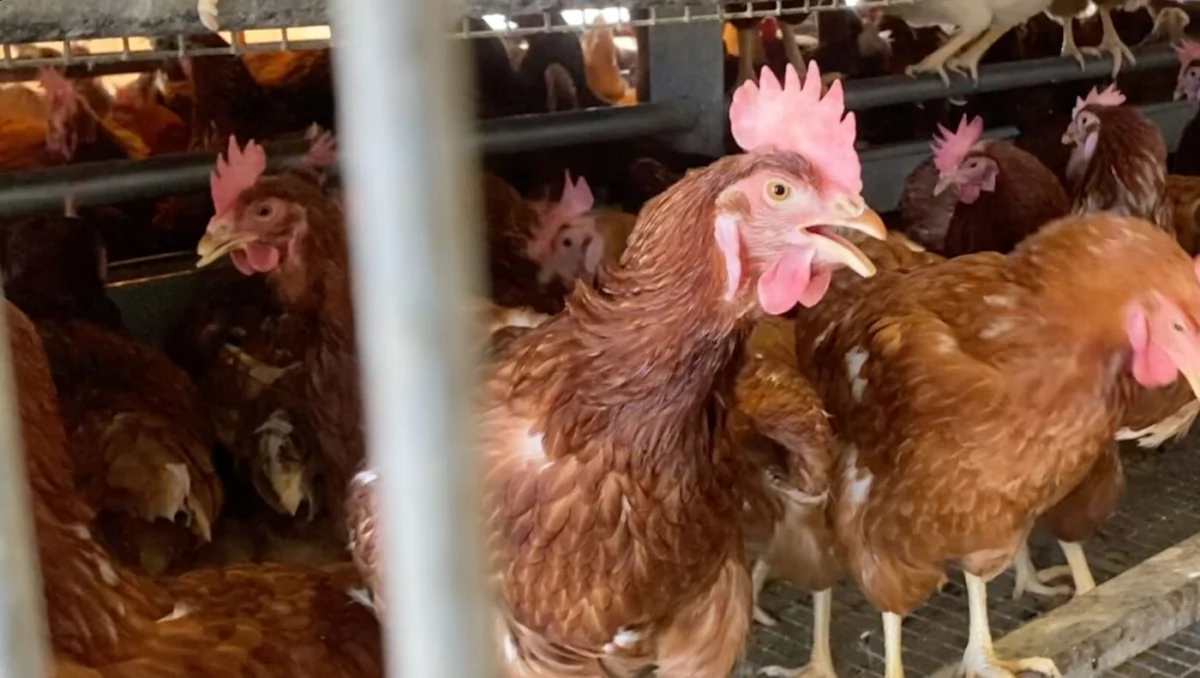
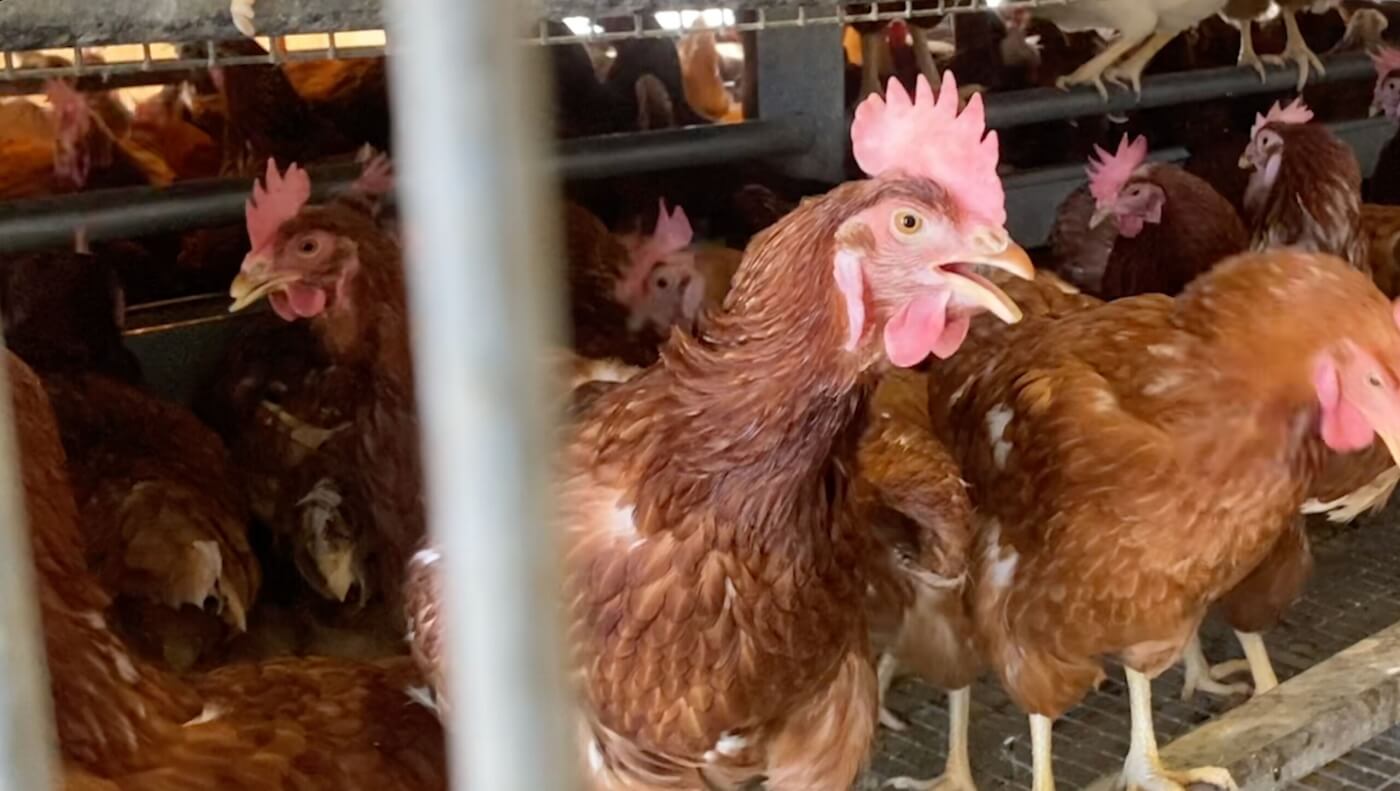
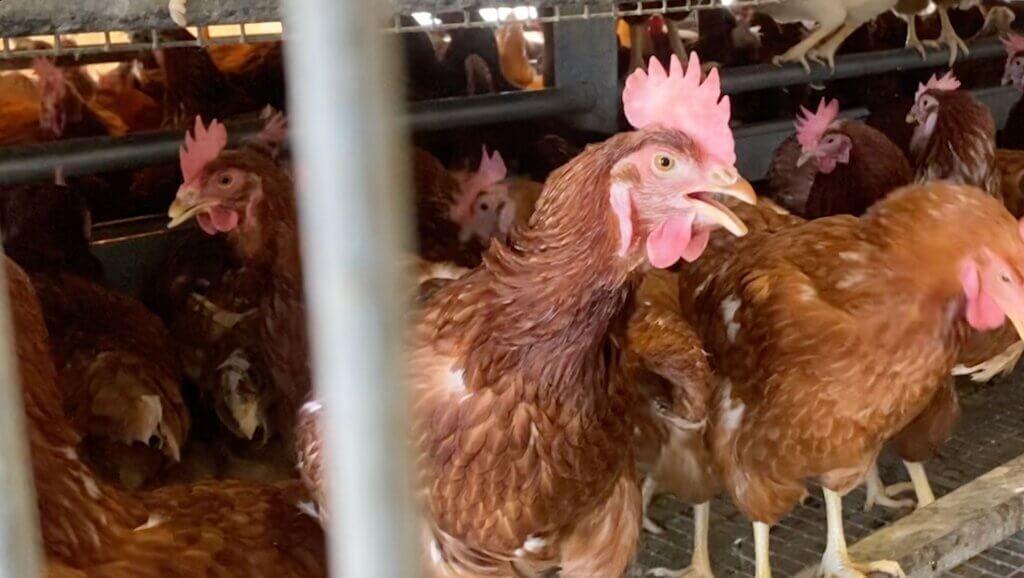
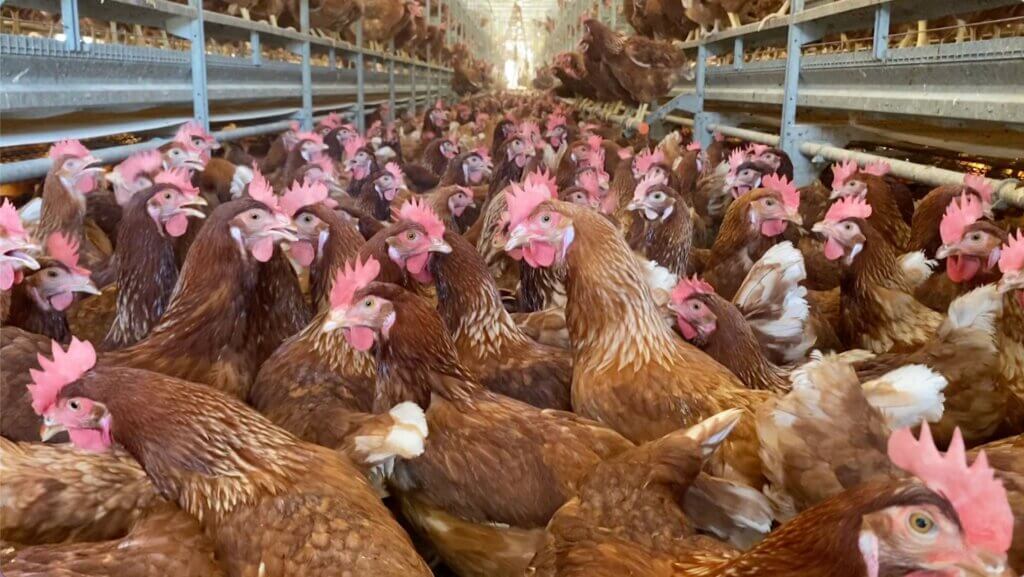
The Hilliker’s facility in Lakeside operates on a massive industrial scale, housing tens of thousands of birds within concentrated confinement structures. According to the PETA investigator who secured access to the premises, the operation relies on large metal sheds where at least 10,000 hens are packed wing-to-wing. In several areas, the density of the bird population is so extreme that the structural flooring of the shed is entirely obscured from view, and facility workers reportedly struggle to navigate access gates without repeatedly striking the animals.
Under current California agricultural standards, cage-free systems require a minimum of approximately one square foot of usable floor space per bird. Critics and animal welfare experts point out that this standard—roughly equivalent to the surface area of a standard vinyl record sleeve—offers negligible improvement over traditional battery cages when it comes to freedom of movement. Observations from the Lakeside facility confirmed that birds frequently struggled to walk, turn around, or fully extend their wings without colliding with neighboring flockmates. During the investigation, instances were documented of stressed birds attempting to reach elevated fixtures, only to fall back into the dense mass of animals below.
Facility representatives have historically defended these density levels. Frank Hilliker, the owner of the operation, has previously characterized the environment using terms that suggest an idyllic setting for the animals. Yet, workers on the floor offered a more pragmatic assessment of the conditions, acknowledging to investigators that the birds appeared densely packed while simultaneously maintaining that the stocking density complied with state-mandated metrics. Furthermore, facility plans reviewed during the investigation indicated an intention to increase the population density by filling additional sheds to maximum capacity rather than expanding the physical footprint to alleviate crowding.
Systemic Issues in High-Density Systems
The welfare challenges documented at Hilliker’s are not isolated anomalies but are instead indicative of systemic issues inherent to high-density cage-free housing models. According to farmed animal welfare specialists, concentrating thousands of birds into enclosed, indoor barn environments creates significant behavioral and physiological complications.
In natural settings, chickens establish complex social hierarchies within small flocks. When thousands of birds are forced into close quarters, these natural behaviors often manifest as chronic stress and aggression. Feather pecking, aggressive fighting, and cannibalism are documented hazards of cage-free systems, driven by the inability of the animals to escape stressors or establish functional territories. To mitigate the economic losses caused by this stress-induced aggression, the egg industry routinely relies on physical alterations performed during the chick stage. At facilities like Hilliker’s, the tips of the birds’ sensitive beaks are trimmed or burned off shortly after hatching. While industry proponents defend the practice as a necessary preventative measure to stop birds from injuring one another, animal welfare advocates argue it is a painful intervention that addresses the symptoms of overcrowding rather than the root cause.
Environmental conditions within these large-scale sheds further compound the health risks for the animals. The investigation highlighted severe acoustic and atmospheric challenges, including deafening noise levels generated by thousands of birds, elevated temperatures during Southern California summers, and heavy concentrations of airborne dust. Furthermore, the accumulation of waste on the floors creates high levels of ammonia. As hens scratch, walk, and attempt dust-bathing behaviors in litter saturated with feces, they frequently develop respiratory ailments, skin lesions, footpad dermatitis, and various infections.
The Illusion of Ethical Marketing and Corporate Responsibility
The disconnect between consumer expectations and agricultural realities highlights a broader issue within the food retail sector: the power of selective marketing. Market research consistently shows that consumers are willing to pay higher prices for animal products if they believe the animals experienced a higher quality of life. Terms such as “cage-free,” “pasture-raised,” and “family-owned” serve as powerful purchasing incentives, often bridging the gap between ethical concerns and dietary habits.
However, legal and agricultural analysts point out that terms like “cage-free” are frequently misinterpreted by the public. While cage-free systems eliminate individual wire cages, they typically replace them with multi-tier aviaries or expansive indoor floor systems where thousands of birds remain confined indoors without access to the outdoors or natural sunlight. Academic studies on poultry welfare have noted that while cage-free systems allow for minor locomotor behaviors, they often experience higher overall mortality rates and greater incidences of skeletal damage, such as keel bone fractures, due to collisions with structural equipment within the barns. Up to 97 percent of hens in certain commercial cage-free systems have been found to sustain bone fractures during their laying cycle.
Compounding this issue is the evolution of the term "family-owned." While independent family farms historically conjured images of small-scale, diversified agricultural operations, modern agribusiness consolidation means that many large-scale factory farms retain family-owned corporate structures while operating at an industrial capacity comparable to publicly traded conglomerates. Retailers and distribution networks frequently leverage these terms to appeal to conscientious shoppers without providing granular transparency regarding stocking densities, mortality rates, or environmental enrichment on the farms from which they source.
Retail Supply Chains and Consumer Impact
The distribution footprint of facilities like Hilliker’s extends directly into major regional supermarkets, making everyday consumers unwitting participants in the industrial supply chain. Eggs produced at the Lakeside facility are stocked by major regional grocers, including Albertsons locations across the San Diego area. Digital marketing materials and product descriptions on retail platforms have occasionally utilized romanticized phrasing that suggests expansive pastures and traditional free-range conditions, language that contrasts sharply with the reality of indoor industrial sheds.
Animal advocacy organizations have increasingly turned their attention toward these retail partners, arguing that supermarkets share a corporate responsibility to vet their suppliers rigorously. Campaigns targeting major grocery chains typically demand that retailers reevaluate their supplier relationships, eliminate misleading labeling practices from their digital and physical storefronts, and transition toward genuine transparency regarding the sourcing of animal products.
Broader Implications for the Future of Food Production
The findings from Lakeside arrive at a critical juncture for the agricultural sector. State-level legislative mandates, such as California’s Proposition 12, have accelerated the phasing out of traditional battery cages, pushing the industry rapidly toward cage-free production models. While these legislative milestones represent a legal shift away from the most restrictive forms of confinement, they simultaneously risk creating a regulatory ceiling where compliance with minimum space requirements is mistaken for genuine animal welfare.
For consumers navigating the supermarket aisles, the ongoing investigations serve as a reminder of the complexities inherent in modern food systems. Nutritionists and environmental scientists note that the most effective mechanism for addressing animal welfare concerns remains dietary reduction or the complete elimination of animal products in favor of plant-based alternatives. The growing market for vegan egg substitutes, baking alternatives, and lab-generated proteins reflects a shifting consumer demographic that increasingly seeks to bypass the ethical ambiguities of industrial animal agriculture altogether.
As advocacy groups continue to deploy undercover investigators to document conditions inside agricultural facilities, public scrutiny of industrial farming practices is unlikely to abate. The debate over Hilliker’s and similar operations underscores a growing demand for absolute transparency, forcing producers, retailers, and regulatory bodies to reconcile comforting marketing narratives with the operational realities of large-scale food production.

