


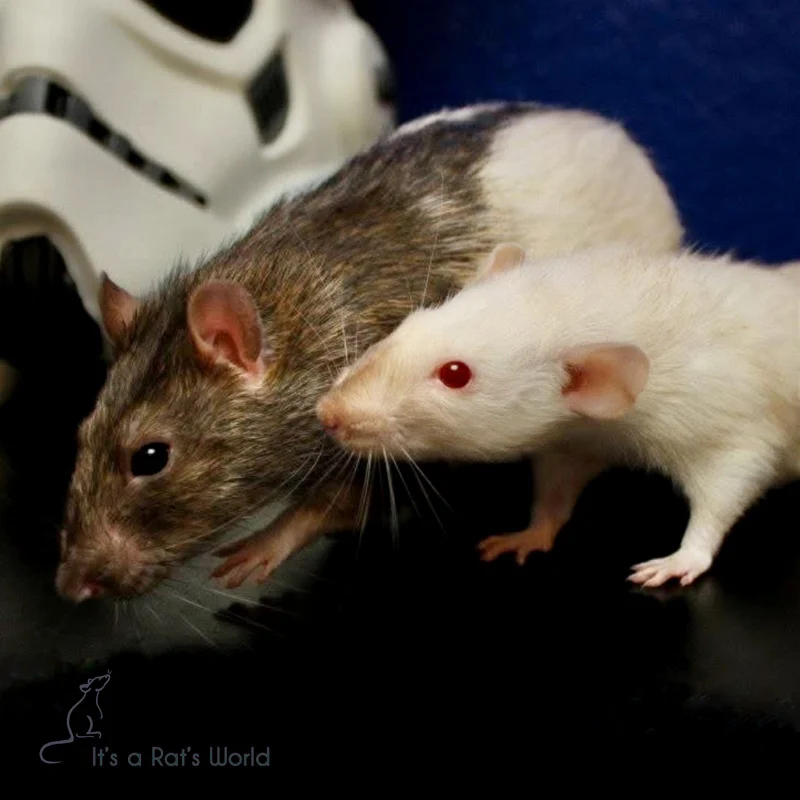
A common question among individuals considering rats as companions revolves around the choice between male and female rats. While both sexes offer a rewarding pet ownership experience, understanding their distinct characteristics can help potential owners make the most informed decision. This article delves into the physical, behavioral, and aromatic differences between male and female rats, offering insights gleaned from extensive experience and expert observations.
Physical Discrepancies Between Male and Female Rats
A primary physical distinction between male and female rats lies in their size. On average, adult male rats tend to be larger than their female counterparts. Males typically measure between 10 to 12 inches in length, excluding the tail, and weigh between 450 to 650 grams (approximately 1 to 1.4 pounds). In contrast, female rats generally range from 9 to 10 inches in length (tail excluded) and weigh between 350 to 450 grams (approximately 12.3 ounces to 1 pound).
However, these are averages, and individual variations are common. Some male rats may be smaller than average, while some females can be notably large. For instance, exceptionally large male rats like Dover Cliffs have been documented weighing a full 2 pounds (907 grams), with brothers Gatwick, Camdan, and Regent weighing around 850 grams (approximately 1.8 pounds) each. Conversely, some female rats can reach sizes comparable to many males.

Another observable physical difference relates to fur texture. Adult male rats, particularly intact ones, tend to produce more oil on their backs than females. This oily secretion, known as "buck grease," is typically orangish-yellow. In some cases, excessive buck grease can lead to skin irritation and necessitate occasional bathing. Neutering male rats often reduces or eliminates buck grease, resulting in softer fur. While females generally possess softer fur, this can vary based on individual grooming habits and overall health.
Aromatic Distinctions: The Scent of Rats
Beyond physical traits, male and female rats possess distinct natural aromas that are often discernible even to the untrained nose. Intact female rats are frequently described as having a pleasant, fragrant scent reminiscent of grape soda and fabric softener, with subtle floral undertones. This unique aroma is a characteristic feature that many owners find endearing.
Intact male rats, on the other hand, emit a scent often compared to warm corn tortillas or tortilla chips. While this may sound unusual, it is generally considered more pleasant than it might initially suggest. A significant shift in scent occurs when male rats are neutered; they typically begin to smell like the "flowery grapes" associated with females. This olfactory transformation is a direct consequence of hormonal changes following the procedure.
The phenomenon of "huffing," where owners deeply inhale their rat’s scent, is not uncommon among rat enthusiasts. This practice highlights the unique and often appealing aromas that rats can possess. However, the pleasant scent can be temporarily masked if a rat has been "marinating" – a term used to describe a rat that has been resting in soiled bedding, such as a urine-soaked hammock. While this behavior is more commonly associated with males, females can also engage in it. Owners can help manage any unpleasant odors by periodically wiping down their rats with unscented baby wipes or damp paper towels, particularly to address issues related to buck grease buildup.
Behavioral Tendencies: Energy Levels and Social Dynamics
General perceptions suggest that male rats are more docile and inclined to cuddle, while females are more energetic and less prone to prolonged physical contact. However, personal experiences often reveal a more nuanced reality.
While it is true that male rats may become less active with age, particularly after neutering, young males are typically quite energetic. Furthermore, a tendency towards laziness does not automatically equate to being more cuddly. Some male rats, regardless of age, may prefer to simply rest near their owners rather than being held.
Similarly, while some female rats, like the exceptionally active Leeloo mentioned in anecdotal accounts, can exhibit high energy levels, many other females settle into a more sedentary lifestyle as they mature, much like their male counterparts. It’s important to note that the experience of female rats can be influenced by whether they have been spayed. Females in heat, which occurs every four to five days, can display restlessness, hyperactivity, and agitation. Owners who adopt spayed females may miss observing these hormonal-driven behaviors.
Ultimately, the propensity for cuddling and the overall energy level are highly individualized traits that appear to be more dependent on the specific rat’s personality than its sex. Many owners find that female rats can be just as affectionate and cuddly as males.

Social Maturity and Behavioral Differences
A more pronounced divergence between male and female rats emerges in their temperament, particularly concerning social maturity and territorial behaviors such as urine marking.
Rats reach puberty around 6 to 8 weeks of age. However, social maturity, a period where behavioral changes become more evident, typically occurs later. While some sources suggest male social maturity between 5 to 6 months, extensive owner experience indicates this period may extend to 6 to 9 months. During this phase, some male rats may undergo a personality shift, becoming more agitated, easily irritated, and potentially more aggressive towards cagemates or even their owners. While such instances are rare, they can necessitate intervention, with castration often proving to be a highly effective solution.
Introducing new rats to established groups can also present behavioral challenges, with males often being more territorial, especially towards other males. Even typically docile males can exhibit territoriality during introductions, requiring patience and careful management. While male-male introductions can be more demanding, female-female introductions are generally less stressful. However, even female rats can display resistance to newcomers, particularly as they age. In cases where aggression becomes a safety concern for other rats, maintaining separate groups or considering neutering may be necessary.
Urine marking is another notable behavioral difference. Intact male rats are significantly more inclined to mark their territory, including their owners and possessions. While some males may reduce this behavior once they feel settled, others continue it throughout their lives. Female rats, in contrast, are far less prone to urine marking.

In terms of litter box training, female rats are often considered easier to train than males. However, it is important to note that neither sex typically achieves perfect litter box usage, and some level of accident is to be expected.
The Impact of Spaying and Neutering
Sterilization procedures, spaying for females and neutering for males, have significant implications for both health and behavior.
Preventing Unplanned Litters
The most immediate and obvious benefit of spaying and neutering is the prevention of unwanted litters. Rats are prolific breeders, with females capable of giving birth to 8 to 18 pups per litter. If both male and female rats are housed together, even in separate cages, the risk of pregnancy is substantial due to females’ ability to escape and their attraction to males through cage bars.
Minimizing Health Risks
Sterilization plays a crucial role in mitigating various health risks for both sexes. Female rats are highly susceptible to hormone-related diseases, particularly mammary tumors, as well as ovarian and uterine conditions. These health issues can significantly shorten their lifespan. Spaying females at an early age, ideally between 3 to 4 months, can drastically reduce their risk of developing these problems. While some sources suggest a slightly later window (3-7 months) for spaying, the consensus among trusted rat health experts favors the earlier range for maximum benefit. The spay procedure for females is more invasive and costly than neutering for males, but its health benefits are considered substantial.

Male rats can also develop hormone-related diseases, though less frequently than females. Neutering can reduce the risk of testicular cancer, though this is relatively rare. It can also help prevent the formation of vesical proteinaceous plugs (penis plugs) in older or mobility-challenged males. While the direct impact of neutering on mammary or pituitary tumors in males is less well-documented, it is generally beneficial for managing aggression and reducing urine marking and buck grease. A thorough discussion with a veterinarian is essential to determine the optimal timing and necessity of these procedures for individual rats.
Improving Behavior and Well-being
Beyond health benefits, spaying and neutering can positively impact behavior. For males, neutering is known to reduce aggression, lessen urine marking, and decrease buck grease production. These changes can lead to a calmer, more agreeable pet. For females, spaying eliminates the hormonal fluctuations associated with heat cycles, potentially leading to a more stable temperament and reducing associated restlessness or agitation.
Co-habitation: Mixing Male and Female Rats
The experience of housing male and female rats together, particularly after sterilization, can be highly rewarding. Many owners report that their rats develop deep bonds, regardless of sex. In some cases, male and female rats can form strong "crushes" on each other. The story of Sirius and Echo, a male and female pair whose bond endured even after Sirius’s neuter, illustrates the potential for profound interspecies companionship. Their devotion, culminating in Sirius staying by Echo’s side until her passing, highlights the deep emotional connections that can form between rats.
Ultimately, whether one chooses male rats, female rats, or a mixed-sex group, the experience of rat ownership is often described as immensely delightful. The key to successful cohabitation, especially when housing both sexes, is responsible pet ownership, ensuring that at least one sex is sterilized to prevent unintended pregnancies and promote the overall health and well-being of all animals involved. Consulting with a veterinarian throughout the process is paramount to making informed decisions regarding the care and potential surgical interventions for pet rats.

