


The University of Massachusetts Chan Medical School (UMass Chan) is facing renewed scrutiny following a series of reports detailing the extent of animal experimentation and alleged regulatory failures within its laboratories. At the center of the recent controversy is the work of Raffi Aroian, a principal investigator whose research involves the infection of small mammals with parasitic organisms. Records indicate that since 1998, Aroian has received approximately $20.5 million in funding from the National Institutes of Health (NIH) to study soil-transmitted nematodes and other parasites. While the university maintains that such research is vital for addressing global health crises, animal welfare advocates and some members of the scientific community have raised questions regarding the ethical treatment of the animals involved and the translatability of the findings to human medicine.
The research conducted in the Aroian laboratory primarily focuses on the life cycles and treatment of parasites such as hookworms, whipworms, and roundworms. These parasites represent a significant burden on global public health, particularly in developing regions where they contribute to malnutrition, anemia, and developmental delays in children. However, the methodology employed to study these organisms has come under fire. According to internal documents and oversight reports, the experiments involve infecting hamsters, mice, and rats with larval stages of these parasites. To ensure the parasites can thrive and be harvested for further study, the animals often undergo immune suppression treatments. This process allows the parasites to remain in the host’s system for extended periods, frequently leading to chronic blood loss, tissue inflammation, and internal injury.
Chronology of Recent Regulatory Failures
The oversight of animal research at UMass Chan has been punctuated by a series of documented lapses in protocol over the last several years. In early 2024, the university’s internal monitoring systems and external regulatory bodies identified specific instances of negligence within the Aroian laboratory.
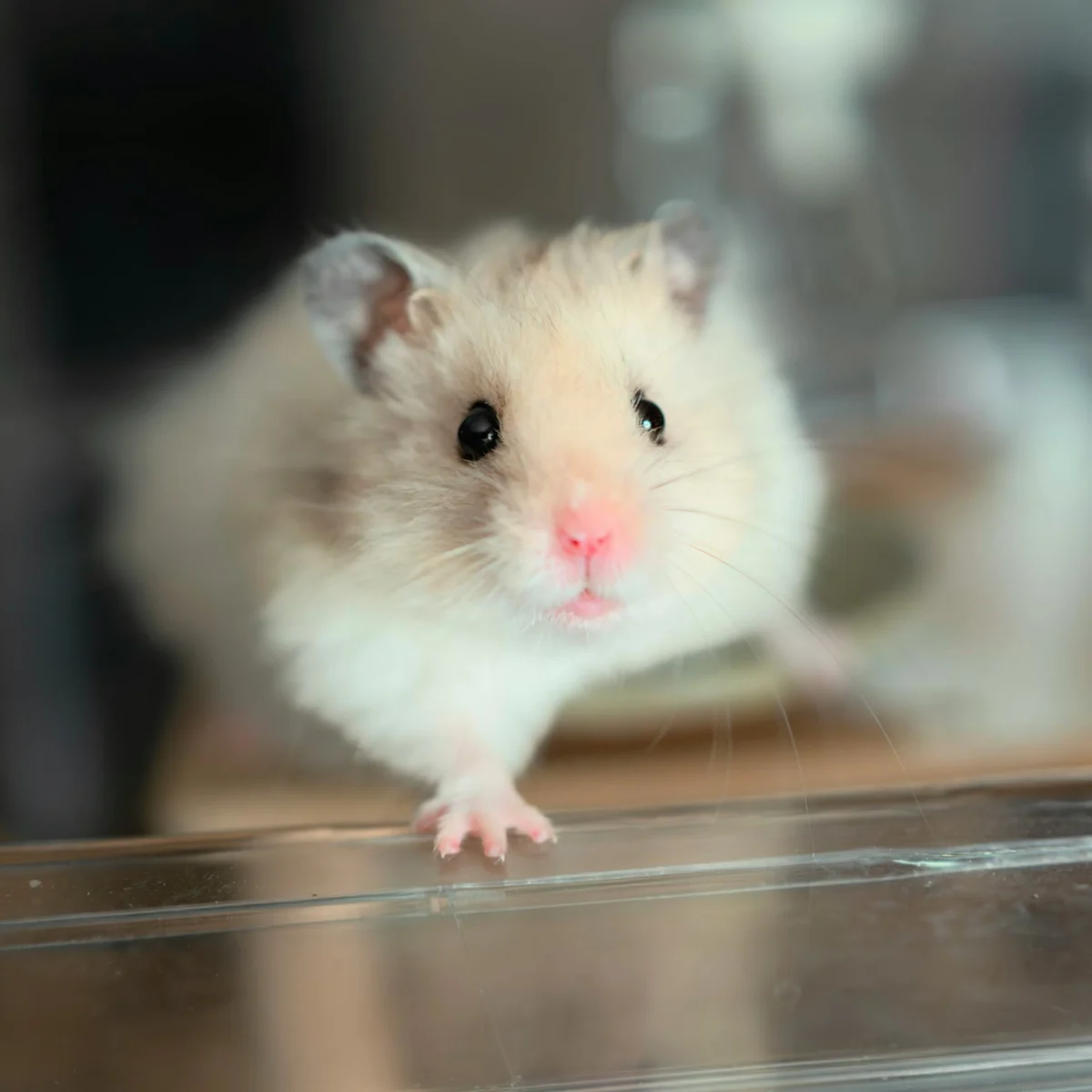
In April 2024, an internal audit by the UMass Chan Institutional Animal Care and Use Committee (IACUC) discovered that hamsters were being kept in solitary confinement. Under federal guidelines and the university’s own approved research protocols, social animals like hamsters generally require group housing unless there is a specific, pre-approved scientific justification for isolation. The investigation revealed that Aroian had not obtained the necessary permissions for this housing arrangement. Consequently, the IACUC required an immediate revision of the laboratory’s protocols and reported the incident to the NIH’s Office of Laboratory Animal Welfare (OLAW).
The situation escalated in May 2024 when a second significant breach occurred. During a procedure where hamsters were moved to specialized cages for the collection of fecal matter—a standard practice for monitoring parasite reproduction—two animals were inadvertently left in their original cages. These hamsters remained without access to water for approximately 16 hours. Following this incident, the U.S. Department of Agriculture (USDA) issued a citation against UMass Chan for a violation of the Animal Welfare Act. In response to the recurring oversight failures, the university’s IACUC placed the Aroian laboratory under mandatory supervision for a six-month period, a move described by regulatory experts as a significant disciplinary action for an academic research facility.
The Scope of Federal Funding and Research Objectives
The financial scale of the research at UMass Chan is substantial. Public records from the NIH’s RePORT database show that the Aroian laboratory currently manages active grants totaling approximately $1.4 million, contributing to a career total of over $20 million in federal subsidies. This funding is part of a broader federal investment in "neglected tropical diseases" (NTDs). The NIH justifies these expenditures by pointing to the need for new anthelmintic drugs, as resistance to current treatments like albendazole and mebendazole is rising in human populations.
The research involves a cyclical process of infection and harvesting. For instance, rats are often used as "biological incubators" to maintain a steady supply of larvae. In these procedures, six-week-old rats are injected with up to 1,000 larvae. Once the parasites reproduce, the larvae passed in the rats’ feces are collected to infect new groups of hamsters or mice. In the final stage of many experiments, the animals are euthanized so that adult worms can be extracted from their intestinal tracts for molecular analysis.
Patterns of Controversy at UMass Chan
The scrutiny surrounding the Aroian lab is not an isolated incident within the institution. UMass Chan has historically been a focal point for animal rights campaigns due to the work of other high-profile researchers.
Dr. Matt Gounis, another prominent experimenter at the university, has faced criticism for his work involving neurological research on canines. His studies have involved inducing strokes in dogs to test various medical interventions. Similarly, Dr. Heather Gray-Edwards has been noted for her research on sheep and other animals bred to develop neurodegenerative conditions, such as Tay-Sachs disease. These experiments often involve significant physical suffering, including seizures and loss of motor function. Critics argue that these programs, combined with the recent failures in the Aroian lab, suggest a systemic issue with the school’s "broken oversight system," a claim the university has consistently denied.
Scientific Critique and the Translatability Gap
Beyond the ethical concerns regarding animal suffering, a growing movement within the scientific community is questioning the "translatability" of rodent-based parasite research. The "translatability gap" refers to the high failure rate of drugs that appear successful in animal models but fail during human clinical trials.
Critics point out several biological discrepancies that may render Aroian’s research less effective for human application:
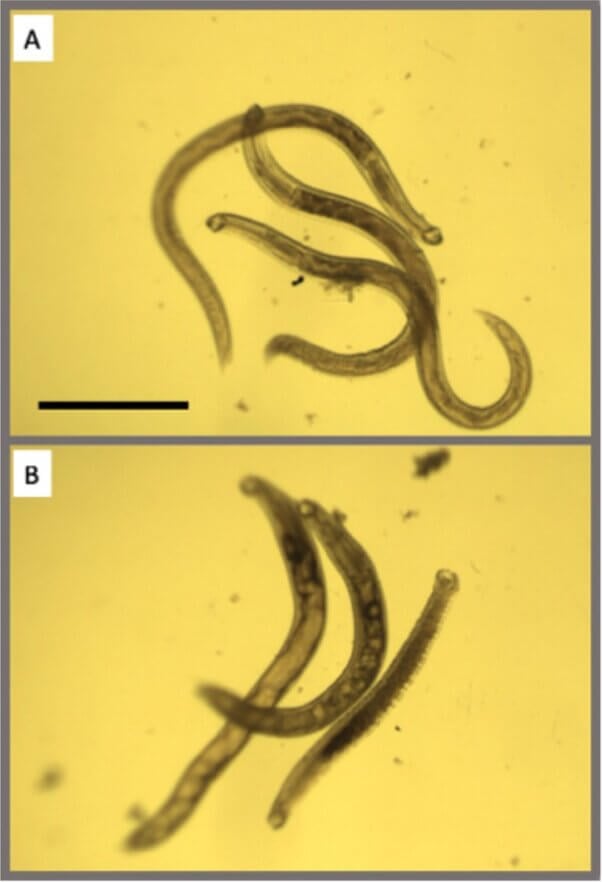
- Species Specificity: The parasites used in laboratory settings are often species-specific or adapted strains that do not behave identically to the parasites that infect humans in natural environments.
- Environmental Variables: Laboratory animals are kept in highly controlled, sterile environments and fed standardized diets. In contrast, human populations most affected by these parasites live in environments with complex microbiomes and nutritional deficiencies, factors that significantly alter the host-parasite relationship.
- Immune System Differences: The use of immune-suppressing drugs to facilitate infection in rodents creates an artificial biological state that does not mirror the immune response of a naturally infected human host.
As a result of these factors, some researchers advocate for a shift toward "New Approach Methodologies" (NAMs). These include organ-on-a-chip technology, which can simulate the human intestinal environment, and sophisticated computer modeling. Advocates for these methods argue they provide more accurate data on human physiological responses without the ethical and regulatory burdens associated with animal testing.
Institutional and Regulatory Responses
In response to the citations and public pressure, UMass Chan Medical School has emphasized its commitment to animal welfare and regulatory compliance. In official statements, the university typically highlights the role of the IACUC in self-reporting violations, framing the discovery of protocol breaches as evidence that their internal monitoring systems are functioning as intended.
The USDA and NIH OLAW continue to monitor the situation. While citations and mandatory supervision are serious, they rarely result in the total withdrawal of federal funding unless a pattern of "willful negligence" or "unremedied non-compliance" is established. For now, the Aroian laboratory remains operational under the increased scrutiny of university administrators.
Broader Implications for Research Policy
The controversy at UMass Chan reflects a larger national debate over the ethics and utility of animal experimentation. Each year, the U.S. government spends billions of dollars on animal-based research, yet the pharmaceutical industry continues to struggle with high attrition rates in drug development.
The 2024 incidents at UMass Chan have energized calls for legislative reform. Organizations such as PETA have leveraged these reports to urge the NIH to redirect funding toward non-animal research methods. They argue that the $20.5 million awarded to the Aroian lab could have been more effectively spent on human-relevant clinical studies or the development of synthetic models.
As the six-month mandatory supervision period for the Aroian lab progresses, the medical and academic communities will likely continue to debate the balance between the pursuit of scientific knowledge and the ethical treatment of sentient subjects. The outcome of this oversight period may serve as a bellwether for how major research institutions handle the intersection of federal funding, high-stakes science, and public accountability. For the thousands of animals currently housed in the school’s facilities, the stakes remain a matter of life and death, while for the university, the challenge lies in reconciling its prestigious research reputation with the increasing demand for transparency and compassion in science.

