


The American Federation of Aviculture (AFA) has established a robust suite of educational tools designed to professionalize the field of bird keeping and promote the scientific understanding of avian species. Through its flagship "Fundamentals of Aviculture" courses and the "Avian Biology Classroom," the organization provides a structured pathway for both hobbyists and professional breeders to deepen their knowledge of ornithology, husbandry, and conservation. These programs represent a significant shift in the avicultural community toward evidence-based practices, supported by major academic institutions and philanthropic grants. By centralizing high-level scientific data into accessible modules, the AFA aims to improve the welfare of birds in captivity while fostering a new generation of informed advocates for avian conservation.
The Fundamentals of Aviculture: A Two-Tiered Scientific Foundation
The cornerstone of the AFA’s educational outreach is the "Fundamentals of Aviculture" (FOA) program, an online curriculum divided into two comprehensive levels. This program was developed to address a historical gap in standardized education within the bird-keeping community. For decades, much of the knowledge regarding the care of exotic birds was passed down through informal networks or anecdotal evidence. The FOA courses transition this knowledge base into a formalized, science-backed framework.

Level I: Establishing the Basics of Avian Science
Level I of the Fundamentals of Aviculture serves as an introductory yet rigorous foundation for the emerging science of bird care. Spanning nine detailed chapters, the course moves beyond basic care instructions to explore the biological complexities of avian life. Students are introduced to avian anatomy and physiology, providing them with a vital understanding of how bird bodies function differently from mammals. This includes specialized knowledge of the respiratory system, which involves a complex network of air sacs, and the unique metabolic demands of feathered species.
Beyond biology, Level I addresses the legal and ethical landscape of aviculture. As international and domestic regulations—such as the Convention on International Trade in Endangered Species of Wild Fauna and Flora (CITES) and the Wild Bird Conservation Act—become increasingly complex, the AFA ensures that its students are well-versed in the laws governing bird ownership and transport. The curriculum also emphasizes preventative medicine, teaching students how to design housing that minimizes stress and how to identify early clinical signs of illness, which is often difficult in birds due to their natural instinct to mask symptoms.
Level II: Intermediate Studies and Specialized Husbandry
For those seeking advanced expertise, the Level II Intermediate Aviculture Course offers an expansive 15-chapter curriculum. Enrollment in this level is strictly contingent upon the successful completion of Level I, ensuring a uniform baseline of knowledge among all participants. Level II delves into the intricacies of avian reproduction and population management.

Key topics include:
- Conservation and Research: Exploring the role of private aviculture in global species preservation.
- Avian Genetics and Color Mutations: A scientific look at how traits are inherited and the ethics of breeding for specific mutations or hybrids.
- Incubation and Hand-Rearing: Technical guidance on the delicate process of raising neonates, from egg humidity levels to weaning protocols.
- Microbiology and First Aid: Providing keepers with the tools to understand pathogen transmission and how to stabilize a bird during a medical emergency before reaching a veterinarian.
The AFA offers this course at a subsidized rate for its members, currently priced at $75, which reflects the organization’s commitment to making high-level education affordable. Non-members are encouraged to join the federation during the enrollment process, fostering a larger community of educated bird enthusiasts.
Collaborative Development and Institutional Support
The sophistication of the FOA program is largely due to its high-level institutional partnerships. The development of the curriculum was made possible through a strategic grant from the Pet Care Trust, an organization dedicated to promoting responsible pet ownership and the health of the pet industry.

Furthermore, the AFA collaborated closely with the Schubot Exotic Bird Health Center at Texas A&M University’s College of Veterinary Medicine. The Schubot Center is one of the world’s leading research institutions dedicated to the study of exotic bird diseases and conservation. By leveraging the expertise of Texas A&M’s veterinary faculty, the AFA has ensured that its educational materials are not only practical for the average owner but are also grounded in the latest veterinary research and clinical data. This partnership bridges the gap between academic research and the practical application of husbandry in the field.
The Avian Biology Classroom: Bridging the Gap to Public Education
While the FOA courses are designed for serious aviculturists, the AFA’s "Avian Biology Classroom" (ABC) targets a broader audience, including bird clubs, K-12 teachers, and community educators. The ABC is a free resource that provides downloadable presentations in both PowerPoint (PPT) and PDF formats, making it easy for educators to integrate avian science into their curricula.
The ABC is structured into five distinct modules, each focusing on a core pillar of biological science:
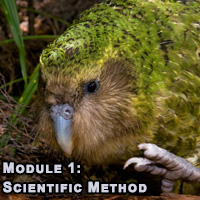
- Module 1: The Scientific Method: This module uses avian-related examples to teach students how to formulate hypotheses, conduct experiments, and analyze data. It frames aviculture not just as a hobby, but as an observational science.
- Module 2: Characteristics of Life: Here, the curriculum explores what defines a living organism, using the unique life cycles and biological traits of birds as primary case studies.
- Module 3: Populations: This section covers the dynamics of bird populations in the wild and in captivity, touching on carrying capacity, migration patterns, and the impact of environmental changes.
- Module 4: Mendelian Genetics: By using bird feather colors and patterns as examples, this module provides a tangible way for students to understand dominant and recessive traits, Punnett squares, and genetic diversity.
- Module 5: Ecological Terminology: The final module focuses on the relationship between birds and their environments, defining the roles of producers, consumers, and the importance of biodiversity within various ecosystems.
By providing these resources free of charge, the AFA is actively working to increase scientific literacy and foster an early interest in ornithology and environmental science among students.
Chronology of Educational Evolution in Aviculture
The development of these tools marks a significant era in the AFA’s history, which dates back to its founding in 1974. Initially formed as a response to the threat of exotic bird diseases and restrictive legislation, the AFA spent its early decades focused primarily on advocacy and the protection of the right to keep birds.
However, the early 2000s saw a shift toward digital education. The launch of the "Fundamentals of Aviculture" online campus represented a transition from print-based manuals to interactive, accessible web learning. This evolution was accelerated by the increasing availability of high-speed internet, allowing for a "virtual campus" where students from around the world could enroll simultaneously. The recent updates to Level II and the expansion of the ABC modules indicate a continued investment in digital-first education to meet the needs of a modern, global audience.
Broader Impact and Implications for Avian Welfare
The implications of the AFA’s educational initiatives extend far beyond the classroom. In the United States and abroad, the mismanagement of exotic birds in captivity is a significant issue that often leads to birds being surrendered to rescues or suffering from preventable health conditions. By educating owners on the "Fundamentals of Aviculture," the AFA is directly addressing the root cause of many welfare issues: a lack of specialized knowledge.
From a conservation standpoint, the emphasis on genetics and population management in the Level II course is critical. As many bird species face habitat loss in the wild, the role of "ex-situ" (off-site) conservation—where healthy, genetically diverse populations are maintained in captivity—becomes a vital insurance policy against extinction. Educated aviculturists are better equipped to participate in cooperative breeding programs and contribute to the survival of endangered species.
Furthermore, the AFA’s focus on microbiology and biosecurity has public health implications. Highly Pathogenic Avian Influenza (HPAI) and other zoonotic diseases pose risks to both avian and human populations. By teaching bird keepers how to implement strict biosecurity protocols, the AFA contributes to the broader effort of monitoring and preventing the spread of infectious diseases.

Industry Response and Future Outlook
The response to the AFA’s educational tools from the veterinary and zoological communities has been overwhelmingly positive. Dr. Ian Tizard, a former director of the Schubot Center, has previously emphasized the importance of such programs in creating a "continuum of care" that starts with the owner and ends with the avian veterinarian.
Looking forward, the AFA is expected to continue expanding its digital offerings. As genomic sequencing becomes more accessible, future modules may include advanced genomic data for specific species. Additionally, as climate change alters the migratory patterns and habitats of wild birds, the AFA’s educational focus may shift further toward the intersection of climate science and avian ecology.
The American Federation of Aviculture has demonstrated that education is the most effective tool for ensuring the future of avian species. Through rigorous coursework, strategic partnerships, and community outreach, the AFA is not just teaching people how to keep birds; it is training the next generation of avian scientists and conservationists. As these programs continue to grow, the standard of care for avian species worldwide is set to reach new heights of scientific excellence.

