


Virginia is home to a remarkable diversity of avian life, and among its most captivating inhabitants are its eight species of owls. These nocturnal (and sometimes diurnal) hunters, shrouded in mystery and folklore, grace the Commonwealth’s varied landscapes, from dense woodlands to open fields. While many of these magnificent birds are elusive, preferring the quiet solitude of their wooded domains, keen observers can, with patience and a bit of luck, catch glimpses of them, particularly during the crepuscular hours of dawn and dusk. This comprehensive guide delves into the fascinating world of Virginia’s owls, offering detailed insights into their identification, habitats, behaviors, and the ecological roles they play within the state’s rich natural tapestry.
The Enduring Majesty of the Great Horned Owl
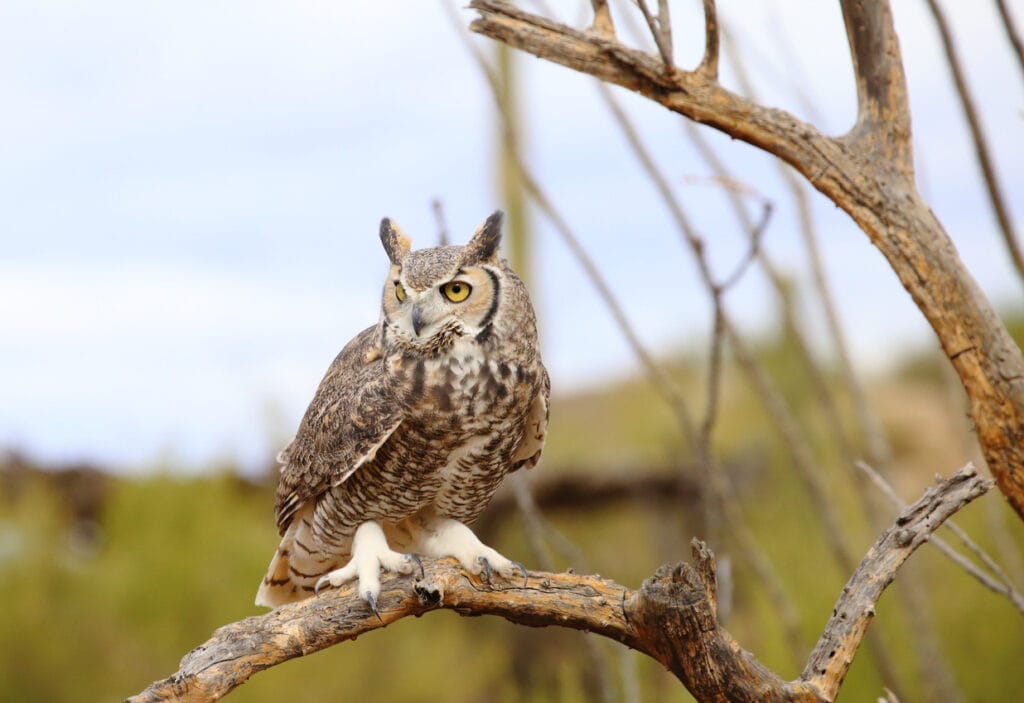
The Great Horned Owl (Bubo virginianus) stands as one of the most recognizable and widespread owl species in North America, and Virginia is no exception. Often immortalized in literature and popular culture, these powerful raptors are a year-round presence throughout the Commonwealth. Their imposing stature, with adults measuring up to 26 inches in length, rivals the size of a large dog, making them the largest owls found in Virginia and the third largest globally, surpassed only by the Eurasian Eagle-Owl and Blakiston’s Fish Owl.
Distinguishing features of the Great Horned Owl include prominent, horn-like ear tufts that give them their name, though these are not true ears but feathered projections. Their broad, barrel-shaped bodies are cloaked in mottled dark-brown plumage, complemented by distinctive mahogany-colored facial discs and piercing, large yellow eyes that betray their keen predatory senses. Their formidable size, coupled with their inherent strength and aggressive disposition when threatened, allows them to tackle a surprisingly diverse prey base. While their diet primarily consists of smaller mammals such as rabbits, skunks, opossums, and squirrels, they are not above preying on larger birds like falcons, ospreys, and even waterfowl such as geese and ducks. Their adaptability extends to consuming snakes, frogs, insects, and occasionally fish, demonstrating their opportunistic hunting strategies.
While their presence is widespread, Great Horned Owls are masters of camouflage and often remain hidden within dense foliage. Their powerful hoots, a deep "hoo-hoo-hoo-hoo," can often be heard echoing through the forests, serving as a territorial call and a testament to their dominance in the nocturnal soundscape. Conservation efforts in Virginia focus on protecting their preferred habitats, which include mature forests, woodlands, and even urban and suburban areas with sufficient tree cover.
The Ubiquitous Eastern Screech-Owl: A Master of Camouflage
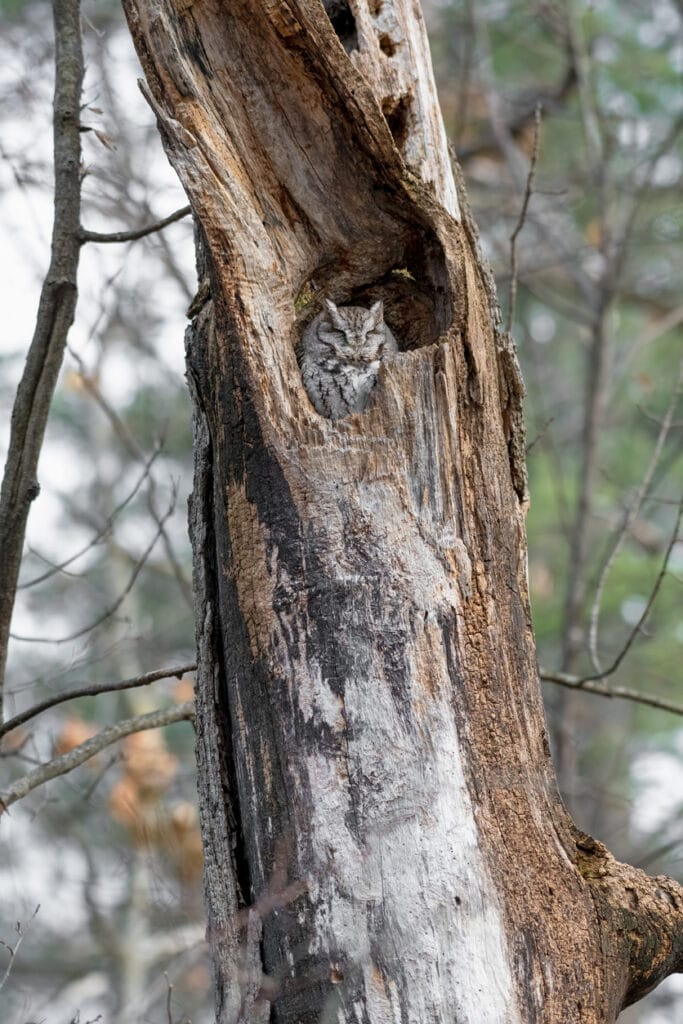
The Eastern Screech-Owl (Megascops asio) is another common and beloved resident of Virginia, renowned for its distinctive, high-pitched screeching call that gives it its name. These adaptable owls are found across the state, inhabiting a wide array of environments, from mature deciduous forests and pine stands to suburban backyards and even urban parks, as long as suitable nesting sites are available. They are year-round residents, contributing to the consistent presence of owls in Virginia’s ecosystems.
Despite their commonality, Eastern Screech-Owls are notoriously difficult to spot due to their exceptional camouflage. Their plumage, exhibiting variations in gray and reddish-brown patterns, allows them to blend seamlessly with tree bark and foliage, making them virtually invisible, especially during daylight hours when they typically roost. They are small but stocky birds, characterized by their pointed ear tufts, square-shaped tails, and rounded wings.
It is important to note the distinction between the Eastern Screech-Owl and its close relative, the Western Screech-Owl (Megascops kennicottii). While visually similar, the Western Screech-Owl is slightly larger. Fortunately for Virginia’s bird enthusiasts, Western Screech-Owls are rarely encountered within the state, making the Eastern Screech-Owl the far more probable sighting.
The diet of the Eastern Screech-Owl is as varied as its habitat. They primarily prey on small mammals and rodents, including shrews and deer mice. However, their diet also extends to insects, earthworms, crayfish, frogs, and other invertebrates. Occasionally, they have been observed to opportunistically snatch small fish. Their nocturnal hunting prowess ensures a constant supply of food, contributing to the health of rodent populations within their territories.
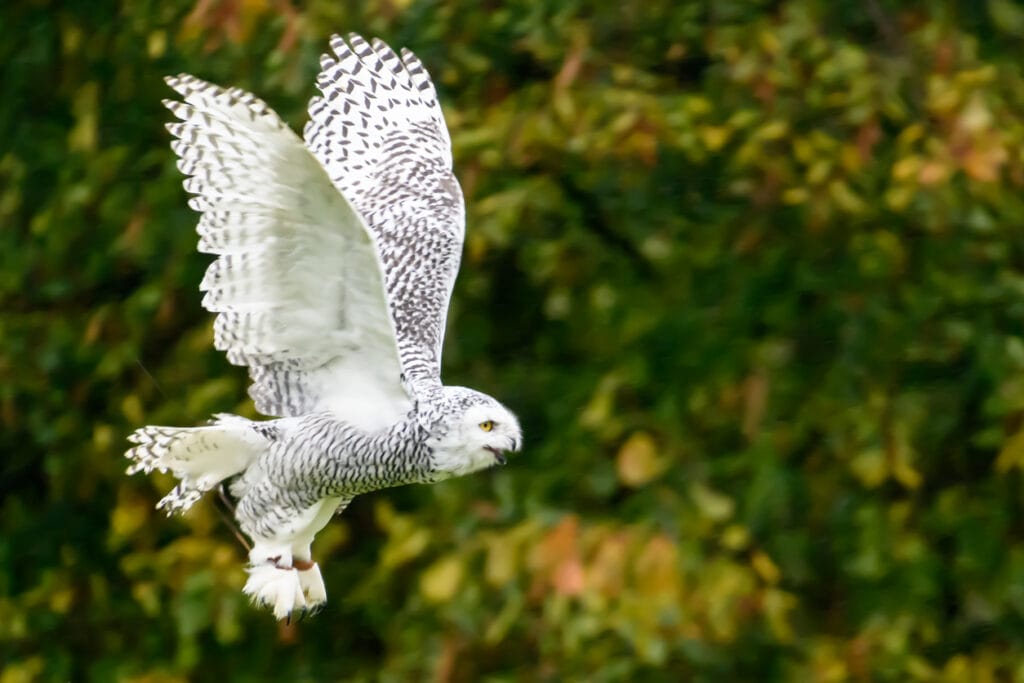
The Elusive Snowy Owl: An Arctic Visitor During Irruptions
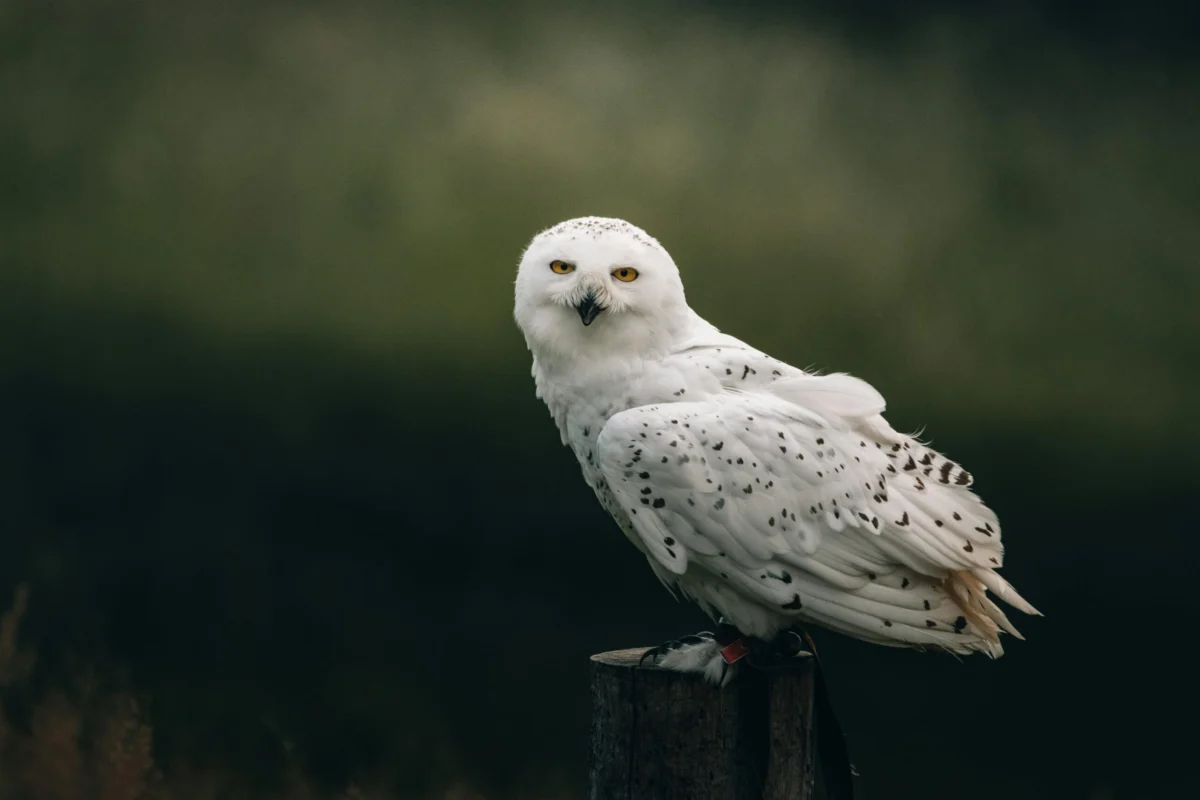
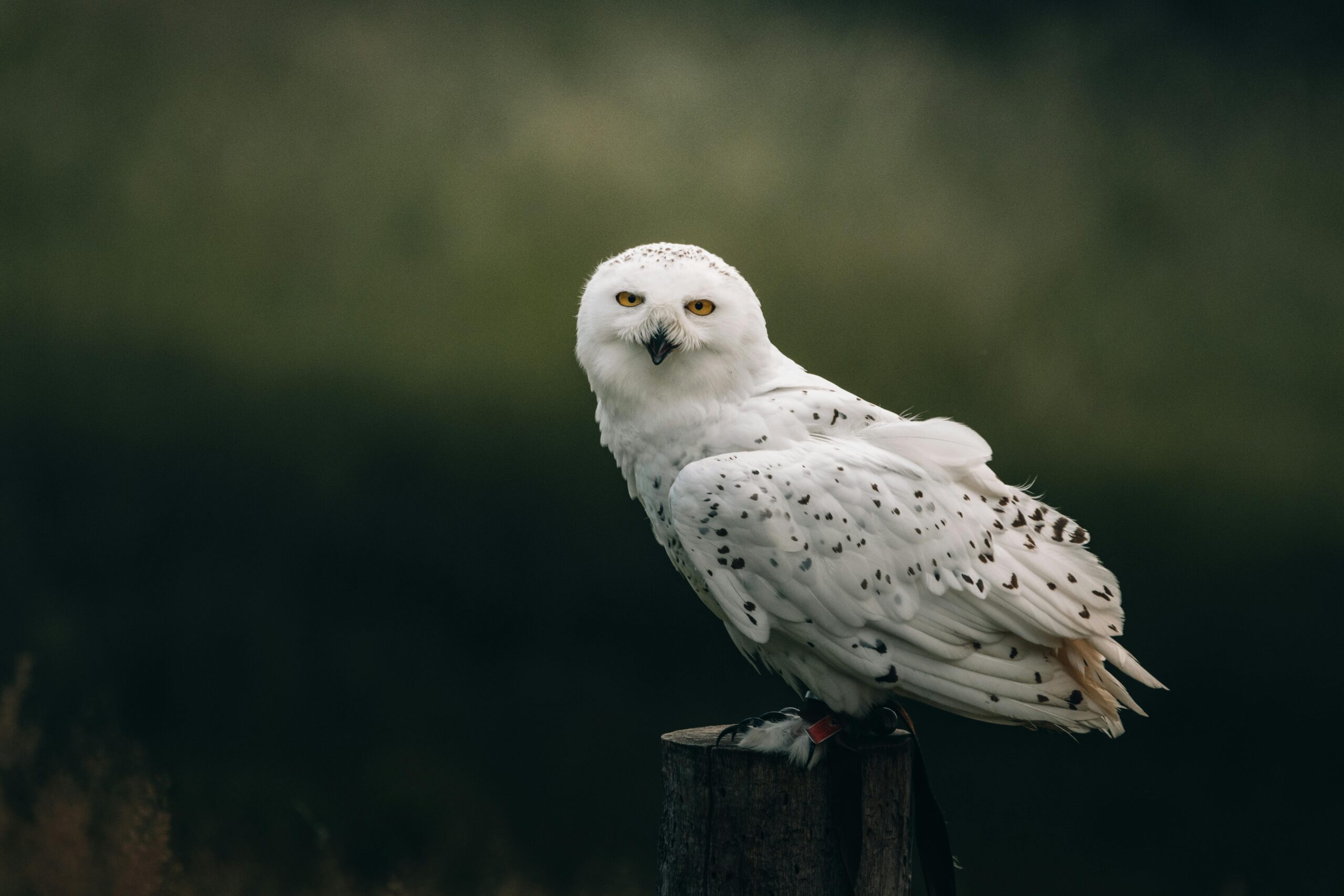
The Snowy Owl (Bubo scandiacus), with its striking pure white plumage and captivating beauty, is a rare and highly anticipated visitor to Virginia. These majestic birds are native to the Arctic tundra, and their appearances in more temperate regions like Virginia are often linked to a phenomenon known as an "irruption." Irruptions occur when factors such as a boom in their primary prey (lemmings) in the Arctic lead to an overpopulation, prompting some individuals to venture south in search of food and territory.
These irruptions are not regular occurrences and typically happen every few years, often following summers with exceptionally high breeding success. The last significant irruption in Virginia was noted in 2015, a memorable event where numerous Snowy Owls were observed, some even resting on the rooftops of unsuspecting homes, seemingly unfazed by the human observers. Such events are a testament to the unpredictable nature of wildlife migration and offer a rare opportunity for ornithologists and birdwatchers to study these magnificent Arctic predators.
When present in Virginia, Snowy Owls can be quite large, rivaling the Great Horned Owl in size, with some individuals reaching up to 28 inches in length. They are known for their defensive nature, particularly when protecting their nesting sites, a trait observed even in their Arctic habitat where they have been documented fearlessly confronting larger predators like arctic wolves. While generally silent during non-breeding periods, males emit a deep, booming "hoo, hoo" call during the breeding season to establish territory, with females using a similar, higher-pitched call only when necessary. Their presence in Virginia, though infrequent, is a significant event, highlighting the interconnectedness of ecosystems across vast geographical distances.
The Long-eared Owl: A Shadow in the Winter Landscape
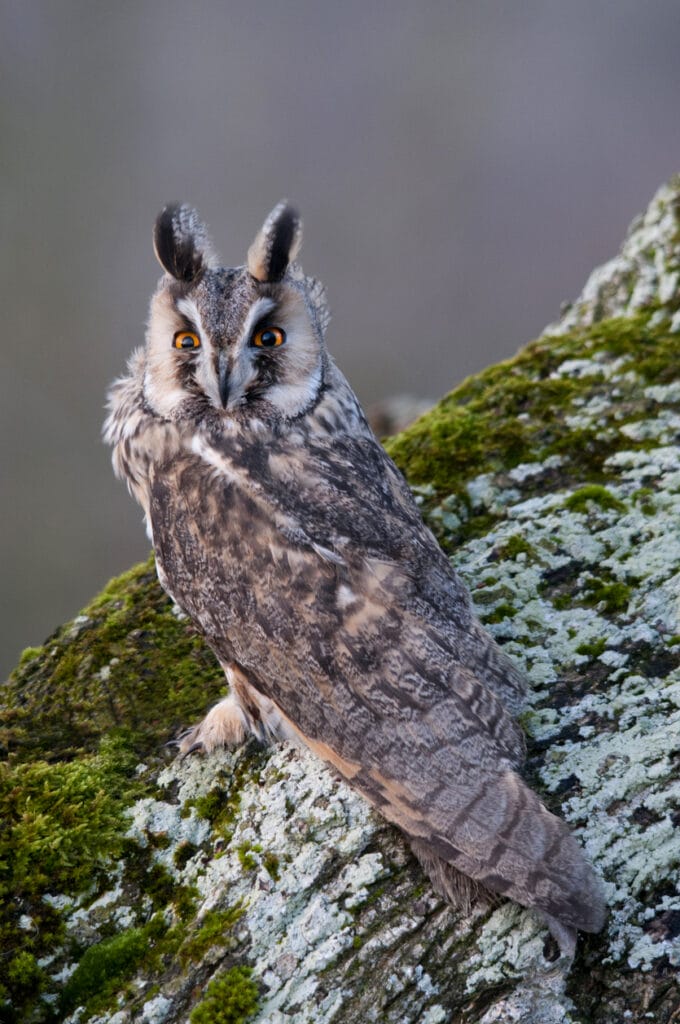
The Long-eared Owl (Asio otus) is named for its conspicuous, long ear tufts, which, while reminiscent of the Great Horned Owl, are considerably shorter and more delicate. This has led to them sometimes being referred to as "Lesser Horned Owls." Beyond their distinctive tufts, they possess dark, intricately patterned plumage, striking pumpkin-colored facial discs, and large, intelligent yellow eyes.
These owls are uncommon visitors to Virginia, typically appearing in the northern parts of the state during the winter months. Their preferred habitats are densely vegetated open areas, including shrublands, grasslands, orchards, farmlands, and gardens. They are adept at roosting high in tall trees, where their camouflage allows them to blend with the bark, making them exceptionally difficult to locate.
Despite their rarity in Virginia, Long-eared Owls are considerably easier to find than Snowy Owls due to their more predictable winter presence. They are also among the more vocal owl species, capable of producing over 200 distinct sounds, ranging from squeals and hoots to whines, meows, and barks. The vocalizations of male Long-eared Owls are particularly resonant, with their calls capable of being heard up to a mile away. Their diet primarily consists of small rodents and other small mammals, which they hunt under the cover of darkness.
The Short-eared Owl: A Diurnal Hunter of Open Fields
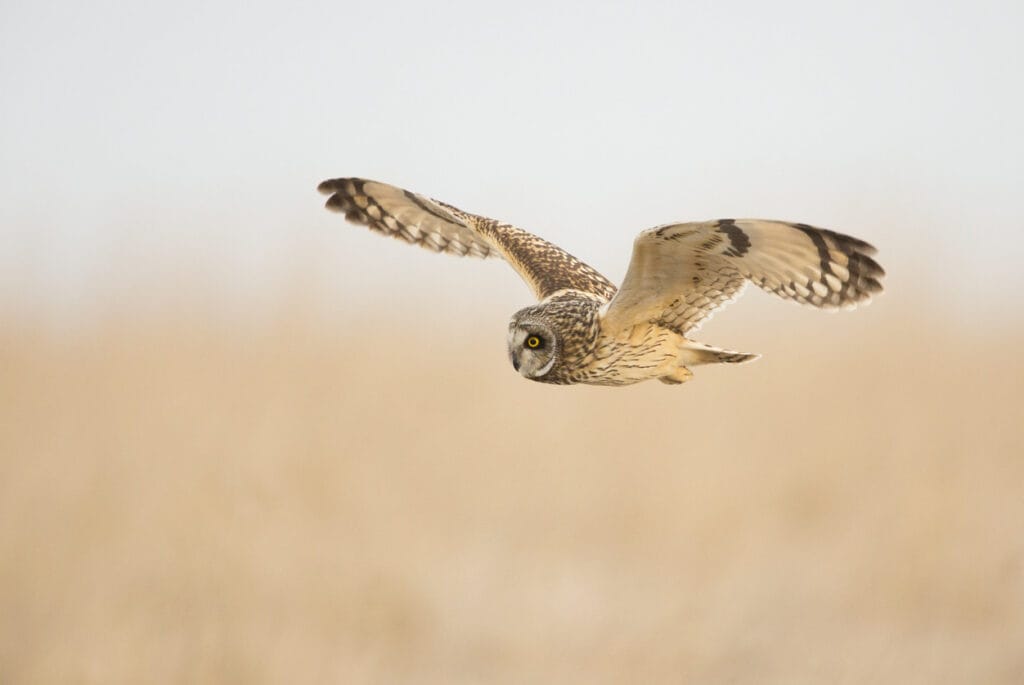
The Short-eared Owl (Asio flammeus) is a fascinating species that, despite its rarity in certain regions, boasts an impressively extensive global range, including occurrences throughout Virginia. Unlike many of their owl kin, Short-eared Owls are diurnal, meaning they are active hunters during both day and night. This diurnal behavior, coupled with their preference for open habitats, makes them one of the more observable owl species in areas where they are present.
These owls are typically found in open areas such as grasslands, farmlands, and marshes, often perching on low tree limbs or even on the ground. A unique characteristic of the Short-eared Owl is its nesting behavior; they construct their nests on the ground. Females create a shallow scrape, which they then line with soft materials like grass stems, herb stalks, and their own downy feathers. Their breeding season typically spans from March through June.
The plumage of the Short-eared Owl is often described as "flame-colored," a characteristic reflected in its scientific name, Asio flammeus. Their ear tufts are usually held flat against their round heads but can be raised when the owl feels threatened or wants to intimidate another animal. While generally quiet, their calls during the breeding season can sound surprisingly like the vocalizations of small cats or dogs. Their diet consists mainly of small mammals and rodents, including voles, lemmings, pocket mice, and rabbits, supplemented by small birds and insects. Their ground-hunting strategy involves patiently observing from perches before pouncing on unsuspecting prey.
The Ghostly Barn Owl: A Familiar Yet Ethereal Presence
The Barn Owl (Tyto alba) is one of Virginia’s most familiar and enduring year-round residents. These owls are instantly recognizable by their striking, heart-shaped facial disc, which gives them an almost "ghostly" appearance. Their plumage is a delicate blend of mottled tawny-gray feathers, and their large, dark eyes contribute to their unique and somewhat eerie allure.
This distinctive appearance has led to a range of nicknames, from the more benign "Monkey Owl" and "Ghost Owl" to the more ominous "Demon Owl" and "Death Owl." However, many find their appearance to be surprisingly beautiful and sophisticated, even as they engage in their nocturnal hunts.
Barn Owls exhibit a remarkable adaptability in their roosting and nesting habits. While they breed throughout the year in Virginia, their primary breeding season occurs from February to June. During the colder months, they seek refuge in warm, sheltered locations such as juniper thickets, straw bales, church steeples, chimneys, barn lofts, and cliff faces. Unlike many bird species, Barn Owls do not construct elaborate nests; instead, they seek out level or concave surfaces upon which to lay their eggs.
Their diet is highly specialized, with cotton rats, house rats, and young rabbits constituting an astonishing 95% of their food intake. This reliance on rodents makes them invaluable allies in natural pest control. Despite their size, Barn Owls are generally docile creatures and rarely pose a threat to humans. When confronted by larger predators, their instinct is to flee rather than fight. Their hunting strategy involves silent, swooping flights over open terrain in pursuit of prey during the night.
The Tiny Northern Saw-whet Owl: A Miniature Marvel
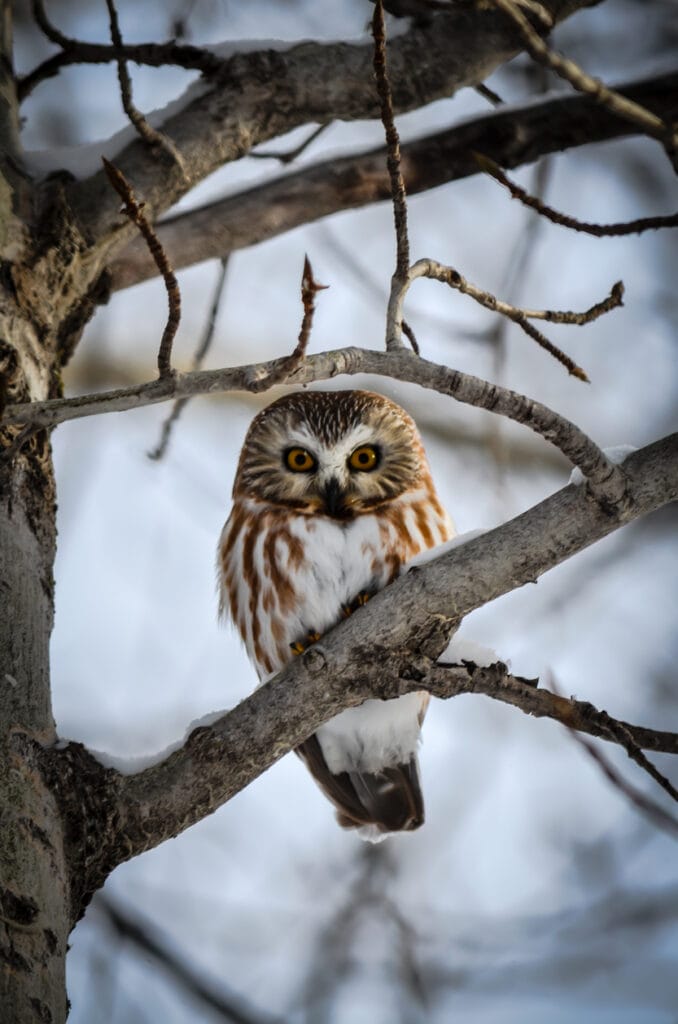
The Northern Saw-whet Owl (Aegolius acadicus) holds the distinction of being one of the smallest owl species found in Virginia. Measuring less than 10 inches in height, these diminutive raptors possess adorably oversized heads, fluffy bodies, and large, striking yellow eyes that give them a cat-like appearance. Their heart-shaped faces further enhance their endearing charm, often leading them to be considered among the cutest owl species.
While their appearance might suggest a gentle nature, their warning calls are anything but. When startled or during mating season, they emit a series of high-pitched screeches that have been likened to the sound of a saw being whetted, which is how they earned their name. Despite these sounds, their overall appeal remains high due to the limited occasions on which they vocalize.
Virginia is primarily visited by non-breeding populations of Northern Saw-whet Owls. Their diminutive size and exceptional camouflage make them incredibly difficult to spot, even for experienced ornithologists and conservationists. Their presence is often detected through their unique vocalizations during specific times of the year.
For those hoping to catch a glimpse of this miniature marvel, seeking them out in oak woodlands, coniferous forests, or streamside woodlands is recommended, as these are the habitats they most frequently occupy. Like most owls, their diet is opportunistic, but due to their small stature, they are limited to preying on small rodents such as mice and voles, as well as insects and tiny birds.
The Vocal Barred Owl: A Distinctive Call in Diverse Habitats
The Barred Owl (Strix varia) is a prominent and easily recognizable owl species in Virginia, found in a wide range of habitats, including evergreen forests, swamps, and uplands. They are particularly noted for their distinctive "who cooks for you? who cooks for you all?" call, a haunting melody that often echoes through the wetlands and woodlands they inhabit. This distinctive vocalization, coupled with their striking white-and-brown barred plumage, makes them a memorable avian resident.
A key characteristic that sets the Barred Owl apart from many other owl species is its diurnal nature. Unlike most owls that are strictly nocturnal, Barred Owls are active hunters during both the day and night. This trait significantly increases their chances of being spotted by observers, making them one of the most easily observed owls in Virginia.
Physically, Barred Owls possess large, round eyes, fluffy, heart-shaped faces, and prominent "barred" feather patterns across their bodies. They have short tails and stocky builds. Their migratory patterns are generally limited; they tend not to travel far from their established territories. This means that an individual Barred Owl observed in a particular location is likely to remain in that vicinity for extended periods, allowing for repeat sightings.

The diet of the Barred Owl is diverse, consisting primarily of small mammals like mice, rats, and squirrels. They are also known to consume snakes and other invertebrates. When the opportunity arises, they will also hunt fish from lakes and swamps. While generally considered one of the more approachable owl species, Barred Owls are fiercely territorial, especially during their nesting season. They will actively defend their territory by hooting loudly and, if necessary, will strike intruders with their formidable claws.
Final Thoughts on Virginia’s Owl Diversity
Virginia’s rich wildlife heritage is beautifully represented by its eight distinct owl species. From the widespread and iconic Great Horned Owl and Barn Owl to the elusive and specialized Long-eared and Snowy Owls, each species contributes to the ecological balance and natural wonder of the Commonwealth. Understanding their unique habitats, behaviors, and calls is crucial for appreciating their presence and ensuring their continued survival.
The varying distributions and behaviors of these owls—some being year-round residents found across most regions, while others are seasonal visitors or appear only under specific circumstances—underscore the importance of habitat preservation and mindful observation. As with all wildlife, maintaining a respectful distance is paramount for both the safety of the observer and the well-being of the owl. By learning about these magnificent creatures, we foster a deeper connection to the natural world and a greater commitment to its conservation.
Frequently Asked Questions About Virginia’s Owls
What is the most common owl in Virginia?
The Great Horned Owl and the Barn Owl are generally considered the most common owl species found throughout Virginia, owing to their adaptability and widespread distribution across various habitats.
Where can I find out more about local owl sightings in Virginia?
For up-to-date information on owl sightings and distribution in Virginia, resources like eBird are invaluable. This platform allows users to search for recent observations, track specific species, and explore what owls have been reported in particular areas, providing a valuable tool for birdwatchers and researchers alike.

