


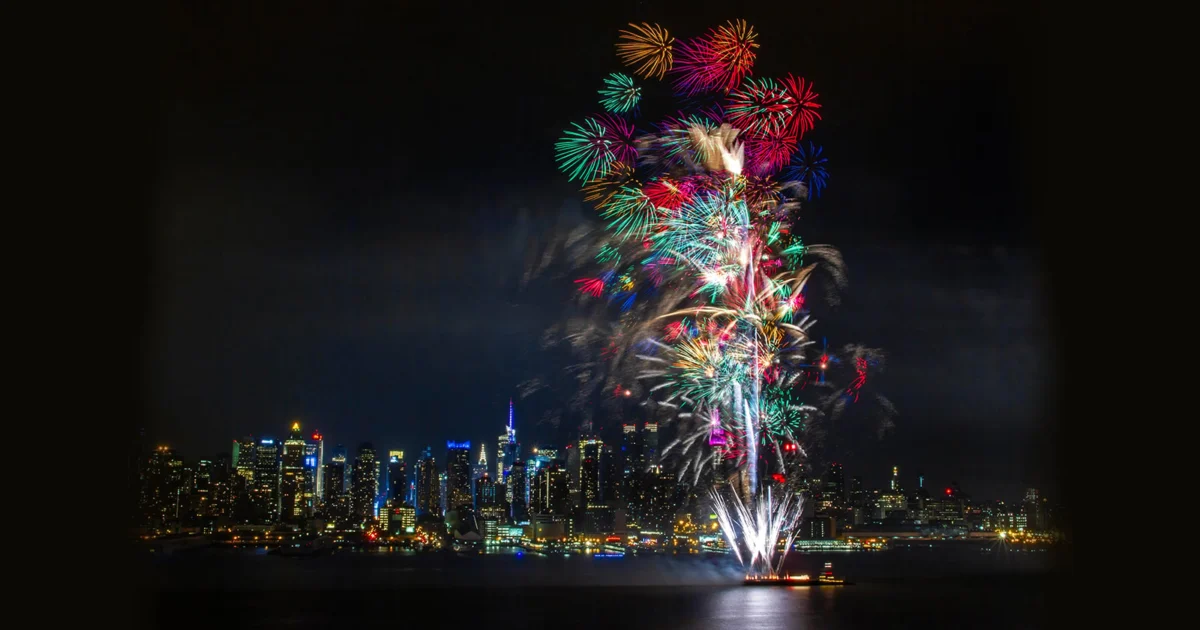
The annual tradition of pyrotechnic displays presents a complex set of challenges for photographers, demanding a sophisticated understanding of light management, timing, and compositional balance. While the standard long-exposure photograph has become the ubiquitous representation of fireworks, modern advancements in digital sensor technology and post-processing software have opened new avenues for creative interpretation. Beyond the basic documentation of light trails, professional photographers are increasingly employing specialized techniques to capture the intricate geometry of explosions, the environmental context of the celebration, and the high-energy chaos of grand finales without the interference of atmospheric smoke. By shifting the focus from simple observation to intentional artistic expression, these methods allow for a more dynamic and personalized portfolio of images that transcend traditional holiday snapshots.
The Evolution of Pyrotechnic Documentation
The history of fireworks photography has mirrored the evolution of the camera itself. In the era of film, photographers were limited by the physical properties of the medium, often relying on "blind" exposures and manual calculations to ensure highlights were not blown out. The transition to digital photography introduced the ability to review results in real-time, yet the fundamental struggle remains the same: how to balance the extreme brightness of a magnesium-fueled burst against the deep shadows of a night sky. According to industry data from the American Pyrotechnics Association, the complexity of professional displays has increased significantly over the last decade, with computer-fired sequences now allowing for millisecond precision. This evolution in the displays themselves requires a corresponding evolution in photographic technique.
High-Speed Freeze: Capturing the Structural Anatomy of Light
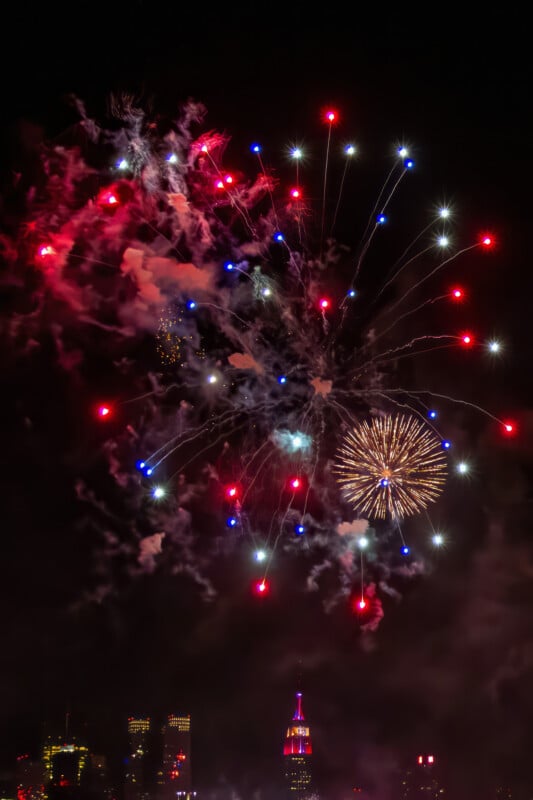
While long exposures of three to ten seconds are the industry standard for capturing the "bloom" of a firework, they often sacrifice the fine, needle-like details of the chemical reaction. The high-speed freeze technique utilizes shutter speeds between 1/250 and 1/1000 of a second to arrest the motion of the burning pellets, known as "stars," as they exit the shell. This approach reveals the delicate textures and crystalline patterns that are typically lost in a blur of light.
To execute this effectively, the camera must be set to a wider aperture, typically between f/2.8 and f/5.6, to compensate for the brief exposure time. Because the light is only hitting the sensor for a fraction of a second, an ISO increase to 400 or 800 is often necessary. This technique requires exceptional timing; the photographer must anticipate the "break"—the moment the burst charge ignites—to capture the shell at its maximum diameter. The use of continuous burst mode is highly recommended here, as it allows for a sequence of frames that can be culled for the most symmetrical and structurally sound composition.
Pull-Focus Photography: The Painterly Abstract
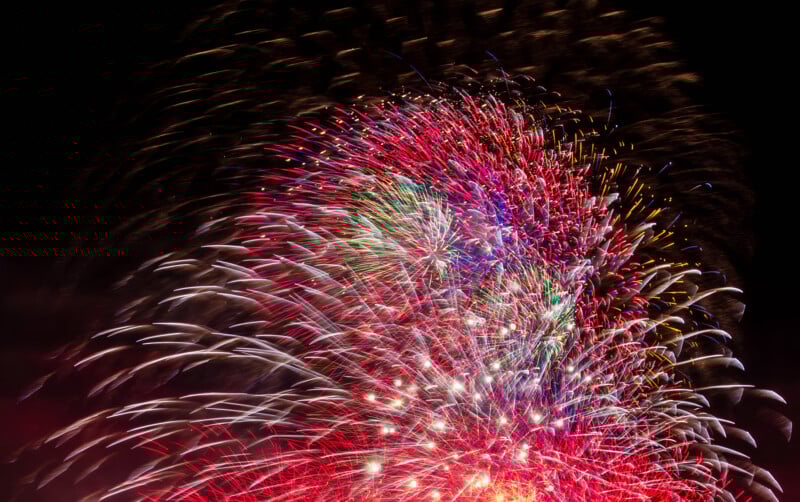
A more avant-garde approach to pyrotechnics involves the intentional manipulation of the lens’s focus ring during a long exposure. Known as "pull-focus" or "rack-focus" photography, this method transforms sharp points of light into expanding or contracting orbs of color. By starting the exposure with the lens slightly out of focus and rotating the ring toward sharpness—or vice versa—the photographer creates a "blooming" effect that mimics the physical growth of the firework itself.
This technique is most effective with an aperture of f/11 or f/16, which provides enough depth of field to ensure the colors remain saturated rather than washed out. The resulting images often resemble abstract paintings or biological organisms, offering a departure from literal representation. Photographers who utilize this method report that it requires a high degree of trial and error, as the speed of the focus pull must be synchronized with the duration of the firework’s burn.
Environmental Context and Wide-Angle Storytelling
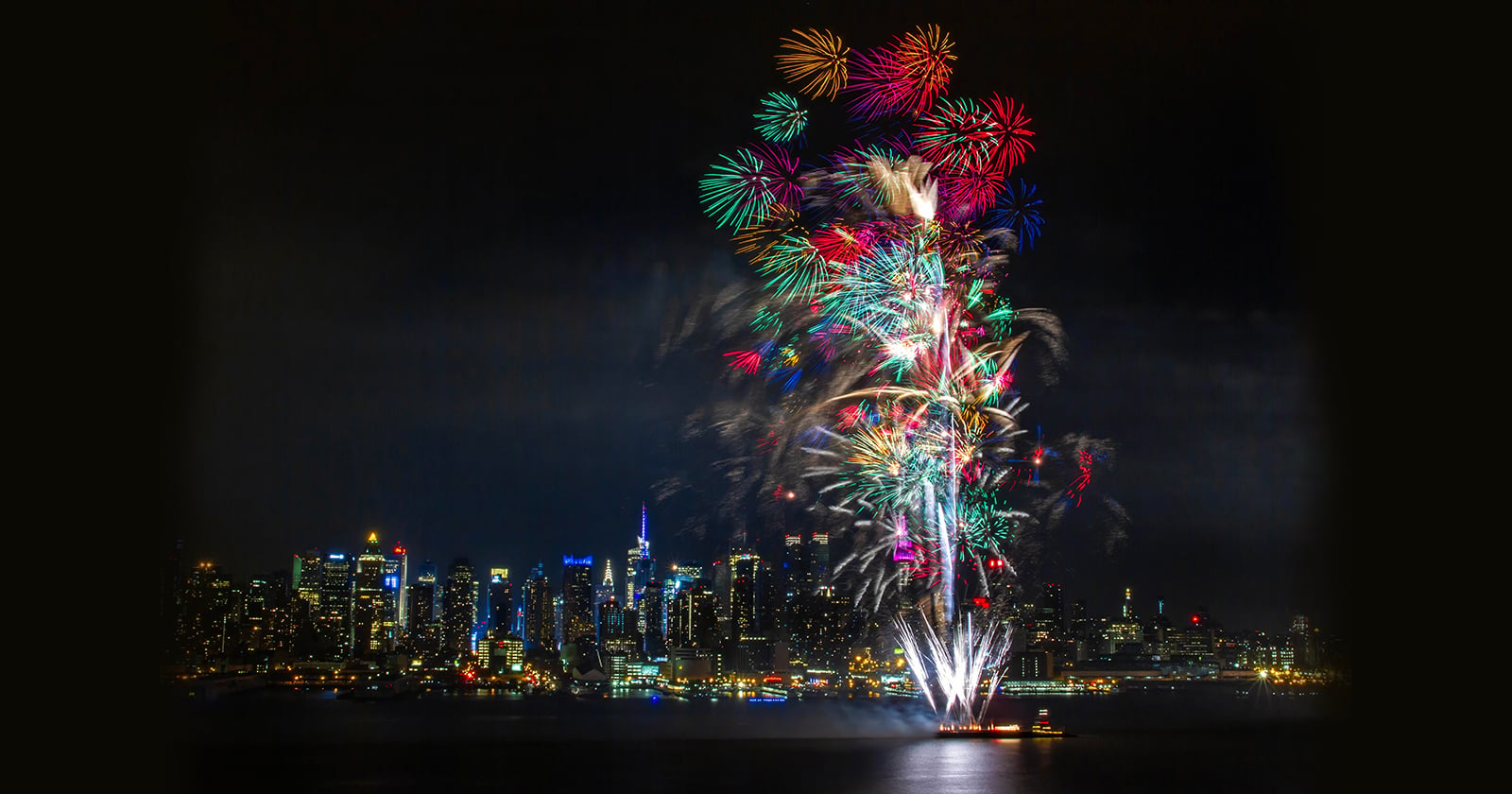
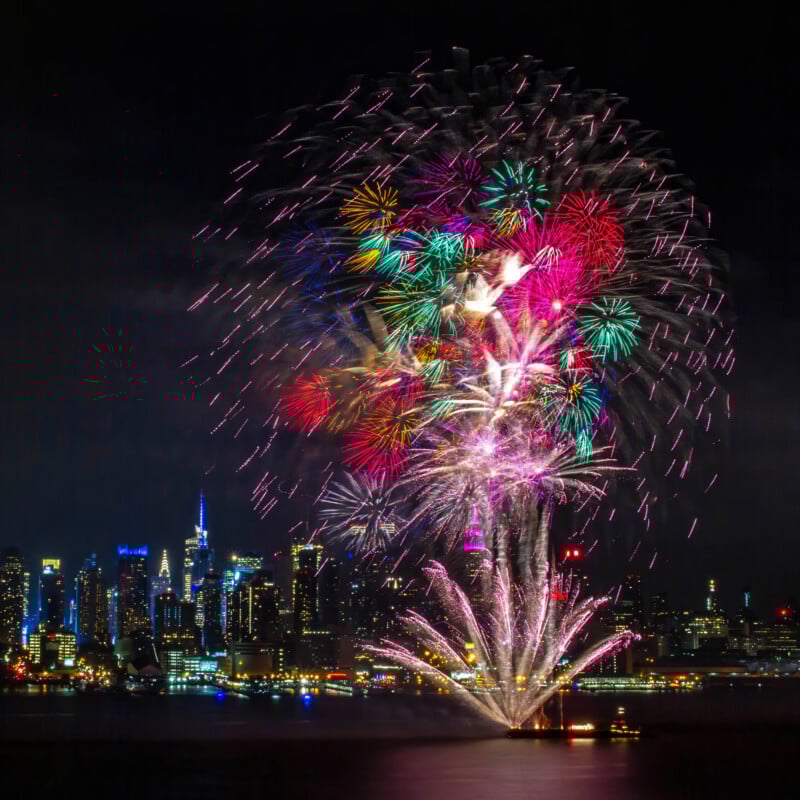
One of the most common critiques of fireworks photography is the lack of "sense of place." A burst of light against a black sky could be captured anywhere in the world. To combat this, professional photographers emphasize the importance of wide-angle storytelling, incorporating recognizable landmarks, city skylines, or even the silhouettes of the gathered crowd.
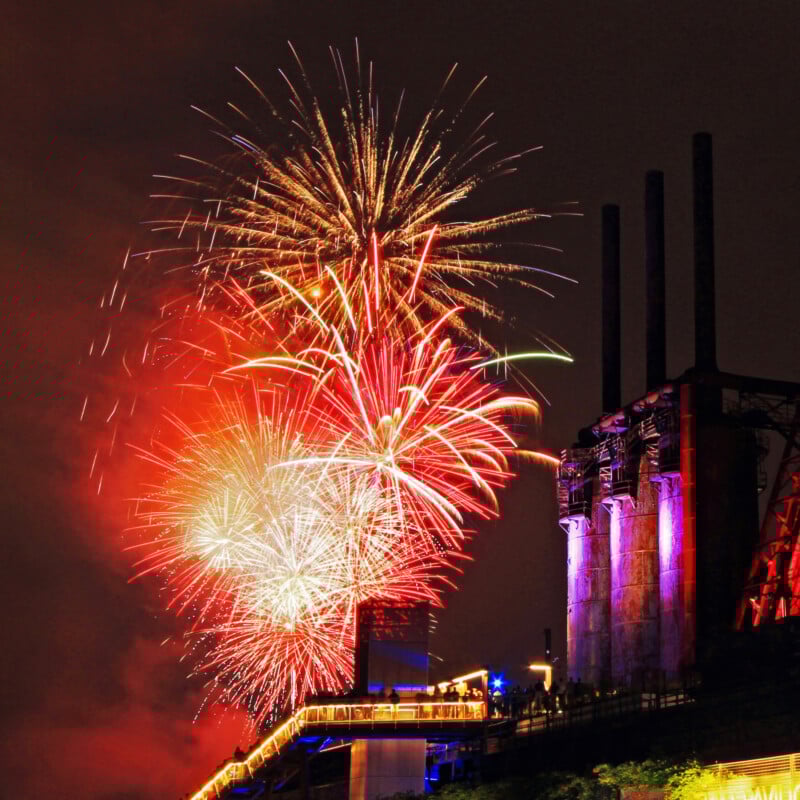
The inclusion of static elements like the Empire State Building in New York City or the industrial silhouettes of the Steel Stacks in Bethlehem, Pennsylvania, provides scale and historical context. This requires a balanced exposure that captures both the luminosity of the fireworks and the ambient light of the city. Typically, an aperture of f/8 to f/11 is used to maintain sharpness from the foreground to the horizon. This method also allows for the capture of reflections on water bodies, which effectively doubles the visual impact of the display. Data suggests that images containing recognizable landmarks have a significantly higher engagement rate in editorial and commercial markets compared to isolated bursts.
Multi-Exposure Stacking: Solving the Smoke Accumulation Problem
A significant technical hurdle during any major fireworks display is the accumulation of smoke. As the show progresses, particularly during the grand finale, the air becomes thick with particulate matter that reflects light, creating a hazy, low-contrast background that obscures subsequent bursts. Digital image stacking offers a modern solution to this problem, borrowed from the field of astrophotography.

Instead of a single 30-second exposure that would capture all the accumulated smoke, the photographer takes a series of shorter, cleaner exposures (one to four seconds each). In post-processing, these images are layered in software such as Adobe Photoshop. By setting the blending mode to "Lighten," the software only displays the brightest pixels from each layer. This allows the photographer to "build" a grand finale in a clean digital environment, selecting only the most vibrant bursts while discarding the frames heavily impacted by smoke. This technique results in a "cleaner" final image that maintains high contrast and color fidelity.
The Manual "Black Card" Technique: A Legacy Approach
Before the advent of digital stacking, photographers used a physical method to manage multiple bursts in a single frame. This involves setting the camera to "Bulb" mode and using a piece of black cardstock or a gloved hand to cover the lens between explosions. This acts as a secondary, manual shutter.
During a 30- to 60-second exposure, the photographer uncovers the lens only when a firework is at its peak, then recovers it immediately after the trails begin to fade. This prevents the sensor from recording the "dead air" or smoke between bursts, allowing for a densely packed composition that remains properly exposed. This technique is particularly favored by purists who prefer to achieve their final results in-camera. It requires a steady hand and a heavy tripod to avoid introducing camera shake when moving the cardstock.
Technical Data and Industry Analysis
The demand for high-quality pyrotechnic imagery has seen a steady incline, corresponding with the growth of the global fireworks market. According to market research, the global pyrotechnics industry was valued at approximately $2.5 billion in 2023, with a projected compound annual growth rate (CAGR) of 4.2% through 2030. As displays become more elaborate, incorporating drone swarms and synchronized LED lighting, photographers are forced to adapt their settings to handle multiple light temperatures and intensities.

From a technical standpoint, the "dynamic range" of a modern full-frame sensor is the photographer’s greatest asset. High-end sensors can now capture up to 15 stops of light, allowing for the recovery of detail in both the bright white core of a firework and the dark shadows of the surrounding landscape. However, the heat generated by long exposures can introduce "thermal noise," making techniques like multi-exposure stacking not just an artistic choice, but a technical necessity for maintaining image quality.
Broader Impact and the Future of the Craft
The shift toward these five techniques reflects a broader trend in professional photography toward "computational" and "intentional" image-making. As smartphone technology continues to automate basic long-exposure photography, professional artists must differentiate their work through technical complexity and unique perspectives.
The implications of these techniques extend beyond holiday celebrations. The skills honed during a fireworks display—anticipating movement, managing extreme contrast, and mastering manual focus—are directly transferable to other high-stakes genres, such as lightning photography, concert coverage, and night-time sports. Furthermore, as environmental regulations regarding air quality become stricter, the "smoke-free" digital stacking method may become the only way to document large-scale displays in certain urban environments where atmospheric conditions are less than ideal.
Ultimately, the mastery of fireworks photography lies in the balance between technical precision and the willingness to experiment. By moving beyond the "safety" of standard settings and embracing methods like high-speed freezes or the black card technique, photographers can capture the true essence of a pyrotechnic spectacle: a fleeting, violent, and beautiful intersection of chemistry and art. Through these advanced methods, a firework show is no longer just a subject to be recorded, but a canvas upon which a photographer can project their own creative vision.

