



Published On: February 21, 2026
Last Updated On: February 22, 2026
The winter months, while a period of retreat and warmth for many, can pose a silent and insidious threat to the health of indoor companion birds: the often-overlooked issue of calcium depletion exacerbated by insufficient exposure to direct sunlight or appropriate artificial UVB light. This pervasive problem can lead to a cascade of physiological and behavioral changes, ranging from subtle signs like a weaker perch grip and dull feathers to severe neurological symptoms that can jeopardize a bird’s life. This guide serves to inform bird owners about the critical link between winter light loss, vitamin D3 synthesis, and calcium absorption, offering a comprehensive understanding of the risks and actionable strategies for prevention and intervention.
The Silent Threat of Winter: Understanding Light Deprivation
For many indoor birds, the transition from longer, brighter days to the shorter, often overcast days of winter brings a significant reduction in vital light exposure. While ambient indoor lighting may seem sufficient to the human eye, it fundamentally lacks the specific wavelengths of ultraviolet B (UVB) radiation that are crucial for avian health. Unlike humans, birds have a unique physiological requirement for UVB light to synthesize vitamin D3 in their skin. This vitamin, often referred to as the "sunshine vitamin," is not merely a supplement but a critical hormone precursor that governs the absorption and utilization of dietary calcium. Without adequate UVB, even a bird consuming a meticulously balanced diet rich in calcium will be unable to properly absorb and utilize this essential mineral, leading to a state of functional calcium deficiency.
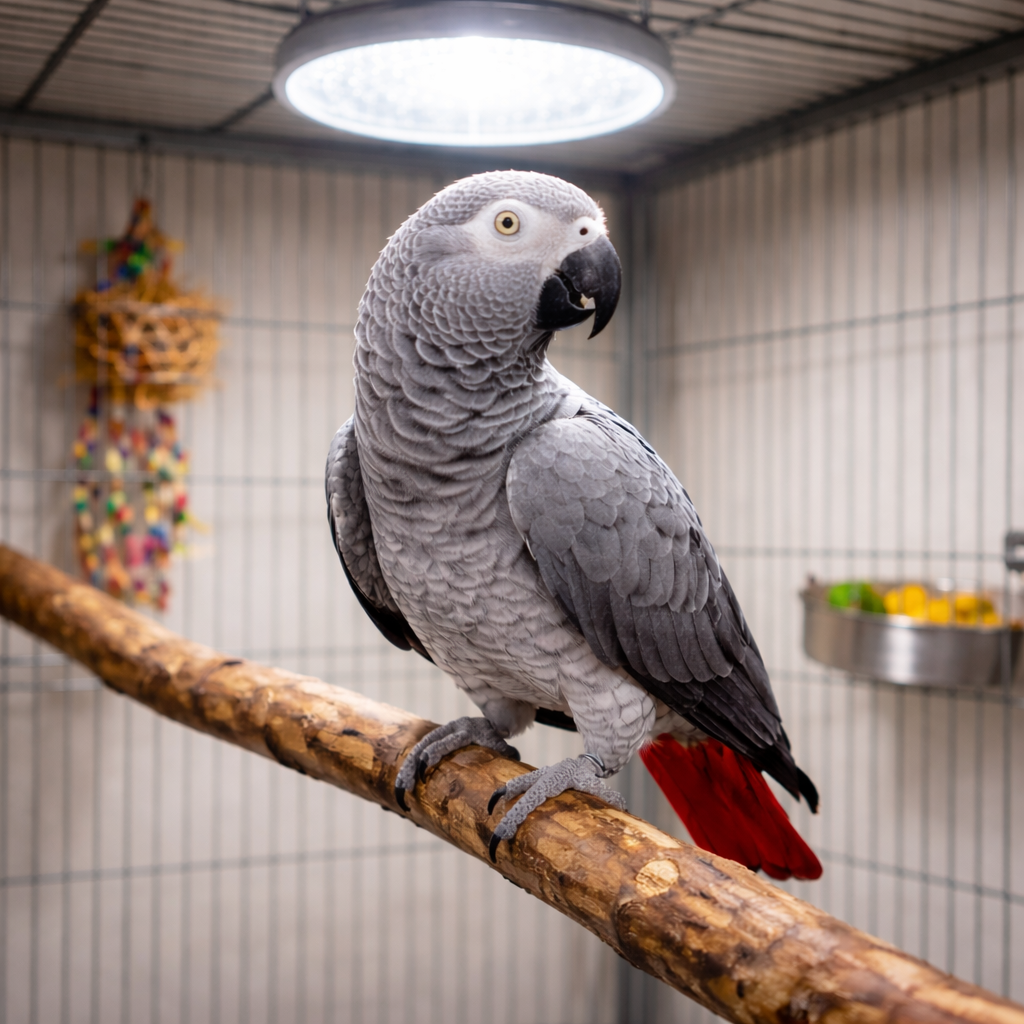
This issue is particularly pronounced in winter when birds spend more time indoors, and opportunities for safe, direct sun exposure are limited. Glass windows, while allowing visible light to pass through, effectively filter out the beneficial UVB rays, rendering them useless for vitamin D3 synthesis. Consequently, birds kept exclusively indoors without supplemental full-spectrum UVB lighting can gradually develop a silent depletion of their calcium reserves over weeks or months, often before overt symptoms become apparent to their caregivers. This delayed manifestation underscores the urgency of proactive measures rather than reactive responses.
Physiological Impact: The D3-Calcium Axis
The biological pathway is straightforward yet profoundly impactful: UVB light strikes the bird’s skin, triggering the conversion of a cholesterol precursor into pre-vitamin D3, which is then metabolized into active vitamin D3 (calcitriol). Calcitriol then acts on the intestines, facilitating the absorption of calcium from food. It also plays a vital role in regulating calcium and phosphorus levels in the blood, influencing bone mineralization, muscle contraction, nerve transmission, and various metabolic processes.
When this intricate system is compromised by a lack of UVB light, the cascade breaks down. Insufficient vitamin D3 means that dietary calcium, no matter how abundant, largely passes through the digestive tract unabsorbed. The bird’s body, in an attempt to maintain critical physiological functions such as heart rhythm and muscle movement, begins to draw calcium from its primary reservoir: the bones. This process, known as bone resorption, leads to a gradual weakening of the skeletal structure, making bones brittle and susceptible to fractures. Furthermore, the broader disruption of calcium homeostasis impacts the nervous system, muscle function, and even feather quality, manifesting in a range of symptoms that can easily be misattributed to other issues or dismissed as seasonal quirks.
Recognizing the Signs: A Diagnostic Guide for Pet Owners

Identifying calcium depletion early is paramount. While a definitive diagnosis requires veterinary assessment, attentive owners can observe several key indicators that signal a potential problem. These signs often emerge subtly and progress over time, making consistent observation crucial.
- Neuromuscular Weakness: One of the earliest and most telling signs is a noticeable decline in neuromuscular strength. Birds may exhibit:
- Weaker Perch Grip: Sliding on perches, struggling to maintain a firm grip, or frequently repositioning their feet.
- Reduced Flight Ability/Coordination: Shorter, weaker flights; difficulty landing gracefully; or a general reluctance to fly.
- Tremors or Seizures: In advanced stages, involuntary muscle twitching, head bobbing, or full-blown seizures are critical red flags indicating severe calcium deficiency, often requiring immediate veterinary intervention.
- Behavioral Changes: Magnesium and calcium imbalances significantly impact the nervous system, leading to altered behavior:
- Increased Irritability/Reactivity: A shorter fuse, increased nipping, or uncharacteristic aggression.
- Excessive Shredding/Feather Destructive Behavior: While many factors contribute to feather destructive behaviors, nutritional imbalances, particularly mineral deficiencies, can heighten nervous system excitability and contribute to anxiety, leading to such actions.
- Lower Activity Levels: A general lethargy, reduced playfulness, or prolonged periods of inactivity.
- Feather Quality and Molt Issues: Vitamin D3’s role in overall metabolic health extends to feather follicle integrity:
- Dull or Faded Feathers: A lack of vibrancy, even after a recent molt.
- Stress Bars: Horizontal lines or bands across feathers, indicative of periods of nutritional stress during feather growth.
- Delayed or Abnormal Molt: A prolonged or incomplete molting process.
- General Appearance:
- Slouched Posture: A bird that appears less alert, with a hunched or slouched posture, compared to the typically upright and alert stance of a healthy bird.
- Dull Eyes: Lack of the bright, inquisitive gaze characteristic of a healthy bird.
Expert Verdict on Observable Symptoms:
| If the bird is… | Expert Verdict

