


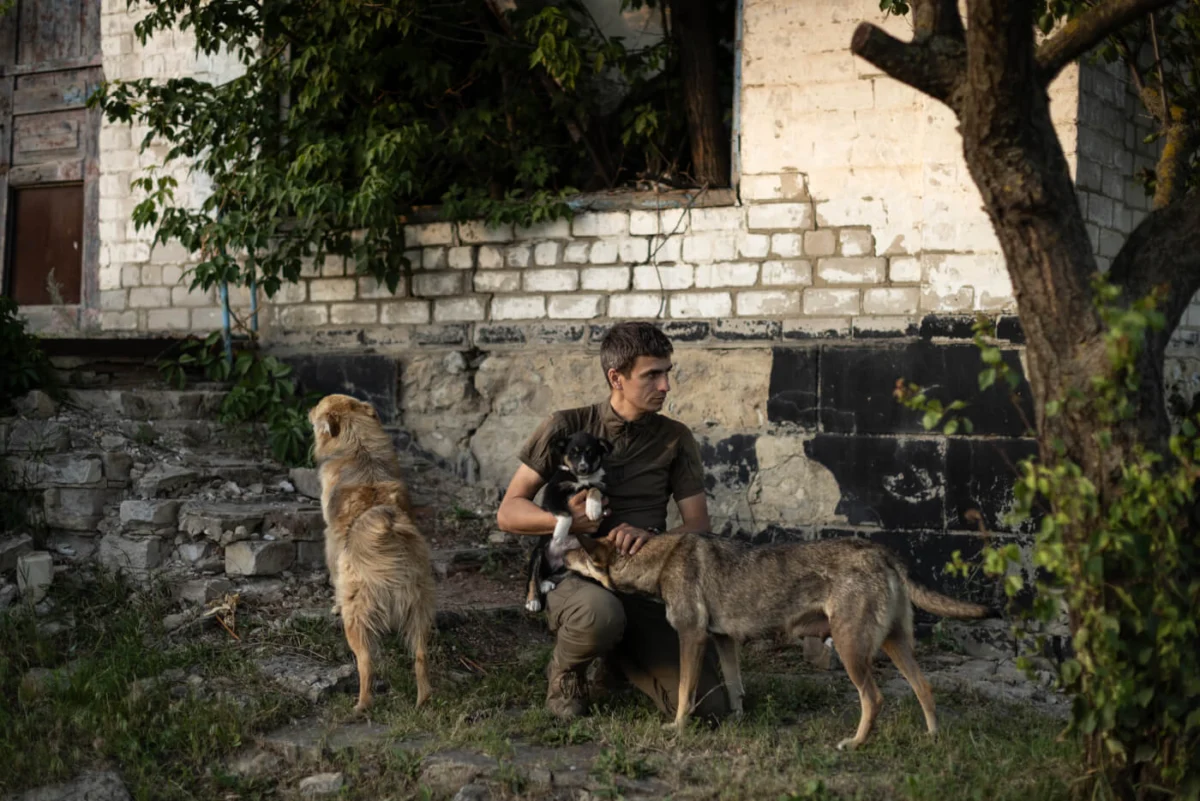
The ongoing conflict in Ukraine has created a humanitarian crisis of historic proportions, but beneath the headlines of geopolitical shifts and military maneuvers lies a secondary, often overlooked tragedy: the plight of millions of domestic and farm animals abandoned in the wake of the violence. Since the full-scale invasion began in February 2022, the landscape of eastern and southern Ukraine has been transformed into a zone of peril for creatures that once relied on human companionship for survival. Amid this devastation, Animal Rescue Kharkiv (ARK), supported by PETA’s Global Compassion Fund, has emerged as a primary lifeline for the animals left behind. As of June 2026, these organizations have successfully moved more than 32,500 animals to safety, navigating one of the most dangerous environments on earth to uphold a moral commitment to all living beings.
The Humanitarian-Animal Nexus: A Background of Displacement
When the conflict escalated, millions of Ukrainian citizens were forced to make impossible choices within minutes of the first explosions. While many fled with their pets, the logistical realities of mass evacuation—overcrowded trains, closed borders, and destroyed infrastructure—meant that thousands of animals were inadvertently left behind. In rural areas and the outskirts of major cities like Kharkiv, the situation was particularly dire. Dogs, often kept on chains or in outdoor kennels according to local tradition, found themselves unable to flee as shells rained down on their neighborhoods.
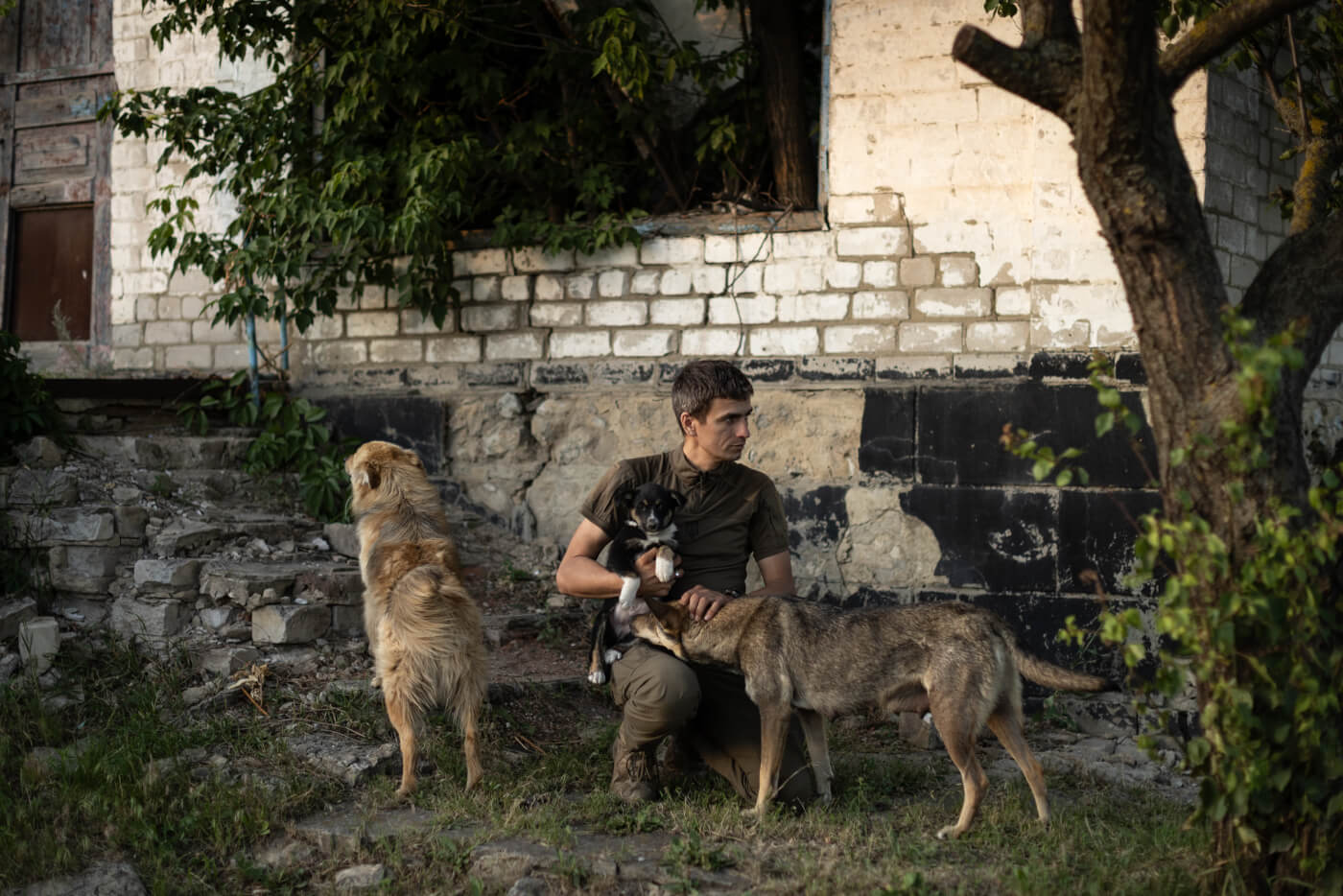
The psychological impact on these animals has been profound. Veterinary experts working with ARK report that rescued animals frequently exhibit signs of acute trauma similar to human post-traumatic stress disorder (PTSD). This includes hyper-sensitivity to loud noises, extreme lethargy or aggression, and a complete breakdown of social trust. The mission of rescue teams, therefore, extends beyond mere physical extraction; it involves a complex process of psychological rehabilitation designed to return these animals to a state where they can once again integrate into a domestic environment.
Chronology of the Rescue Mission: From Chaos to Coordination
The evolution of animal rescue efforts in Ukraine can be categorized into several distinct phases, each defined by the shifting front lines and the increasing sophistication of the rescue infrastructure.
Phase I: Immediate Crisis Response (February 2022 – late 2022)
In the initial months following the invasion, rescue efforts were largely ad hoc and driven by local volunteers. Ruslan Horbal, now the Head of Rescue Operations for ARK, was among those who recognized the immediate need for a structured response. During this period, rescuers focused on the "Red Zones" where active urban combat made every mission a gamble with life and death. The primary goal was the extraction of domestic pets from apartment buildings and abandoned yards.

Phase II: Strategic Partnership and Expansion (2023 – 2024)
With the backing of PETA’s Global Compassion Fund and PETA Germany, ARK was able to formalize its operations. This phase saw the introduction of armored or reinforced rescue vans and the establishment of the "Peace Sanctuary," a specialized facility designed to house animals saved from the front lines. The scope of the mission also expanded to include larger animals, such as horses, cows, and goats, which had been left to starve in bombed-out agricultural sectors.
Phase III: The Drone Era and Sustained Rehabilitation (2025 – June 2026)
The current phase of operations is characterized by heightened technological dangers. The proliferation of hostile drones has forced rescue teams to carry emergency defensive equipment and adopt military-grade tactical planning for every mission. Despite these risks, the focus has shifted toward long-term sustainability, including cross-border adoptions and a massive effort to reunite pets with their original guardians who have since relocated to other parts of Europe.
Operational Hazards: Navigating the Modern Battlefield
The physical environment in which ARK operates is one of "crumpled ribbons of asphalt" and collapsed bridges. Rescuers frequently traverse neighborhoods that have been leveled by artillery, where the air is thick with the smoke of ongoing fires and the dust of pulverized concrete. The logistical challenges are immense. Teams must often navigate around unexploded ordnance (UXO) and minefields to reach a single trapped dog or cat.
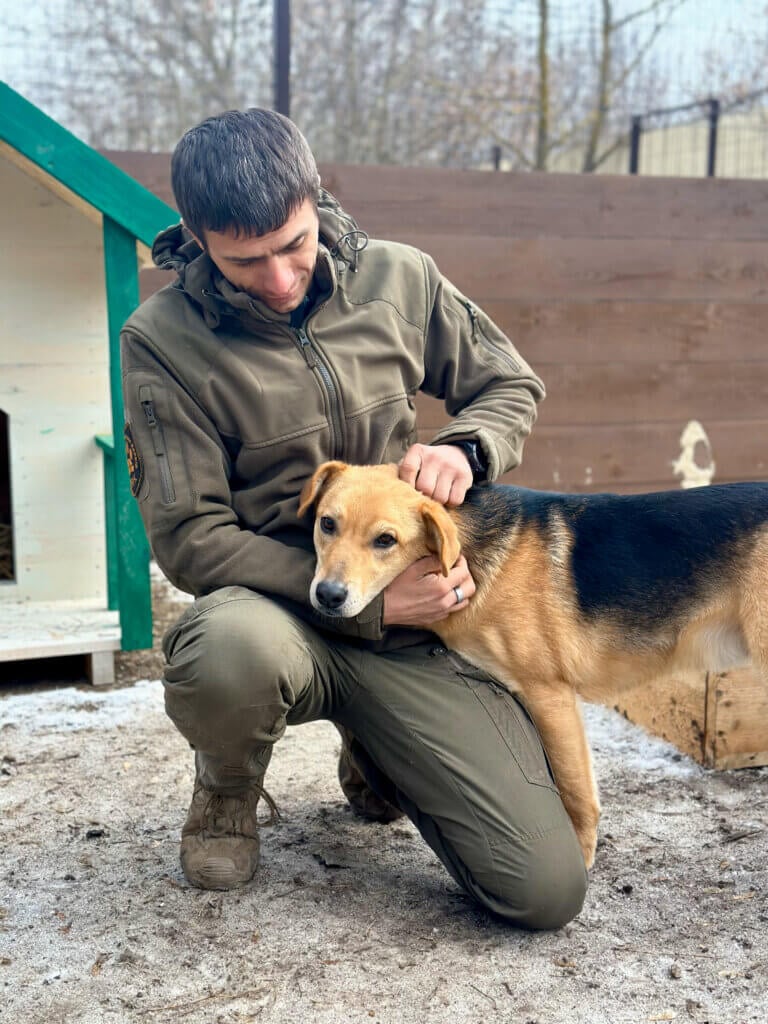
One of the most significant threats currently facing rescue teams is the use of FPV (First-Person View) drones. These devices, which circle overhead in conflict zones, often target any moving vehicle. This has necessitated the use of specialized camouflage and the timing of missions to coincide with periods of low visibility. Furthermore, the trauma of the animals themselves presents a physical risk to the rescuers. Many dogs, broken by the sound of explosions, do not recognize human hands as a source of safety. In these instances, rescuers must use gentle sedatives to safely transport the animals without causing further injury or distress.
Quantifying the Impact: Data and Statistics
The scale of the operation is reflected in the data provided by PETA and ARK. Since the inception of the partnership, the numbers tell a story of relentless effort:
- Total Animals Rescued: Over 32,500 across all species.
- Species Breakdown: While dogs and cats comprise the majority (approximately 70%), the teams have also saved hundreds of sheep, goats, horses, donkeys, pigs, and cows.
- Reunification Rate: Approximately 50% of rescued domestic pets have been successfully reunited with their original families.
- Sanctuary Capacity: The ARK Peace Sanctuary and associated clinics have been expanded to handle hundreds of medical cases simultaneously, providing everything from orthopedic surgery to behavioral therapy.
- Global Support: The Global Compassion Fund is funded entirely by private donations, illustrating a significant international consensus on the importance of animal welfare during wartime.
Official Responses and Philosophical Shifts
The work of ARK and PETA has sparked a broader conversation within Ukraine about the status of animals in society. Ruslan Horbal has noted a significant shift in cultural attitudes. Historically, in many rural Ukrainian villages, dogs were viewed as functional tools—guards meant to be kept on chains. However, the shared experience of the war has fostered a new sense of empathy.
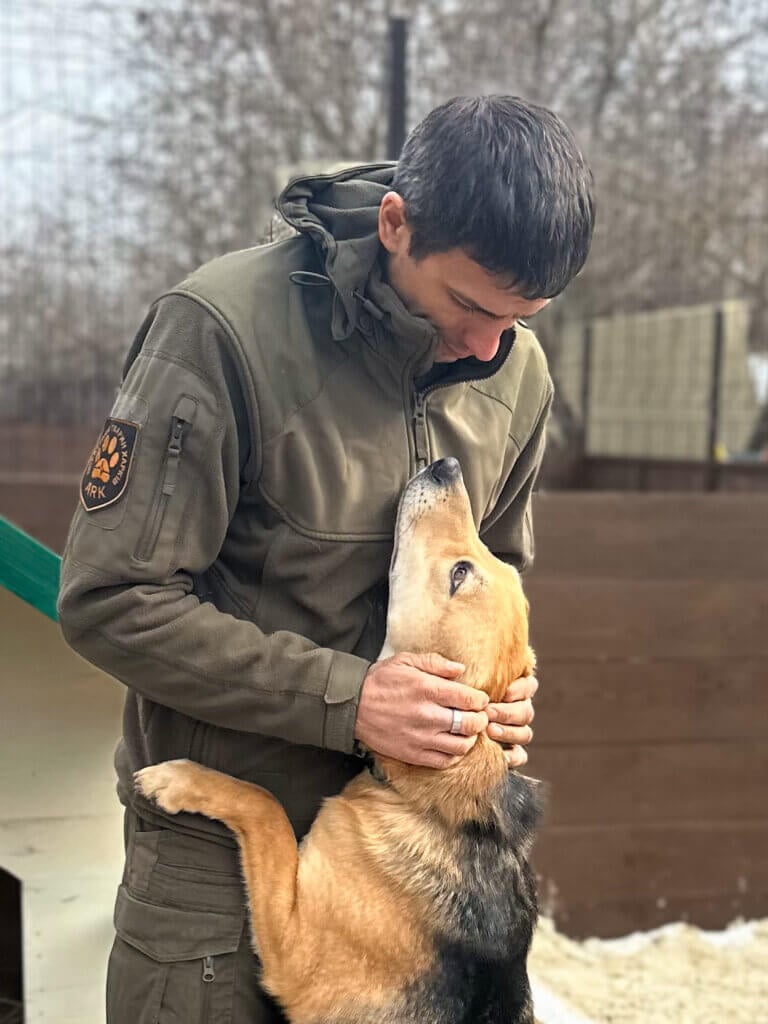
"As children, we are born with a natural empathy for animals," Horbal noted in a recent briefing. "The mindset of domination—the idea that some lives are of less value—is something that is learned. It is the same mindset that fuels war. By breaking the chains of these animals, we are also attempting to break a cycle of violence and indifference."
International observers have also weighed in. Representatives from PETA Germany have emphasized that the Ukrainian rescue mission is one of the largest and most complex animal welfare operations in history. They argue that the protection of animals in conflict zones is a vital component of "One Welfare," a concept that recognizes the interconnectedness of human, animal, and environmental health. When animals are cared for, it prevents the spread of zoonotic diseases and provides a psychological boost to the human population, offering a semblance of normalcy and compassion in an otherwise brutal landscape.
Broader Implications: Animal Welfare as a Pillar of Peace
The implications of these rescue efforts extend far beyond the borders of Ukraine. The ARK-PETA model provides a blueprint for how international NGOs can collaborate with local grassroots organizations to provide rapid-response aid in high-conflict environments. It demonstrates that animal welfare is not a "luxury" concern to be addressed only after human safety is secured, but rather a parallel necessity that reflects the moral health of a civilization.
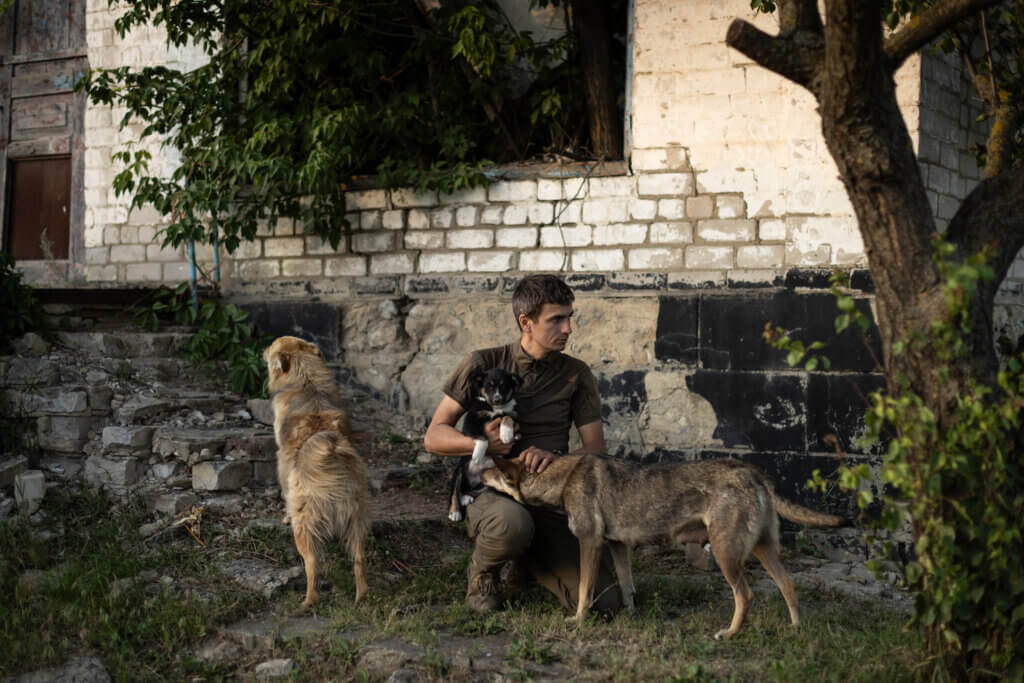
Furthermore, the successful reunification of thousands of pets with their families serves as a powerful tool for social cohesion. For many refugees, the loss of a pet was a final, devastating blow to their sense of home. Recovering that animal is often described as the first step in their own healing process.
As the conflict continues, the teams at Animal Rescue Kharkiv remain on the front lines. Their work is a testament to the resilience of the bond between humans and animals. In the face of drones, bombs, and leveled cities, the act of "washing the dust of war" from a dog’s coat becomes a profound act of defiance against the cruelty of conflict.
The long road to healing for Ukraine will involve the reconstruction of cities and the clearing of minefields, but it will also be defined by the kindness shown to the most vulnerable. Through the support of the Global Compassion Fund and the bravery of local rescuers, the thousands of animals who were once "left behind" are now being given a second chance at a life defined not by chains or explosions, but by comfort, freedom, and the enduring strength of human compassion.

