


The advancement of avian medicine reached a significant milestone on March 18, 2026, as veterinary practitioners and technicians gathered for a comprehensive webinar focusing on the critical intersection of foraging, environmental enrichment, and physiological health. Led by the esteemed Dr. M. Scott Echols, DVM, DABVP (Avian Practice), the session provided an in-depth analysis of how environmental variables—specifically light, radiation, and cognitive stimulation—influence the long-term health outcomes of captive avian species. This educational initiative, hosted by LafeberVet, was formally reviewed and approved by the American Association of Veterinary State Boards (AAVSB) Registry of Approved Continuing Education (RACE) program, offering one hour of continuing education credit to participants in participating jurisdictions.
The presentation underscored a paradigm shift in veterinary practice, moving beyond the treatment of acute illness toward a holistic model of behavioral and environmental management. As avian species remain among the most complex animals to maintain in a domestic setting, the webinar addressed the biological necessity of enrichment, providing clinicians with the tools needed to educate clients and improve the standard of care in exotic animal medicine.
The Evolution of Avian Behavioral Medicine
The historical approach to avian care often prioritized basic nutrition and sanitation, yet modern research indicates that these factors alone are insufficient for the psychological and physiological well-being of birds. Dr. M. Scott Echols, a recognized leader in avian surgery and anatomy, emphasized that the "clinical environment" extends far beyond the walls of a veterinary hospital. For captive birds, the home environment serves as the primary determinant of health.
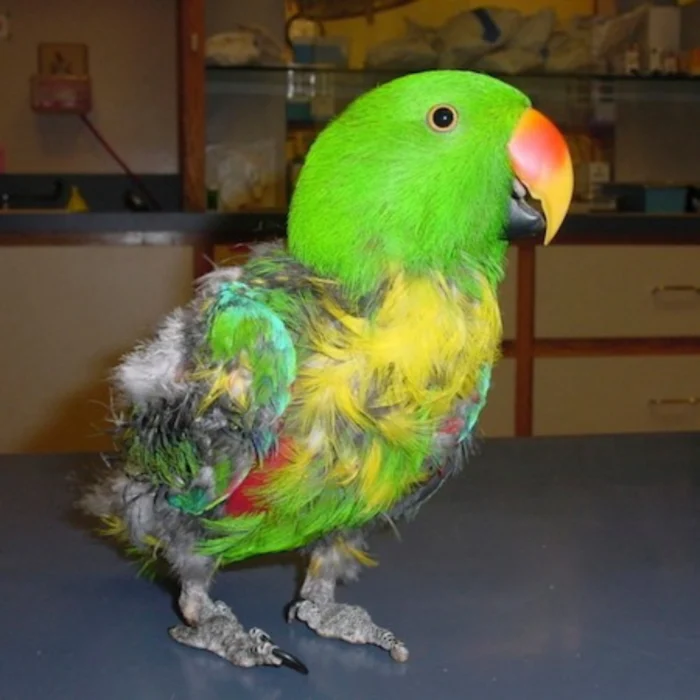
Central to the March 18 presentation was the concept of "contrafreeloading," a behavioral phenomenon where animals choose to perform work for food even when identical food is freely available. In the wild, parrots and other avian species spend between 40% and 60% of their waking hours foraging. When this instinctual drive is suppressed in a captive environment through the provision of "bowl-fed" diets, birds often develop stereotypic behaviors, including feather destructive behavior (FDB), excessive vocalization, and increased aggression.
The webinar provided a chronology of how foraging enrichment has evolved from simple "puzzle toys" to complex systems that mimic natural obstacles. By integrating these strategies, veterinarians can mitigate the stress-induced pathologies that frequently lead to clinical presentations.
The Physiological Role of Ultraviolet Radiation and Light
A significant portion of the session was dedicated to the technical aspects of light and ultraviolet (UV) radiation, specifically UVB. The keywords associated with the webinar—light, radiation, and ultraviolet—highlight a growing body of evidence suggesting that avian health is inextricably linked to light quality.
Birds possess highly sophisticated visual systems that perceive light in the ultraviolet spectrum, which is invisible to humans. The presentation detailed how the absence of appropriate UV lighting can lead to a range of medical issues:
- Vitamin D3 Synthesis: UVB radiation (specifically in the 290–315 nm range) is essential for the endogenous synthesis of Vitamin D3 in the uropygial gland and skin. This, in turn, regulates calcium metabolism. Without adequate UVB, birds are at a significantly higher risk for metabolic bone disease (MBD), hypocalcemia-induced seizures, and poor eggshell quality in breeding females.
- Behavioral Regulation: Light serves as a primary zeitgeber, or environmental cue, that regulates circadian rhythms and seasonal hormonal cycles. Improper photoperiods or the lack of full-spectrum light can trigger chronic egg-laying or "maladaptive" hormonal behaviors that strain the bird’s physiological reserves.
- Visual Perception and Foraging: Because birds see in the UV spectrum, the appearance of food sources and mates is altered under artificial lighting that lacks UV components. The webinar argued that providing "enriched" light is just as vital as providing an enriched diet, as it allows the bird to interact with its environment in a biologically appropriate manner.
Accreditation and Professional Development Standards
The approval of this webinar by the AAVSB RACE program reflects the increasing rigor required in continuing education (CE) for veterinary professionals. To earn the one-hour credit, participants were required to complete a post-test, demonstrating a mastery of the concepts presented. The RACE program acts as a national clearinghouse for the approval of CE, ensuring that the content is scientifically sound and free from commercial bias.
For veterinarians and veterinary technicians, maintaining RACE-approved credits is a prerequisite for license renewal in most U.S. states and Canadian provinces. The inclusion of "Foraging and Enrichment" in the RACE registry signifies that these "soft" sciences—behavior and environmental management—are now recognized as essential clinical competencies on par with pharmacology or surgery.
The March 18 session was structured to be accessible to a global audience, with materials provided in English, French, and Spanish. This multilingual approach reflects the international demand for high-quality avian medical data and the global reach of LafeberVet as a resource for the veterinary community.
Chronology of Enrichment Integration in Veterinary Practice
The integration of enrichment into formal veterinary education has followed a distinct timeline over the past three decades:
- 1990s: Focus was primarily on infectious disease (e.g., PBFD, Chlamydia) and basic husbandry. Enrichment was often viewed as "optional" or "secondary."
- Early 2000s: Recognition of the "intelligent bird" led to the rise of behavioral consultants. Veterinary medicine began to document the link between boredom and self-mutilation.
- 2010s: Advanced imaging (CT and MRI) allowed researchers like Dr. Echols to visualize the anatomical impacts of environmental deficiencies. Foraging became a standard recommendation for preventing obesity and hepatic lipidosis.
- 2020s: The "One Health" and "Animal Welfare" movements solidified the requirement for environmental enrichment. Webinars like the one held on March 18, 2026, represent the current standard where environmental and behavioral health are integrated into every clinical consultation.
Expert Analysis and Official Responses
While the webinar was a private educational event for members of the veterinary community, the implications of its content resonate across the pet industry. Industry analysts suggest that as veterinarians become more educated on the specifics of UVB radiation and foraging complexity, the market for "veterinary-approved" enrichment products will likely see a surge.
Inferred responses from the veterinary community indicate a strong preference for data-driven enrichment. Rather than simply recommending "toys," Dr. Echols’ approach encourages clinicians to prescribe specific activities based on the species-specific foraging habits of the patient. For example, a ground-foraging species like a Cockatiel requires a different enrichment strategy than a canopy-dwelling species like an Amazon Parrot.
Dr. Echols’ background as a Diplomate of the American Board of Veterinary Practitioners (Avian Practice) lends a high degree of authority to these recommendations. His work often bridges the gap between laboratory research and clinical application, ensuring that the enrichment strategies discussed are not only beneficial but also safe and practical for the average bird owner to implement.
Broader Implications for Avian Welfare
The webinar’s focus on foraging and light has broader implications for the conservation and ethical keeping of exotic birds. By improving the success rate of captive avian management, the veterinary community can reduce the number of birds surrendered to rescues due to behavioral problems.
Furthermore, the emphasis on UVB radiation addresses a "silent epidemic" of vitamin D deficiency in indoor birds. As urban living becomes the norm for many pet owners, the lack of access to natural sunlight must be compensated for with technological solutions. The technical data provided in the webinar regarding radiation and light spectrums allows veterinarians to provide precise specifications to clients, moving away from vague advice and toward evidence-based prescriptions.
The shift toward enrichment-focused medicine also impacts the design of veterinary clinics themselves. Many modern "fear-free" avian practices are now incorporating specialized lighting and foraging opportunities in their boarding and hospitalization wards to reduce patient stress and accelerate recovery times.
Conclusion and Future Directions
The "Foraging and Enrichment" webinar led by Dr. M. Scott Echols serves as a vital touchstone for the future of avian veterinary medicine. By anchoring behavioral health in the hard sciences of physiology, radiation physics, and evolutionary biology, the program elevates the discourse surrounding animal welfare.
As the veterinary community continues to move toward 2030, the standards established in sessions such as this one will likely become the baseline for all exotic animal care. The successful completion of this RACE-approved course by hundreds of practitioners ensures that the latest findings in foraging and light therapy will be disseminated to clinics worldwide, ultimately improving the lives of countless avian patients.
The transition from viewing a bird as a biological machine to viewing it as a sentient, cognitively demanding organism requires a commitment to ongoing education. The March 18 event provided that bridge, ensuring that the next generation of veterinary care is as much about the environment as it is about the medicine. For those who missed the live session, the availability of the post-test and certificate program on LafeberVet ensures that the knowledge remains accessible, fostering a culture of continuous improvement within the specialized field of avian practice.

