


The perception of exercise has evolved significantly from its earlier emphasis on aesthetics to a more comprehensive understanding of its critical role in both physical and mental health. This evolution in thinking is not limited to humans; it extends to our companion animals, including domesticated rats. For these intelligent and social creatures, regular physical activity is as essential as proper nutrition and a stimulating environment, contributing directly to their overall vitality and longevity.
Understanding the Importance of Physical Activity for Rats
Domesticated rats, while sharing ancestral traits with their wild counterparts, often exhibit a more sedentary lifestyle due to their enclosed living conditions. This shift necessitates a proactive approach from owners to ensure their pets receive adequate opportunities for movement. Insufficient exercise can lead to a cascade of health issues, mirroring those seen in underactive humans.

One of the primary concerns associated with a lack of physical activity in rats is obesity. Excess body weight places undue stress on a rat’s skeletal system, potentially leading to joint problems, muscle strain, and a higher susceptibility to conditions like hind leg degeneration. Furthermore, obesity in rats is a significant risk factor for developing cardiovascular issues, diabetes, and the formation of lipomas (fatty tumors). A study published in the Journal of Exotic Pet Medicine indicated a correlation between increased body mass index and a higher incidence of metabolic disorders in pet rats, underscoring the importance of weight management through diet and exercise.
Beyond the physical ramifications, a sedentary lifestyle can profoundly impact a rat’s mental state. Rats are naturally curious and active animals. Confined to a cage with limited stimulation, they are prone to boredom, which can manifest as depression and undesirable behavioral issues. These can include excessive grooming, destructive tendencies, or lethargy. The intricate social structures and problem-solving abilities of rats suggest a strong need for cognitive and physical engagement to maintain their psychological well-being. Research in animal behavior has consistently demonstrated that enriched environments, which include opportunities for physical exertion, lead to reduced stress hormones and improved overall mood in rodents.
It is crucial to note that this discussion pertains to healthy rats capable of movement. Rats experiencing mobility limitations due to age-related conditions, illness, or injury require specialized care and should be assessed by a veterinarian to determine appropriate exercise regimens.
Facilitating Movement: Exercise Strategies for Pet Rats
Unlike their wild ancestors who navigate complex terrains and engage in constant foraging, pet rats rely on their owners to provide opportunities for activity. This does not necessitate elaborate or costly equipment; rather, it involves creative and engaging methods that cater to a rat’s natural instincts. The goal is to encourage movement and exploration, moving beyond passive resting to active engagement.
Enhancing the Cage Environment
The primary living space of a rat, its cage, can be transformed into an active zone with the right additions. While multi-level cages offer a basic advantage by providing vertical space, they are insufficient on their own to promote sustained activity.
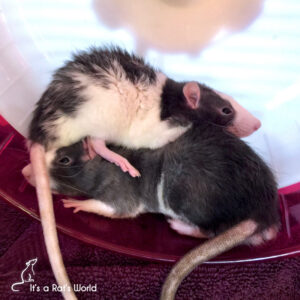
Exercise Wheels: The introduction of an appropriately sized and safely designed exercise wheel can be a highly effective tool. It is advisable to introduce wheels when rats are young, as older or less motivated rats may be more inclined to use them for sleeping rather than exercise. When selecting a wheel, prioritize solid surfaces without bars or gaps where a rat’s tail or feet could become entrapped. The wheel should be large enough to allow the rat to run with a straight back and securely fastened to prevent any instability or dangerous gaps between the wheel and the cage. Popular and recommended models include the Wodent Wheel and the Silent Spinner, though continuous research into newer, safe designs is encouraged.

Interactive Cage Decor: Beyond wheels, a variety of interactive items can enrich a rat’s cage environment and encourage physical engagement. This can include a combination of commercially available pet products and repurposed household items. For instance, wooden perches can be adapted for climbing, cardboard tubes and boxes can serve as tunnels and hiding places, and shredded paper can be used for digging and nesting activities. These elements encourage rats to climb, explore, and manipulate their surroundings, providing both physical and mental stimulation.
Promoting Activity Outside the Cage
Allowing rats supervised time outside their cages is a highly effective way to encourage vigorous activity and exploration.
Free-Ranging: Designated free-ranging sessions in a rat-proofed room can be incredibly beneficial. This allows rats to explore new scents, textures, and spaces, tapping into their innate curiosity. To maximize the exercise benefit, the free-ranging area can be furnished with various items that encourage movement, such as tunnels, climbing structures, and hiding places. Owners can also participate by acting as a "rat jungle gym," allowing their pets to climb on them. A particularly engaging and humorous example of this is when rats are given access to toilet paper, which they often dismantle and carry, leading to extensive activity. For owners considering free-ranging, it is imperative to thoroughly rat-proof the chosen area to eliminate any hazards, such as exposed electrical wires or toxic substances. Comprehensive guidelines on safe free-ranging practices are available from veterinary and animal welfare organizations.

Playpens and Designated Play Areas: A dedicated playpen or safe play area provides a controlled environment for rats to expend energy. These can be store-bought structures or custom-built setups. The effectiveness of a play area is directly related to the variety of activities it offers. Including puzzle toys that dispense treats, dig boxes filled with safe substrate, and climbing structures like igloos and tunnels can keep rats engaged and moving. The strategy of rotating toys and enrichment items regularly is key to maintaining a rat’s interest and preventing them from becoming bored with their surroundings. Innovative play area designs can incorporate elements that double as "rat gyms," with interconnected tunnels, balance beams, and climbing surfaces, further promoting physical exertion.
Toys and Agility Courses: Interactive toys, such as rolling cat toys or wand toys with feathers, can be used to engage rats in play that mimics hunting and chasing behaviors, thereby promoting physical activity. For owners seeking a more advanced challenge, setting up an agility course can provide both physical exercise and mental stimulation. These courses can involve navigating tunnels, jumping over low obstacles, and completing other tasks. The success of agility training in rats, as demonstrated by various online enthusiasts and training programs, highlights the potential for rats to learn complex behaviors and engage in significant physical activity when appropriately motivated.
Leveraging Food as a Motivator for Exercise
Food is a powerful motivator for rats, and this can be strategically employed to encourage exercise, especially in older or less active individuals.
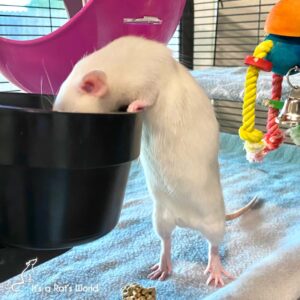
"Working" for Food: Traditional food bowls placed on the cage floor can encourage rats to eat while remaining relatively stationary. To counter this, food can be presented in ways that require more effort. Elevated food dishes, attached to the side of the cage a few inches from the floor, necessitate rats standing and stretching to eat. Foraging wheels or treat dispensers that release food gradually require rats to expend energy and time to access their meals. This approach not only promotes physical activity but also engages their natural foraging instincts, providing mental enrichment.
Pea Fishing: A simple yet highly effective exercise activity involves "pea fishing." This entails placing frozen peas in a shallow dish of water. Rats instinctively enjoy "fishing" for the peas, which requires them to dip their paws into the water and retrieve the treats. This activity encourages dexterity, problem-solving, and sustained physical engagement, particularly if multiple rats are competing for the peas. The caloric content of peas is relatively low, making this a healthy and enjoyable way to encourage activity.
Addressing Individual Differences and Genetic Predispositions
It is important to acknowledge that not all rats are the same, and individual differences in metabolism and genetics play a significant role in weight management. Some rats may be predisposed to gaining weight more easily, even with a seemingly adequate diet and exercise routine. In such cases, consulting with a veterinarian is paramount. A veterinarian can help determine if weight issues are due to underlying health conditions, dietary imbalances, or if a more structured and intensified exercise plan is required.
The implications of insufficient exercise and obesity in pet rats extend beyond individual animal welfare. As the popularity of rats as pets continues to grow, particularly among those seeking intelligent and interactive companions, understanding and promoting their health needs becomes increasingly vital for responsible pet ownership. Educating owners about the multifaceted benefits of exercise and providing practical, accessible strategies for its implementation are crucial steps in ensuring these remarkable animals lead long, healthy, and fulfilling lives. The commitment to providing a stimulating and physically engaging environment is a testament to the bond between humans and their pet rats, fostering a partnership based on mutual well-being.

