



As summer transitions to autumn, millions of households across the globe brace for a significant shift: the return to school. For human families, this period marks a re-establishment of schedules, a flurry of morning preparations, and a general reorientation towards academic and work commitments. However, within these homes, a silent observer often experiences this transition with profound sensitivity: the companion bird. These intelligent, highly social creatures, deeply attuned to the rhythms of their environment and their human flock, are particularly vulnerable to the emotional and psychological impacts of sudden changes in routine, leading to stress, confusion, and behavioral challenges. This phenomenon extends beyond school-aged children, affecting birds when any household member departs for college, changes work schedules, or embarks on extended vacations, fundamentally altering the predictable patterns upon which avian well-being depends.
The Foundation of Predictability: Avian Biology and Behavior
The intrinsic need for predictability in birds stems directly from their evolutionary biology. In their natural habitats, consistent daily cycles — sunrise, foraging times, social interactions within the flock, and roosting patterns — are not merely preferences but crucial elements for survival. Deviations from these established patterns can signal danger, the presence of predators, or resource scarcity, triggering innate stress responses designed to ensure self-preservation.
When these highly intelligent animals are brought into a domestic setting, they transfer this reliance on routine to their human caregivers and the household environment. Parrots, for example, are renowned for their cognitive abilities, often compared to a two- to five-year-old child in terms of problem-solving, emotional depth, and capacity for learning. They form deep, complex bonds with their human "flock," meticulously observing and internalizing household schedules. The clatter of breakfast dishes, the sound of car keys, the specific voices and movements associated with different times of day—all become critical cues in their perceived world. Any abrupt alteration to this established rhythm can dismantle their sense of security, leading to significant emotional distress.
Research in animal behavior consistently highlights the importance of environmental stability for captive animals. For companion birds, whose lives are largely dictated by their human custodians, this stability encompasses not only their physical surroundings but also the social and temporal routines. A sudden decrease in interaction, a shift in the ambient noise level, or a change in the presence of familiar faces can trigger a cascade of stress responses. This is not merely inconvenience; it can profoundly impact their psychological and physical health, making proactive management strategies essential for responsible bird ownership.
The Annual Back-to-School Catalyst: A Disruption in the Domestic Flock
The "back-to-school" period serves as a potent annual example of such a disruptive event. During summer months, many households adopt a more relaxed pace. Children are home, often leading to increased ambient noise, more frequent interactions with pets, extended morning routines, and a general vibrancy throughout the day. Birds, especially those with strong bonds to younger family members, become accustomed to this heightened level of engagement. They might enjoy more out-of-cage time, participate in family activities, or simply benefit from the constant background chatter and movement that signifies a full household.
However, with the start of the academic year, this dynamic shifts dramatically, often overnight. Mornings transform from leisurely gatherings to a frantic scramble of backpacks, half-eaten breakfasts, and hurried goodbyes. The vibrant morning soundtrack of cartoons and playful chatter is replaced by the slamming of car doors and an abrupt, often prolonged, silence. For a bird, whose primary sensory input comes from auditory and visual cues, this sudden transition can be profoundly disorienting. The perceived "flock" disperses, leaving them in an environment that feels empty and unfamiliar, despite being physically the same space. This acute change can be likened to a human experiencing sudden isolation after a period of intense social engagement, leading to feelings of abandonment or confusion. The once-predictable day becomes a "lonely jumble," as one bird owner aptly described it, requiring the bird to recalibrate its entire understanding of its daily existence.
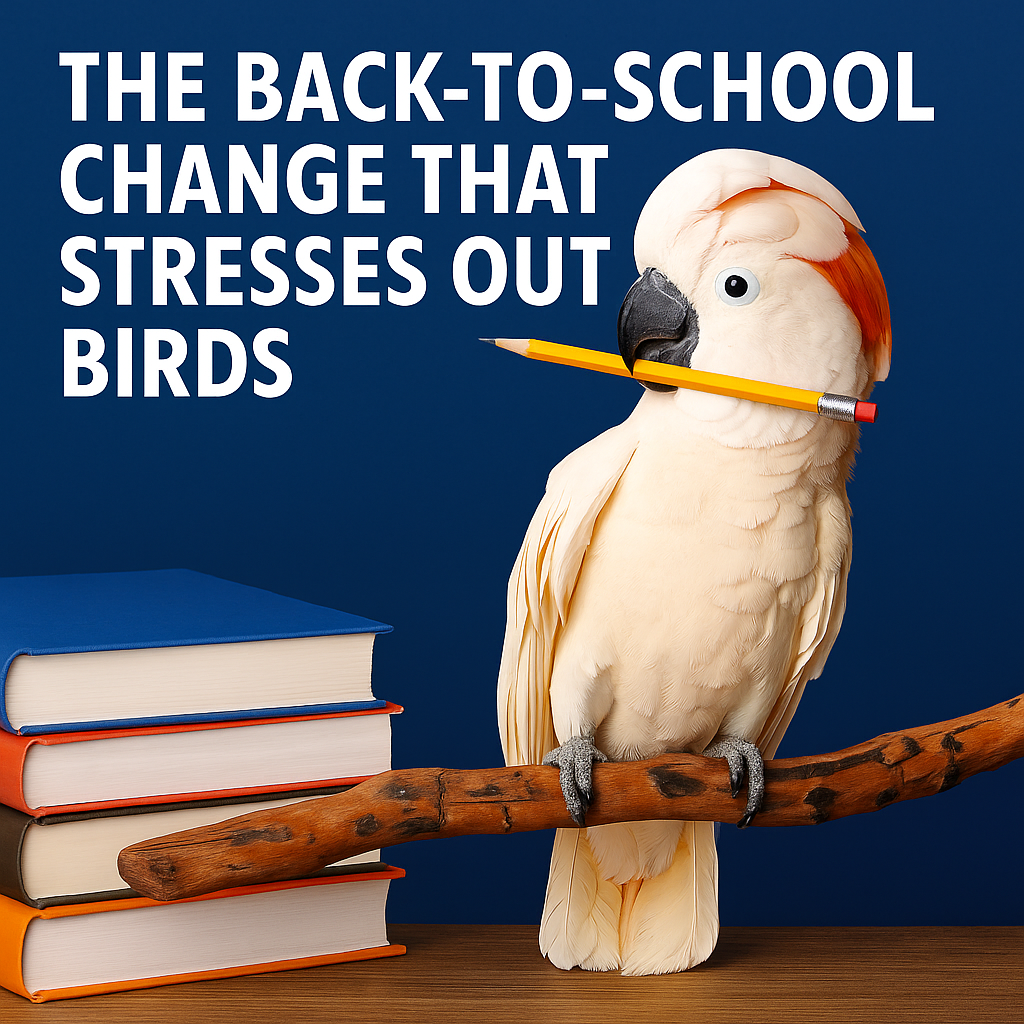
Behavioral Manifestations of Avian Stress and Separation Anxiety
The stress induced by routine changes can manifest in a variety of behavioral and even physiological symptoms. Birds, being prey animals, are instinctually adept at masking signs of weakness or discomfort, a survival mechanism honed in the wild. This means that subtle signs of stress may go unnoticed until they escalate into more pronounced or problematic behaviors. It is critical for owners to understand that these behaviors are not acts of defiance but rather indicators of a bird struggling to cope with its environment.
Common warning signs of stress in companion birds during periods of routine upheaval include:
- Vocalizations: An increase in screaming, repetitive calling, or incessant squawking, particularly during periods of silence or perceived loneliness. Conversely, some birds may become unusually quiet or withdrawn, ceasing their normal vocalizations.
- Feather Destructive Behavior (FDB): One of the most severe and distressing signs of chronic stress or anxiety. Birds may excessively preen, pull out their feathers, or even mutilate their skin, often starting with easily accessible areas.
- Changes in Appetite or Hydration: A sudden decrease or increase in food intake, or a noticeable change in drinking habits. Reduced appetite, in particular, is a significant red flag in birds and warrants immediate attention from an avian veterinarian.
- Pacing and Repetitive Behaviors: Obsessive pacing within the cage, head bobbing, swaying, or other stereotypic behaviors that indicate anxiety and a lack of mental stimulation. These are often coping mechanisms for stress.
- Aggression or Fearfulness: Uncharacteristic biting, lunging, or increased reactivity towards owners or other household members. Some birds may become unusually timid or fearful, shying away from interaction.
- Clinginess or Separation Anxiety: A bird that was once independent may suddenly become a "Velcro bird," demanding constant attention, screaming when the owner leaves the room, or exhibiting distress upon departure. This mirrors separation anxiety seen in other companion animals.
- Lethargy or Excessive Sleeping: A noticeable decrease in activity levels, prolonged napping, or a general lack of interest in toys or previously enjoyed activities.
- Destructive Chewing: Increased chewing on cage bars, household items, or other inappropriate objects, often as an outlet for pent-up energy or anxiety.
Ignoring these symptoms can lead to chronic stress, which can suppress the immune system, making the bird more susceptible to illness. Furthermore, entrenched problematic behaviors become more difficult to modify over time, potentially requiring more intensive and prolonged intervention.
Expert Perspectives and Community Insights
Avian veterinarians and certified animal behaviorists frequently observe a surge in consultations related to behavioral issues in companion birds following significant household transitions, including the back-to-school season. Dr. Eleanor Vance, a prominent avian veterinarian specializing in behavioral medicine, notes, "We consistently see an uptick in feather destructive behavior or generalized anxiety symptoms in our avian patients around late summer and early fall. Owners report their birds seem ‘off’ or ‘more vocal’ once school starts or work schedules shift back to normal. It’s a clear indication of how deeply these creatures are affected by changes in their social environment and the importance of proactive management."
Online pet owner communities, such as dedicated bird forums and subreddits on platforms like Reddit and Quora, echo these professional observations. Threads titled "My parrot is screaming non-stop since school started!" or "Help! My cockatiel seems depressed after the kids went back," are common during these periods. Owners share anecdotal evidence of their birds developing clinginess, aggression, or withdrawing from interaction. The consensus among experienced bird parents is clear: consistency is paramount, and patience is key during adjustment periods. These platforms also serve as valuable resources for sharing practical tips and offering mutual support, underscoring the widespread nature of this challenge among the estimated 15-20 million bird owners in the United States alone.
While not formal scientific research, a recent informal poll conducted on a popular bird enthusiast forum revealed that over 70% of respondents reported a noticeable change in their bird’s behavior (ranging from mild clinginess to severe feather plucking) within two weeks of a significant household routine change, with the return to school being the most frequently cited trigger. This collective experience underscores the validity of the concern and the need for actionable advice.
Proactive Strategies for a Smoother Transition
Mitigating stress during routine changes requires a multi-faceted approach, focusing on gradual adaptation, environmental enrichment, and maintaining a sense of security.

-
Gradual Acclimation and Transition: The most effective strategy is to introduce changes incrementally. If a significant shift in household schedule is anticipated, such as children returning to school or a parent resuming full-time work, begin adjusting the bird’s routine weeks in advance.
- Simulate Absences: Gradually increase the duration of your bird’s alone time. Start with short absences (15-30 minutes) and slowly extend them over several days or weeks. This helps the bird build confidence that you will return, establishing a new baseline for solitude.
- Adjust Interaction Times: If morning interaction will be significantly reduced, start cutting back on summer morning play sessions in advance, shifting quality interaction to later in the day. This helps the bird adapt to a new schedule of attention.
- Consistent Anchor Points: Maintain consistent wake-up and lights-out times as much as possible, as these anchor a bird’s circadian rhythm and provide a foundational sense of predictability in an otherwise shifting schedule.
-
Enriching the Environment: A stimulating environment is crucial for keeping a bird mentally engaged and reducing boredom and anxiety during periods of solitude. Environmental enrichment helps prevent the onset of destructive or repetitive behaviors.
- Toy Rotation: Regularly rotate toys to maintain novelty and interest. Offer a variety of textures, materials (wood, acrylic, paper, natural fibers), and types (chew toys, foraging toys, puzzle toys, shreddable toys). Aim to introduce new toys or rotate existing ones at least weekly.
- Foraging Opportunities: Integrate foraging into daily life to mimic natural behaviors. Hide treats in foraging toys, paper bags, or crumpled paper around the cage. This provides mental stimulation and extends feeding times, reducing idle periods.
- Auditory Enrichment: Soft background noise can combat silence and make an empty house feel less lonely. This could include classical music, nature sounds (e.g., rainforest sounds), audiobooks, or a familiar radio station set at a low, consistent volume. Some owners find "bird TV" (videos specifically designed for birds, often featuring other birds or natural scenes) to be engaging.
- Visual Stimulation: Position the cage near a safe window with a view of natural activity (trees, birds outside, but not direct harsh sunlight or stressful external views). Alternatively, ensure access to a television playing familiar, calm programs.
-
Maintaining Connection and Communication: Even when physically absent, owners can maintain a sense of connection that reassures their bird.
- Consistent Verbal Cues: Use consistent verbal cues upon departure and return. A simple, calm "I’ll be back soon" or "See you later" can become a comforting signal, reinforcing the expectation of your return.
- Leveraging Technology: Two-way security cameras with audio capabilities can allow owners to check in visually and even speak to their bird remotely, providing reassurance during extended absences. Smart home devices can be programmed to turn lights on/off or play music at specific times, creating a sense of consistent presence.
- Quality Interaction: Make the most of available time when you are home. Focus on quality over quantity. Engage in training sessions, play favorite games, or simply have quiet cuddle time. Importantly, reinforce independent play during these sessions to teach the bird to entertain itself even when you are present, building self-sufficiency.
-
Nutritional Support and Calming Aids:
- Balanced Diet: Ensure the bird maintains a high-quality, balanced diet, as good nutrition supports overall health and resilience to stress. Nutritional deficiencies can exacerbate stress-related behaviors.
- Veterinary Consultation: For birds exhibiting significant stress symptoms, consulting an avian veterinarian is crucial. They can rule out underlying medical conditions that might mimic behavioral issues and recommend appropriate interventions.
- Bird-Safe Calming Products: Under veterinary guidance, certain bird-safe calming supplements (e.g., those containing L-theanine, chamomile, or specific herbal extracts) or pheromone sprays may be considered to help ease anxiety during adjustment periods. These are typically used as temporary aids, not long-term solutions, and should always be discussed with a qualified avian vet to ensure safety and efficacy.
Long-Term Implications and Owner Responsibility
The responsibility of a companion bird owner extends beyond providing basic needs; it encompasses nurturing their complex emotional and psychological well-being. Failing to address stress related to routine changes can lead to chronic anxiety, destructive behaviors that are difficult to extinguish, and a diminished quality of life for the bird. Moreover, it can strain the human-animal bond, leading to frustration for owners and a less harmonious household. Chronic stress can also suppress the bird’s immune system, making them more susceptible to various health issues.
By understanding the profound impact of consistency on avian health and proactively implementing strategies to manage transitions, owners can foster resilience in their feathered companions. This involves continuous observation, adapting strategies as needed, and maintaining a commitment to providing a stable, enriching, and loving environment. The goal is not to eliminate all change—as life is inherently dynamic—but to equip birds with the tools and support system to navigate these changes with minimal distress. This commitment forms the bedrock of responsible avian pet ownership, ensuring a healthy and happy life for these sensitive creatures.
Conclusion
The back-to-school season, while a familiar annual cycle for humans, represents a significant environmental and social upheaval for companion birds. Their innate need for predictability, coupled with their high intelligence and deep social bonds, makes them particularly susceptible to stress when household routines shift. Recognizing the subtle and overt signs of avian distress is the first critical step for owners. Implementing gradual transitions, enriching their environment with diverse stimulation, maintaining consistent communication, and seeking veterinary guidance when necessary are indispensable components of a comprehensive care plan. By adopting these proactive measures, bird owners can help their feathered family members adjust to new rhythms, ensuring their continued well-being, happiness, and a strong, enduring bond amidst the inevitable changes of life. This commitment to thoughtful adaptation reinforces the profound trust birds place in their human caregivers, allowing both to thrive through every season of change.

