


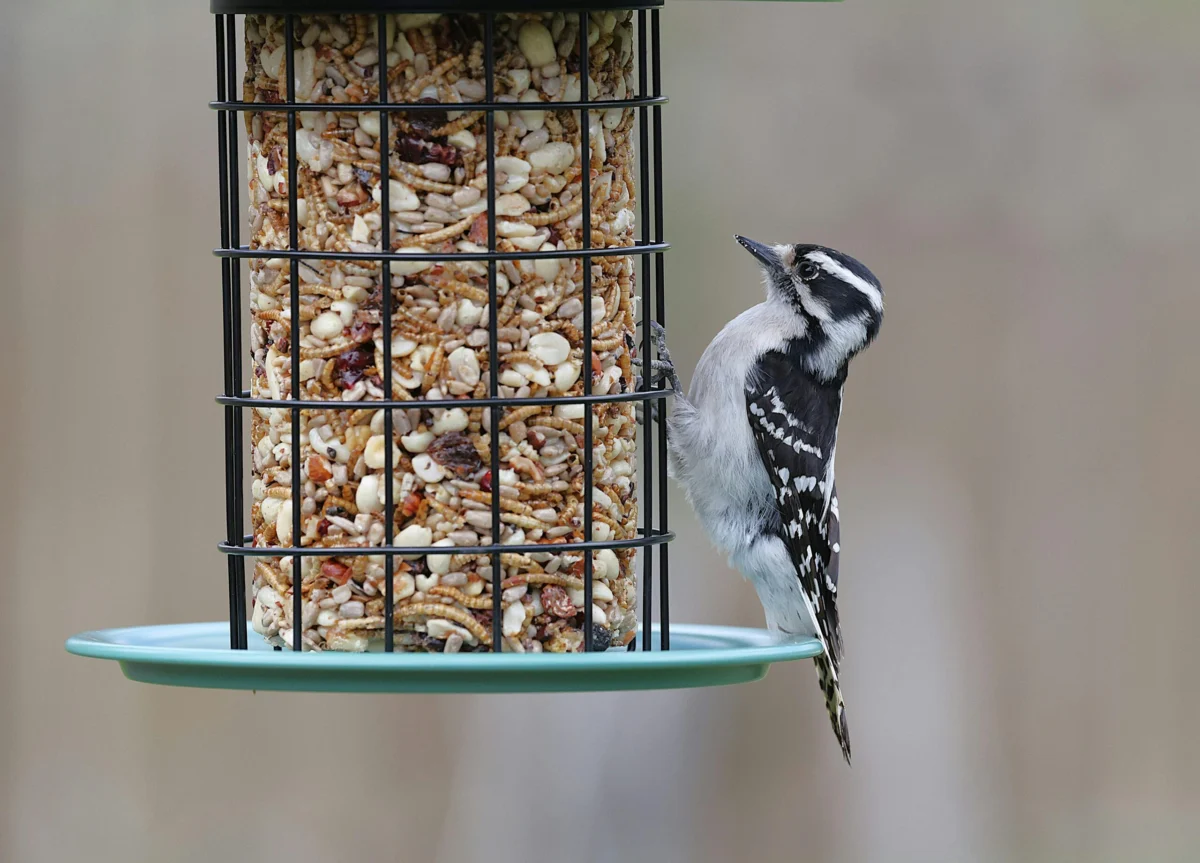
Squirrels, with their remarkable agility and tenacious spirit, are undeniably masters of their domain, often going to extraordinary lengths to secure their preferred meals. Birdseed and nuts are high on their list of culinary delights, making them frequent visitors to backyard bird feeders. For those who wish to cultivate a haven for avian life while keeping these furry acrobats at bay, a creative and strategic approach is essential to outsmart these intelligent creatures. This raises a fundamental question for many nature enthusiasts: do birds and squirrels coexist peacefully, or is their relationship inherently one of conflict?
The straightforward answer is that birds and squirrels generally tolerate each other, but this harmony often dissolves when the coveted birdseed becomes the object of contention. Bird feeders, designed to nourish feathered visitors, inadvertently become battlegrounds when a proliferation of squirrels enters the vicinity. These skirmishes, however, are rarely a fair fight. Squirrels, being significantly larger and more robust than most backyard birds, possess a distinct advantage. Their imposing presence often frightens smaller birds away, leaving the squirrels to dominate the feeder and consume the entire bounty.
Squirrels are not just larger; they are also formidable athletes and architects of access. Their ability to leap over ten feet, coupled with their exceptional climbing and digging skills, makes them relentless pursuers of food. Their intelligence is well-documented; they learn quickly and exhibit unwavering persistence in achieving their goals. This determination extends to their methods of acquisition, as squirrels have been observed to claw and even chew through wooden and plastic feeders in their quest to access the seeds meant for their avian counterparts. This persistent behavior can lead to significant damage to feeder infrastructure, turning once-sturdy feeding stations into splintered relics.
Squirrels and the Allure of Bird Feeders
The appeal of high-quality birdseed is not exclusive to birds; it holds an equal, if not greater, fascination for squirrels. Black oil sunflower seeds, a staple in many bird seed mixes, along with various nuts and suet, are highly prized by both species. This shared preference is the primary catalyst for the recurring confrontations at bird feeders.
While many find squirrels to be endearing and entertaining, their presence in a bird-watching sanctuary can be a source of frustration. Bird watchers, who dedicate time and resources to attracting and observing birds, often view squirrels as unwelcome intruders. While some may appreciate the occasional squirrel sighting as a part of the natural tapestry, others consider them pests that disrupt the delicate balance of their feeding stations.
Birds, in contrast, tend to be more communal, often sharing feeders with a variety of other bird species. Squirrels, however, exhibit a different temperament. Their voracious appetites are often matched by a dominating and opportunistic attitude. They are known to aggressively chase away birds, devouring all available food and leaving the feeder completely depleted. This behavior not only deprives birds of essential sustenance but can also create a sense of unease and displacement within the avian community.
An author’s note highlights the destructive capabilities of squirrels. Their persistence in accessing bird feeders has been known to cause irreparable damage to plastic and wooden feeders. These once-functional feeding devices can be rendered useless, requiring frequent replacement and adding to the ongoing cost and effort of maintaining a bird-friendly environment. Beyond mere food theft, squirrels can also pose a predatory threat to nesting birds. Their opportunistic nature means they may prey on bird eggs or newly hatched chicks, a behavior that can significantly deter nesting birds from frequenting gardens where squirrels are prevalent. This dual threat of resource competition and predation underscores the challenges faced by those aiming to support bird populations.
Protecting Your Bird Feeders: Strategies for Success
The challenge of protecting bird feeders from squirrels is a common one, and the most effective solutions often depend on the specific type of feeder and the layout of the garden. Squirrels are notoriously cunning, and deterring them often requires a multi-faceted approach, with persistent experimentation being key. Some dedicated individuals have even resorted to creating elaborate obstacle courses, a testament to the ingenuity required to outwit these determined rodents.
Strategic Placement: The First Line of Defense
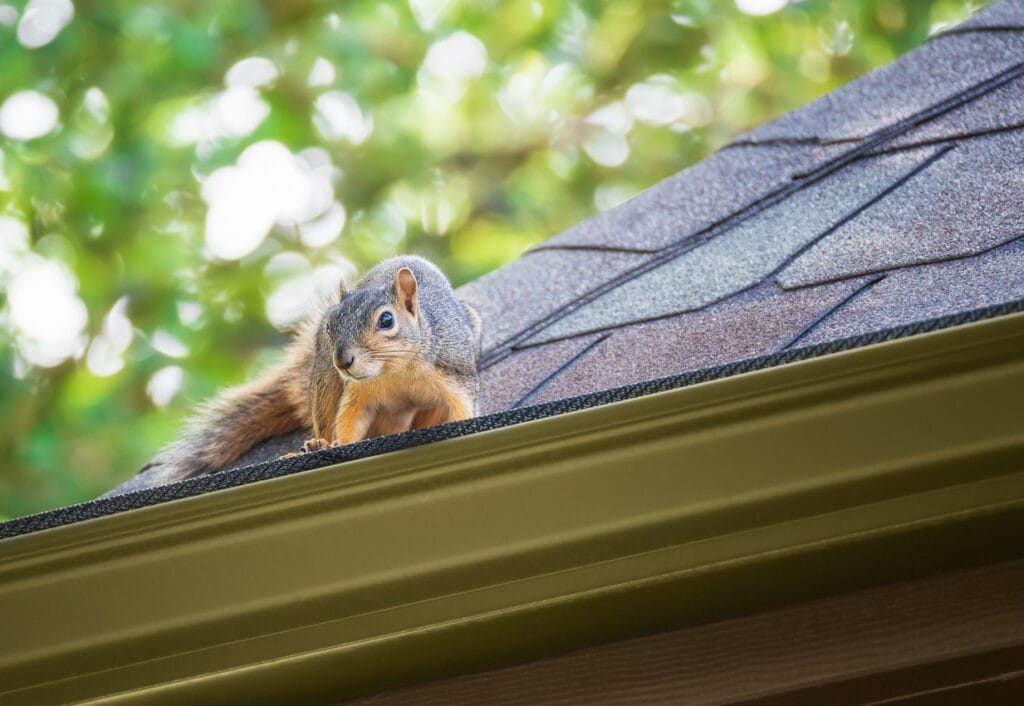
The most crucial element in preventing squirrel incursions is the strategic placement of bird feeders. To make access difficult, feeders should be situated far from potential launching points such as porches, gutters, overhead wires, and trees. This spatial separation significantly increases the challenge for squirrels attempting to reach their target.
A recommended practice involves mounting bird feeders on smooth metal poles approximately six feet off the ground. Furthermore, it is advisable to prune any bushes or tree branches within a twelve-foot radius of the feeder. This trimming eliminates convenient perches and pathways that squirrels could exploit to gain access. By creating a clear, open space around the feeder, the squirrels’ options for approach are severely limited.
Caging Your Feeder: A Physical Barrier
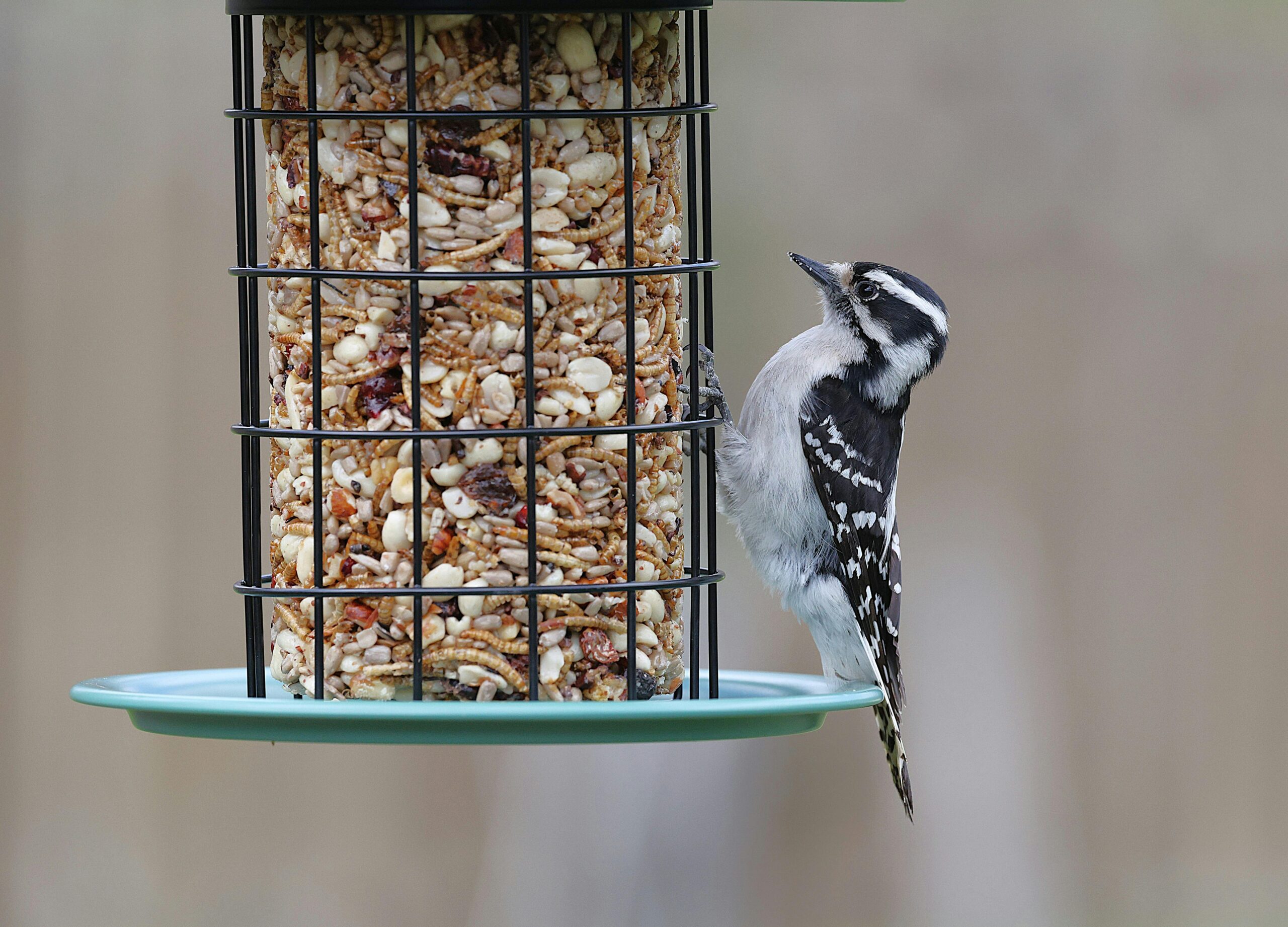
For those with limited garden space where isolating the feeder is not feasible, installing a protective cage around the feeder is a viable option. Wrapping the feeder in chicken wire, ensuring the mesh size is small enough to exclude squirrels but large enough to permit smaller birds to feed, can be effective. This method also serves the secondary purpose of deterring larger, more aggressive bird species like pigeons and starlings, which can also deplete feeders rapidly. Many commercially available "squirrel-proof" feeders come with integrated caging systems or are designed with features that prevent larger animals from accessing the seed.
Tilting Feeders: The Unpredictable Perch
Specially designed feeders that spin or tilt when a squirrel attempts to climb onto them offer an engaging deterrent. The sudden movement and imbalance make it exceedingly difficult for squirrels to maintain their footing and reach the food. This can provide a source of amusement for observers, turning a feeding station into an impromptu acrobatic display. The unpredictability of these feeders effectively discourages repeated attempts by squirrels.
Spinners: Adding a Wobble to the Climb
Another innovative method involves hanging feeders from a thin, horizontal wire, strategically positioned to present a challenge. Threading spinners onto this wire can significantly impede a squirrel’s progress. These spinners, which can be fashioned from short pieces of pipe, old sewing thread spools, or even empty soda bottles, will rotate when a squirrel attempts to walk on them. The resulting instability causes the squirrel to lose its balance and fall, thus preventing access to the feeder.
Baffles: The Dome of Defense
Baffles, typically dome-shaped guards, are highly effective in preventing squirrels from reaching feeders. These can be purchased from pet stores or made from smooth plastic or metal. For optimal effectiveness, baffles should be at least 15 inches wide and sloped downwards to prevent squirrels from reaching around them. Many baffles are designed to spin or twirl when a squirrel lands on them, further disorienting the animal and making it impossible to maintain a grip.
Maintaining a Clean Feeding Environment
The area beneath and around bird feeders should be kept scrupulously clean. Regularly removing spilled seeds and debris is essential, as these fallen morsels can attract squirrels and other ground-feeding scavengers. Furthermore, accumulated seeds can degrade over time, becoming moldy or contaminated, posing a health risk to both birds and other wildlife. A clean feeding area discourages scavenging and promotes a healthier environment for your feathered visitors.
Feeder Style: Durability and Design
If squirrels have a history of destroying feeders, investing in a specially designed "squirrel-proof" feeder is a wise choice. These feeders often incorporate weight-activated doors or hatches that close when a heavier animal, such as a squirrel, attempts to feed. Lighter birds, however, can still access the seed without issue. Alternatively, feeders constructed from sturdy metal or featuring robust, thick designs are more resistant to the gnawing and clawing of squirrels.
Seed Selection: A Matter of Taste
While squirrels are attracted to a wide variety of birdseed, certain types are less palatable to them. Nyjer seed and safflower seed, for instance, have a bitter taste that squirrels generally avoid, while remaining appealing to birds. By incorporating these seeds into your feeding regimen, you can effectively discourage squirrels while continuing to attract your desired avian guests.
The Spicy Solution: A Natural Deterrent
Mammals, including squirrels, are sensitive to the heat of peppers and chili. Birds, on the other hand, are immune to this spiciness and can consume chili peppers without discomfort. Sprinkling cayenne pepper or other similar spices onto birdseed can act as a natural deterrent for squirrels. It is important to note that the spice may wash off with rain, requiring consistent replenishment. Some retailers offer pre-treated chili seeds or suet, offering a convenient alternative. When handling spices, it is advisable to wear gloves and avoid inhaling the dust.
Trapping and Relocation: A Last Resort
In cases of persistent and problematic squirrel infestations, contacting local wildlife authorities is a recommended course of action. They may offer guidance on humane trapping and relocation methods. It is crucial to adhere to all local wildlife laws and regulations regarding such practices. Relocation efforts should always prioritize the well-being of the animals and follow established ethical guidelines.
Removing Shelter: Discouraging Nesting
Squirrels are more likely to establish a presence in areas offering ample shelter. By removing potential nesting sites around your home, such as old sheds, attics, or dense undergrowth, you can discourage them from settling in. This proactive measure can significantly reduce the likelihood of squirrels becoming a persistent problem in your garden.
What Not to Do: Ethical Considerations
While the frustration of dealing with squirrels can be immense, it is imperative to approach the situation ethically and responsibly. Certain methods of squirrel deterrence are harmful and should never be employed. Squirrels play a vital role in the ecosystem, and hunting, poisoning, or intentionally endangering them is unacceptable.
Poisoned bait, for instance, poses a grave risk not only to squirrels but also to non-target species, including birds and other wildlife that may ingest the bait. Predators that consume poisoned squirrels, such as raptors, can also suffer severe injury or death. Similarly, releasing domestic cats to hunt squirrels is ill-advised, as cats may also prey on birds and other desirable garden inhabitants. Coating feeder poles with oil or grease is also discouraged, as these substances can cause illness or create vulnerability in birds or other animals that come into contact with them.
Conclusion: Finding a Balance in the Backyard Ecosystem
If deterring squirrels proves to be an insurmountable challenge, temporarily removing bird feeders for a few days or weeks can sometimes encourage them to seek food elsewhere. However, their persistent nature often means they will return once feeders are reinstated. It is important to acknowledge that achieving complete squirrel-proofing of bird feeders can be an elusive goal.
An alternative and often more peaceful solution is to establish a dedicated feeding station for squirrels. Offering them nuts, corn, and berries can satisfy their dietary needs and redirect their attention away from the bird feeders. This approach fosters a more harmonious coexistence, ensuring that birds can feed without interruption while acknowledging the presence of squirrels as a natural part of the garden ecosystem.
Squirrels, with their fascinating skills and inherent place in nature, deserve to share garden spaces alongside birds, insects, and other creatures. Squirrel watching can offer its own unique brand of joy, rivaling the pleasure derived from observing cardinals, purple martins, or finches. Ultimately, while numerous strategies exist to deter squirrels from bird feeders, occasional visits are an expected part of the natural order.
Happy feeding and watching!
FAQ
Do squirrels kill birds?
Squirrels are primarily vegetarians and do not typically hunt or kill birds for food. However, they may injure a bird if they feel threatened. In instances where bird eggs are found in an unattended nest, or nestlings are left vulnerable, a squirrel may opportunistically consume them.
Do birds kill squirrels?
Yes, birds of prey, such as hawks, falcons, owls, and eagles, regularly hunt and consume squirrels. It is highly unlikely that smaller birds competing for food at a feeder would possess the capacity to kill a squirrel.

