


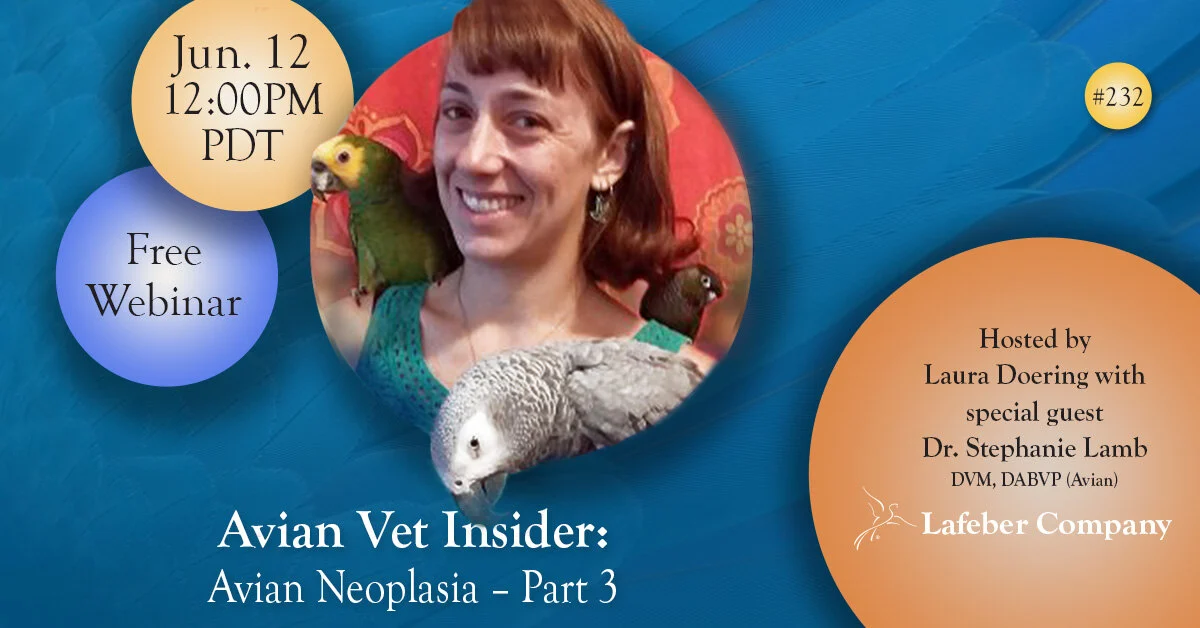
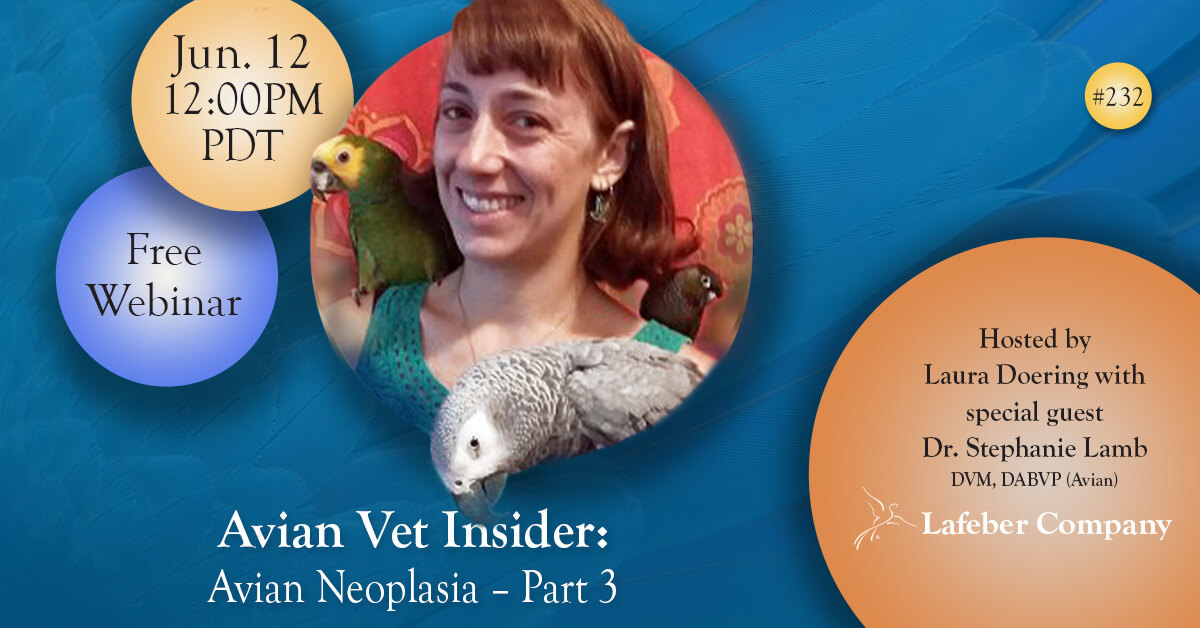
On Friday, June 12, 2026, at 12:00 p.m. PDT, avian health professionals and dedicated bird owners worldwide are invited to attend the highly anticipated final installment of a crucial three-part webinar series on avian neoplasia, featuring the distinguished expert, Dr. Stephanie Lamb. This concluding session aims to deepen understanding of the wide spectrum of tumor types affecting companion birds, further exploring additional anatomical regions beyond those discussed in previous parts. The series, which has garnered significant attention within the avian veterinary community and among pet bird enthusiasts, underscores the complex and often challenging nature of cancer diagnoses in avian species, while simultaneously empowering attendees with knowledge vital for informed care and decision-making. Registration for this pivotal educational event is accessible via the provided link: https://us02web.zoom.us/webinar/register/WN_aiJWIEWITS-OdKTI3HRMXQ. Attendees are strongly advised to utilize a reliable time zone converter to confirm their local start time.
The Growing Significance of Avian Oncology
Avian neoplasia, commonly referred to as cancer in birds, represents a significant health concern that often goes underdiagnosed or misunderstood outside of specialized veterinary circles. Similar to mammals, birds can develop various forms of cancer affecting virtually any organ system, from superficial skin lesions to complex internal malignancies. The prevalence of certain tumor types varies significantly across different avian species, with some breeds exhibiting genetic predispositions. For instance, budgerigars (melopsittacus undulatus) are notoriously prone to developing lipomas (benign fatty tumors), renal adenocarcinomas, and pituitary adenomas, while cockatiels (nymphicus hollandicus) also frequently present with pituitary tumors and various reproductive cancers. Amazon parrots (amazona species) and African grey parrots (psittacus erithacus) can also develop a range of aggressive sarcomas and carcinomas.
The challenge in avian oncology lies in several factors: the small size of many avian patients, their innate instinct as prey animals to mask signs of illness until advanced stages, and the often subtle and non-specific clinical signs associated with internal tumors. This necessitates a high degree of clinical suspicion, advanced diagnostic capabilities, and a comprehensive understanding of avian anatomy and physiology on the part of the examining veterinarian. The educational efforts spearheaded by experts like Dr. Stephanie Lamb are therefore instrumental in bridging knowledge gaps and fostering improved outcomes for affected birds.
A Comprehensive Series: Tracing the Path of Avian Neoplasia Education
This upcoming webinar marks the culmination of a meticulously structured three-part series designed to provide a holistic view of avian neoplasia. While the specific content of the initial two parts is inferred, their logical progression would have laid the groundwork for this final, in-depth session.
Part 1: Foundational Principles and Common Presentations (Inferred)
The inaugural webinar likely introduced the fundamental concepts of avian neoplasia, defining what cancer is in the context of avian biology, discussing common terminology, and outlining the initial diagnostic approaches. This would have included an overview of clinical signs that might alert owners or veterinarians to the presence of a tumor, such as changes in appetite, weight loss, lethargy, swellings, or alterations in droppings. It is probable that this session also covered readily identifiable tumor types, perhaps focusing on skin and subcutaneous tumors, which are often the most visible and thus easier to diagnose initially. Diagnostic techniques like fine needle aspirates (FNA) for cytology and excisional biopsies for histopathology would have been introduced as crucial tools for definitive diagnosis.
Part 2: Deeper Dive into Organ Systems (Inferred)
Building upon the foundational knowledge, the second part of the series would have advanced into more complex and internally located cancers. The initial description for Part 3 mentions "Building on earlier discussions of skin, reproductive, and other organ systems." This strongly suggests that Part 2 delved into the intricacies of reproductive cancers, which are exceptionally common in older female birds, often presenting as ovarian or oviductal adenocarcinomas. These can lead to egg-binding, abdominal distension, and general malaise. Furthermore, the session likely explored neoplasia affecting other vital internal organ systems such as the gastrointestinal tract, liver, kidneys, and spleen. Discussing the challenges of diagnosing these internal tumors, which often require advanced imaging techniques like radiography, ultrasonography, CT scans, or even MRI, would have been a key component.
Part 3: Expanding Horizons – A Focus on Additional Areas
The upcoming third installment, "Avian Neoplasia, Part 3," promises to expand the conversation further, offering a look at "additional areas of the body that may be involved" and delving into an even "wider range of tumor types." This suggests a focus on less commonly discussed or more challenging oncological cases. Potential topics for this session could include:
- Musculoskeletal Neoplasia: Bone tumors (osteosarcomas, chondrosarcomas) and muscle tumors, which can cause lameness, pain, and pathological fractures.
- Neurological Neoplasia: Brain tumors or spinal cord tumors, leading to neurological deficits such as seizures, ataxia, paralysis, or behavioral changes. Pituitary adenomas, while endocrine, often manifest with neurological signs due to compression.
- Hematopoietic and Lymphatic Cancers: Leukemias, lymphomas, and plasmacytomas, which affect blood-forming tissues and the immune system, presenting with vague systemic signs, anemia, or organomegaly.
- Endocrine Tumors: Beyond pituitary adenomas, discussion could extend to adrenal gland tumors or thyroid tumors, which can cause hormonal imbalances and systemic effects.
- Ocular Neoplasia: Tumors affecting the eye or periocular structures, which can impair vision and cause discomfort.
- Advanced Diagnostic and Therapeutic Modalities: Given the comprehensive nature of the series, Part 3 might also touch upon cutting-edge diagnostic techniques and emerging therapeutic strategies, including surgical advancements, chemotherapy protocols adapted for avian species, radiation therapy, and palliative care options.
This structured approach ensures that attendees gain a thorough, progressive understanding of avian neoplasia, moving from basic recognition to complex systemic involvement.
Dr. Stephanie Lamb: A Leading Voice in Avian Veterinary Medicine
The series is presented by Dr. Stephanie Lamb, a highly respected figure in the field of avian veterinary medicine. Dr. Lamb, a Doctor of Veterinary Medicine (DVM), is widely recognized for her expertise in exotic animal medicine, with a particular focus on avian health and oncology. Her extensive clinical experience, coupled with a commitment to education, positions her as an ideal authority to guide this critical discussion. She is known for her ability to distill complex medical information into understandable and actionable insights for both veterinary professionals and dedicated bird owners. Her work emphasizes the importance of a proactive approach to avian health, stressing preventative care, early diagnosis, and comprehensive treatment plans tailored to the unique physiological needs of birds. Dr. Lamb’s dedication to advancing avian welfare through knowledge dissemination is evident in her participation in such extensive educational initiatives.
Supporting Data and the Impact of Neoplasia in Avian Species
While precise epidemiological data on avian neoplasia across all species remains a subject of ongoing research, clinical observations indicate that cancer is a significant cause of morbidity and mortality in companion birds, particularly as they age. A study published in the Journal of Avian Medicine and Surgery noted that neoplasia constituted a substantial percentage of diagnoses in avian necropsy cases, highlighting its impact. Common findings across various studies include a high incidence of reproductive tract tumors in older female birds (especially budgerigars and cockatiels), liver tumors, renal tumors, and various forms of fibrosarcomas and squamous cell carcinomas.
The prognosis for avian cancer patients is highly variable, depending on the type of tumor, its location, stage of progression, the overall health of the bird, and the feasibility of treatment. Early detection is paramount. Tumors that are benign and surgically accessible, such as lipomas, often carry an excellent prognosis if completely removed. However, aggressive malignant tumors, particularly those that have metastasized or are located in critical, inoperable areas, pose significant challenges. This underscores the educational value of Dr. Lamb’s series: by improving the ability of owners and veterinarians to recognize signs early, and to understand the diagnostic and therapeutic options, the quality of life and potentially the lifespan of affected birds can be significantly improved.
The Role of Educational Initiatives and Broader Implications
This webinar series is likely supported by organizations committed to avian health, such as Lafeber Company, a well-known entity in the pet bird industry, implied by the image source and content. Such organizations play a critical role in sponsoring and disseminating expert-led educational content. Their commitment extends beyond providing products to fostering a community of informed owners and proficient veterinarians. This aligns with a broader industry trend towards proactive pet care and specialized veterinary education.
The implications of this comprehensive series are far-reaching:
- For Veterinary Professionals: The webinar serves as an invaluable continuing education opportunity, particularly for general practitioners who may encounter avian patients less frequently. It enhances their diagnostic acumen, expands their knowledge of therapeutic options, and improves their ability to communicate complex prognoses to owners. For avian specialists, it offers a platform for discussion of advanced concepts and reinforces best practices.
- For Pet Bird Owners: Armed with a deeper understanding of avian neoplasia, owners can become more astute observers of their birds’ health. They can identify subtle changes that might indicate illness, facilitating earlier veterinary intervention. This knowledge also empowers them to engage in more informed discussions with their veterinarians about diagnostic tests, treatment plans, and end-of-life care decisions, ultimately contributing to better welfare outcomes for their beloved companions.
- Advancement of Avian Welfare: By raising the standard of care for avian cancer patients, this series contributes to the overall improvement of avian welfare. It highlights the sophistication of avian medicine and encourages further research into the causes, prevention, and treatment of avian neoplasia. As more veterinarians become proficient in avian oncology, birds will benefit from more accurate diagnoses and more effective, compassionate care.
Looking Ahead: Register for the Conclusion
The final installment of "Avian Neoplasia, Part 3, with Dr. Stephanie Lamb" is more than just a webinar; it is a critical educational event that promises to equip attendees with advanced knowledge in a challenging field of avian medicine. The insights gained from Dr. Lamb’s expertise will undoubtedly empower veterinarians to provide superior care and enable bird owners to make more informed decisions for their feathered companions. The opportunity to learn directly from a leading expert on such a vital topic is invaluable. Prospective attendees, including avian veterinarians, veterinary technicians, and dedicated bird owners, are strongly encouraged to secure their participation by registering promptly via the provided Zoom link. This series represents a significant step forward in the collective effort to combat avian cancer and enhance the health and longevity of pet birds worldwide.

