


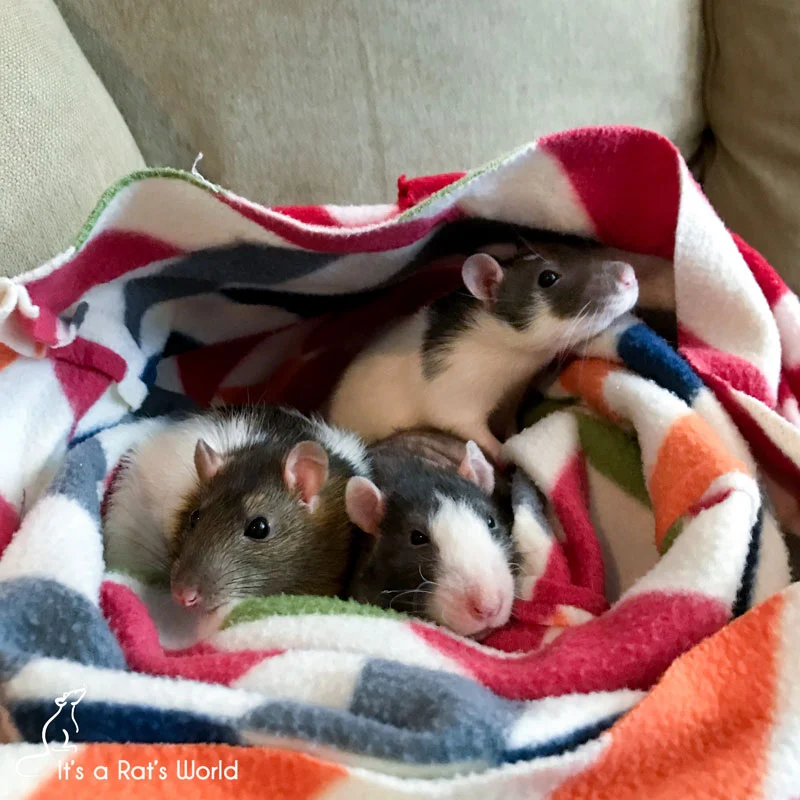
The quintessential summer vacation often conjures images of sun-drenched beaches or serene mountain retreats. For many pet owners, however, the prospect of leaving beloved companions behind can cast a shadow over even the most idyllic getaway. This is particularly true for owners of rats, whose unique care requirements and potential anxieties can make finding suitable pet sitters a significant challenge. While the idea might initially seem unconventional, the reality for a growing number of rat enthusiasts is that incorporating these intelligent and social creatures into travel plans, especially via road trips, is not only feasible but can also forge unforgettable memories and strengthen the human-animal bond. This guide explores the practicalities, preparation, and considerations for embarking on such an adventure.
The Case for Canine Companionship, Rat Edition
The traditional approach to pet care during travel often involves enlisting the help of friends, family, or professional pet sitters. However, the intricacies of rat care present distinct hurdles. Unlike more common household pets like dogs and cats, finding individuals with the specific knowledge and comfort level to administer medication, monitor for signs of illness, or simply understand the nuances of rat behavior can be a daunting task. This often leaves rat owners in a difficult position: either entrusting their pets to less-than-ideal care or forgoing travel altogether. The advent of well-planned road trips offers a compelling alternative, allowing owners to maintain direct control over their pets’ well-being while experiencing new destinations together. The author’s extensive experience, spanning numerous road trips to destinations as varied as Northern Arizona, Southern California, Colorado, and even a cross-country journey, underscores the viability of this travel model. These excursions, while demanding careful planning, have consistently proven to be more rewarding than the stress of leaving their furry companions behind. The initial perception of "easier" may be a slight overstatement, but the added dimension of adventure and shared experience undeniably enriches the travel narrative.
Gradual Acclimation: Preparing Your Rats for the Open Road
Rats, by nature, thrive on routine and familiar surroundings. A sudden disruption, such as a lengthy trip, can induce stress. Therefore, a phased approach to acclimating them to new environments and experiences is paramount. This preparation can begin with short excursions outside the home. For instance, evening walks in a bonding pouch or a small, ventilated cloth bag can help rats become accustomed to novel sights, sounds, and smells. During these outings, the owner’s consistent reassurance, gentle petting, and verbal communication can significantly alleviate apprehension. Observing their reactions—whether they exhibit curiosity or timidity—allows for tailored interaction, fostering a sense of security.
Short car rides serve as another crucial preparatory step. Taking rats on brief journeys, such as picking up children from school, provides invaluable insights into their tolerance for motion and unfamiliar stimuli. The author’s experience indicates that rats are often intrigued by new scents, which can transform potentially scary car rides into exciting explorations. It is imperative, however, to remain acutely aware of ambient temperatures during these practice runs. Extreme weather conditions, whether excessively hot or cold, pose significant risks and should be avoided during any travel-related acclimatization. Data from veterinary studies on thermoregulation in small mammals consistently highlights their susceptibility to rapid temperature fluctuations, emphasizing the need for careful environmental control.
Selecting the Optimal Mobile Habitat: The Travel Cage
The cornerstone of a successful and low-stress rat travel experience lies in the selection of an appropriate travel cage. This mobile sanctuary should aim to replicate, as closely as possible, the comfort and familiarity of their permanent home. The size and layout of the cage are critical factors, providing ample space for movement, climbing, and essential amenities.

A pivotal moment in the author’s travel experience involved a seven-week road trip to Washington D.C., for a five-week work assignment at the Smithsonian’s American Art Museum. The decision to include their four rats was non-negotiable, necessitating a carefully considered housing solution. The primary challenge was finding a cage that was large enough to comfortably accommodate the rats for an extended period, yet compact enough to fit within the confines of a small car. The cage needed to be wide enough to pass through car doors and possess sufficient height to prevent feelings of confinement and boredom.
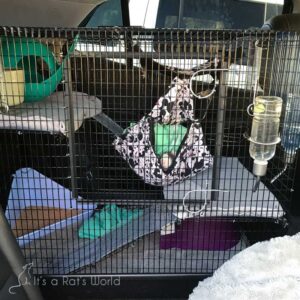
The solution involved prioritizing space over ultimate portability. A large cage, featuring two additional half-levels, was selected. This provided ample room for essential items such as hammocks, a space pod, an igloo-style hide, and a litter box. Recognizing the logistical challenge of repeatedly maneuvering this substantial cage in and out of the vehicle (a two-person endeavor), a smaller cat carrier was also employed for shorter durations, such as at rest stops or during quick park visits for stretching.
While this particular cage, "The Rat Lodge by Martin’s Cage," is no longer in production, its legacy highlights the importance of investing in a habitat that prioritizes the animal’s well-being. The author notes that this larger cage proved invaluable not only for extended trips but also for emergency evacuations, fostering situations, and even during unexpected heatwave-related power outages. The observed demeanor of the rats in this spacious environment was markedly more relaxed and normal compared to their behavior in smaller, more portable cages typically used for veterinary visits. This underscores the principle that a rat’s travel cage should function as a true "home away from home," minimizing the psychological impact of displacement.
Comprehensive Packing Strategy: Ensuring Rat Comfort and Safety
Even for short excursions, a dedicated packing strategy for rats is essential. The principle of "better to have it and not need it than need it and not have it" is particularly relevant when traveling with pets, especially in unfamiliar locales where supplies may be scarce.
Essential Packing List:
- Hydration System: At least two water bottles with their respective cage attachments. Clean, fresh water is non-negotiable for rats, and having backups ensures continuous access, especially in varying environmental conditions. Data from the American Veterinary Medical Association (AVMA) consistently emphasizes the critical role of hydration in maintaining animal health, particularly during travel.
- Feeding Vessels: Separate dishes for dry kibble and fresh food items.
- Sustenance: A container of dry rat food, with an ample supply to account for unforeseen delays.
- Water Supply: One to two gallons of filtered water. Filtered water is recommended over tap water when the quality of local water sources is unknown, mitigating potential gastrointestinal upset.
- Fresh Provisions: A small, insulated cooler packed with pre-cut fresh fruits and vegetables.
- Treats: A selection of rat-appropriate snacks.
- Emergency Food Item: Bananas, a time-tested remedy for digestive distress.
- Hygiene Kit: Small bottle of dish soap, a scrubber, and a bottle brush for cleaning water bottles and food dishes.
- Bedding and Comfort Items: Extra bedding (fleece, litter, hammocks), bonding pouches, small huts, or pillowcases for providing secure hiding spots and for out-of-cage time. Large rat blankets are also essential for protecting furniture at your destination.
- Environmental Control: A towel or blanket to cover the cage, or a windshield shade, to regulate light and temperature.
- Sanitation Supplies: Paper towels and unscented wet wipes for immediate cleanup of messes.
- Personal Hygiene: Antibacterial wipes for the owner’s hands.
- Waste Management: Trash bags for storing soiled bedding and waste.
- Medical Preparedness: An emergency medicine kit, particularly crucial for elderly or ill rats. This kit should be curated based on individual health needs and veterinary recommendations.
The Rationale Behind a Detailed Packing Strategy
The imperative to pack extensively stems from the unpredictable nature of travel. A breakdown in a remote area, especially during extreme weather, can leave pets vulnerable without adequate provisions. The daily cleaning and refilling of water bottles are critical to prevent bacterial growth, a common concern highlighted in veterinary parasitology literature. The provision of two water bottles allows for a quick swap during busy periods or serves as a vital backup should one malfunction—an eventuality the author has personally experienced.
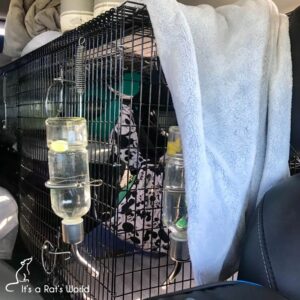
Sunlight exposure can be intense, posing risks of UV radiation and overheating. Protecting the cage from direct sun, either by using a windshield shade or a strategically placed blanket, is essential. Conversely, during colder months, these same coverings can provide insulation. The large blankets serve a dual purpose: protecting furniture at lodging sites during supervised out-of-cage time and offering a sense of security when draped over the cage. Bonding pouches and huts provide safe havens for anxious rats and contribute to a calmer travel experience.
The need for frequent cage cleaning during longer trips is undeniable. Wet wipes are invaluable for spot cleaning, and trash bags facilitate the discreet and hygienic transport of soiled materials. Digestive sensitivities are not uncommon in rats during travel, potentially leading to mushy stools. This can result in a messy situation, both in terms of odor and hygiene. The inclusion of paper towels, wet wipes, extra bedding, trash bags, and antibacterial wipes becomes crucial in managing such occurrences.
The anecdotal wisdom regarding bananas as a remedy for diarrhea, passed down through generations, holds practical value. The author recounts a personal experience in the 1990s where a banana effectively resolved a rat’s digestive distress during a long journey, ultimately contributing to the rat’s comfort and adaptability to travel. This highlights the importance of both preparedness and leveraging practical, time-tested solutions.
Navigating Pet-Friendly Accommodations
Finding suitable lodging is a significant aspect of road trip planning. Websites like PetsWelcome aim to assist travelers in locating pet-friendly hotels. However, it is crucial for rat owners to explicitly confirm with the establishment that they indeed accept rats, as policies can vary significantly even within the "pet-friendly" designation.
Once accommodations are secured, a "Do Not Disturb" sign should be prominently displayed on the door whenever the owner is away from the room. This measure is a vital security precaution, preventing unintended access to the rats by housekeeping or other staff, thereby minimizing potential stress or harm to the animals. Furthermore, it is prudent to check and adjust the room’s thermostat to ensure a comfortable temperature for the rats before leaving them unattended.
Critical Warnings and Safety Protocols for Car Travel
The most fundamental rule of traveling with any pet, including rats, is to never leave them unattended in a vehicle. The rapid and extreme temperature fluctuations within a car create a perilous environment. Even with windows partially open, the interior temperature can escalate to lethal levels within minutes on a warm day, or plummet to dangerous lows in cold weather. Veterinary research consistently documents the rapid onset of heatstroke and hypothermia in animals left in confined vehicles.

Therefore, during any stops, it is imperative to leave the car running with the air conditioning or heating system engaged to maintain a stable and safe temperature for the rats. This practice, while seemingly obvious, cannot be overemphasized.
Furthermore, monitoring the functionality of water bottles throughout the journey is essential. The angle of the car on uneven terrain or during braking can affect the water pressure within the bottle, leading to leaks or rendering it impossible for the rats to drink. Regular checks and adjustments are necessary to ensure a consistent water supply.
The Rewarding Journey: An Adventure Worth Experiencing
The prospect of traveling with rats may initially appear daunting and labor-intensive. However, the author’s experiences suggest that the rewards far outweigh the perceived difficulties. These journeys have not only been personally enjoyable but have also fostered deeper connections with their rats, particularly with those who were initially more reserved. While solo travel might be simpler logistically, the shared adventures and the unique companionship offered by traveling rats create cherished memories and a profound sense of fulfillment. The experience transforms a standard vacation into a shared expedition, enriching the lives of both the owner and their beloved rodent companions. The bond forged through shared exploration and mutual reliance is an invaluable takeaway from such an undertaking.

