


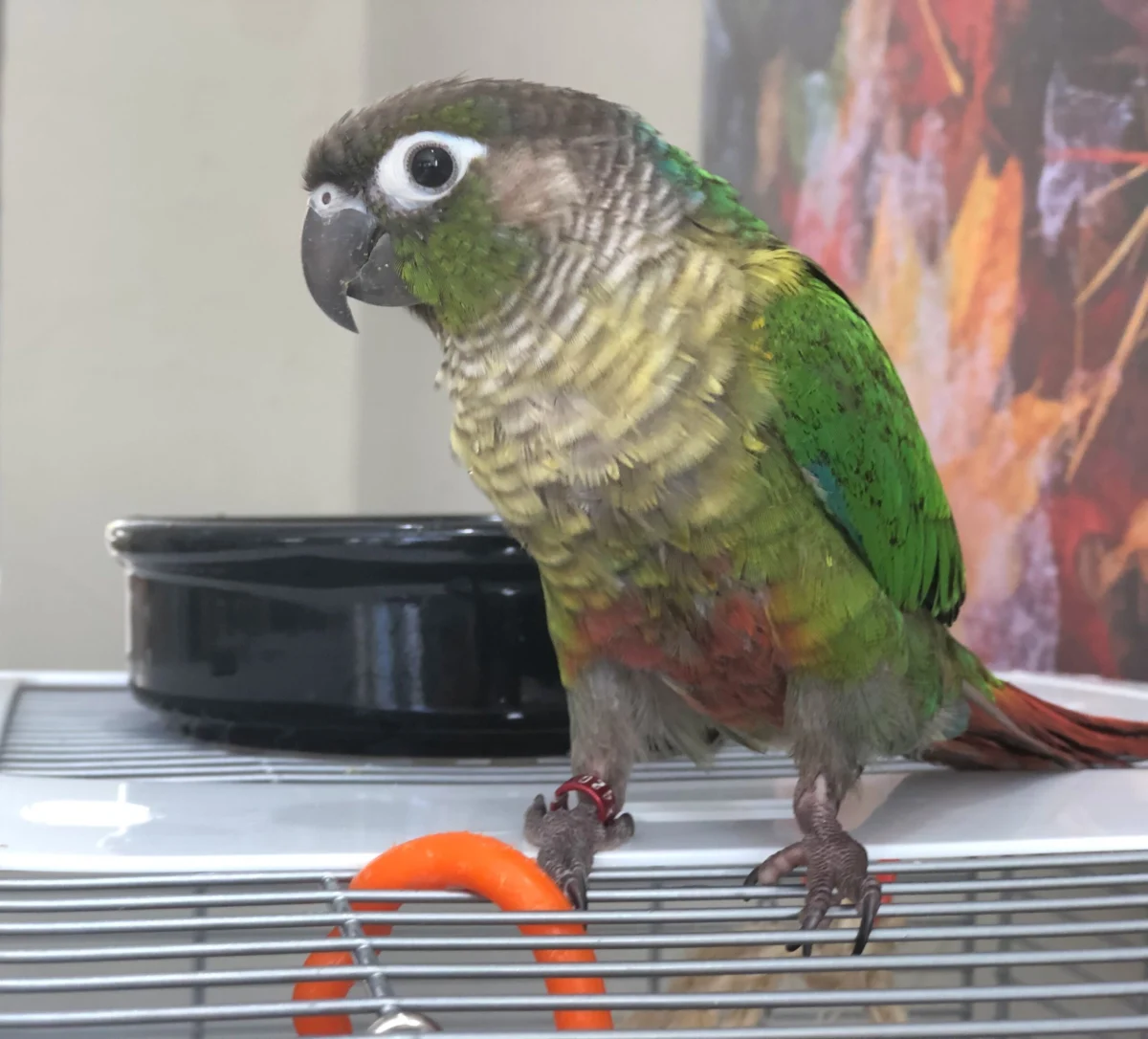
Indoor bird owners frequently encounter issues of itchiness, excessive feather dust, and discomfort in their avian companions, particularly during the winter months or periods of molting. These symptoms, while often benign and manageable, signal an imbalance in the bird’s environment, primarily stemming from dry indoor air. Understanding the distinction between normal seasonal adjustments and signs requiring veterinary intervention is paramount for ensuring the well-being of pet birds. This guide delves into the underlying causes, effective home management strategies, and critical indicators for professional veterinary consultation, offering a holistic approach to avian skin and feather health.
The Environmental Impact: Understanding Dry Indoor Air
The transition to colder seasons often necessitates increased indoor heating, a practice that, while ensuring human comfort, drastically reduces ambient humidity. For birds, whose natural habitats are typically more humid, this dry air can be a significant stressor on their integumentary system. Avian skin, delicate and covered by feathers, relies on a certain level of moisture to remain supple and healthy. Similarly, feathers, composed primarily of keratin, can become brittle and prone to breakage in arid conditions. The preen gland (uropygial gland) produces oils that help waterproof and condition feathers, but its efficacy can be diminished when the surrounding air is excessively dry.
This environmental shift commonly brings symptoms to the surface. Owners may observe their birds scratching more frequently, producing an unusual amount of powdery feather dust (particularly noticeable in species like cockatiels and African greys, which naturally produce more powder down), or exhibiting general signs of discomfort. While nutrition plays a vital role in overall feather quality and skin health, if a bird’s diet has remained consistent and these symptoms emerge coincidentally with the activation of winter heating systems, reduced air moisture is invariably the primary culprit.
Identifying Normal Versus Concerning Symptoms
A critical step for any bird owner is to accurately interpret their bird’s behavior and physical signs. Many symptoms can be attributed to environmental dryness or the natural process of molting, but others serve as clear warnings that professional veterinary care is required.
-
Usually Normal Signs (Often Linked to Dry Air or Molt):
- Increased scratching and preening, especially around developing pin feathers.
- A noticeable increase in feather dust or dander.
- Mild flakiness on the skin, particularly on unfeathered areas like feet or cere.
- Temporary dullness of feathers that resolves with improved humidity and bathing.
- Slight discomfort during a heavy molt as new feathers push through.
-
Signs That Are Not Normal (Require Veterinary Attention):
- Open Wounds or Bleeding Feathers: These indicate trauma, severe plucking, or an underlying medical condition not caused by dry air alone.
- Bald Patches or Significant Feather Loss: Beyond normal molting patterns, this can signal nutritional deficiencies, parasites, infections, or behavioral plucking.
- Sudden Behavioral Changes: Lethargy, loss of appetite, changes in droppings, or unusual vocalizations alongside skin issues may point to systemic illness.
- Feathers that appear chewed, broken, or actively pulled out: This is distinct from preening and indicates a deeper behavioral or medical problem.
- Skin lesions, redness, swelling, or persistent irritation: These can be signs of infection, allergy, or other dermatological issues.
- Unusual lumps or bumps under the skin.
- Any sign of pain or distress that seems disproportionate to mild itchiness.
If any of these "not normal" signs are observed, contact an avian or exotics veterinarian immediately. These conditions are beyond the scope of home management and necessitate a professional diagnosis and treatment plan.
The Bathing Conundrum: Dry Air vs. Method Misunderstanding
One of the most common challenges bird owners face is determining whether their bird’s discomfort stems from a lack of humidity in the air or an aversion to the bathing method being offered.
-
The Dry Air Problem: When the primary issue is dry indoor air, baths offer only temporary relief. The bird might seem comfortable immediately after bathing, but itchiness, dustiness, or discomfort quickly return, sometimes within hours. This indicates that the ambient humidity is too low to sustain skin and feather health between baths, regardless of how often bathing occurs. Even if the bird bathes regularly, the dryness persists.
-
When the Bathing Method is the Problem: If a bird actively avoids baths—fluffing up, squawking, or backing away the moment water is presented—it’s rarely because they dislike being clean. More often, the method of bathing is the source of discomfort or perceived threat. Birds are individuals with distinct preferences. Some may tolerate or even enjoy a gentle mist from a spray bottle, while others find it terrifying. Many prefer a shallow dish of water, a damp leafy green to rub against, or even to perch in a steamy bathroom.
Avian veterinarians consistently advise offering the opportunity for daily bathing, especially in dry environments, rather than forcing the act. The key is choice. This can manifest in various ways:
- A shallow dish of fresh, comfortably warm water: Placed in a familiar, safe spot.
- Wet, leafy greens (e.g., romaine lettuce, kale): Many birds enjoy rubbing against these.
- A gentle, fine mist from a clean spray bottle: Aimed slightly above the bird, simulating light rain, rather than directly at them.
- Shower perches: Allowing the bird to join you in the shower, away from direct spray but benefiting from the steam.
- A "bird bath" fountain: Some birds are intrigued by moving water.
The crucial takeaway is that daily access to bathing options is beneficial, but forcing a bath is counterproductive and can erode trust. When birds are given control and options, bathing often ceases to be a struggle and becomes a natural part of their self-care routine. The accompanying video demonstrates a bird comfortably interacting with a gentle mist, illustrating the desired outcome of self-directed bathing.
However, it is vital to distinguish these issues from more severe problems. If there is visible skin damage, feather loss that does not align with a normal molt, or signs of pain or significant discomfort, neither bathing nor humidity alone will suffice. These are indicators of a deeper issue requiring professional diagnosis.
Immediate Interventions and Long-Term Strategies
Addressing dry skin and feather discomfort requires a multi-pronged approach, starting with environmental adjustments and potentially incorporating nutritional support.
-
Prioritize Safe Winter Bathing Basics:
- Comfort over Saturation: The goal is to provide moisture, not to drench the bird, especially in colder temperatures.
- Comfortably Warm Water: Avoid cold or excessively hot water. Test the water temperature on your wrist.
- Prevent Chilling: Ensure the bathing area is warm and draft-free. Birds should never be left to shiver or become chilled after bathing. Offer a warm spot to dry, but avoid direct heat lamps unless specifically advised by a vet for illness.
- Gentle Approach: Use a fine mist, a shallow dish, or wet greens. Avoid forceful sprays.
-
If Feathers Look Dusty and Skin Seems Dry (Focus on Environment):
- Increase Ambient Humidity: This is often the most impactful intervention.
- Humidifiers: A high-quality humidifier, particularly an ultrasonic or evaporative model, can significantly raise the humidity in the bird’s immediate environment or the entire room. Ensure it’s clean and free of mold.
- Nebulizers: For targeted, fine mist, a bird-safe nebulizer can be used for short periods.
- Strategic Water Placement: Placing shallow dishes of water near heat sources (but out of direct reach) or growing bird-safe plants can slightly contribute to humidity.
- Shower Steam: Allowing the bird to spend time in a steamy bathroom (without direct contact with hot water or strong chemicals) can provide a beneficial humidity boost.
- Increase Ambient Humidity: This is often the most impactful intervention.
-
If Environmental Fixes Aren’t Enough (Consider Nutrition):
- After consistently improving humidity and offering gentle bathing options for several days to a week without significant improvement, diet becomes the next area to investigate. This is especially true for birds on seed-heavy diets, which are often deficient in crucial nutrients.
- Common Deficiencies: Low intake of Vitamin A, Vitamin E, and Omega fatty acids is prevalent in indoor birds, particularly those consuming inadequate diets. These nutrients are vital for skin integrity, feather growth, and overall immune function.
- Careful Supplementation: Small, consistent additions of these nutrients can support skin comfort and feather quality over time. The emphasis is on sparing and consistent use, avoiding the simultaneous introduction of multiple new products, which can complicate assessment of effectiveness or even lead to over-supplementation.
- Targeted Support: Products like the "Healthy Start Feather & Skin Kit" are designed to offer balanced, light support. Such supplements are intended to complement good husbandry and veterinary care, not replace them. Always follow package instructions and observe your bird’s response over several weeks, adjusting gradually as needed.
- Expert Insight: Avian wellness educators, such as Diane Burroughs, LCSW, advocate for a "nutrition and behavior-first, science-backed care" philosophy. This approach underscores the foundational role of diet and environment in preventing and managing common avian health issues.
What Actually Helps—and What Often Backfires
When a bird resists bathing, the natural human instinct is often to try harder or be more persistent. However, in the context of avian care, this typically exacerbates the problem. The most effective strategies involve reducing irritation and empowering the bird with control over its comfort.
-
What Tends to Help When a Bird Avoids Baths:
- Calm, Consistent Offerings: Present water calmly and regularly, so bathing never feels like a punishment or forced interaction.
- Varied Bathing Styles: Experiment with different methods (mister, dish, wet greens, shower steam) to discover your bird’s preference.
- Comfortably Warm Water: Ensure the water temperature is pleasant.
- Positive Reinforcement: Associate bathing opportunities with positive experiences, even if it’s just quiet presence nearby.
- Indirect Contact: Offer water as a gentle mist from above, mimicking light rain, rather than a direct, forceful spray.
-
What Often Backfires:
- Forcing Baths: This can lead to fear, stress, and a complete aversion to water.
- Using Water as a Punishment: Spraying a bird to interrupt unwanted behavior creates a negative association with water and destroys trust.
- Cold Water or Strong Sprays: These can be startling and uncomfortable for a bird.
- Sticking to One Method: Insisting on a spray bottle when the bird clearly dislikes it will not yield positive results.
- Assuming Resistance is "Hatred": It’s more accurate to assume the current method isn’t comfortable or safe for the bird yet.
A Quick Note on Safety: Any setup for humidity or bathing must be meticulously clean, free of added fragrances, and well-maintained. Dirty humidifiers can aerosolize bacteria or mold, leading to respiratory issues. Fragranced products can irritate a bird’s sensitive respiratory system. Cold drafts during or after bathing can cause hypothermia. These environmental hazards can create new problems that mimic skin or feather issues but are, in fact, due to improper care.
| WHAT OFTEN HAPPENS | TRY THIS INSTEAD |
|---|---|
| Spraying suddenly, or using water to interrupt behavior. | Offering water calmly and separately, so bathing doesn’t feel like correction. |
| Bathing only when it fits our schedule. | Offering water regularly and letting your bird choose when they’re interested. |
| Sticking with one bathing style even if the bird avoids it. | Trying a few different options and watching which ones your bird feels comfortable with. |
| Strong spray, cold water, or water aimed directly at the body. | Gentle mist, comfortably warm water, or indirect contact from above – like light rain. |
| Assuming resistance means "my bird hates baths." | Assuming this particular method doesn’t feel safe or comfortable yet. |
Molting and its Interplay with Dry Skin
Molting is a natural, cyclical process where birds replace old, worn feathers with new ones. This period can exacerbate underlying skin and feather issues, particularly if the environment is dry.
-
Why Molt Can Make Everything Feel Worse: During a molt, numerous new feathers, encased in keratin sheaths (pin feathers), push through the skin simultaneously. If the skin is already dry or irritated, this process can become intensely uncomfortable or even painful. Dry indoor air tightens the skin, intensifying the sensation and leading to increased scratching and preening. Birds are not misbehaving; they are actively seeking relief from discomfort.
-
Why Early Support Matters: Proactive support for skin comfort early in the molting process can significantly reduce the urge to scratch and over-preen. Comfortable skin facilitates smoother feather growth, minimizing the chances of normal grooming escalating into a habitual or obsessive behavior that could lead to feather damage or plucking. Small, consistent changes implemented early on are far more effective than trying to manage severe issues later.
-
What This Is—and Isn’t: It is crucial to understand that dry air alone does not typically cause severe feather destruction or true feather plucking. While dry air can intensify discomfort and contribute to excessive preening during a molt, leading to some feather damage, active breaking or pulling of feathers usually indicates more complex underlying issues—behavioral, medical, or psychological—that go beyond simple humidity or bathing problems.
Early signs worth paying attention to (signs to adjust support early—not reasons to panic):
- Increased duration or intensity of preening.
- More vocalizations during preening.
- Reddened skin under developing pin feathers.
- Feathers that appear frayed at the tips despite regular preening.
When to Stop and Call a Veterinarian
While environmental adjustments and gentle care can be highly effective for mild, seasonal issues, knowing when to seek professional veterinary intervention is critical for preventing escalation and ensuring your bird’s long-term health.
-
Call a vet if you see:
- Damaged skin, raw patches, or open sores.
- Feather loss that is not part of a normal molt (e.g., bald spots, asymmetrical loss, or loss of mature feathers).
- Any signs of pain, lethargy, or loss of appetite.
- Feathers that appear actively broken, chewed, or pulled out.
- Blood on feathers or skin.
-
Do not wait if:
- Your bird is self-mutilating.
- The skin is bleeding or appears infected.
- There is rapid, unexplained weight loss.
- Your bird exhibits severe changes in behavior, such as extreme aggression or withdrawal.
-
Why Timing Matters: Early veterinary intervention can often identify and address underlying medical conditions, nutritional deficiencies, or behavioral issues before they become chronic or severe. Prompt diagnosis leads to more effective treatment and a better prognosis for your bird. Waiting too long can allow treatable conditions to worsen, potentially leading to permanent feather damage, skin infections, or entrenched self-mutilating behaviors that are much harder to reverse.
What Should Happen Next?
The path to improved feather and skin health depends on the nature and severity of the problem.
- If this is mild and seasonal: You should observe a noticeable reduction in scratching and a return to calmer, more controlled preening within one to two weeks of implementing consistent humidity improvements and appropriate bathing opportunities.
- If this is related to molt: Feather comfort will gradually improve over several weeks as new, healthy feathers grow in and the molting process completes. Continued environmental support is key during this time.
- If nothing improves: If, after one to two weeks of diligent environmental and bathing adjustments, you do not notice significant improvements, it is time to contact your avian veterinarian. This indicates that the problem may be more complex than simple dry air or bathing preferences.
The overarching goal is to support your bird’s comfort, reduce environmental irritation, and recognize the point at which home adjustments are no longer sufficient, necessitating professional medical evaluation.
Related Resources for Bird Owners:
- "Why Is My Bird Molting and Itching? Complete Feather & Skin Care Guide"
- "How to Help a Molting Bird Without Making Things Worse"
- "Why Seed Diets Fail Birds During Molt (and What to Do Instead)"
- "Pin Feathers Explained: When Molting Gets Itchy"
- "Is My Bird Plucking or Just Having a Rough Molt?"
References:
- Chen et al., Frontiers in Physiology (2020)
- Cooper & Harrison, Avian Medicine: Principles and Application
- Lightfoot, Merck Veterinary Manual (2024)
- Diane Burroughs, LCSW – Licensed psychotherapist, ABA-trained behavior specialist, and avian wellness educator. With 30+ years of hands-on experience, Diane focuses on nutrition and behavior-first, science-backed care for pet birds.

