


The quest for a small, engaging parrot companion often leads enthusiasts to the vibrant world of conures. Among them, the crimson-bellied conure (Pyrrhura perlata) stands out as a particularly charming, if sometimes chaotic, candidate. Known for its clownish antics and friendly disposition, this species offers a unique blend of beauty and personality, making it a compelling choice for prospective bird owners. However, adopting any parrot is a significant, long-term commitment that necessitates thorough research and understanding of its specific needs. This article delves into the essential facets of the crimson-bellied conure, from its natural origins and wild behaviors to the detailed care requirements necessary for its thriving in a domestic environment.
| Name(s) (common, scientific) | Crimson-bellied conure, crimson-bellied parakeet, Pyrrhura perlata |
|---|---|
| Natural habitat | Brazilian Amazon basin, northern Bolivia |
| Adult size | Up to 10″ (25 cm) in length, 90 grams |
| Lifespan | 20+ years |
| Noise level | Low-Medium |
Distinctive Plumage: An In-Depth Look at Appearance
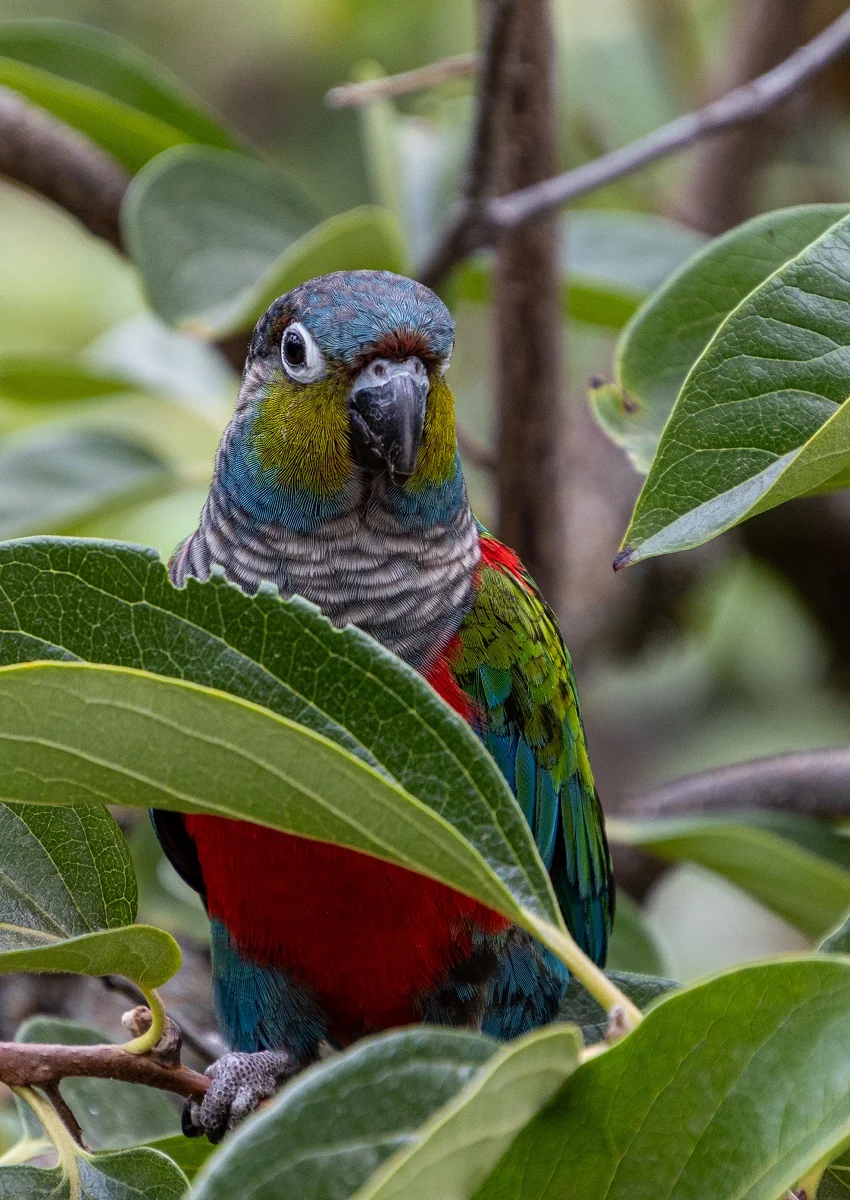
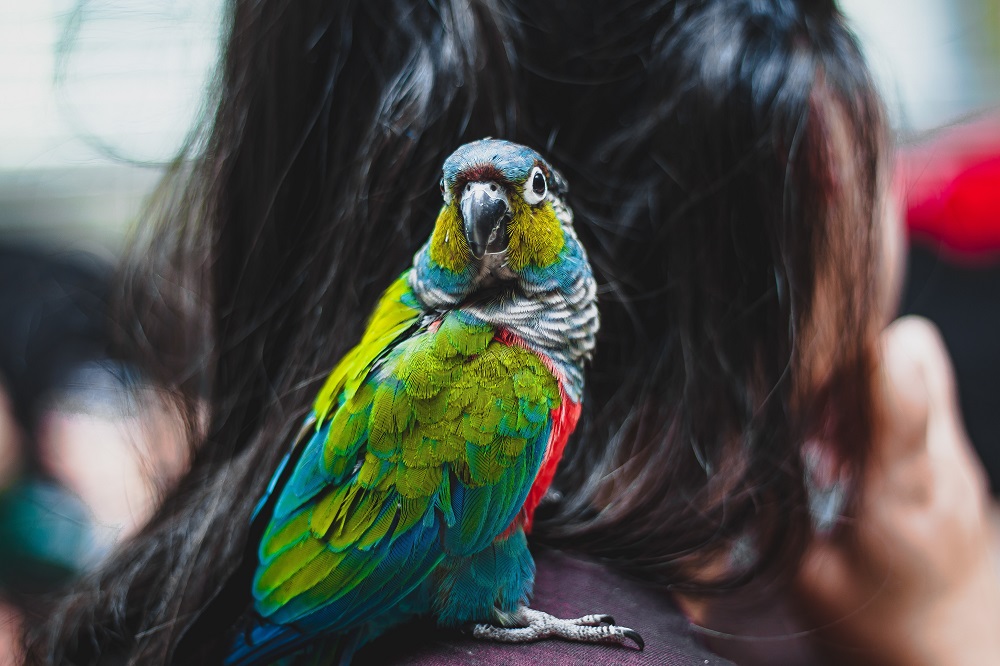
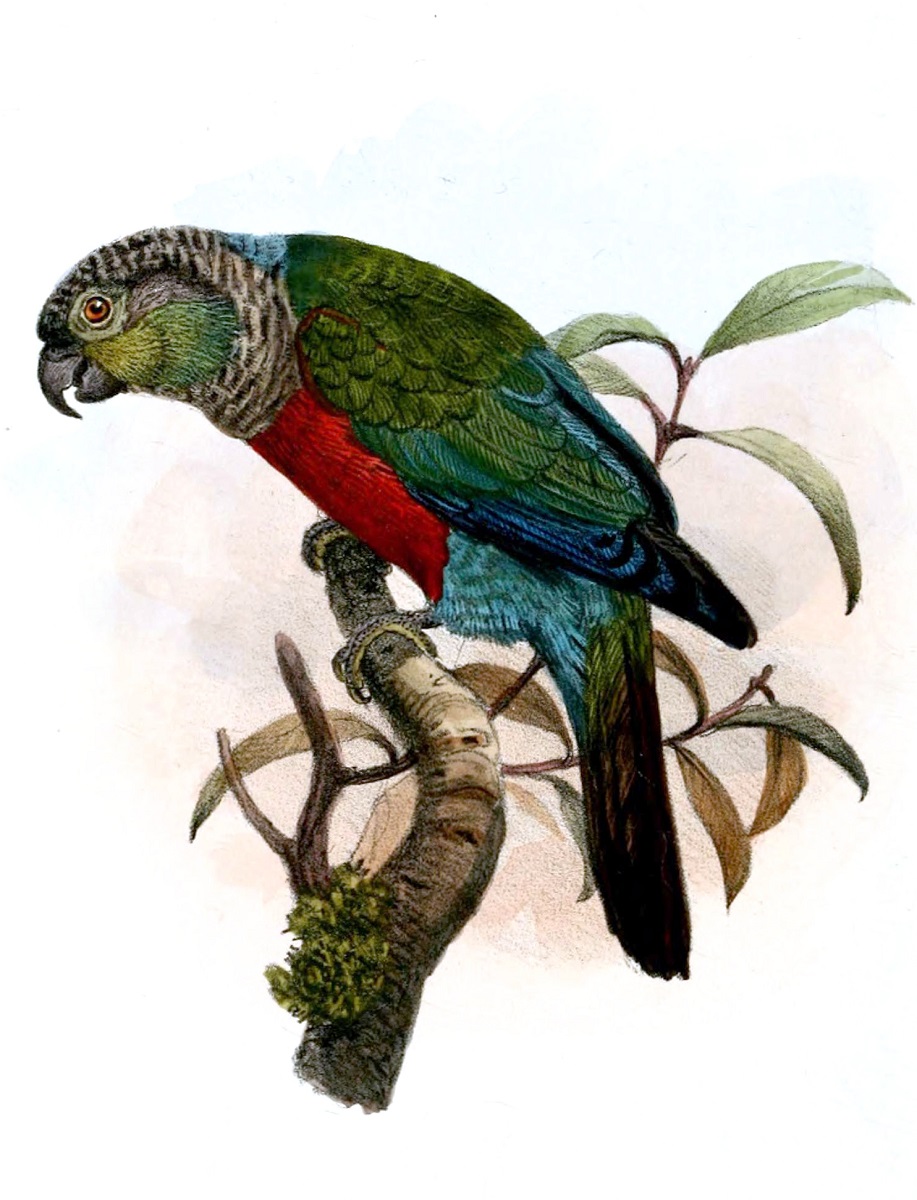
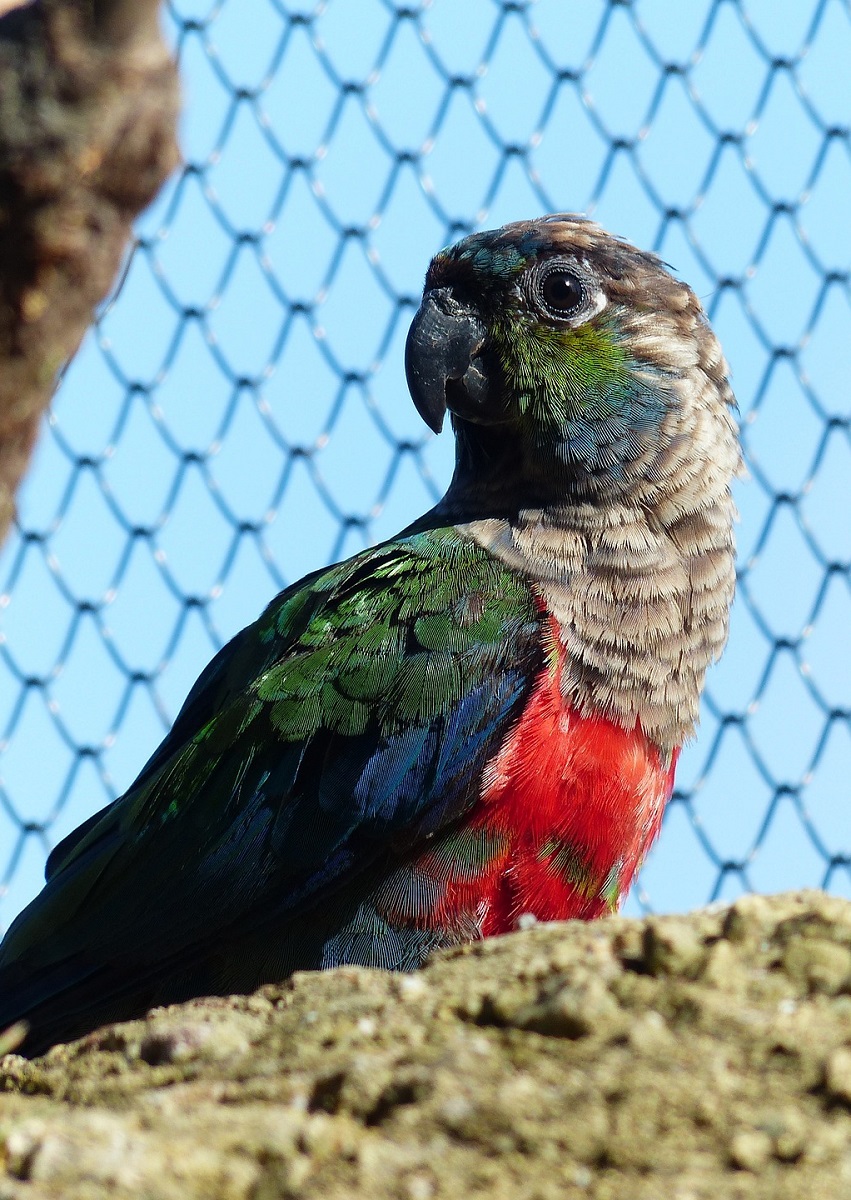
The crimson-bellied conure is renowned for its striking and intricate coloration, a spectacle even among the already diverse parrot family. As its name aptly suggests, the most prominent feature is the intensely vibrant crimson-red plumage adorning its belly. This fiery hue provides a dramatic contrast to the rich forest green that covers its back and the upper surfaces of its wings. The primary and secondary flight feathers often exhibit iridescent blue tones, adding another layer of visual complexity, especially when the bird is in flight or stretching its wings.
Its head is typically a muted grey, often with a slightly darker cap, which subtly transitions into a distinctive scale-like pattern across the breast. This scalloping effect, created by dark feather margins against a lighter base, is a hallmark of many Pyrrhura conures and adds remarkable depth to its overall appearance. Prominent white eye-rings encircle its dark eyes, lending an alert and intelligent expression. The beak is consistently black, and its legs and feet are grey.
This species is characterized by its relatively small and slender build, reaching an average adult length of approximately 10 inches (25 cm) from beak to tail tip, and weighing around 90 grams. Its tail is proportionately long, contributing to its agile flight. A fascinating aspect of their development is that juveniles may not immediately display the full intensity of their crimson bellies; this signature coloration often takes up to a year to fully mature, with younger birds exhibiting a more subdued or mottled red. A notable characteristic, common among many parrot species, is the lack of obvious visual differences between males and females (sexual monomorphism), meaning that DNA testing or surgical sexing is typically required for accurate identification.
Amazonian Roots: Habitat and Natural Range
The crimson-bellied conure’s natural domain lies within the vast and biodiverse central South American continent, primarily inhabiting the Brazilian Amazon Basin. Its stronghold is particularly concentrated in the state of Rondônia, an area known for its dense rainforest ecosystems. The species’ geographical range also extends southwards into the northern regions of Bolivia, where similar forest types provide suitable conditions.
Within its natural habitat, Pyrrhura perlata is predominantly found in lush rainforests that do not experience seasonal flooding, a specific type of environment known as terra firme forest. These forests are characterized by stable, well-drained soils and a rich canopy layer. While they thrive in dense, undisturbed primary forests, crimson-bellied conures exhibit a degree of adaptability, also frequenting forest edges and areas of secondary growth that have regenerated after disturbance. This flexibility allows them to persist in areas where human activity might have slightly altered the landscape.
Like most parrot species, wild crimson-bellied conures are highly social animals. They typically travel in small, cohesive flocks, a behavior that offers protection against predators and facilitates foraging. These flocks are sometimes observed mixing with other conure species, such as the Painted Conure (Pyrrhura picta), showcasing inter-species tolerance and shared resource utilization. For nesting, these conures rely on natural tree hollows, utilizing cavities in large, mature trees for raising their young, a critical aspect of their reproductive cycle that underscores the importance of old-growth forests.
The International Union for Conservation of Nature (IUCN) Red List currently classifies Pyrrhura perlata as a species of "Least Concern" in terms of its global conservation status. However, this assessment comes with a significant caveat: the population trend is noted as decreasing. The primary threats to this species, and indeed to much of Amazonian biodiversity, are ongoing deforestation and habitat degradation driven by agricultural expansion, logging, and infrastructure development. Additionally, localized hunting and the illegal pet trade can exert pressure on specific populations. While direct, targeted conservation efforts specifically for Pyrrhura perlata might be limited, broader initiatives aimed at protecting the Amazon rainforest and combating illegal wildlife trade indirectly benefit this and many other species.
Dietary Adaptations: From Wild Foraging to Captive Nutrition
The incredible biodiversity of the Amazonian rainforests has shaped the crimson-bellied conure’s diet, leading to a highly varied and adaptable foraging strategy in the wild. These conures are primarily frugivorous and granivorous, feasting on a wide array of resources available in their environment. They are particularly fond of wild figs and various other fruits, which provide essential sugars and vitamins. Beyond fruits, their diet includes diverse seeds and nuts, which offer crucial fats and proteins. They have also been observed consuming flowers and catkins, indicating a broader plant-based diet. Occasionally, they might supplement their diet with insects, particularly during breeding season, to meet increased protein demands.
A fascinating and critical aspect of their wild diet is their visits to clay licks. These natural formations, rich in minerals, serve as vital dietary supplements. By consuming soil from these licks, parrots like the crimson-bellied conure are believed to ingest important micronutrients and minerals that may be scarce in their regular diet. Furthermore, the clay is thought to help neutralize plant toxins that might be present in some of the fruits and seeds they consume, acting as a natural detoxifying agent.
In a captive setting, replicating the nutritional diversity of their wild diet is paramount for the health and longevity of a pet crimson-bellied conure. Avian veterinarians universally recommend a diet centered around high-quality commercial pellets, such as those from reputable brands like Harrison’s, Roudybush, or ZuPreem. Pellets are formulated to be nutritionally complete and balanced, providing a consistent intake of vitamins, minerals, proteins, and fats. This stands in stark contrast to seed-based diets, which are notoriously deficient in essential nutrients like Vitamin A and calcium, often leading to severe malnutrition and associated health problems.
Supplementing the pellet staple, a wide variety of fresh, bird-safe vegetables should be offered daily. Examples include dark leafy greens (kale, spinach, romaine), bell peppers, carrots, broccoli, zucchini, and sweet potatoes. Fresh fruits, such as apples, berries, melon, citrus segments, and grapes, can be offered regularly but in smaller quantities due to their higher sugar content. Other suitable additions include cooked whole grains like quinoa, brown rice, and barley, as well as pesticide-free foraged grasses and edible flowers. Occasional treats, such as a few sunflower seeds or a small piece of unsalted nut, can be given in moderation as rewards during training or for enrichment. Crucially, certain foods like avocado, chocolate, caffeine, alcohol, and fruit pits/seeds (e.g., apple seeds) are toxic to parrots and must be strictly avoided.
Finally, ensuring 24/7 access to fresh, clean water is non-negotiable. Water should be provided in multiple sources, such as a sturdy dish and potentially a water bottle, and changed at least twice daily to maintain hygiene. A healthy, balanced diet is the cornerstone of a happy and long-lived parrot, directly impacting their energy levels, feather quality, immune system, and overall vitality.
Creating a Sanctuary: Housing and Environmental Enrichment
Despite their relatively small stature among parrots, crimson-bellied conures are incredibly active and energetic birds. Their housing environment must reflect this need for movement and exploration. The general rule for parrot cages is to acquire the largest one that space and budget allow. For a crimson-bellied conure, a cage measuring at least 36 inches (90 cm) wide, 24 inches (60 cm) deep, and 36 inches (90 cm) high should be considered an absolute minimum, especially if the bird will not have extensive daily out-of-cage time. If daily free-flight opportunities are limited or non-existent, a larger indoor aviary is strongly recommended to prevent physical and psychological issues. The bar spacing of the cage is also critical; it should be narrow enough (e.g., 0.5 to 0.75 inches) to prevent the bird from escaping or getting its head caught.
The cage structure itself should be made from durable, bird-safe materials such as stainless steel or powder-coated metal, avoiding galvanized wire which can pose a health risk. Within the cage, a variety of natural wood perches are essential. Unlike uniform plastic or dowel perches, natural branches of varying diameters (from ¾ inch to 1 ½ inches) and textures allow the bird’s feet to exercise different muscles and prevent pressure sores, a common issue with improper perches. Safe woods include manzanita, java wood, apple, and pear branches. Perches should be strategically placed to allow for climbing and movement, without obstructing flight paths or allowing droppings to contaminate food and water dishes.
Beyond the physical enclosure, the mental and physical well-being of a crimson-bellied conure hinges on robust environmental enrichment. All parrots are highly intelligent beings that require constant mental stimulation to thrive. Boredom can lead to severe stress, which manifests in a range of undesirable behaviors, including excessive screaming, destructive chewing of inappropriate items, feather plucking (a complex issue often linked to stress and lack of stimulation), obesity due to inactivity, and even aggression towards owners or other pets.

To combat boredom and promote a healthy parrot, a diverse enrichment program is vital:
- Toys: Provide a wide assortment of toys designed for different purposes. Chew toys made from safe woods, cardboard, or natural fibers satisfy their natural urge to chew and keep their beaks conditioned. Shredding toys offer a similar outlet. Foraging toys, which require the bird to manipulate objects to access hidden treats, mimic their natural food-finding behaviors and provide excellent mental exercise. Puzzle toys challenge their problem-solving abilities. Toys should be rotated frequently (e.g., weekly) to maintain novelty and interest, and always checked for wear and tear to ensure safety.
- Social Interaction: Daily, positive interaction with human family members is crucial. This can involve playtime, gentle handling, training sessions, or simply allowing the bird to be part of family activities. Conures thrive on attention and can become deeply bonded with their owners.
- Foraging Opportunities: Beyond dedicated foraging toys, owners can creatively hide small portions of food within the cage, under paper, or in specific foraging stations to encourage natural behaviors.
- Training: Positive reinforcement training is an excellent way to provide mental stimulation, strengthen the bond between bird and owner, and teach practical behaviors like step-up/step-down, recall, and even fun tricks.
- Bathing: Regular bathing opportunities are important for feather health and hygiene. This can be provided via a shallow dish of fresh water placed in the cage, a dedicated bird bath, or gentle misting with a spray bottle using lukewarm water.
- Environmental Stimuli: Exposure to natural light (or full-spectrum avian lighting with UVB) is vital for vitamin D synthesis and overall health. Providing access to safe music, radio, or even television (with appropriate content) can also offer environmental stimulation.
- Bird-Proofing: Any room where a conure has supervised out-of-cage access must be meticulously bird-proofed. This involves identifying and removing potential hazards such as toxic houseplants (e.g., philodendron, oleander), exposed electrical wires, open windows or doors, ceiling fans, hot stoves, open toilets, candles, diffusers, and access to household cleaners or chemicals. Small ingestible items like jewelry, rubber bands, or plastic pieces must also be removed. Other pets, especially cats and dogs, should be supervised closely, as even a playful nip can cause fatal infection in a bird.
Personality and Interaction: The Temperament of Pyrrhura perlata
Conures of the Pyrrhura genus are widely regarded as some of the most endearing and popular parrots kept as pets, and the crimson-bellied conure perfectly embodies many of their most cherished traits. Often described as "lovable rogues," these birds combine a playful, cheeky, and curious nature with a deeply affectionate side. A well-socialized crimson-bellied conure will readily bond with its human caregivers, often seeking out physical contact. They are known for their willingness to cuddle on a shoulder, burrow into clothing, and eagerly solicit head scratches and gentle petting.
Their clownish demeanor manifests in various ways: they are perpetually curious, exploring their surroundings with gusto, and often engaging in comical antics that entertain their owners. This inherent playfulness means they require consistent interaction and stimulation to prevent boredom and destructive behaviors. While generally friendly, like all parrots, they can have moments of nipping, particularly during adolescence or if they feel threatened or overstimulated. Understanding parrot body language and respecting their boundaries is crucial for fostering a positive relationship.
Crimson-bellied conures are intelligent and quick learners, capable of being trained to perform various tricks and follow commands using positive reinforcement. Their ability to form strong bonds makes them excellent companions for individuals or families who are prepared for the decades-long commitment they represent. While they bring immense joy and entertainment, prospective owners must be realistic about the potential for chewed belongings (requiring plenty of appropriate chew toys) and the general "chaos" that comes with living with an active, intelligent parrot. For those who embrace their vibrant personalities and are dedicated to providing appropriate care, a crimson-bellied conure can become an irreplaceable, loyal friend.
Vocalizations and Communication: Understanding Conure Sounds
When considering a parrot for a home environment, understanding its vocalization habits is paramount. Among conure species, crimson-bellied conures are generally considered to have a lower-to-medium noise level compared to their often-boisterous cousins like Sun Conures or Jenday Conures. However, it is crucial to emphasize that "low-medium" for a parrot still means they are by no means quiet pets. No parrot is truly silent, and crimson-bellied conures are capable of producing a range of vocalizations that can be quite loud when they are excited, alarmed, or seeking attention.
Their repertoire typically includes chattering, chirps, and various contact calls used to communicate with their flock (or human family). When particularly agitated, upset, or seeking their owner, they can emit sharp, piercing screams. These vocalizations serve important functions in their natural environment, signaling danger, locating flock members, or expressing excitement. In a home, understanding the context of these sounds can help owners respond appropriately. For instance, alarm calls might indicate a perceived threat, while persistent screaming could signal boredom, loneliness, or a desire for interaction.
Prospective owners must honestly assess their tolerance for parrot noise, especially if living in apartments or close proximity to neighbors. It is highly recommended to listen to recordings of crimson-bellied conure calls, such as those available on platforms like xeno-canto.org, and ideally, to visit someone who owns one to experience their vocalizations firsthand before making a commitment.
Regarding their ability to mimic human speech, crimson-bellied conures, like most Pyrrhura conures, are not typically renowned for their talking prowess. While most parrots possess a remarkable knack for imitation, Pyrrhura perlata is generally not considered a highly talented talker. Many individuals may never learn to articulate complex words or phrases, though they often prove adept at mimicking household sounds like doorbells, phone rings, or even specific whistles. Expectations regarding speech should be tempered; if a talking bird is a primary desire, other species might be a more suitable choice. The joy of a crimson-bellied conure lies more in its affectionate nature, playful antics, and the unique bond it forms, rather than its linguistic capabilities.
Lifespan and Health: A Decades-Long Commitment
Adopting a crimson-bellied conure is not a short-term decision; it is a commitment that can easily span two decades or more. With proper care, a good dose of genetic luck, and a stable, enriching environment, these resilient birds can live for 20+ years, with some individuals exceeding 25 or even 30 years. This impressive longevity underscores the profound responsibility involved in bringing one into a home.
Several critical factors contribute to a conure’s lifespan and overall health:
- Diet: As previously discussed, a nutritionally complete pellet-based diet, supplemented with fresh vegetables and fruits, is fundamental to preventing deficiency-related illnesses and maintaining robust health.
- Housing and Environment: A spacious, stimulating cage with appropriate perches and a bird-proofed environment for out-of-cage time contributes significantly to physical and mental well-being, reducing stress and the risk of accidents.
- Enrichment and Mental Stimulation: A lack of enrichment can lead to chronic stress, manifesting in behavioral issues like feather plucking, aggression, and self-mutilation, which can severely impact health and lifespan.
- Hygiene: Regular cleaning of the cage, food, and water dishes is essential to prevent bacterial and fungal infections.
- Veterinary Care: Proactive veterinary care is paramount. This includes annual check-ups with an avian veterinarian, even if the bird appears healthy. These visits allow for early detection of potential health issues, routine blood work, and expert advice on diet and care. Owners should also be vigilant in recognizing signs of illness, which can include changes in appetite, lethargy, fluffed feathers, discharge from eyes or nares, changes in droppings, or unusual breathing patterns. Parrots are masters at hiding illness, so any subtle change should prompt a vet visit.
- Emergency Preparedness: Owners should be familiar with basic parrot emergency care and have the contact information of an avian veterinarian readily available. Accidents can happen, and prompt action can be life-saving.
Common health issues in parrots can include psittacosis (Chlamydiosis), Pacheco’s disease, Psittacine Beak and Feather Disease (PBFD), nutritional deficiencies (especially from seed-only diets), bacterial or fungal infections, and behavioral problems like feather plucking. A proactive approach to diet, environment, and veterinary care is the best defense against these challenges, ensuring a long and vibrant life for a crimson-bellied conure.
Responsible Ownership: Broader Implications
Beyond the specific care requirements, responsible ownership of a crimson-bellied conure, or any parrot, carries broader ethical and practical implications. Firstly, ethical sourcing is crucial. Prospective owners should always seek out birds from reputable breeders who prioritize the health and well-being of their birds, or consider adopting from avian rescue organizations. Avoiding wild-caught birds is vital for conservation efforts and ensures the bird has been socialized for a captive life.
The financial commitment extends far beyond the initial purchase price. The cost of a suitably large cage, a continuous supply of high-quality pellets, fresh produce, a diverse range of toys, and regular veterinary check-ups (which can be more expensive than for traditional pets) adds up significantly over two decades. Emergency veterinary care for parrots can be particularly costly.
The time commitment is equally substantial. Daily interaction, playtime, cleaning, and consistent training demand several hours a day, every day, for the entirety of the bird’s life. Parrots are not merely decorative cage ornaments; they are highly intelligent and social beings that require active engagement to thrive. Their well-being is directly proportional to the time and effort invested by their caregivers.
Finally, ongoing education is essential. Parrot care is a dynamic field, with new research and best practices continually emerging. Responsible owners remain committed to learning about their bird’s specific needs, behavior, and potential health issues throughout its life. This dedication ensures that the crimson-bellied conure, a truly rewarding companion, receives the best possible care and can enjoy a long, happy, and fulfilling life.
Conclusion: A Rewarding Companion for the Prepared Owner
The crimson-bellied conure, with its captivating colors, engaging personality, and relatively manageable noise level within the conure family, presents a compelling choice for those seeking a small parrot companion. Its clownish antics and affectionate nature can bring immense joy and a unique bond to a household. However, the decision to welcome one into a family must be approached with serious consideration and a deep understanding of the extensive commitment involved. From providing a species-appropriate diet and a stimulating living environment to ensuring consistent social interaction and lifelong veterinary care, the demands are significant. For individuals and families who are prepared to dedicate the time, resources, and unwavering attention required for a companion that can live for over two decades, the crimson-bellied conure offers a truly enriching and rewarding experience, becoming a cherished member of the family for years to come.

