


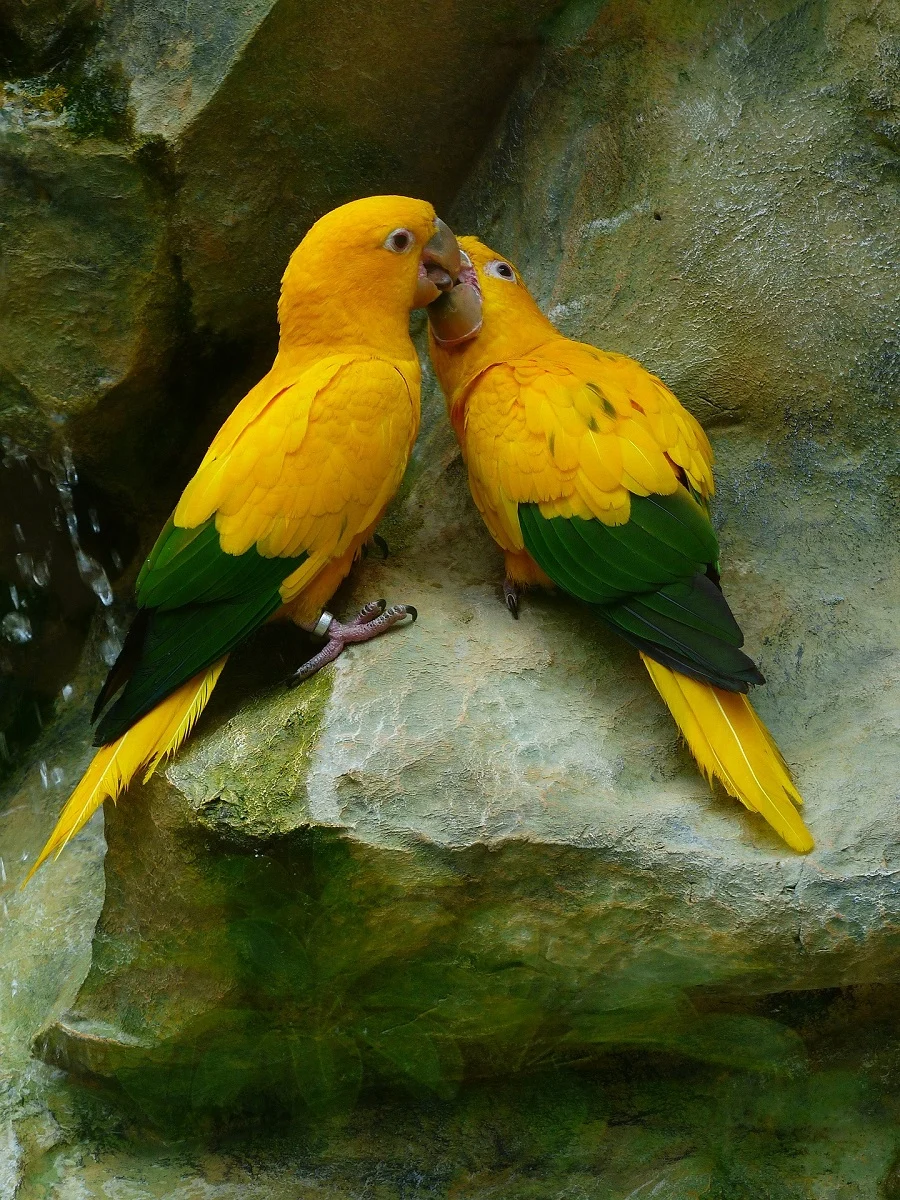
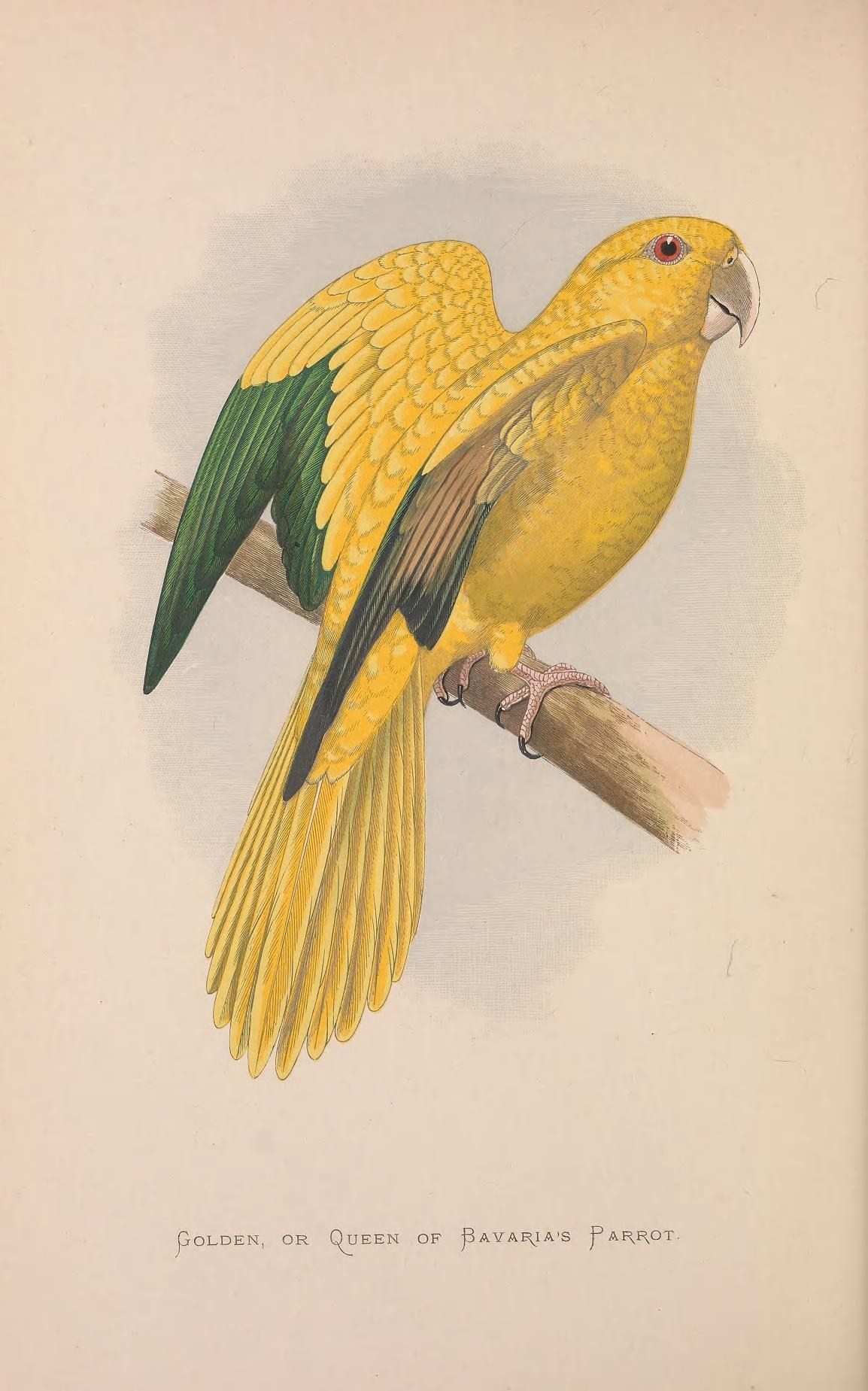
The golden conure, scientifically classified as Guaruba guarouba and historically known as the Queen of Bavaria conure, stands as one of the most visually striking and distinctive members of the global parrot family. Recognized for its luminous, uniform yellow plumage contrasted only by dark green wing tips, this medium-sized Neotropical bird has long captured the attention of ornithologists, conservationists, and aviculturists alike. Native exclusively to the Amazon Basin of Brazil, the species represents a unique evolutionary lineage within the Psittacidae family. However, despite its charismatic appearance and high profile in both local folklore and the international wildlife community, Guaruba guarouba remains classified as a vulnerable species by the International Union for Conservation of Nature (IUCN). Habitat fragmentation, historical collection pressures, and environmental degradation continue to threaten wild populations, prompting extensive scientific research and legislative protection measures across its native range.
Taxonomic Evolution and Scientific Classification
The classification of the golden conure has undergone significant revision over the past two centuries, reflecting broader shifts in avian taxonomy and the application of modern genetic analysis. Early ornithological records placed the species within several broader genera, including Conurus, Eupsittula, and Aratinga. For many decades, it was commonly grouped with various parakeet species under the genus Aratinga, though morphological and behavioral anomalies consistently suggested a more isolated evolutionary path.
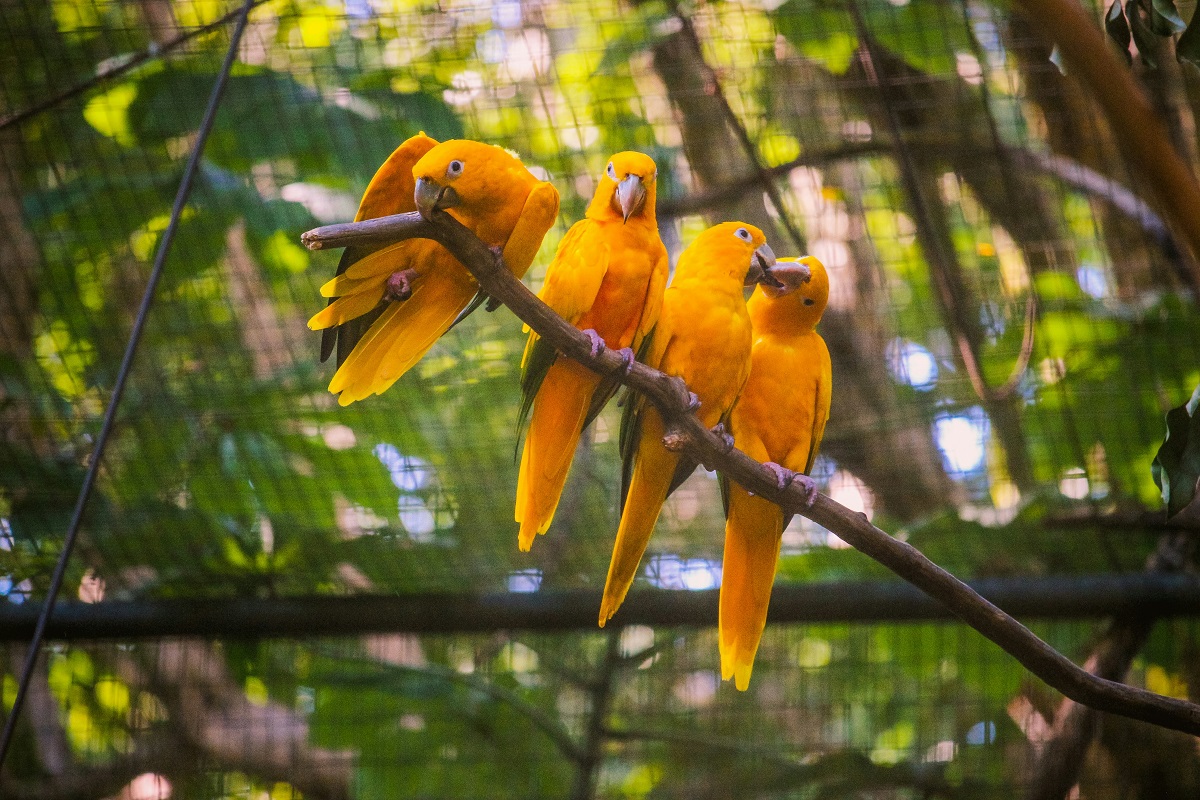
A major taxonomic stabilization occurred in 2006 when ornithologist Joseph Forshaw formally recognized the species under the monotypic genus Guaruba in his comprehensive reference work, Parrots of the World. This designation was subsequently validated by groundbreaking phylogenetic studies published in the same year. Molecular research analyzing mitochondrial and nuclear DNA sequences demonstrated that Guaruba is genetically distinct from Aratinga conures, revealing a closer evolutionary relationship to the red-shouldered macaws of the genus Diopsittaca. This genetic confirmation cemented the species’ status as the sole member of its genus, underscoring its unique position in avian evolution.
Geographical Distribution and Natural Habitat
Endemic to the tropical rainforests of the Brazilian Amazon Basin, the natural range of the golden conure is primarily centered in the state of Pará, with historical records extending marginally into neighboring Maranhão. Within this region, the species exhibits specific habitat preferences, favoring dry lowland forests, commonly known as terra firme. While these birds primarily inhabit dense forest canopies, observational studies indicate they occasionally venture into seasonally flooded areas, or várzea forests, in search of food and nesting locations.
The ecological behavior of Guaruba guarouba is characterized by a degree of nomadism. Field observations document that during the annual breeding season, populations frequently migrate away from dense jungle interiors toward more fragmented or secondary forest margins. Nesting ecology in the wild is similarly specialized; pairs and breeding groups utilize isolated hollow trees, often enlarging cavities originally excavated by other arboreal species. A notable biological feature of the golden conure is its communal breeding system, in which multiple females deposit eggs into a single communal nest, occasionally resulting in clutch sizes exceeding ten eggs.
Dietary Ecology in the Wild and Captive Management
In its native Amazonian ecosystem, the golden conure relies on a diverse, seasonally fluctuating diet consisting largely of forest fruits, flowers, and buds. Field research into the feeding ecology of reintroduced and wild populations highlights a strong preference for the fruits of native palm species, including açaí and bacaba, alongside native resources such as cashew, ice cream bean, nance, and locustberry. Furthermore, like many agricultural pests in avian communities, golden conures occasionally exploit cultivated farmlands, with documented instances of raiding corn and mango crops.
Translating this complex nutritional profile into captive husbandry requires careful dietary management to ensure long-term health and longevity. Avian veterinarians and researchers recommend a staple diet composed of high-quality formulated parrot pellets, which offer a balanced nutritional matrix superior to traditional, high-fat seed mixes. Captive diets are routinely supplemented with a wide variety of fresh vegetables, leafy greens, and seasonal fruits. To replicate natural foraging behaviors and mitigate psychological distress, professional handlers frequently employ foraging devices, encouraging captive specimens to expend physical and mental energy during meal times.
Housing, Enrichment, and Behavioral Requirements
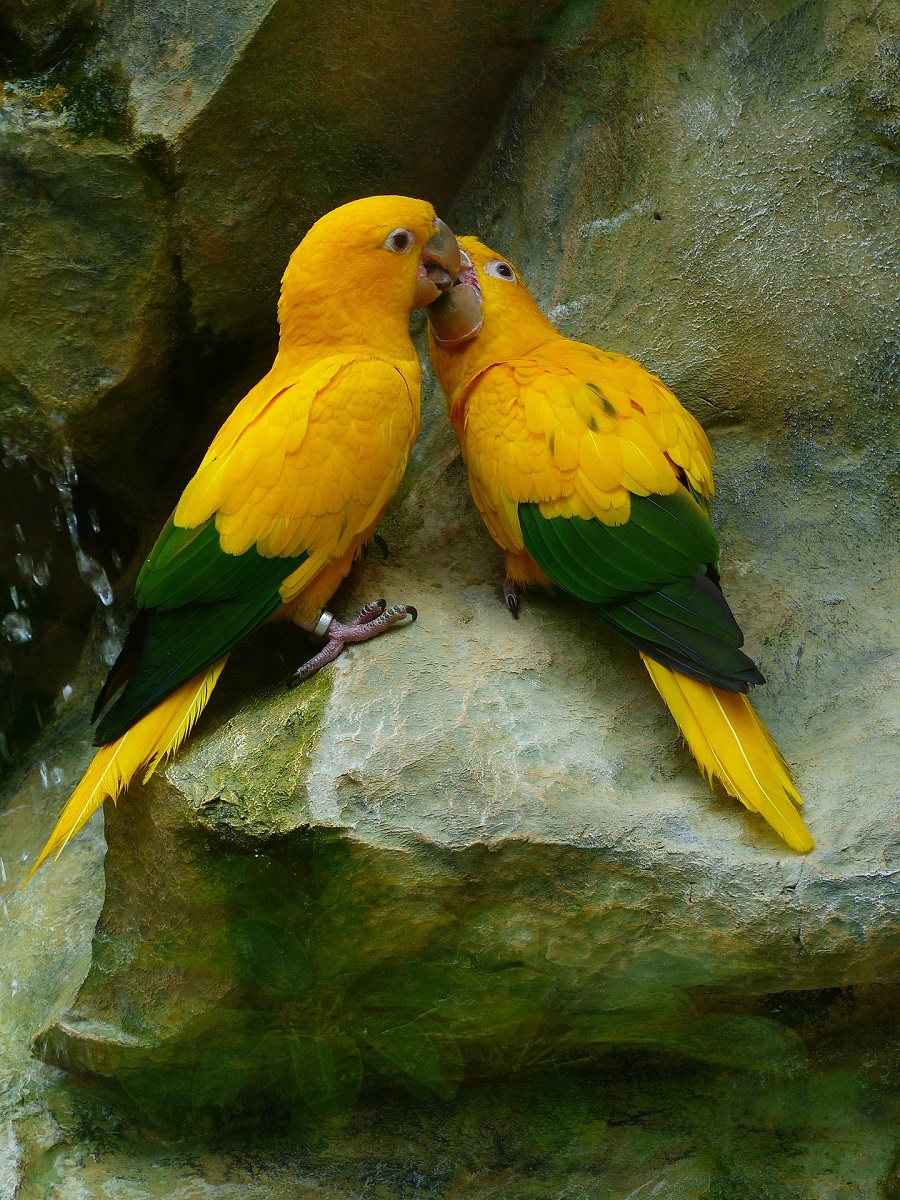
Maintaining a golden conure in a domestic or institutional setting demands specialized infrastructure due to the species’ physical dimensions and high intelligence. Adult specimens typically reach lengths of up to 14 inches (35 centimeters) and average approximately 250 grams in body weight. Consequently, housing units must be substantial, requiring either a dedicated indoor aviary or a primary cage with a minimum width of 40 inches, paired with out-of-cage privileges for several hours daily. Enclosures must incorporate natural wood perches, climbing structures, and robust chew toys to accommodate the birds’ natural inclination toward gnawing and object manipulation.
Behaviorally, golden conures are recognized for their high levels of social engagement and cognitive capacity. In the wild, these birds operate within tightly knit social structures, meaning captive specimens require consistent interaction to prevent stress-induced pathologies. Environmental deprivation frequently manifests as stereotypic behaviors, including excessive vocalization, self-destructive feather plucking, and stress-related aggression. To counteract these risks, owners utilize cognitive enrichment tools, puzzle feeders, and routine socialization protocols. Preventing obesity—a primary mortality factor in captive psittacines—remains a central objective in managing the daily routine of the species.
Temperament, Vocalizations, and Human Interaction
The temperament of the golden conure is frequently described as exceptionally affectionate, energetic, and sociable. Unlike many parrot species that form exclusive bonds with a single handler, golden conures often distribute their social attachments across multiple family members. They display high levels of playfulness and tolerance, though their demand for attention precludes them from being categorized as low-maintenance pets.
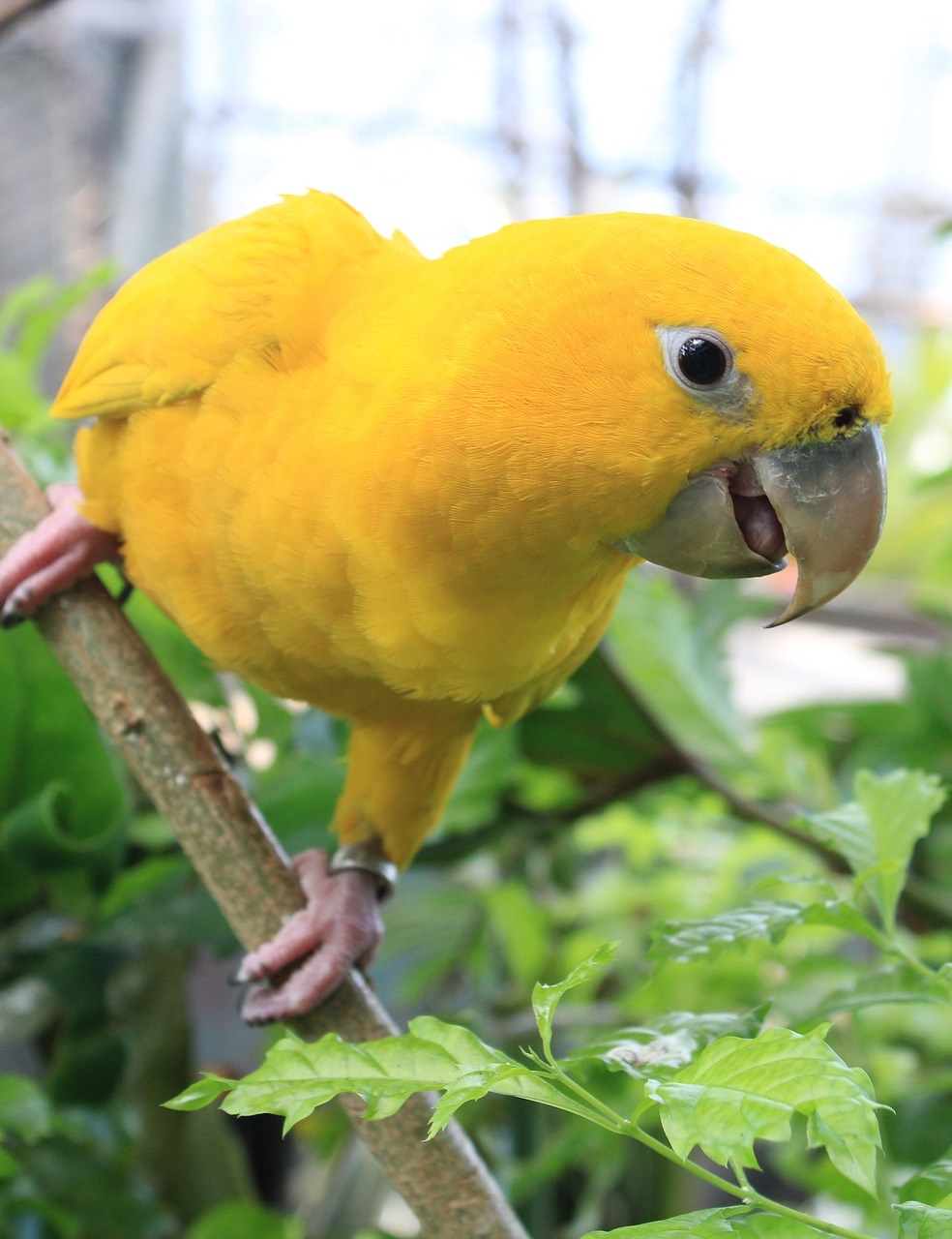
Vocal communication in Guaruba guarouba is characterized by moderate to high noise levels. While their vocalizations lack the piercing frequency associated with some conures of the Aratinga genus, their substantial body size endows them with powerful, resonant calls. Prospective owners are generally advised to evaluate their tolerance for avian noise prior to acquisition. Regarding vocal mimicry, golden conures possess the anatomical capability to imitate domestic sounds and articulate simple words or short phrases, though they are not widely recognized as prolific talkers among the parrot family, and their articulation is typically less distinct than that of larger amazon parrots or African greys.
Conservation Status and Anthropogenic Pressures
The conservation status of the golden conure remains a matter of ongoing international concern. Listed as Vulnerable on the IUCN Red List of Threatened Species, wild populations face continuous pressure from anthropogenic factors. While illegal trapping and commercial wildlife trafficking for the international pet trade have declined significantly due to stringent enforcement of the Convention on International Trade in Endangered Species of Wild Fauna and Flora (CITES Appendix I), habitat loss and fragmentation resulting from deforestation, agricultural expansion, and infrastructure development pose severe threats to remaining populations.
Historically, the species held considerable cultural and economic value for indigenous populations in Brazil, who prized both the live birds and their brilliant golden plumage—locally known as "Ararajuba." Historical accounts by naturalists such as Helmut Sick document instances of localized exploitation, including the illicit practice of dyeing other conure species to mimic the golden parakeet’s coloration in regional animal markets. Today, contemporary conservation strategies focus on habitat preservation, protected area management, and scientifically monitored reintroduction programs within the Brazilian Amazon, aiming to secure the long-term survival of this iconic Neotropical species.

