


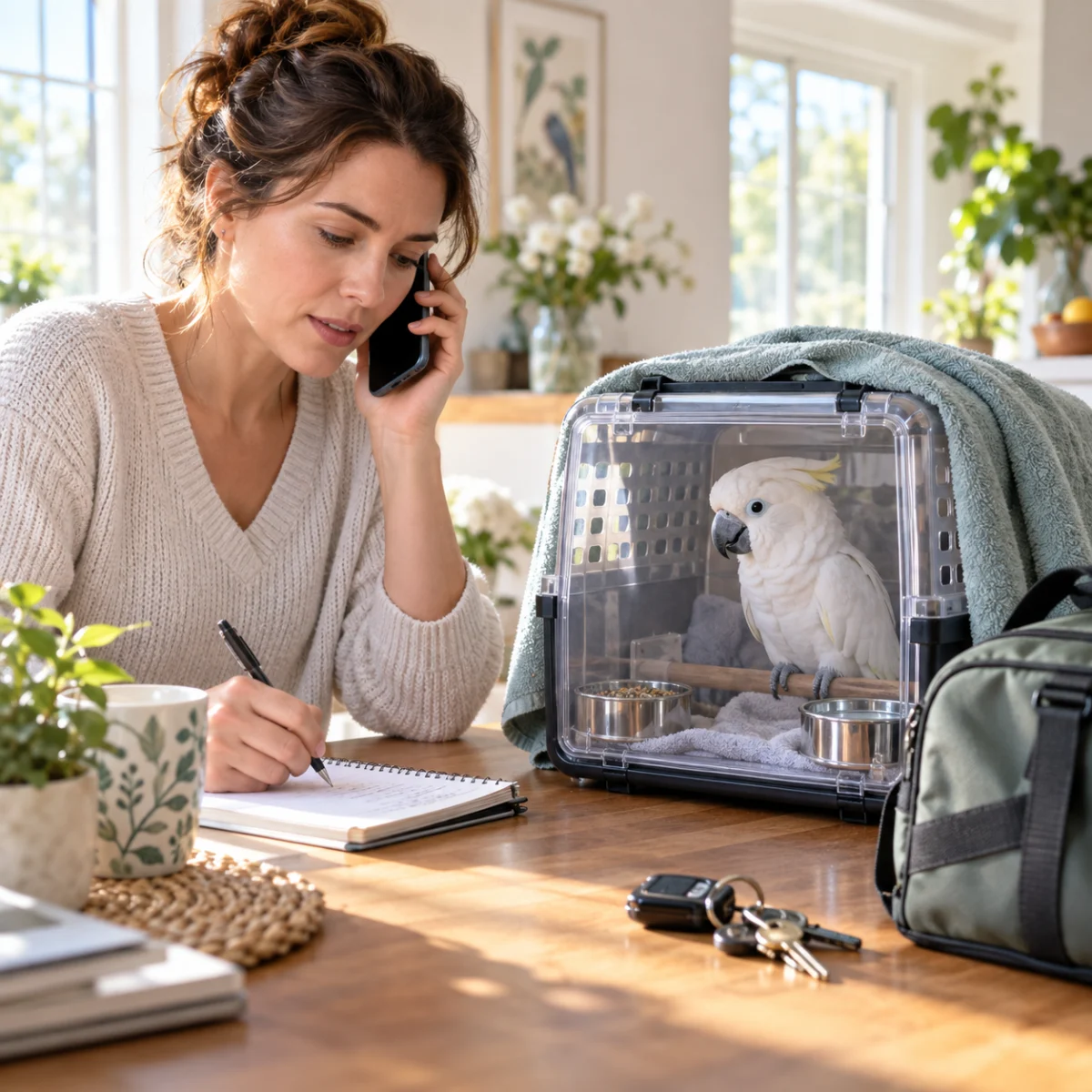
The medical landscape for avian patients is uniquely challenging, characterized by a significant shortage of board-certified specialists compared to the population of companion birds in private homes. According to data from the Association of Avian Veterinarians (AAV), while the demand for specialized pet care has surged by an estimated 15% annually since 2020, the number of practitioners dedicating their practice to avian medicine remains relatively static. For owners, this creates a high-stakes scenario when a bird experiences a medical crisis outside of traditional business hours or in regions where no specialized clinics operate.
The Anatomy of an Avian Medical Emergency
When a bird falls ill, the window for intervention is frequently smaller than that of dogs or cats. Due to their high metabolic rates and evolution as prey animals, birds are biologically predisposed to mask symptoms of illness until they are in a critical state. By the time an owner observes lethargy, fluffed feathers, or labored breathing, the condition is often advanced.
Veterinary experts emphasize that home-based "wait-and-see" approaches are frequently fatal. Symptoms requiring immediate, round-the-clock professional attention include, but are not limited to, uncontrolled hemorrhage, suspected ingestion of toxins—such as lead, zinc, or non-stick cookware fumes—seizures, collapse, or sustained respiratory distress. In these instances, the priority is not home treatment, but the immediate stabilization of the patient by a licensed professional.
Chronology of Action: A Strategic Protocol for Owners
The process of securing care should follow a tiered, logical progression to ensure that time is not wasted.
Phase 1: Leveraging the Existing Relationship
The first step is always to contact the bird’s regular veterinarian, regardless of the time of day. Many clinics maintain after-hours answering services that provide specific instructions for emergencies. If the clinic is closed, the voicemail may direct owners to a partner emergency facility or a specific on-call protocol. If the clinic is open but at capacity, the critical inquiry for staff is: "Where do you send your avian patients when you cannot accommodate an emergency?" This direct referral is the most efficient path to a facility that possesses the necessary equipment and expertise to handle avian patients.
Phase 2: Expanding the Search Parameters
If the primary veterinarian provides no leads, the search must broaden to include exotics-specialized practices, university teaching hospitals, and high-volume emergency veterinary clinics. It is a common misconception that a clinic must be "avian-only" to provide life-saving support. Many general practitioners or those specializing in "exotic animal medicine" possess the skills to perform basic triage, administer oxygen, or stabilize a patient until a specialized avian vet becomes available.
Phase 3: Communicating with Staff
When contacting a new facility, phrasing is critical. Rather than asking a binary question—"Do you have an avian vet?"—which often leads to a defensive "no" from staff concerned about liability, owners should inquire: "Do you have a veterinarian on duty today who is comfortable examining and stabilizing a bird?" This nuance allows the staff to consult with the attending doctor, who may be willing to assist with critical care even if they do not specialize in long-term avian wellness.
Supporting Data and Resource Allocation
The disparity between urban and rural veterinary access remains a primary concern for the avian community. In major metropolitan areas, 24-hour emergency hospitals often employ at least one veterinarian with an interest in exotics. However, in rural corridors, the nearest facility capable of handling an avian patient may be several hours away.
To mitigate these risks, the AAV and the American Board of Veterinary Practitioners (ABVP) maintain searchable directories of certified specialists. These databases are vital resources for establishing a "Plan B" before an emergency occurs. Furthermore, anecdotal evidence from avian rescue organizations suggests that local community groups—such as parrot clubs and specialized bird stores—often maintain "shadow lists" of local vets who, while not board-certified, have a reputation for providing competent emergency care to birds.
Stabilization: Bridging the Gap to Care
While in transit to a facility, the primary objective is to maintain the bird’s physiological stability. This is not a substitute for professional treatment but a method of reducing the animal’s caloric expenditure and stress.
- Isolation: Place the bird in a designated "hospital cage"—a smaller, simpler enclosure that limits mobility and prevents falls.
- Thermal Support: Ensure the environment is warm, as sick birds often struggle to thermoregulate.
- Observation: Minimize human handling and visual stimuli, which can induce panic in an already compromised patient.
- Transport Safety: Secure the cage during transit to prevent shifting or accidents that could exacerbate existing injuries.
Implications of Veterinary Scarcity
The current shortage of avian-capable emergency clinics has broader implications for animal welfare. As the popularity of companion parrots grows, so does the burden on the existing veterinary infrastructure. Veterinary teaching hospitals are increasingly vital in this ecosystem, as they often serve as the only facilities equipped with the specialized imaging, blood analysis, and surgical tools required for avian medicine.
The impact of this shortage is twofold: it forces owners to become highly proactive in their care planning, and it underscores the need for continued investment in exotic animal residency programs within veterinary schools. Without a shift in the availability of emergency care, the mortality rate for preventable avian emergencies remains tied to the geographic luck of the owner.
Preparedness as a Lifesaving Tool
The most effective strategy for any bird owner is the creation of an emergency contact list, compiled and printed well before a crisis arises. This document should include:
- The primary avian veterinarian’s office and after-hours emergency line.
- The contact information for the nearest 24-hour emergency animal hospital, with a note confirming their willingness to see birds.
- The address and phone number of the nearest veterinary teaching hospital.
- A list of local resources, including bird-specific rescues or avian-savvy practitioners in the region.
This document should be stored with the bird’s first-aid supplies. By having this information readily available, owners eliminate the panic-induced delay that often follows a sudden medical event.
Expert Perspectives and Industry Standards
Industry experts and practitioners generally agree that the responsibility for emergency preparedness rests with the owner. Dr. Diane Burroughs, a specialist in companion bird behavior and care, emphasizes that "stabilization is the bridge between home and the clinic." She notes that for many owners, the anxiety of a medical emergency is compounded by the confusion of not knowing where to turn. By formalizing a response plan, owners can act decisively.
Furthermore, veterinary clinics that handle avian emergencies are encouraged to maintain clear internal protocols for bird triage. These protocols, which often include pre-set oxygen concentrations and specific drug dosages calculated by weight, allow for faster intake of avian patients. The consensus among the veterinary community is that while avian medicine is indeed specialized, the fundamental tenets of emergency care—stabilization, diagnostic assessment, and timely treatment—are universal principles that can be applied across species when practitioners are properly informed and prepared.
In summary, when the primary avian veterinarian is unavailable, the path to care is not necessarily a dead end. By systematically working through a list of potential providers, asking the right questions, and prioritizing immediate stabilization, owners can significantly improve the prognosis for their bird during a medical emergency. The key to successful outcomes lies in the combination of pre-emptive planning, clear communication with veterinary staff, and an understanding of the difference between professional medical treatment and critical home stabilization.

