


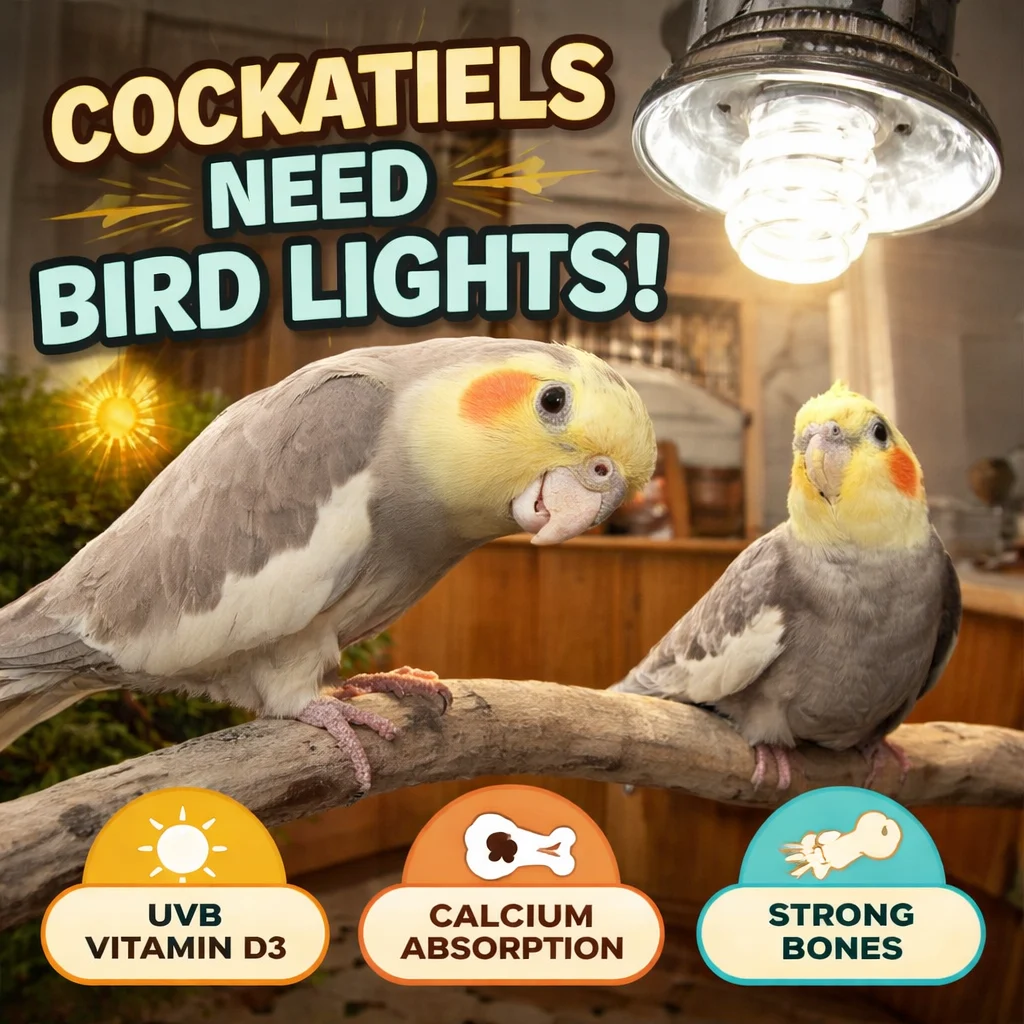
For a significant population of companion birds globally, particularly those residing exclusively indoors, a fundamental environmental element crucial for their physiological and psychological health remains largely absent: natural ultraviolet B (UVB) radiation. This deficiency, often overlooked by even the most diligent owners, can lead to a cascade of health issues, from subtle behavioral changes to severe metabolic diseases. This comprehensive guide aims to illuminate the necessity of proper avian lighting, demystifying the science behind it, outlining the risks of incorrect application, and providing actionable steps for ensuring optimal avian well-being.
The core premise is straightforward: if a bird lives indoors, adjacent to windows that filter UVB, and its owner questions the necessity or safety of specialized bird lights, then this information is directly applicable. Conversely, for owners already employing appropriate UVB lighting at correct distances and schedules, and whose birds exhibit robust grip strength, vibrant plumage, stable temperament, and coordinated flight, the focus shifts to maintaining these established best practices.
The Unseen Deficiency in Avian Companionship: A Diagnostic Overview
Many bird owners operate under the misconception that a brightly lit room or a perch by a sun-drenched window provides adequate light exposure. However, scientific understanding unequivocally demonstrates that this is insufficient. A quick diagnostic can often highlight potential underlying issues related to lighting:
| If Your Bird… | What It Often Means |
|---|---|
| Sits near a bright window but receives no direct sunlight | Standard window glass effectively blocks nearly all beneficial UVB radiation. A bright room provides visible light but not the specific wavelengths required for vital physiological processes, particularly usable vitamin D3 production. |
| Appears dull, less active, or irritable, especially in winter months | Reduced natural light exposure during shorter days can profoundly impact a bird’s calcium metabolism, hormonal regulation, and circadian rhythm, leading to lethargy, mood disturbances, and reduced vitality. |
| Consumes a high-quality, balanced diet but still exhibits weaker grip strength or feather decline | Despite excellent nutritional intake, the absence of light-dependent vitamin D3 activation prevents the proper absorption and utilization of dietary calcium and other minerals essential for skeletal strength and integumentary health. |
This table underscores a critical challenge in modern avian husbandry: the stark contrast between a bird’s evolutionary requirements and its captive environment.
The Science of Light: Why Indoor Brightness Falls Short
To comprehend the necessity of specialized avian lighting, one must first understand the specific components of light and their distinct biological roles for birds. The sun emits a spectrum of electromagnetic radiation, including visible light, infrared, and ultraviolet (UV) light. UV light is further categorized into UVA, UVB, and UVC.
- UVA (320-400 nm): This range is crucial for avian vision. Birds possess tetrachromatic vision, meaning they can see into the UVA spectrum, which allows them to perceive colors and patterns invisible to humans. UVA influences mate selection, foraging behaviors, and the recognition of ripeness in fruits. Most standard fluorescent and incandescent bulbs emit some UVA, but often not in the optimal intensity or spectrum.
- UVB (290-320 nm): This is the most critical range for vitamin D3 synthesis. When UVB radiation strikes the skin or preening oils on feathers, it converts a precursor molecule (7-dehydrocholesterol) into pre-vitamin D3.
- UVC (100-290 nm): This highly energetic and harmful radiation is largely filtered out by Earth’s ozone layer and should never be used in avian environments due to its carcinogenic and mutagenic properties.
The Critical Role of UVB for Vitamin D3 Synthesis
Unlike mammals, birds primarily synthesize vitamin D3 through exposure to UVB on their skin and preening oils. After exposure, the pre-vitamin D3 is absorbed or ingested during preening. It then undergoes hydroxylation in the liver to calcidiol (25-hydroxyvitamin D3) and subsequently in the kidneys to calcitriol (1,25-dihydroxyvitamin D3), the biologically active form of vitamin D. Calcitriol acts as a hormone, regulating calcium and phosphorus metabolism, essential for bone formation, nerve impulse transmission, muscle contraction, and eggshell production.
Without adequate UVB exposure, this vital pathway is interrupted. Even if a bird consumes a diet rich in calcium and vitamin D precursors, the body cannot convert them into the usable form of vitamin D3 required for proper absorption and utilization. This makes supplemental UVB lighting not merely beneficial, but an absolute necessity for indoor birds.
The Glass Barrier: A Scientific Explanation
A common misunderstanding is that sunlight passing through a window provides sufficient UVB. This is scientifically incorrect. Standard window glass, even clear panes, is designed to filter out the majority of UVB radiation. This property, while beneficial for protecting human skin and preventing fading of indoor furnishings, creates a biological barrier for birds. The specific wavelengths required for vitamin D3 synthesis simply do not penetrate standard glass in meaningful quantities. Furthermore, screens, polycarbonate panels, and other transparent materials can also significantly reduce UVB transmission. Therefore, a bird sitting by a "bright" window receives visible light and some UVA, but critically lacks the UVB essential for its health.
Beyond Bones: The Multifaceted Impact of UVB on Avian Health
The implications of UVB deficiency extend far beyond skeletal health. A comprehensive understanding reveals its profound impact across multiple physiological systems.
Skeletal Integrity and Calcium Metabolism: This is the most widely recognized consequence. Without active vitamin D3, dietary calcium cannot be adequately absorbed from the gut. This leads to hypocalcemia (low blood calcium), forcing the body to draw calcium from bones to maintain critical physiological functions. Over time, this results in metabolic bone disease (MBD), characterized by weakened bones, pathological fractures, soft beaks, splayed legs in developing chicks, and conditions like rickets or osteomalacia.
Reproductive Health and Egg Laying: For breeding birds, UVB is paramount. Calcium is vital for eggshell formation, and a deficiency can lead to soft-shelled eggs, egg binding (a life-threatening condition where a bird cannot pass an egg), and reduced clutch sizes. Furthermore, vitamin D3 plays a role in fertility and overall reproductive success.
Immune System Function and Disease Resistance: Emerging research indicates that vitamin D3 modulates the immune system. Adequate levels are linked to enhanced resistance against infections, improved inflammatory responses, and overall robustness in fending off pathogens. Chronic UVB deficiency can lead to a compromised immune system, making birds more susceptible to various illnesses.
Feather Quality and Skin Health: While not immediately obvious, vitamin D3 contributes to healthy skin and feather growth. Birds suffering from long-term deficiency may exhibit dull, brittle, or poorly formed feathers, and their skin may become dry or flaky. Some feather destructive behaviors, though complex in origin, can sometimes be exacerbated by underlying physiological stress, including nutritional deficiencies linked to inadequate lighting.
Behavioral and Psychological Well-being: Light cycles (photoperiods) regulate a bird’s circadian rhythm, influencing sleep, activity levels, hormonal cycles, and mood. The absence of natural light cues, including the correct spectrum, can disrupt these rhythms, leading to stress, lethargy, irritability, and even aggression. Birds may become more prone to fear responses or exhibit abnormal behaviors. The full spectrum of light, including UVA, also enhances a bird’s visual environment, allowing them to perceive their surroundings more naturally, which can reduce anxiety and promote engagement.
Recognizing the Silent Signs: Consequences of UVB Deficiency
The insidious nature of UVB deficiency lies in its gradual progression. Symptoms are often subtle at first, making early detection challenging for inexperienced owners. Birds are masters at hiding weakness, a survival instinct in the wild, which means that by the time overt clinical signs manifest, the underlying deficiency may have been developing for months or even years.
Early and Subtle Indicators:
- Reduced Activity or Lethargy: A bird that seems less playful, sleeps more, or shows decreased interest in toys and interaction.
- Changes in Feather Quality: Dullness, poor preening, or seemingly less vibrant colors, even with a good diet.
- Subtle Behavioral Shifts: Increased irritability, mild aggression, fearfulness, or a general "unwell" appearance.
- Weakened Grip: Difficulty perching, or a tendency to slip, though this can also indicate other issues.
- Reduced Appetite or Pickiness: While often diet-related, a general feeling of unwellness can impact eating.
Advanced Stages and Emergency Situations:
As the deficiency progresses, the signs become more dramatic and often life-threatening:
- Metabolic Bone Disease (MBD): Deformed bones, soft or pliable beak, difficulty standing or walking, lameness, pathological fractures (bones breaking with minimal trauma).
- Muscle Tremors or Seizures: Resulting from severe hypocalcemia affecting neurological function.
- Egg Binding: A critical emergency for female birds, where an egg cannot be passed due to insufficient calcium for muscle contractions or eggshell formation.
- Splayed Legs: In chicks, this is a clear sign of bone development issues.
- Paralysis: Severe nerve and muscle dysfunction can lead to partial or complete paralysis.
- Failure to Thrive: General weakness, poor growth in young birds, and a decline in overall health.
It is critical to understand that light is a preventive measure, not a reactive cure once severe symptoms appear. By the time falling, tremors, or egg-binding occur, the deficiency has likely been long-standing and requires immediate veterinary intervention in addition to environmental adjustments.
Addressing Safety Concerns: Dispelling Myths and Ensuring Proper Use
The question, "Are bird lights dangerous?" is valid and stems from a rightful concern about the potential harms of UV radiation. Indeed, any UV source, if used incorrectly, can be detrimental to both birds and humans. However, when applied with proper understanding and adherence to guidelines, bird-safe UVB lights are specifically engineered to mimic short, controlled natural exposure, providing immense health benefits with minimal risk. The key to safety and efficacy lies in distance, duration, and proper fixture type. More is not better; precision is paramount.
The Dangers of Misuse vs. The Benefits of Correct Application:
Excessive or uncontrolled UV exposure, particularly UVC or high-intensity UVB at close range, can cause photokeratitis (cornea inflammation), retinal damage, skin lesions, and potentially contribute to certain cancers over prolonged periods. However, properly designed avian UVB bulbs emit a specific spectrum and intensity meant to replicate the beneficial aspects of sunlight without the harmful extremes. The risk of "overdosing" on vitamin D3 from appropriate UVB light exposure is extremely low, as the bird’s body self-regulates production; excess pre-vitamin D3 is converted into inactive forms. Oral vitamin D3 supplementation, on the other hand, carries a higher risk of toxicity if not precisely dosed.
Optimal Distance, Duration, and Fixture Selection:
- Distance: This is perhaps the most crucial factor. UVB intensity diminishes rapidly with distance. Most avian UVB bulbs are designed to be effective within a range of 12-18 inches (30-45 cm) from the bird’s primary perch. The exact optimal distance can vary based on bulb wattage, manufacturer specifications, and the bird’s species (e.g., a desert species might tolerate closer proximity than a jungle species). Always consult the manufacturer’s guidelines and aim for a distance where the bird cannot easily touch the bulb or fixture.
- Duration: Mimicking natural sun exposure, UVB light should not be on 24/7. A daily duration of 1-3 hours is generally recommended, aligning with the intensity of early morning or late afternoon sun exposure. Some experts suggest 4-6 hours, depending on the species and ambient light conditions. A timer is indispensable for ensuring consistent, controlled exposure and preventing accidental overexposure.
- Proper Fixture Type: Utilize fixtures with a reflector to direct the light efficiently towards the bird. Ceramic sockets are preferable for heat resistance. The fixture should be placed above the cage, not inside, to prevent the bird from damaging the bulb or fixture, and to avoid electrical hazards. Ensure the bulb is positioned so that there are no obstructions (like cage bars or plastic covers) between the bulb and the bird, as these can block UVB.
The Importance of Timers and Bulb Replacement:
A reliable timer is essential for automating the daily light cycle, providing consistency, and preventing human error in turning the light on and off. Furthermore, avian UVB bulbs do not last indefinitely. Even if they continue to emit visible light, their UVB output degrades significantly over time. Most manufacturers recommend replacing UVB bulbs every 6 to 12 months, regardless of whether they appear to be working, to ensure effective UVB delivery. Keeping a record of bulb purchase and installation dates is a good practice.
Expert Consensus and Industry Recommendations
The scientific community and leading avian veterinary organizations have increasingly recognized and advocated for the implementation of supplemental UVB lighting for indoor companion birds. The Association of Avian Veterinarians (AAV), a prominent professional organization, emphasizes the critical role of appropriate lighting as a cornerstone of preventive care for captive birds. Research conducted by ornithologists and avian physiologists continually reinforces the evolutionary necessity of UVB for species ranging from psittacines (parrots) to passerines (finches and canaries).
Veterinary professionals routinely observe the clinical signs of UVB deficiency in their practices, ranging from mild hypocalcemia to severe metabolic bone disease and reproductive complications. Their collective experience underscores that while diet, enrichment, and social interaction are vital, they cannot compensate for the absence of specific light wavelengths. The consensus points towards an integrated approach to avian husbandry, where diet, environment, veterinary care, and appropriate lighting work synergistically to promote optimal health.
Implementing a Proactive Lighting Strategy: The Three-Step Reset
For bird owners looking to correct or implement a proper lighting regimen, a systematic approach is recommended.
Step 1: Assessing Current Conditions and Needs
- Evaluate Your Bird’s Environment: Determine how much natural light penetrates the bird’s living area and whether it’s filtered by glass or screens.
- Consider Your Bird’s Species: Different species may have slightly different needs based on their natural habitat (e.g., a bird from an open, sunny environment versus a forest dweller). Consult with an avian veterinarian or reputable avian lighting guides for species-specific recommendations.
- Observe Your Bird’s Health: Pay close attention to the diagnostic indicators mentioned earlier. While these are not definitive diagnoses, they can signal a potential issue.
Step 2: Selecting and Installing Appropriate UVB Lighting
- Choose Avian-Specific UVB Bulbs: Do not use general reptile UVB bulbs without verifying their suitability for birds, and absolutely avoid full-spectrum bulbs that do not specify UVB output or general-purpose UV lamps. Look for bulbs designed for birds, typically fluorescent tubes or compact fluorescent bulbs, with a specified UVB output (e.g., 5.0 or 10.0, indicating the percentage of UVB in the total light output).
- Select a Proper Fixture: Opt for a fixture with a reflector that can be mounted securely above the cage. Ensure it can accommodate the chosen bulb type and size.
- Determine Optimal Placement: Position the light above the bird’s primary perch, ensuring a distance of 12-18 inches (30-45 cm). The bird should have an area within the cage where it can move away from the direct light if desired, creating a gradient.
- Install a Timer: Crucial for automating daily exposure.
Step 3: Establishing a Consistent Schedule and Monitoring
- Implement a Daily Schedule: Start with 1-2 hours daily and gradually increase to 3-4 hours, always using the timer. Consistency is key for establishing a natural rhythm.
- Replace Bulbs Regularly: Mark your calendar for bulb replacement every 6-12 months.
- Observe and Adjust: Monitor your bird’s behavior and health closely. Look for positive changes, but also be aware of any signs of discomfort.
Measuring Success: Indicators of Improved Avian Health
Improvements in a bird’s health and demeanor following the introduction of proper UVB lighting are typically gradual, as physiological processes take time to rebalance. Owners should not expect an immediate "flipping of a switch" but rather a steady progression towards enhanced well-being. Key indicators of success include:
- Increased Activity and Engagement: A bird that appears more playful, curious, and interactive.
- Improved Feather Quality and Vibrancy: Noticeably brighter, smoother, and healthier-looking plumage, especially after a molt.
- Stronger Grip and Coordination: Enhanced ability to perch, climb, and move confidently within the cage.
- More Stable Mood and Reduced Irritability: A calmer, more balanced temperament, with fewer instances of unexplained aggression or fear.
- Better Appetite and Digestion: While subtle, a general improvement in overall vitality can lead to more consistent eating habits.
- Enhanced Reproductive Health: For breeding birds, healthier eggshells, reduced incidence of egg binding, and improved fertility.
These changes reflect the support provided to the bird’s physiology, allowing its body to function more optimally. Regular veterinary check-ups remain essential to complement home observations and ensure comprehensive care.
Broader Implications for Avian Welfare
The widespread adoption of appropriate UVB lighting for indoor birds carries significant implications for avian welfare. It represents a move towards more ethically informed and biologically appropriate pet ownership. By addressing this fundamental environmental need, owners contribute to:
- Improved Quality of Life: Birds can experience a state closer to their natural physiological and psychological well-being.
- Reduced Veterinary Costs: Many common avian ailments, particularly those related to calcium deficiency and immune suppression, are preventable with proper lighting, reducing the need for costly emergency treatments and long-term medication.
- Enhanced Human-Animal Bond: A healthy, vibrant bird is a more engaging and fulfilling companion, strengthening the bond with its owner.
- Advancement of Avian Husbandry: Increased awareness and implementation of proper lighting practices elevate the overall standard of care for captive birds globally.
Conclusion: A Brighter Future for Companion Birds
The evidence is clear: supplemental UVB lighting is not merely an optional accessory but a vital component of comprehensive care for indoor birds. It directly impacts calcium metabolism, bone health, immune function, reproductive success, and psychological well-being. While risks exist with misuse, adherence to proper distance, duration, and fixture types makes avian UVB lights a safe and profoundly beneficial investment in a bird’s health. By understanding the science and implementing proactive strategies, bird owners can ensure a brighter, healthier, and more natural future for their cherished avian companions. The subtle signs of deficiency often go unnoticed until they become critical, underscoring that proactive light provision is preventive, not reactive.
Further Resources:
For those seeking to delve deeper into the nuances of avian bone health and nutritional support, the following resources offer valuable insights:
- Understanding the seasonal impact on avian skeletal health and calcium utilization: Why Winter is Hard On Bones
- Comprehensive information on essential mineral support: Complete Calcium + Magnesium + D3 Support

