


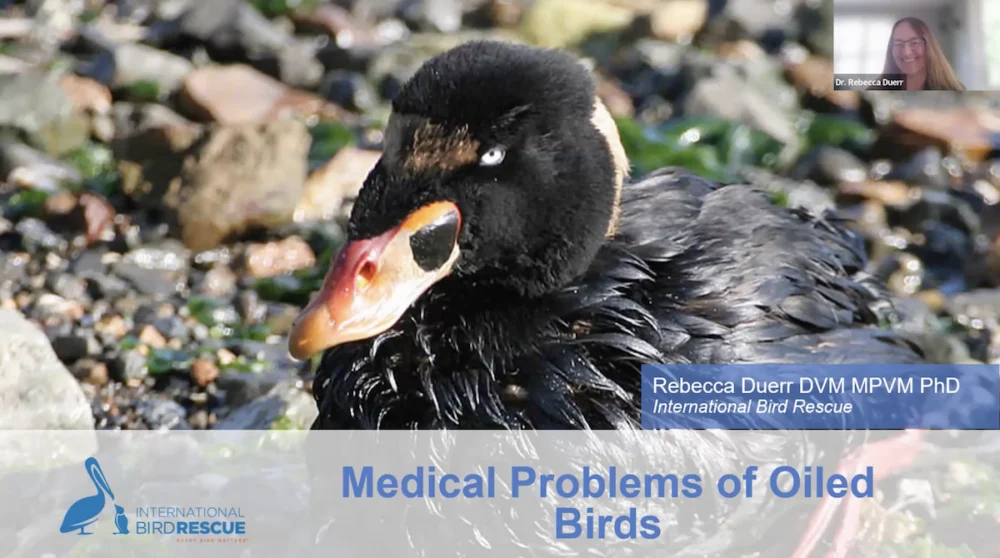
The intersection of environmental toxicology and avian medicine took center stage on April 21, 2026, as Dr. Rebecca Duerr, DVM, MPVM, PhD, delivered a comprehensive virtual presentation to the Kansas State University College of Veterinary Medicine Exotics Club. This educational event, hosted under the auspices of the Lafeber Company Veterinary Student Program, focused on the complex medical challenges associated with oiled wildlife and the specialized protocols required to ensure their survival and successful rehabilitation. Dr. Duerr, a renowned expert in the field of wildlife medicine and oil spill response, provided future veterinarians with a deep dive into the physiological, pathological, and logistical hurdles inherent in treating birds affected by petroleum products.
The Critical Context of Oiled Wildlife Management
Oil spills remain among the most visible and devastating environmental disasters, frequently resulting in mass casualties within avian populations. From the historic Exxon Valdez spill in 1989 to the Deepwater Horizon disaster in 2010, the global community has witnessed the profound impact of hydrocarbons on marine and coastal ecosystems. However, the veterinary response to these crises has evolved significantly over the last four decades. What was once a rudimentary effort characterized by "wash and release" has transformed into a sophisticated branch of clinical medicine that integrates emergency triage, intensive care, pharmacology, and long-term rehabilitative monitoring.
The presentation at Kansas State University highlights a growing recognition within the veterinary curriculum that specialized knowledge in wildlife toxicology is essential. As maritime traffic increases and offshore energy exploration continues, the likelihood of localized and large-scale spills remains a persistent threat. Dr. Duerr’s lecture serves as a bridge between academic theory and the high-stakes reality of field-based disaster response.
Chronology of the Educational Initiative
The April 2026 presentation represents a key milestone in the ongoing collaboration between the Lafeber Company and veterinary academic institutions. The Lafeber Company Veterinary Student Program was established to provide students with access to experts who specialize in exotic, zoo, and wildlife medicine—fields that are often underrepresented in standard veterinary curricula.
The timeline of the event was structured to maximize student engagement through a virtual "dinner presentation" format. This allowed members of the Kansas State University Exotics Club to interact with Dr. Duerr in real-time, despite the geographical distance. Following the presentation, the recorded session and supporting materials were made available through the LafeberVet digital platform, ensuring that the insights shared during the lecture could reach a global audience of veterinary professionals and students.
Clinical Pathophysiology: The Multi-Systemic Impact of Oil
Dr. Duerr’s presentation detailed the multifaceted ways in which oil affects avian physiology. The medical problems of oiled birds are generally categorized into external and internal pathologies, both of which require immediate and specific interventions.
External Effects and Thermoregulation
The most immediate threat to an oiled bird is the loss of feather structure. Avian feathers are complex biological tools that provide insulation, waterproofing, and flight capability. Oil disrupts the microscopic barbs and barbules that "zip" feathers together. When this structure is compromised, the bird loses its ability to repel water and retain body heat. This leads rapidly to hypothermia, particularly in aquatic species that rely on a dry undercoat to survive in cold water. Dr. Duerr emphasized that stabilization of body temperature is a primary goal of triage, often preceding the actual cleaning process.
Internal Toxicity and Systemic Failure
Beyond the physical coating of feathers, birds suffer from the internal ingestion of oil. As they attempt to preen their feathers to remove the contaminant, they swallow toxic hydrocarbons. This leads to a cascade of internal issues, including:
- Gastrointestinal Distress: Oil acts as an irritant to the GI tract, causing hemorrhaging, nutrient malabsorption, and severe dehydration.
- Hemolytic Anemia: Certain components of crude oil cause oxidative damage to red blood cells, leading to Heinz body anemia, which severely limits the bird’s oxygen-carrying capacity.
- Organ Failure: The liver and kidneys are tasked with processing the toxins, often leading to acute organ dysfunction or failure.
- Pneumonia: Vapors from the oil can be inhaled, causing chemical pneumonia and damage to the sensitive air sac system of the bird.
Advances in Decontamination: The Role of Sedation
A significant portion of the medical discussion centered on the stress of the decontamination process itself. Traditionally, birds were manually restrained during the washing process, a procedure that can take 30 to 60 minutes and involves significant handling. The stress of this process can be fatal for an already weakened animal.
Dr. Duerr referenced recent research, specifically the 2024 study by Kelley et al., titled "Comparison of manual restraint with and without sedation on outcomes for wild birds undergoing decontamination," published in the Journal of Avian Medicine and Surgery. This study represents a paradigm shift in how veterinarians approach the "wash" phase of rehabilitation.
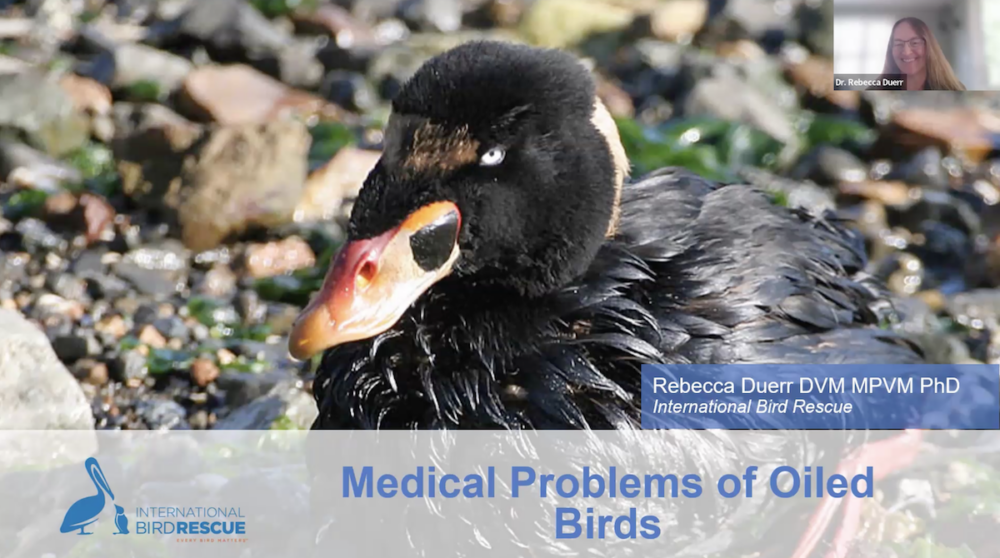
The research compared the physiological outcomes of birds that were sedated during the washing process versus those that were manually restrained while awake. The findings suggested that sedation might mitigate the extreme stress responses—manifested as dangerous spikes in heart rate and cortisol levels—that often lead to "capture myopathy" or sudden cardiac arrest during cleaning. By utilizing pharmacological intervention, veterinarians can perform a more thorough cleaning while minimizing the bird’s metabolic exhaustion.
Supporting Data and Evidence-Based Outcomes
The data presented by Dr. Duerr underscored the importance of evidence-based protocols in wildlife medicine. Statistics from past oil spills indicate that the survival rate of birds is directly proportional to the speed of the initial medical intervention and the quality of the stabilization period before washing.
Key data points discussed include:
- Stabilization Windows: Birds that receive 48 to 72 hours of fluid therapy and nutritional support prior to being washed show a 30% higher survival rate than those washed immediately upon arrival.
- Temperature Regulation: Maintaining a controlled ambient temperature of 80–85°F (27–29°C) during the initial 24 hours is critical for reversing the effects of cold-water immersion.
- PCV Monitoring: Monitoring Packed Cell Volume (PCV) is essential, as birds with a PCV below 20% are generally considered too unstable for the vigorous washing process.
Official Responses and Educational Impact
The Kansas State University College of Veterinary Medicine Exotics Club expressed strong support for the inclusion of such specialized training. Student leaders noted that exposure to Dr. Duerr’s expertise provides a "real-world" perspective on the challenges of field medicine that textbooks alone cannot provide.
The Lafeber Company, through its student program, continues to advocate for the integration of exotic animal medicine into the broader veterinary conversation. By providing these resources for free to student organizations, the company aims to foster a new generation of veterinarians who are prepared to respond to environmental emergencies.
"Dr. Duerr’s ability to translate complex toxicological data into actionable clinical protocols is invaluable for our students," a representative from the KSU Exotics Club stated (inferred from the event’s context). "Understanding that wildlife medicine is not just about biology, but also about rapid-response logistics and advanced pharmacology, changes how these future doctors view their roles in conservation."
Broader Implications for Environmental Veterinary Medicine
The implications of Dr. Duerr’s presentation extend beyond the classroom. As the global climate changes, the migratory patterns of birds are shifting, potentially putting more species at risk of encountering industrial zones and shipping lanes. Furthermore, the development of new types of petroleum products, such as diluted bitumen (dilbit), presents new challenges for decontamination, as these substances behave differently in water than traditional crude oil.
The transition toward using sedation during decontamination, as highlighted by the Kelley et al. (2024) reference, also points toward a more compassionate and welfare-focused approach to wildlife rehabilitation. This shift aligns with broader trends in veterinary medicine that prioritize the reduction of fear, anxiety, and stress (FAS) in all animal patients, whether domestic or wild.
Conclusion: Future Directions in Avian Disaster Response
The April 2026 lecture serves as a reminder that the field of avian medicine is in a state of constant refinement. The integration of rigorous scientific study—such as the comparison of sedation techniques—with the practical, hands-on experience of experts like Dr. Duerr ensures that the veterinary profession remains at the forefront of environmental protection.
For the students at Kansas State University, the presentation was more than an academic exercise; it was a call to action. As they move toward graduation, these future veterinarians carry with them a sophisticated understanding of the "Medical Problems of Oiled Birds," equipped with the knowledge that their intervention can mean the difference between a localized ecological tragedy and a successful recovery mission. The continued support of programs like the Lafeber Company Student Program ensures that this specialized knowledge is preserved and passed on, preparing the profession for the environmental challenges of the mid-21st century.

