


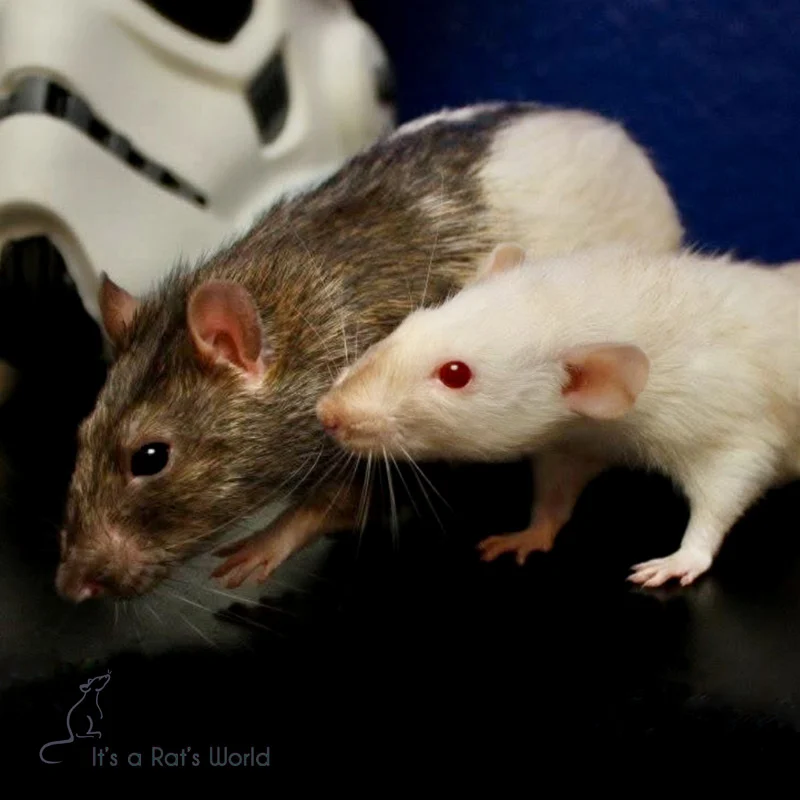
A common question among prospective rat owners revolves around the choice between male and female rats as pets. While both sexes offer unique charms and make exceptional companions, understanding their inherent differences can help potential owners make an informed decision. Brandi Saxton, a seasoned rat enthusiast and owner of "It’s A Rat’s World," offers valuable insights into the physical, aromatic, behavioral, and health-related distinctions between male and female rats, ultimately concluding that either sex can be a wonderful addition to a household.
Physical Characteristics: Size and Scent
Male rats generally exhibit larger physical dimensions compared to their female counterparts. On average, adult males measure between 10 to 12 inches in length, excluding their tails, and weigh approximately 450 to 650 grams (about 1 to 1.4 pounds). Females, on the other hand, typically range from 9 to 10 inches in length and weigh between 350 to 450 grams (roughly 12.3 ounces to 1 pound). However, these are averages, and individual variations are common. Saxton notes instances where her male rats were smaller than her females, and vice versa, emphasizing that genetics and individual development play significant roles in a rat’s size.

Another discernible physical difference lies in their coat texture. Adult intact males often produce more oil on their backs, a substance known as "buck grease." This oil, typically orangish-yellow, can lead to a slightly coarser fur texture in males compared to the generally softer fur of females. In cases where buck grease becomes excessive and causes discomfort, bathing with unscented baby wipes or a damp paper towel can offer relief. Neutering male rats often leads to a reduction or disappearance of buck grease, resulting in softer fur.
Beyond physical attributes, male and female rats possess distinct olfactory profiles. Intact females often emit a pleasant aroma reminiscent of grape soda and fabric softener, sometimes with a subtle floral undertone. This unique scent is so characteristic that experienced owners can often distinguish between sexes based on smell alone. Intact males, conversely, have a scent often described as similar to warm corn tortillas or tortilla chips. This aroma, while perhaps sounding unusual, is generally considered pleasant. A significant shift in scent occurs when male rats are neutered; they typically begin to smell like the females, with a flowery, grape-like fragrance. This practice of deeply sniffing a rat’s fur, known as "huffing," is a common and enjoyable ritual for many rat owners, provided the rat hasn’t been "marinating" in its own urine, a behavior more commonly observed in males.
Behavioral Tendencies: Energy Levels and Temperament
While generalizations often suggest that male rats are lazier and more inclined to cuddle, while females are more energetic and less cuddly, Saxton’s personal experience challenges these stereotypes. She observes that while males may become more sedentary with age, especially after neutering, young males are quite active. Furthermore, the desire to cuddle is not solely determined by sex. Many males prefer to simply be in their owner’s presence rather than on them, while some females can be exceptionally affectionate.
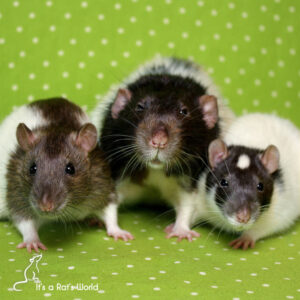
Saxton’s observations suggest that the energy levels between sexes can be surprisingly similar, especially if females have been spayed before reaching sexual maturity. Intact females go through estrus cycles approximately every four to five days, which can lead to heightened restlessness, hyperactivity, and agitation. Spaying eliminates these hormonal fluctuations, potentially leading to a more consistent temperament. Saxton found that her spayed female rats often exhibited similar energy levels and cuddliness to her male rats.
A more significant behavioral divergence emerges with social maturity, typically occurring between 6 to 9 months of age for males. During this period, some males may experience a personality shift, becoming more irritable, agitated, or even aggressive towards cagemates or owners. This phase, often described as "hormonal," can necessitate intervention, such as castration, which Saxton notes has proven highly effective in mitigating such behaviors. While not all males undergo this intense period, their territorial instincts can be more pronounced, particularly when introducing them to new rats, especially other males. This can make introductions challenging, requiring patience and careful management. Saxton found introductions to be generally less stressful when pairing males with females or females with females, although individual personalities always play a role.
Urine marking is another area where intact males differ from females. Males are significantly more prone to marking their territory, including their owners and belongings, with urine. While some males may reduce this behavior once settled, others continue throughout their lives. Females, in contrast, exhibit far less urine marking. Additionally, Saxton found females to be generally easier to litter box train, although neither sex achieves perfect litter box usage.

The Impact of Sterilization: Health and Behavior Modifications
Sterilization procedures, spaying for females and neutering for males, play a crucial role in managing health risks and influencing behavior in pet rats.
Preventing Unplanned Litters: The most immediate benefit of spaying and neutering is the prevention of unintended pregnancies. Rats have a high reproductive rate, with litters typically ranging from 8 to 18 babies. If males and females are housed together, or even in close proximity, the risk of pregnancy is significant, necessitating sterilization of at least one sex.
Minimizing Health Risks: Females are particularly susceptible to hormone-related health issues, most notably mammary tumors. They are also at risk for ovarian and uterine diseases, conditions that can significantly shorten their lifespan. Spaying female rats between 3 to 6 months of age is widely recommended by veterinary professionals and rat health experts to drastically reduce the incidence of these diseases. While spaying is a more invasive procedure than neutering, its health benefits for females are substantial. Saxton emphasizes the importance of adopting already spayed females or arranging for the procedure early in life.
For males, neutering offers significant health and behavioral advantages. It helps to temper aggression, reduce urine marking, and diminish the production of buck grease. Furthermore, it can prevent the formation of penile plugs in older or less mobile males and eliminate the risk of testicular cancer, though this is a rarer occurrence. While the direct impact of neutering on reducing mammary or pituitary tumors in males is less well-documented than for females, the overall benefits for behavior and preventing certain health issues are considerable. Consulting with a veterinarian is essential to determine the optimal timing and necessity of these procedures for individual rats.
Integrating Sexes: The Nuances of Mixed-Sex Households
The decision to house rats of the same or mixed sexes involves understanding potential dynamics. Saxton’s experience with housing both males and females concurrently revealed the potential for strong interspecies bonds. She recounts instances where her male and female rats formed deep attachments, even after one of the males underwent neutering to resolve behavioral issues. The bond between her female rat Echo and her male rat Sirius, for example, was profound, with Sirius staying by Echo’s side until her passing.
Ultimately, the choice between male, female, or a mixed group of rats is a personal one. Each sex, and indeed each individual rat, possesses a unique personality and offers a distinct experience. The key to successful rat ownership lies in understanding these differences, providing appropriate care, and ensuring responsible breeding practices through sterilization. Whether one chooses the generally larger, grape-scented males or the sometimes more aromatic, but equally endearing, females, the reward is a delightful and intelligent companion that enriches the lives of its human caretakers. The overarching consensus among experienced owners and veterinarians is that responsible ownership, coupled with an appreciation for the individual personalities of these remarkable rodents, ensures a fulfilling relationship, regardless of sex.

